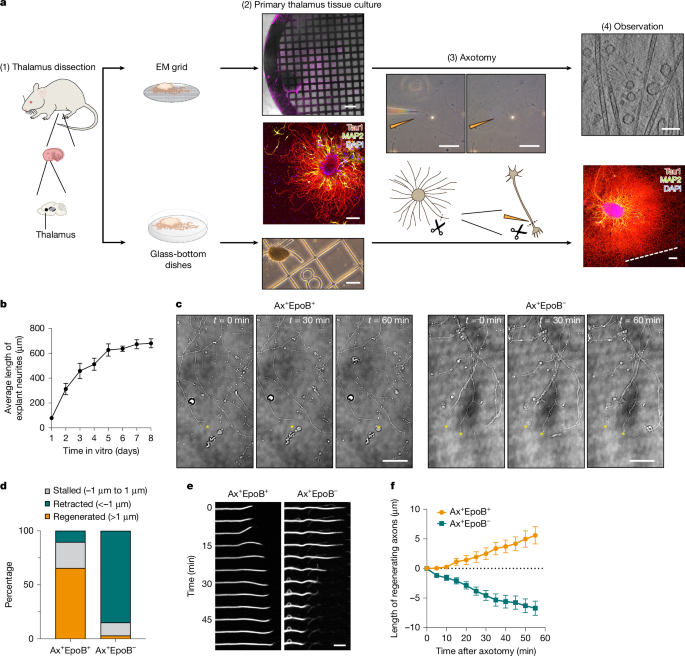
This study reveals the in situ structural mechanism by which epothilone-B promotes CNS axon regeneration, utilizing cryo-EM and electron tomography to analyze microtubule stabilization and dynamics in regenerating axons.
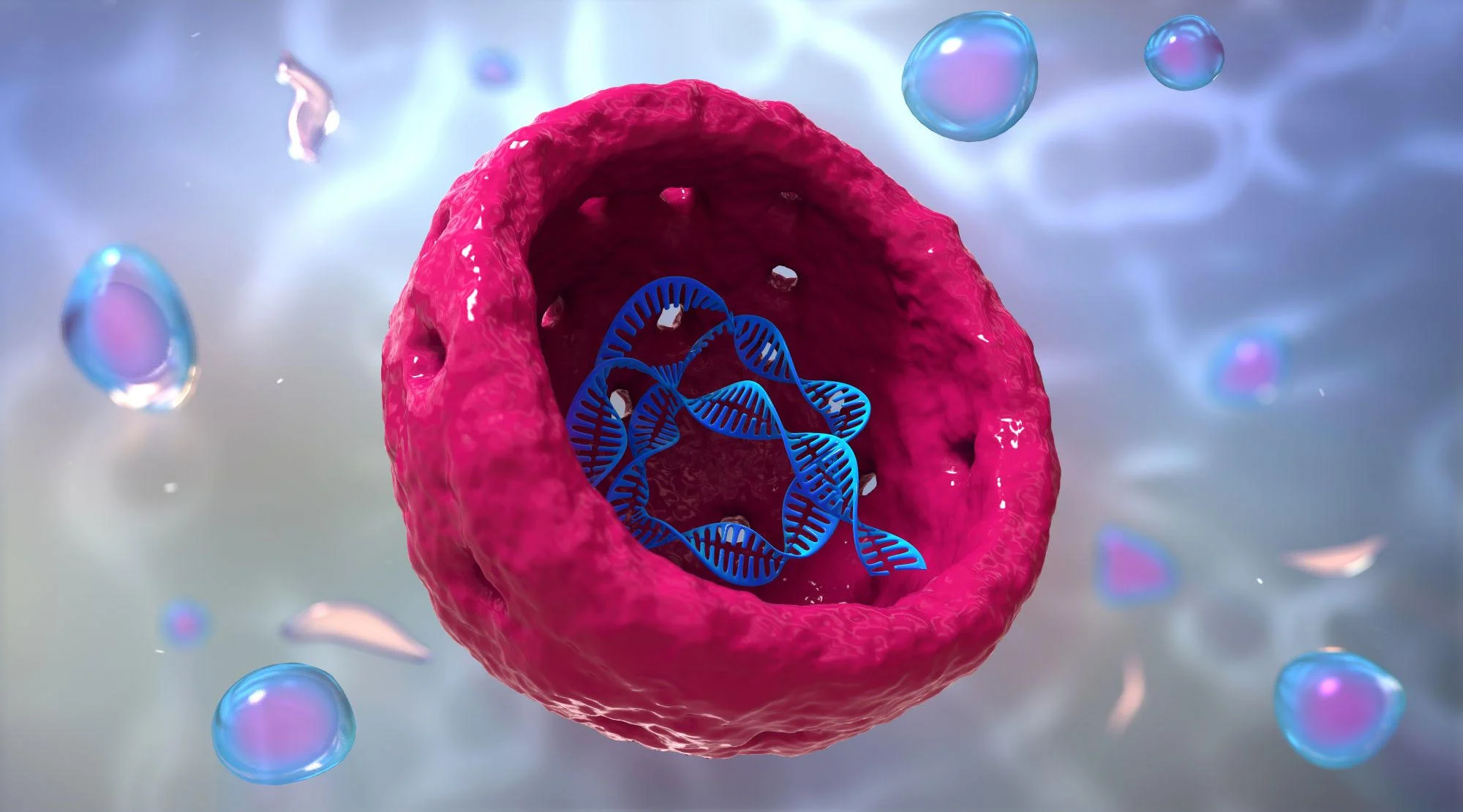
Scientists at La Jolla Institute have revealed the first 3D structure of a human endogenous retrovirus protein, HERV-K Env, opening new avenues for diagnosing and treating autoimmune diseases and cancer by targeting these viral remnants in the human genome.
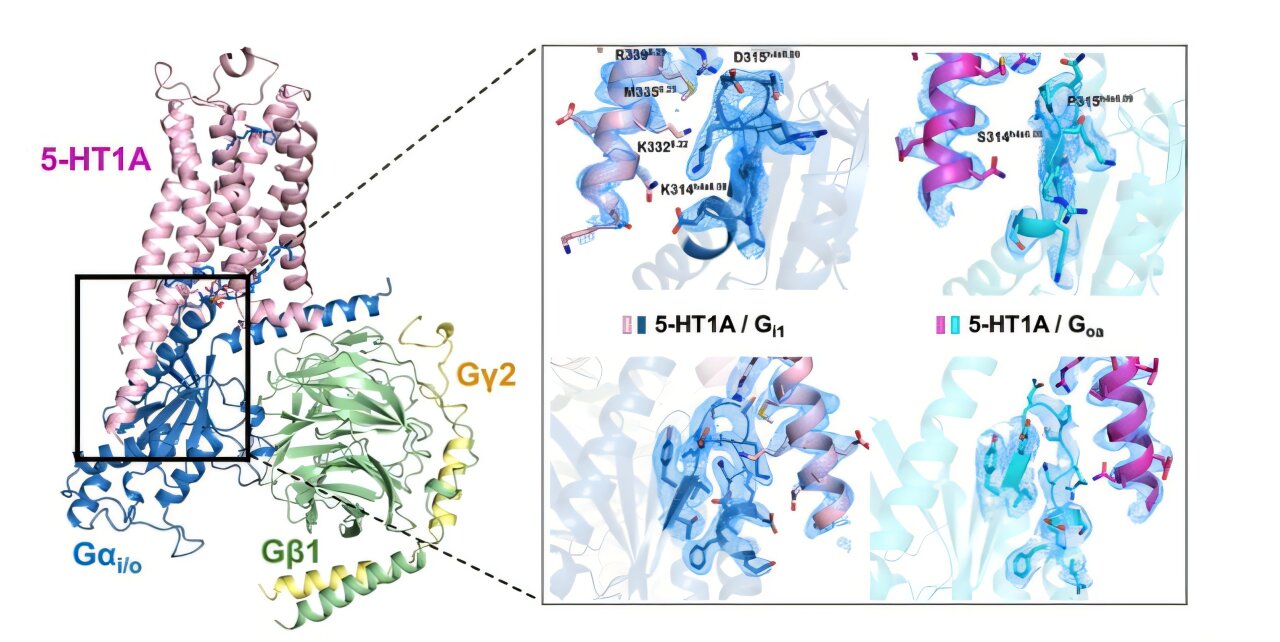
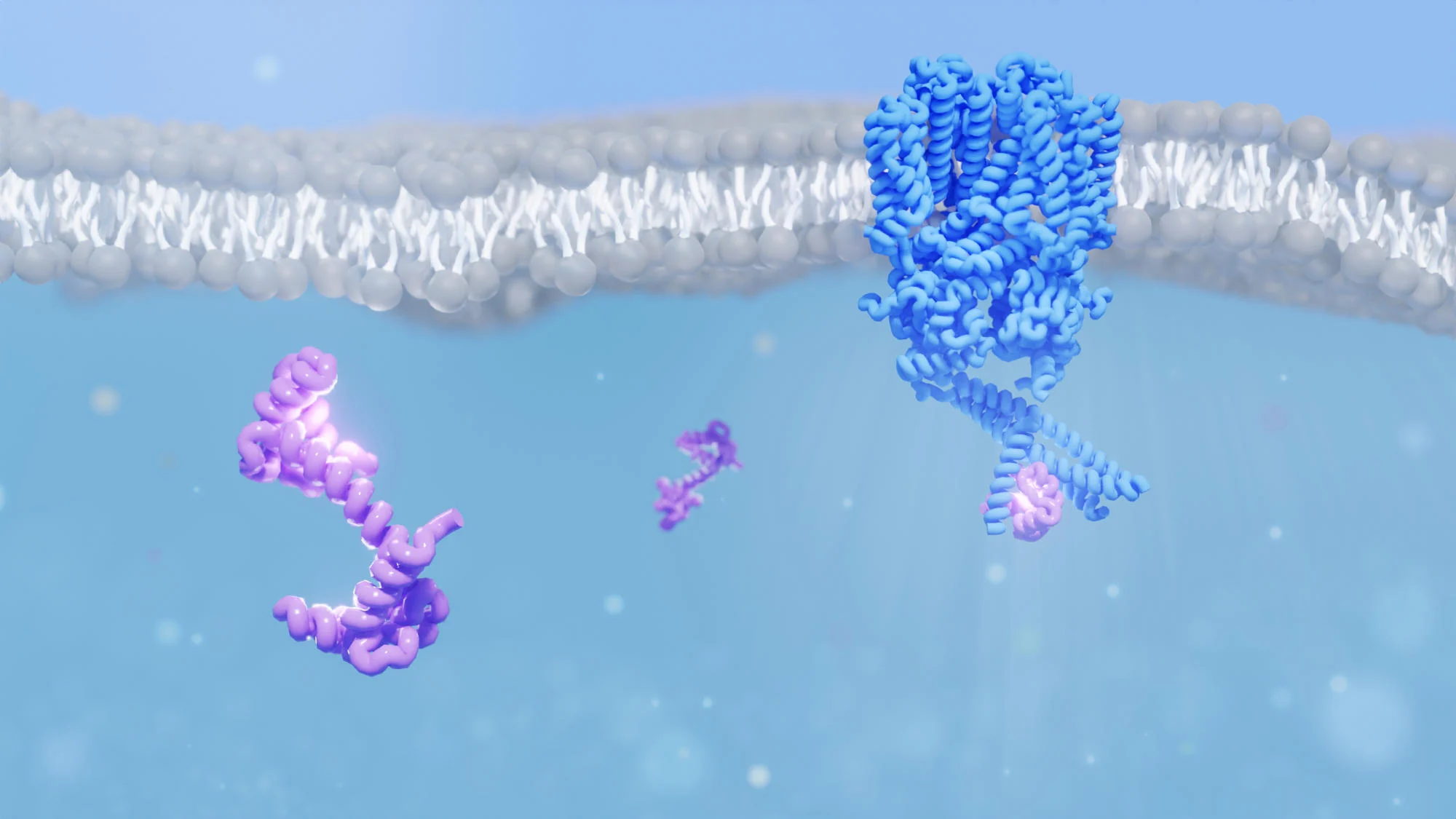
Researchers at Mount Sinai have uncovered detailed molecular insights into the 5-HT1A serotonin receptor, revealing how it interacts with G proteins and drugs, which could lead to the development of faster, more targeted mental health treatments with fewer side effects.
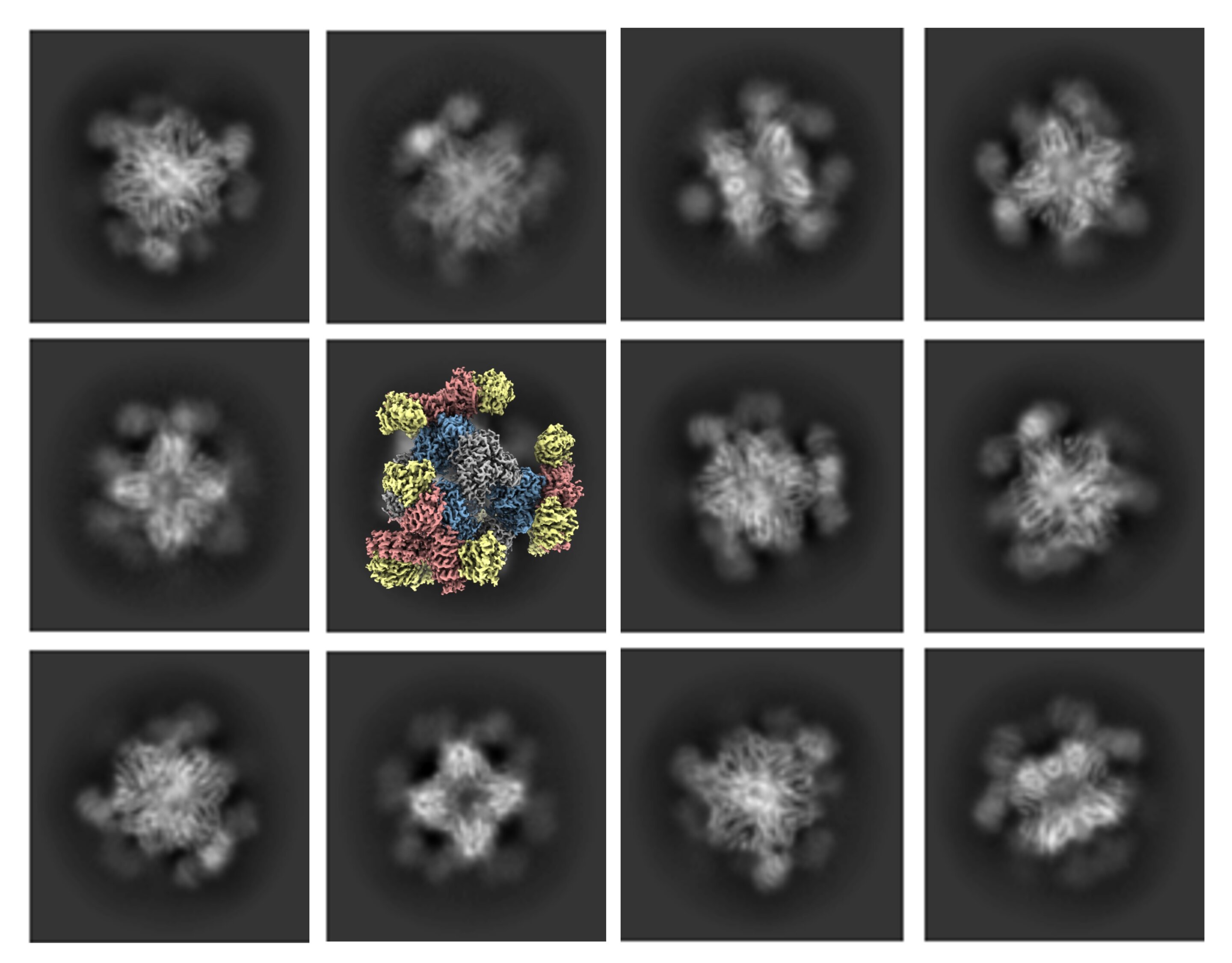
The Gabija anti-phage system, a prokaryotic defense mechanism, consists of GajA and GajB components. Researchers have used cryo-electron microscopy to reveal the structures and activation mechanism of this system. They found that GajA, a rhombus-shaped tetramer, is activated for anti-phage defense when ATP is depleted by phages, leading to DNA cleavage. GajB, which docks on GajA, is then activated by the cleaved DNA, ultimately resulting in prokaryotic cell death.
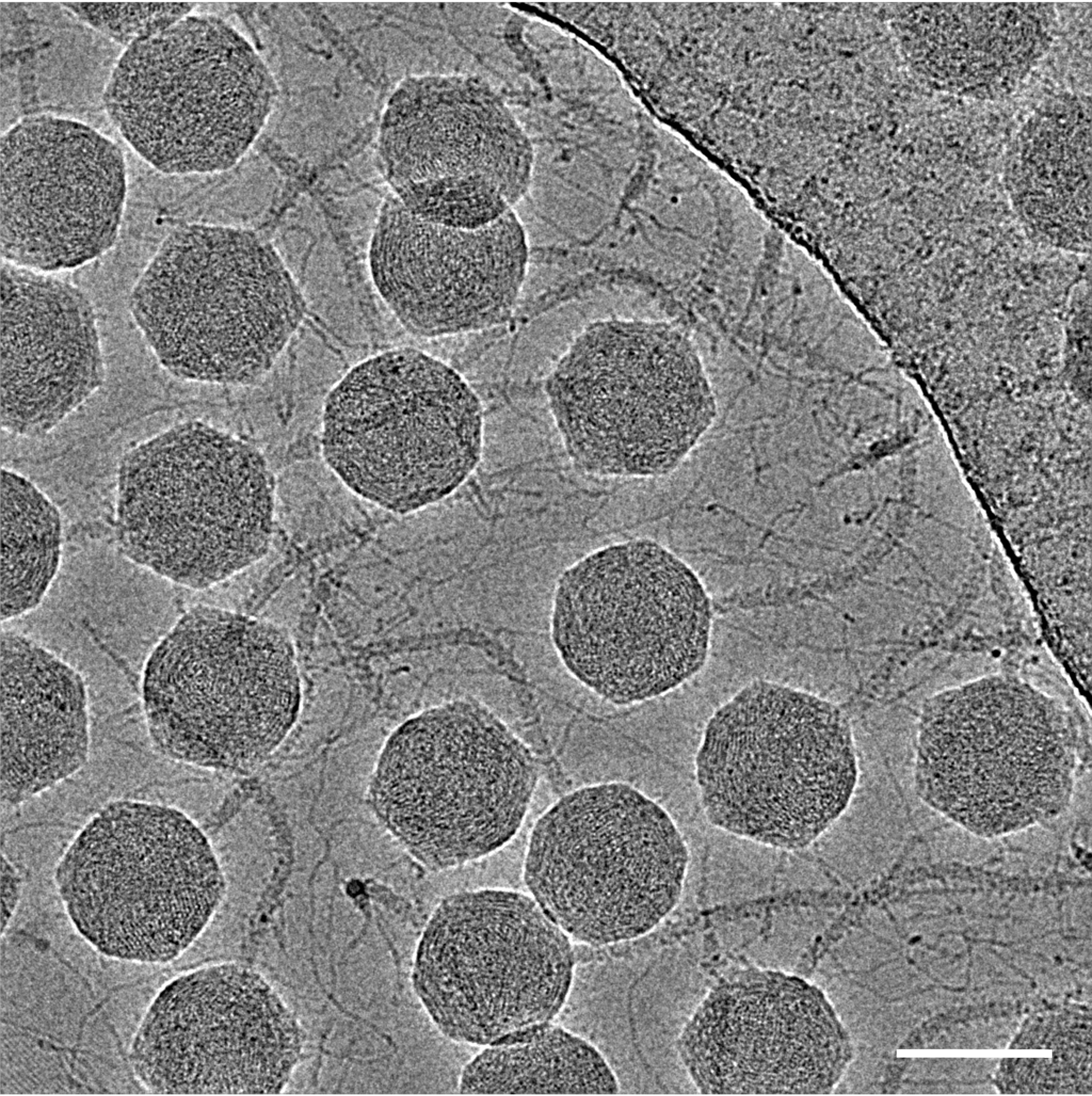
Scientists at the Okinawa Institute of Science and Technology have revealed the molecular structure of the tequintavirus, a type of bacteriophage that infects bacteria. Using cryo-electron microscopy, they obtained atomic models for all structural components of the virus, providing a detailed understanding of its organization at the atomic level. This research has implications for phage therapy, gene therapy, and the engineering of bacteriophages for specific purposes. The study also developed new methods for visualizing complex viruses, which could be applied to other viruses with similar shapes.
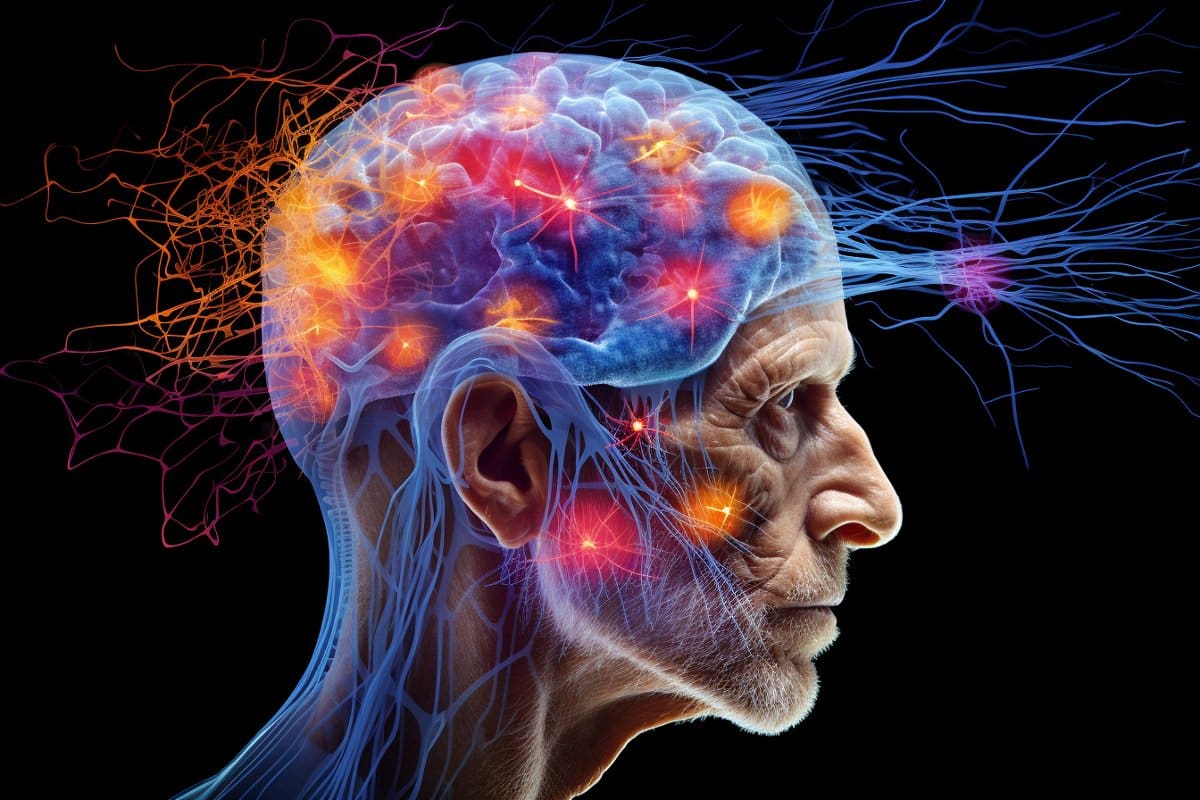
Researchers have identified the protein TAF15 as the key aggregate in certain cases of frontotemporal dementia, a type of neurodegenerative disease that affects the frontal and temporal lobes of the brain. Using advanced cryo-electron microscopy, scientists discovered TAF15 aggregates in brain samples, providing new insights into the molecular basis of the disease. This breakthrough could lead to targeted diagnostic tests and therapies for frontotemporal dementia, as well as potential treatments for motor neuron disease.
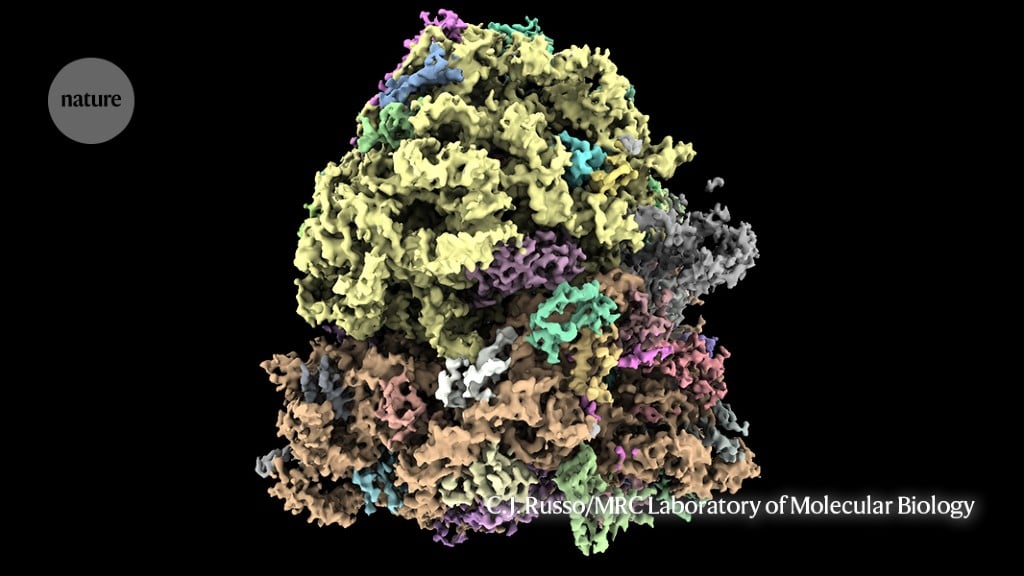
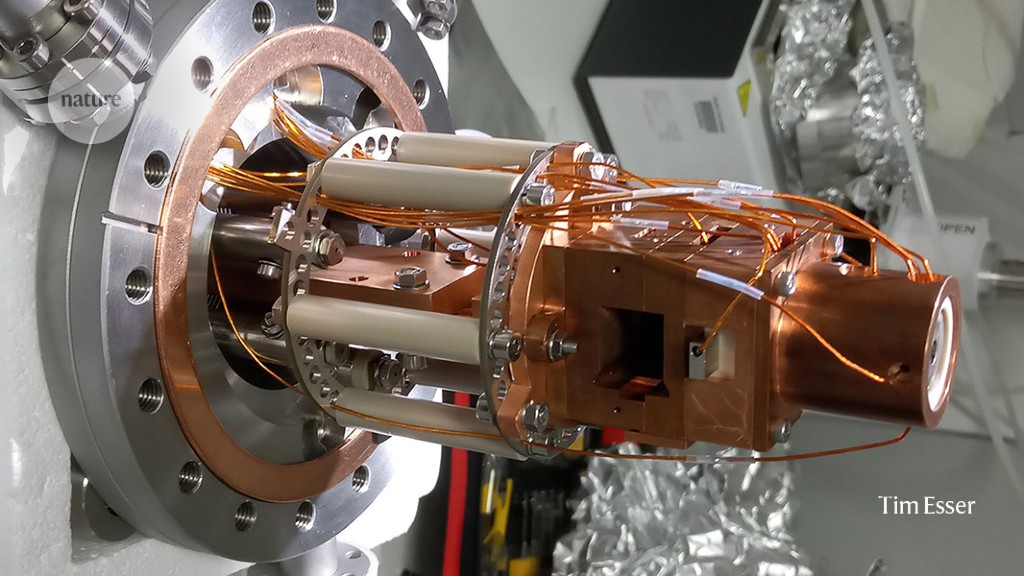
A newly designed electron microscope offers a cost-effective solution for mapping the 3D structures of cellular proteins, providing high-resolution images of biological molecules at a fraction of the cost of traditional models. The cryo-electron microscope allows for efficient analysis of cellular structures, such as the ribosome, and has the potential to revolutionize protein research.
Soft-landing mass spectrometry, a technique that gently lands intact proteins for analysis, shows promise in simplifying protein structure determination for cryo-electron microscopy (cryo-EM). By minimizing damage to proteins during the landing process, researchers have achieved near-atomic-resolution cryo-EM structures for proteins. This method could revolutionize protein sample preparation, allowing for the generation of high-resolution protein structures with greater precision and efficiency. However, further research is needed to optimize the technique and ensure that proteins retain their natural structure throughout the process. Soft-landing mass spectrometry also holds potential for single-molecule protein analysis and other structural analysis methods.
Scientists at UCLA have developed a solution to improve cryo-electron microscopy (cryo-EM) by enabling high-quality imaging of smaller protein molecules. They engineered a cube-shaped protein structure called a scaffold with tripod-like protrusions that hold the small proteins in place. The scaffold can be digitally removed during image processing, resulting in a composite 3D image of the small protein being analyzed. This advancement expands cryo-EM's imaging capabilities and has potential applications in drug development, allowing researchers to identify specific locations on proteins for therapeutic targeting. The technique was successfully tested on a protein involved in cancer treatments.
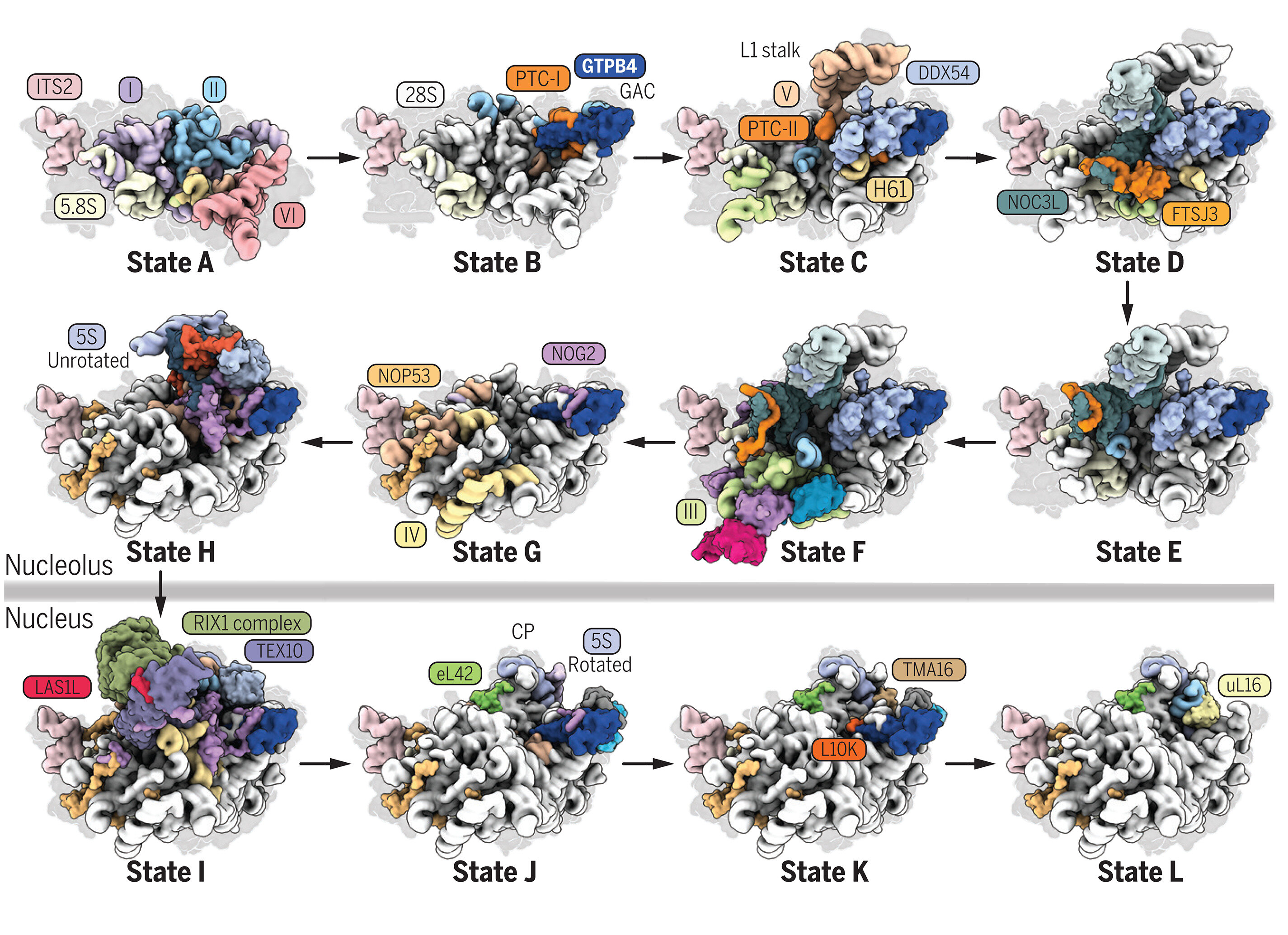
New high-resolution images obtained through cryo-electron microscopy have provided insights into the assembly of the large subunit of human ribosomes, shedding light on the formation of one of nature's most fundamental molecules. The study, which identified key steps and intermediates in the assembly process, could have implications for understanding cellular metabolism and diseases associated with ribosome mutations. The findings represent a significant advancement in our understanding of ribosome assembly and provide a foundation for further research in this field.
New high-resolution images of the large ribosomal subunit have provided insights into the assembly of one of nature's most fundamental molecules, ribosomes, in human cells. The study used cryo-electron microscopy to capture the formation and maturation of the human large ribosomal subunit (60S) and identified various proteins and enzymes that interact with RNA elements during the assembly process. The findings offer a near-complete picture of how the human large subunit assembles and could have implications for understanding cellular metabolism and diseases linked to ribosome mutations.
Researchers have discovered a protein complex called FERRY that aids Early Endosomes (EEs) to carry mRNAs to distant parts of the neuron, using cryo-electron microscopy to elucidate the structure of FERRY and how it binds to mRNAs. These findings could deepen our comprehension of neurological disorders caused by mRNA transport failure.
Researchers have used cryo-electron microscopy and mass spectrometry to decipher the structure of an ion channel in the eye as it interacts with the protein calmodulin, a puzzle that has stumped scientists for 30 years. This interaction could explain how our eyes can achieve such remarkable sensitivity to dim light. The researchers believe that this is nature’s way of holding the channels closed to reduce spontaneous channel openings that would cause background noise so that our eyes can be sensitive to dim light. Calmodulin regulates ion channels not only in the eye but throughout the body, controlling electrical signals that are essential to the correct functioning of diverse muscles and organs.
Researchers have used cryo-electron microscopy to determine the detailed structure of an odor receptor, OR51E2, which is found outside the nose in organs such as the gut, kidney, and prostate. The study found that the size and chemistry of the binding pocket tunes the receptor to detect only a narrow set of molecules. The discovery of a small, flexible loop atop the receptor suggests that it may contribute to our ability to detect diverse chemistry. The identification of the functional structure is a step toward understanding the underlying logic that guides the operation of our sense of smell.
Researchers have used single-molecule imaging and cryo-electron microscopy techniques to investigate the mechanism of messenger-RNA decoding in humans and found that human ribosomes function differently than those of bacteria, explaining why they are slower and more accurate. Ribosomes use messenger-RNA sequences to synthesize proteins, and these findings shed light on the structural and kinetic differences in this process between cell-nucleus-bearing species and bacteria.