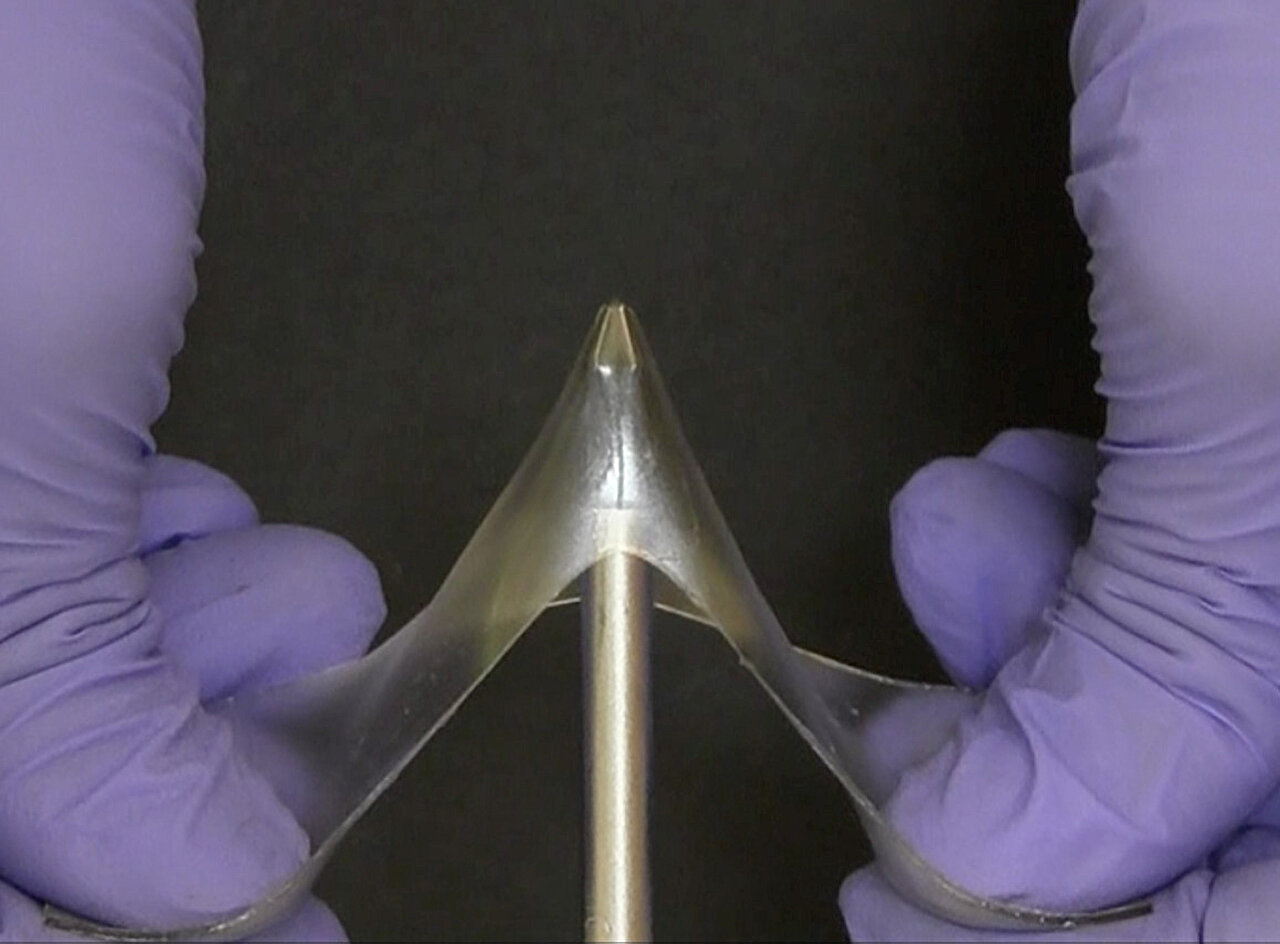
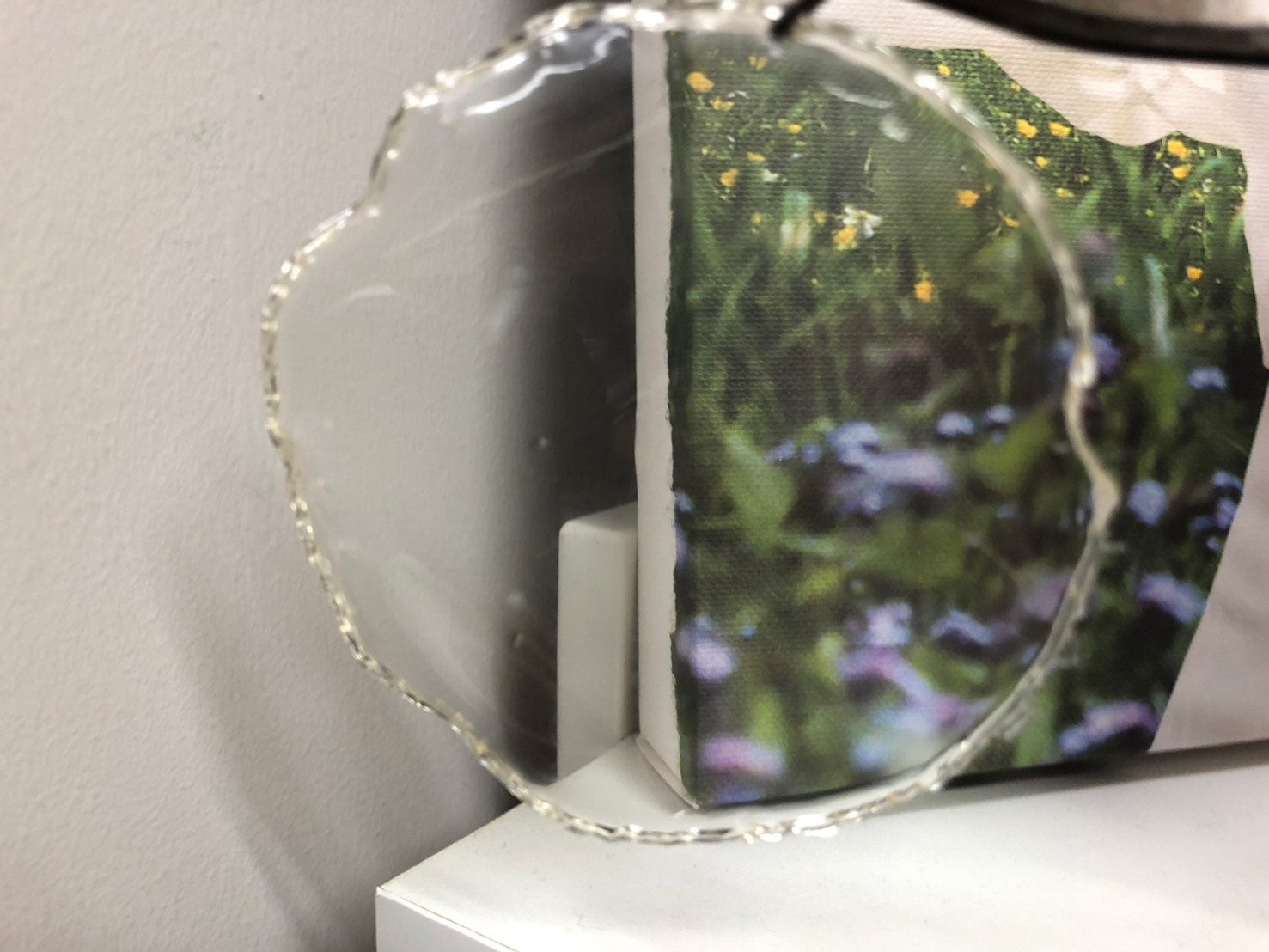
Researchers at NC State University have developed "glassy gels," a new class of materials that combine the hardness of glassy polymers with the stretchability of gels. These materials, which are more than 50% liquid, are efficient conductors of electricity and highly adhesive. The simple production process and unique properties of glassy gels make them promising for various applications.
Scientists at Hokkaido University have developed a method to create recyclable and stable polymers from plant cellulose, offering a sustainable alternative to traditional plastics. By using commercially available molecules derived from cellulose, the researchers were able to produce a variety of polymers that can be fully recycled. This breakthrough opens up new possibilities for the production of environmentally friendly materials and could lead to the development of high-performance materials for optical, electronic, and biomedical applications.
Researchers in Sweden have successfully hacked a 3D printer to function like a laser printer, enabling the printing of various polymers without the use of solvents or chemicals. This advancement in additive manufacturing could lead to rapid production of complex structures without the need for multiple components.
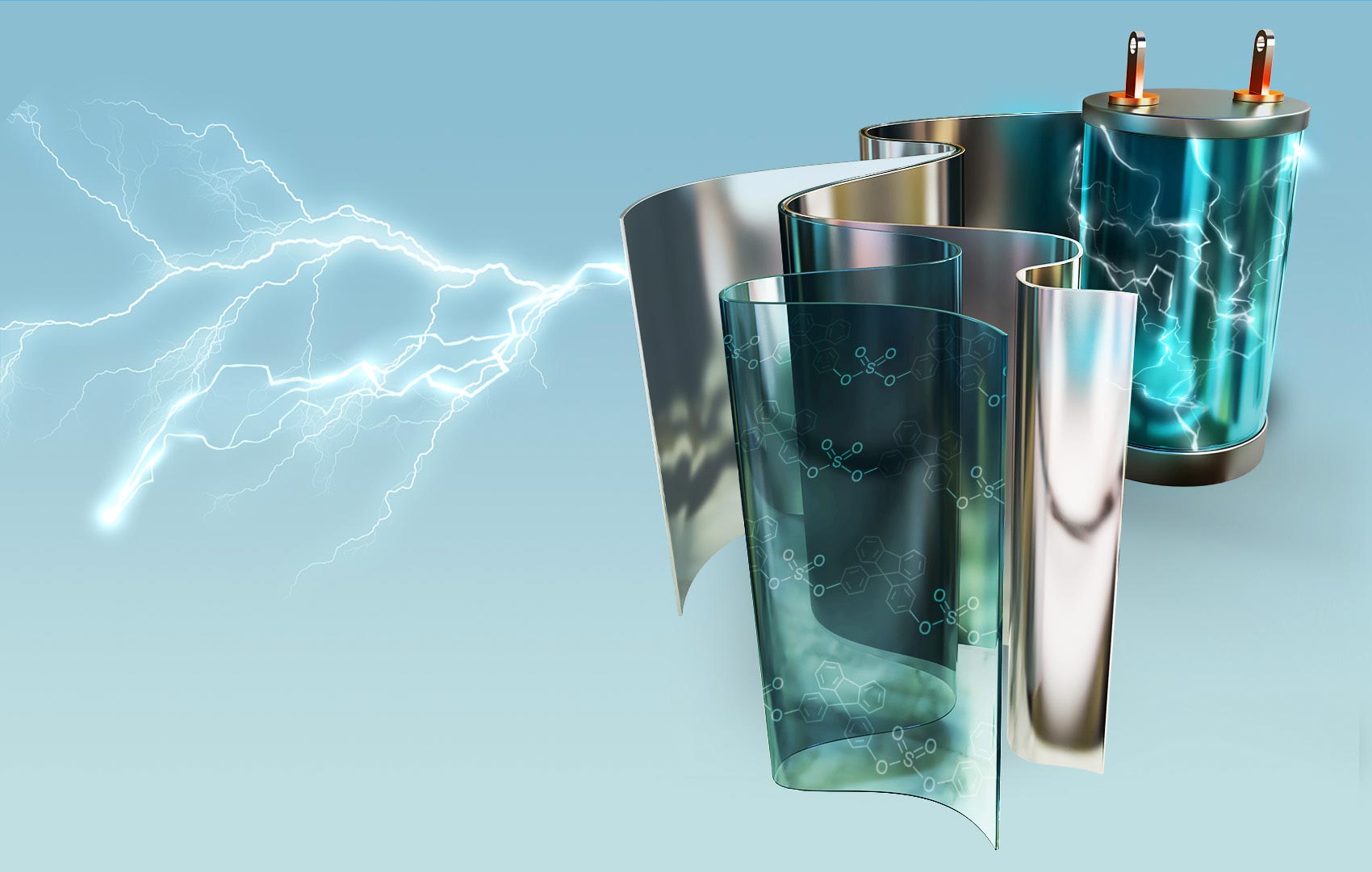
Researchers at the Department of Energy's Lawrence Berkeley National Laboratory and Scripps Research have developed a new polymer-based device for energy storage that can handle record amounts of energy while withstanding extreme temperatures and electric fields. The device utilizes a new class of electrically robust polymers synthesized via a next-generation version of the Nobel-winning "click chemistry" reaction. These polymers, called polysulfates, exhibit excellent dielectric properties, making them strong contenders for state-of-the-art polymer dielectrics. The capacitors made with these materials have shown enhanced energy storage performance, mechanical flexibility, and the ability to withstand high electric fields and temperatures. This breakthrough could lead to improved energy efficiency and reliability in applications such as electric vehicles and renewable energy systems.
Chemists from MIT and Duke University have discovered a way to make polymers stronger by introducing weaker bonds into the material. By adding weak linkers to a polymer network, the researchers found that they could increase the materials’ resistance to tearing up to tenfold, without altering any other physical properties of the polymers. This breakthrough could have a significant impact on increasing the lifespan of rubber tires and reducing microplastic waste, among other applications.
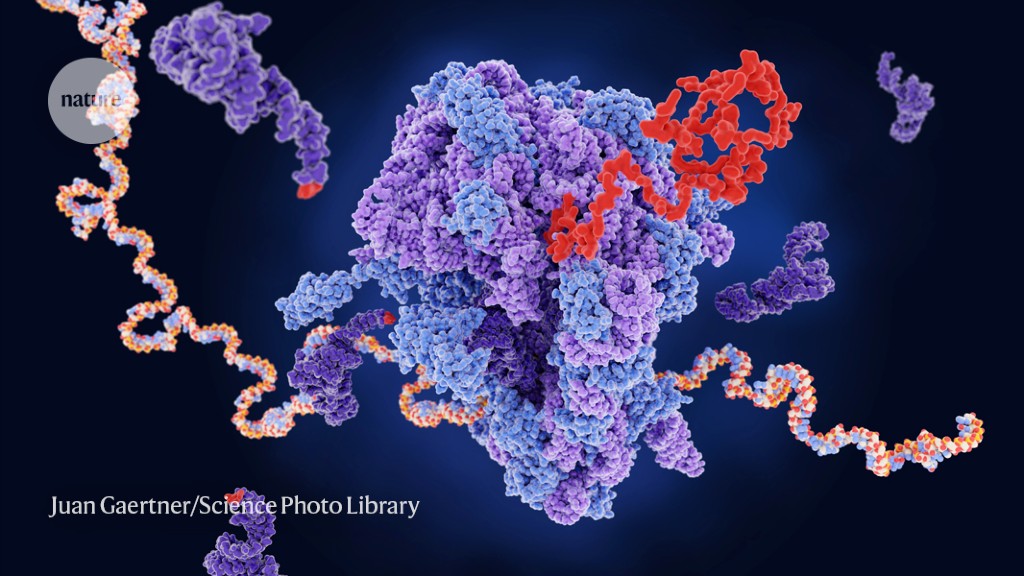
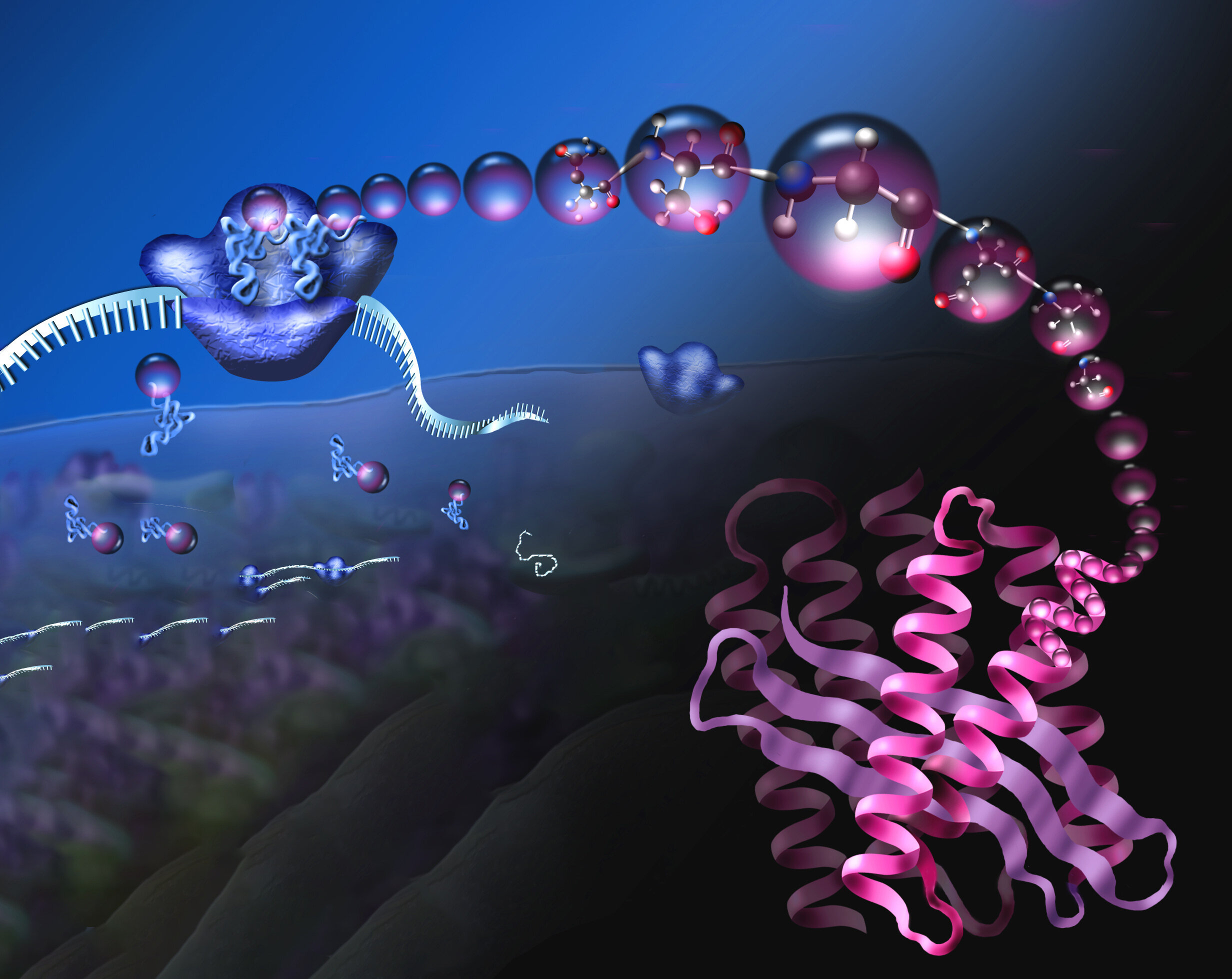
Scientists are hacking the genetic code to expand the number of amino acids that can be used to create proteins, which could lead to the development of new materials and therapeutics. By modifying the cellular machinery responsible for protein synthesis, researchers have been able to incorporate non-canonical amino acids into proteins, creating molecules with new properties. They have also used this approach to create polymers and to genetically isolate cells. While much of this work has been done in vitro, researchers are working to apply these techniques to living cells and to create entirely new polymers with the same level of sequence definition as proteins.
A multi-university group of chemists is working to retool the cell's polypeptide manufacturing plants to generate polymer chains that are more elaborate than what can now be made in a cell or a test tube. The ultimate goal is to make the translation system fully programmable, so that introducing mRNA instructions into the cell along with new building blocks will allow the ribosome to produce an unlimited variety of new molecular chains. These chains could form the basis for new bio-materials, new enzymes, even new drugs.
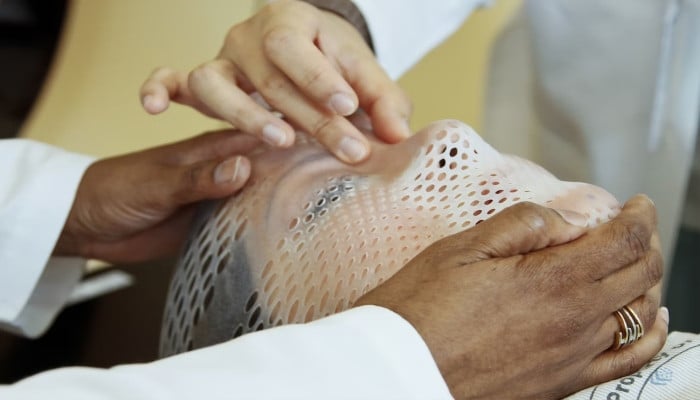
Researchers at the University of Waterloo have developed a new form of wound dressing material using cutting-edge polymers that can speed up the recovery of burn victims and deliver drugs for cancer treatment and cosmetic purposes. The dressing is made of cellulose nanocrystals, a thermally responsive polymer, and a biopolymer made from seaweed. It can warm up on the skin and gradually cool down to room temperature because of its thermal reactivity. The dressing can also be tailored and individualized for burn victims and cancer treatment.
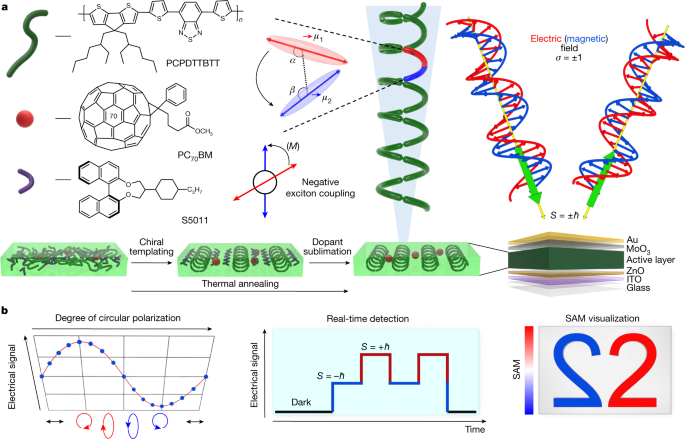
Researchers have developed helical polymers that can detect dissymmetric circularly polarized light, which has potential applications in optoelectronics and photodetection. The polymers were designed with alternating donor-acceptor units that induce a helical structure, allowing them to interact with circularly polarized light in a chiral manner. The researchers demonstrated the ability of the polymers to detect circularly polarized light in the near-infrared region, which is important for applications such as telecommunications and biological imaging.