Tag

Genetic Code

All articles tagged with #genetic code

science1 year ago

Study Challenges Traditional Understanding of Genetic Code Origins

A study led by Sawsan Wehbi at the University of Arizona suggests that the traditional understanding of genetic code evolution is flawed. The research indicates that early life forms preferred smaller amino acids and those binding to metals, with sulfuric amino acids joining later. This challenges the consensus based on the Urey-Miller experiment and suggests that the genetic code evolved through stages, with earlier codes now extinct. The findings have implications for astrobiology, particularly in sulfur-rich environments like Mars and Europa.

science-and-technology1 year ago

"Genomic Language Decoded: AI Improves mRNA for Enhanced Vaccines"

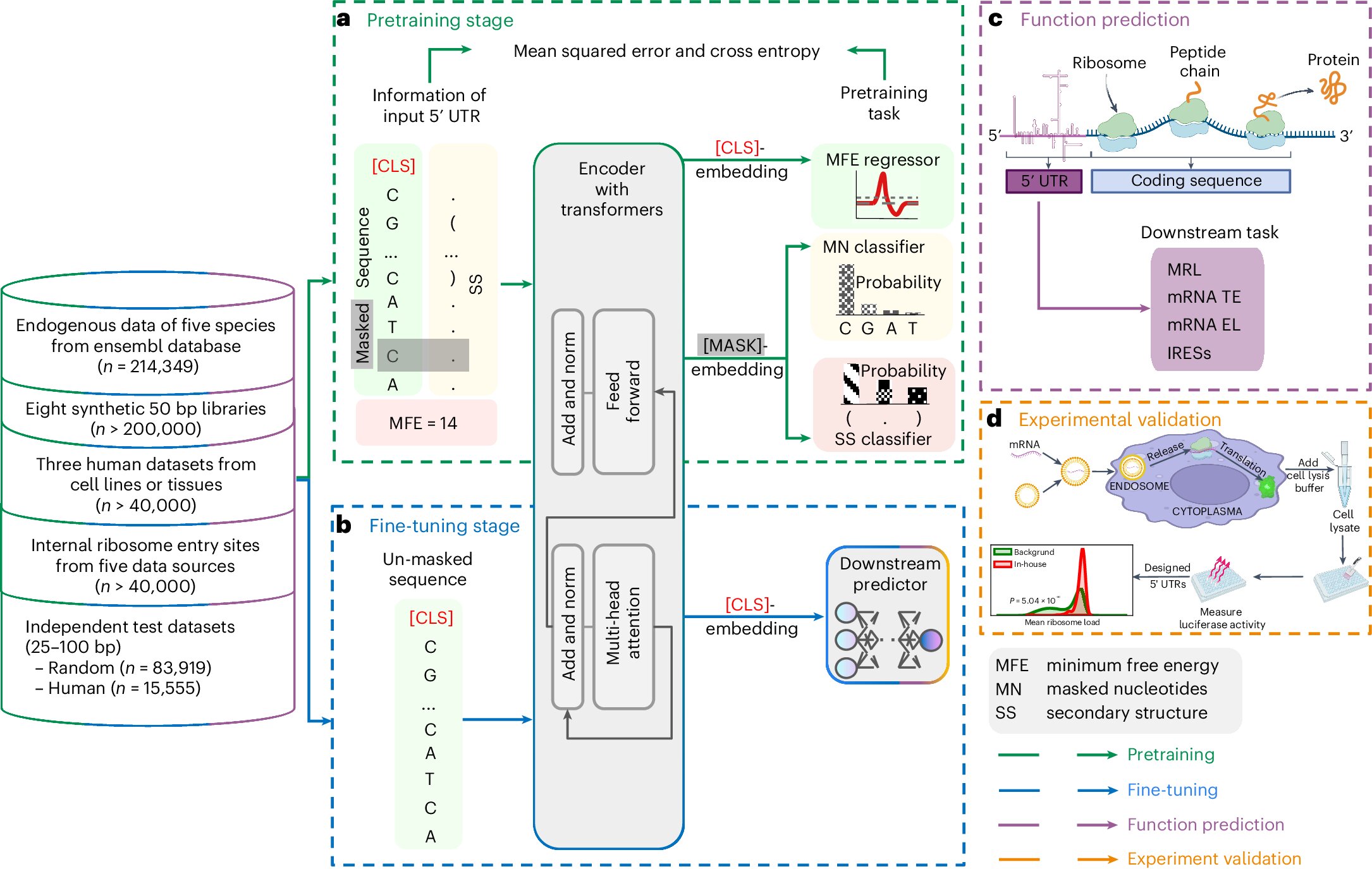
Researchers at Princeton University have developed a language model that can decode the untranslated region of mRNA, optimizing efficiency and improving vaccines. By training the model on a small variety of species, they were able to generate hundreds of new optimized sequences, resulting in a 33% increase in the overall efficiency of protein production for mRNA vaccines. This breakthrough has the potential to enhance therapeutics for various infectious diseases and cancers, while also shedding light on gene regulation and its role in disease origins.

science1 year ago

"Uncovering the Role of Altered Protein Folding in Multicellular Evolution"

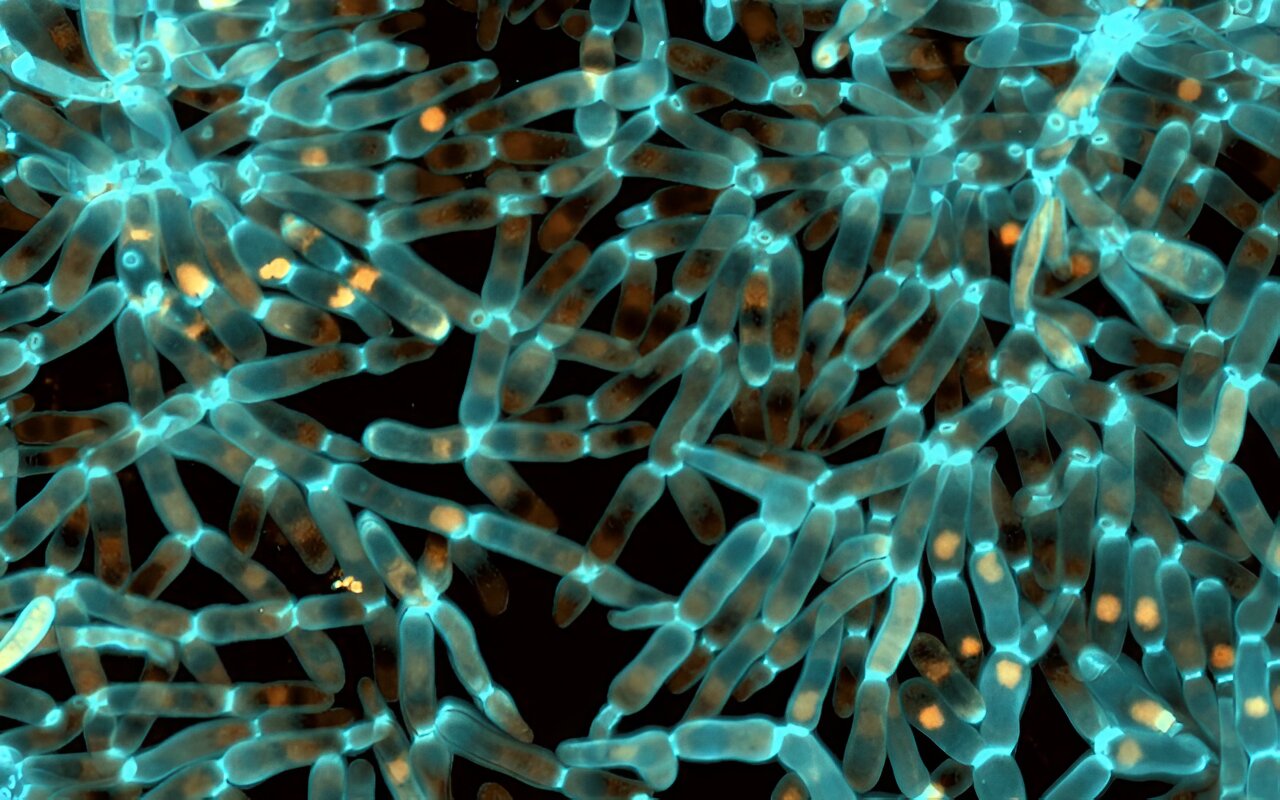
A new study led by researchers from the University of Helsinki and the Georgia Institute of Technology has discovered a mechanism driving the evolution of multicellular life, highlighting the role of altered protein folding. Through experimental evolution with laboratory yeast, the study found that changes in protein folding, particularly the expression of the chaperone protein Hsp90, played a crucial role in the evolution of novel multicellular traits, such as the development of robust bodies in snowflake yeast. This research emphasizes the significance of non-genetic mechanisms in driving rapid evolutionary change and provides insights into the complex nature of evolutionary adaptations.

science1 year ago

"Uncovering the Universal Code for Cell Membrane Formation"

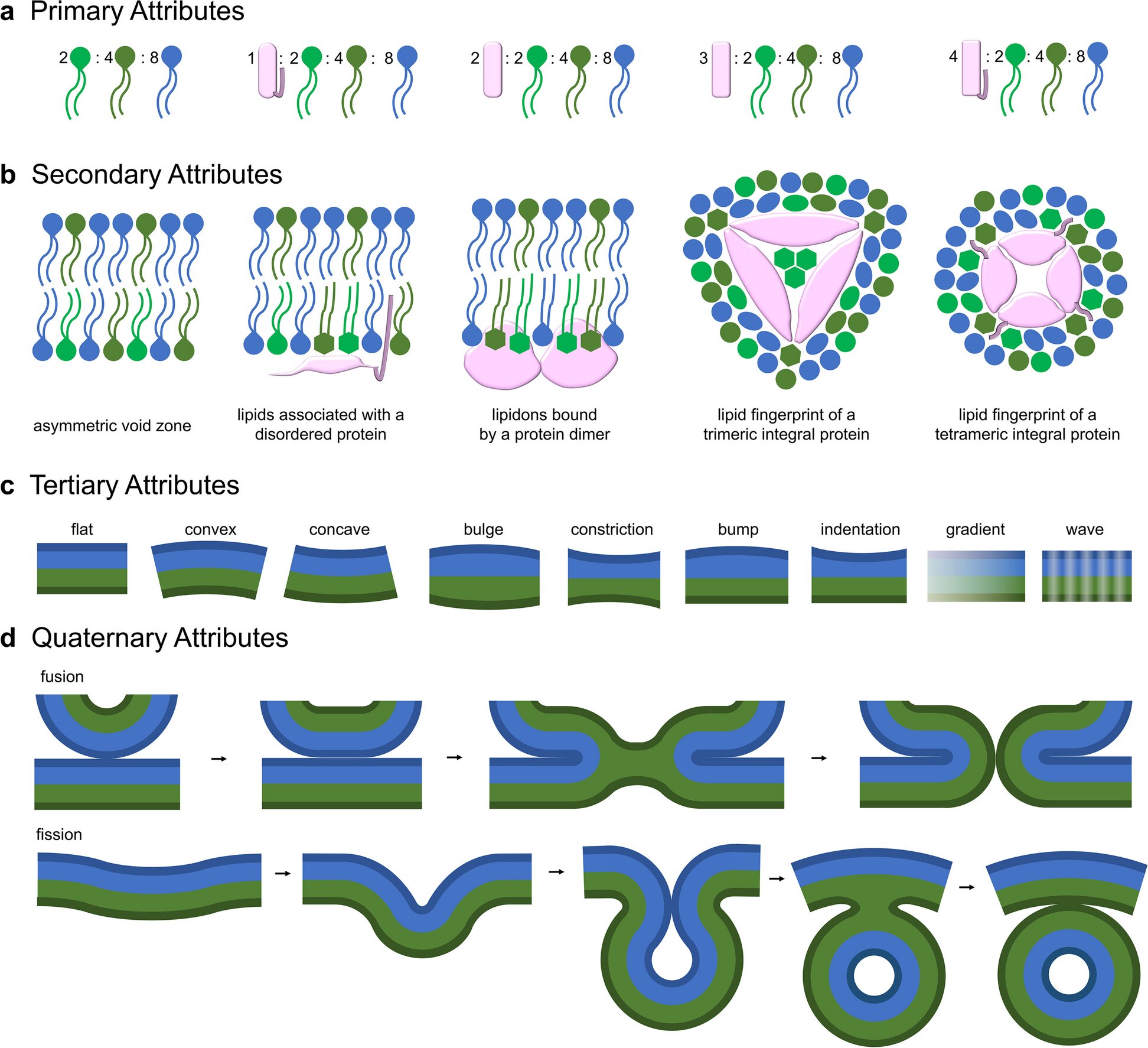
Researchers at the University of Alberta have discovered a universal code that guides the binding of proteins with lipids to form cell membranes, representing a conceptual revolution akin to the discovery of the genetic code. This proteolipid code could aid in understanding fundamental biological processes and help in drug development for diseases caused by proteins interacting incorrectly with membranes. The team's findings suggest four levels of membrane structure and introduce the concept of "lipidons" to describe the rules for how sets of lipids interact with proteins to form different membranes.

science1 year ago

"The Evolutionary Impact of an Ancient Virus on Brain Complexity"

A study published in Cell suggests that complex nervous systems in vertebrates, including humans, may have arisen from ancient viral infections that inserted genetic code into their genomes. The inserted code helped produce myelin, a protective sheath around nerve cells that speeds up signal transmission, enabling the evolution of complex neural networks. This viral DNA, comprising about 8% of the human genome, has been repurposed for various functions, including forming the placenta and regulating hormone levels. The process of infection, repurposing, and transformation continues, highlighting the dynamic nature of evolution.

science-and-technology1 year ago

"Designing a Dual-Purpose DNA Nanoparticle for Drug Delivery and Therapy"

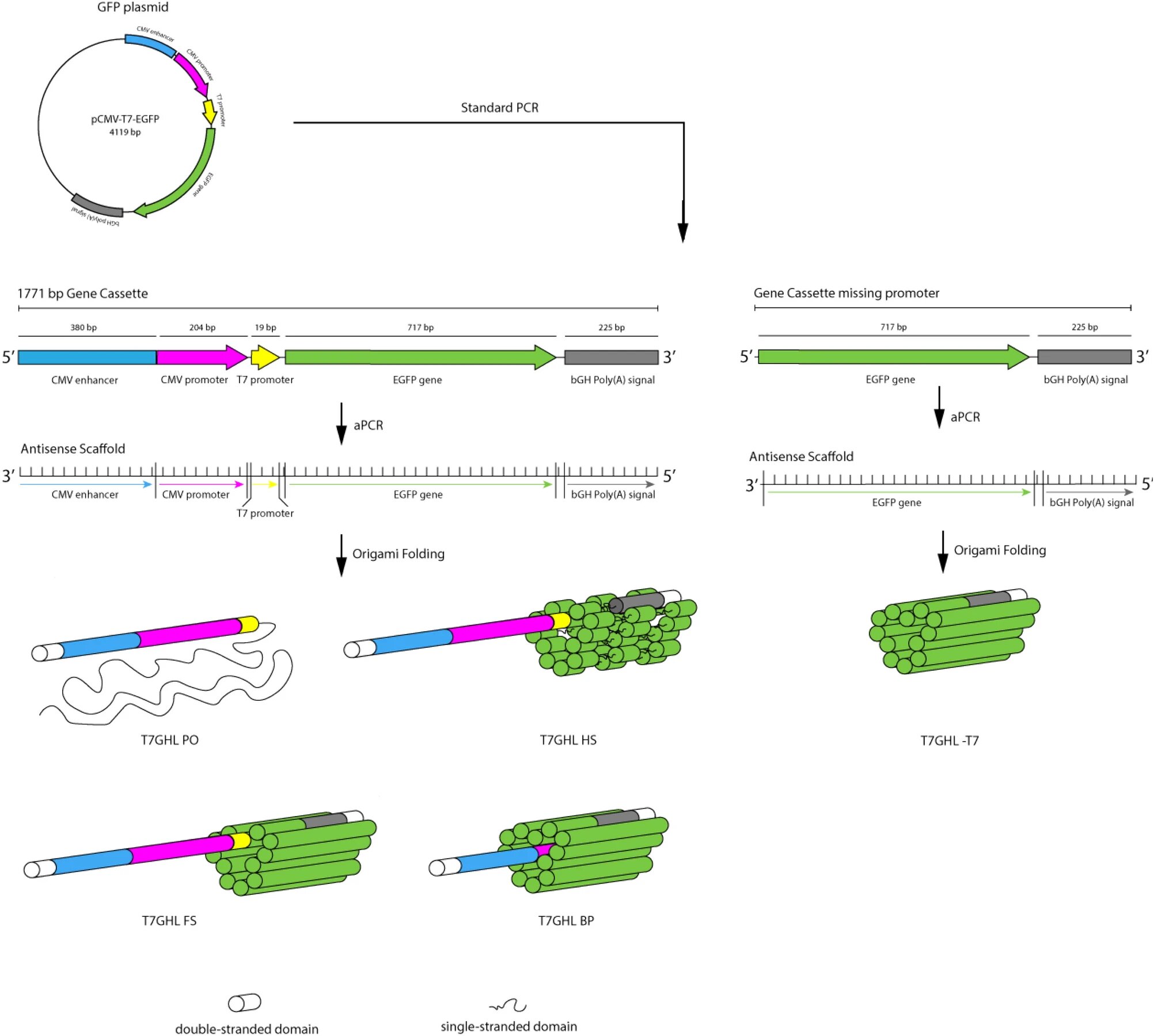
Researchers at Iowa State University have developed DNA nanoparticles capable of expressing genetic code, potentially serving as both carriers and medicine. By manipulating DNA strands, the scientists have shown that these nanoscale materials can convey built-in genetic instructions, opening up possibilities for targeted delivery systems in fields such as cancer therapy. The DNA nanoparticles are easy to make, inexpensive, and durable, with the potential for precision in gene editing and the ability to self-assemble without special equipment.

science1 year ago

"Unveiling the Enigmatic Microbial Entities Inside the Human Gut"

Researchers have discovered a new class of virus-like lifeforms, called Obelisks, living inside the human body, particularly in saliva and the gut. These microscopic structures have no known structural similarities to any other biological agents and are prevalent in the human microbiome. They exist within bacteria and contain genetic codes for a new class of protein called Oblins, but their impact on humans remains unknown. This discovery may provide insights into how simple genetic molecules are linked to more complex ones.

health2 years ago

"Optimizing mRNA Vaccines: Insights from Covid Study"

UK scientists suggest that the mRNA technology used in Covid vaccines could be fine-tuned for greater accuracy. The researchers found that about one in three people may experience a harmless "slip" error when the body reads the genetic code in the vaccine. While existing mRNA vaccines are effective and safe, future ones could be optimized to fight more diseases, including cancer. By making a simple tweak to the code, these errors could be eradicated without affecting the desired protection against dangerous diseases. The study highlights the importance of understanding and updating mRNA technology for future safety and efficacy.

science-and-technology2 years ago

"Revolutionizing Antibiotic Development: Neanderthal DNA Unleashes New Solutions"

Scientists from the University of Pennsylvania have discovered a potential new kind of antibiotic by tapping into the genetic code of Neanderthals. Using artificial intelligence, they identified neanderthalin-1, a peptide synthesized from Neanderthal DNA, which showed promising results in fighting bacterial infections in mice. While still in the early stages of research, this discovery highlights the potential for innovative antibiotics by combining ancient genetic insights with modern AI technology. However, further studies are needed to determine its effectiveness in humans and the potential for pathogens to develop resistance.

biology2 years ago

Parasitic Worm Manipulates Host's Genes for Mind Control

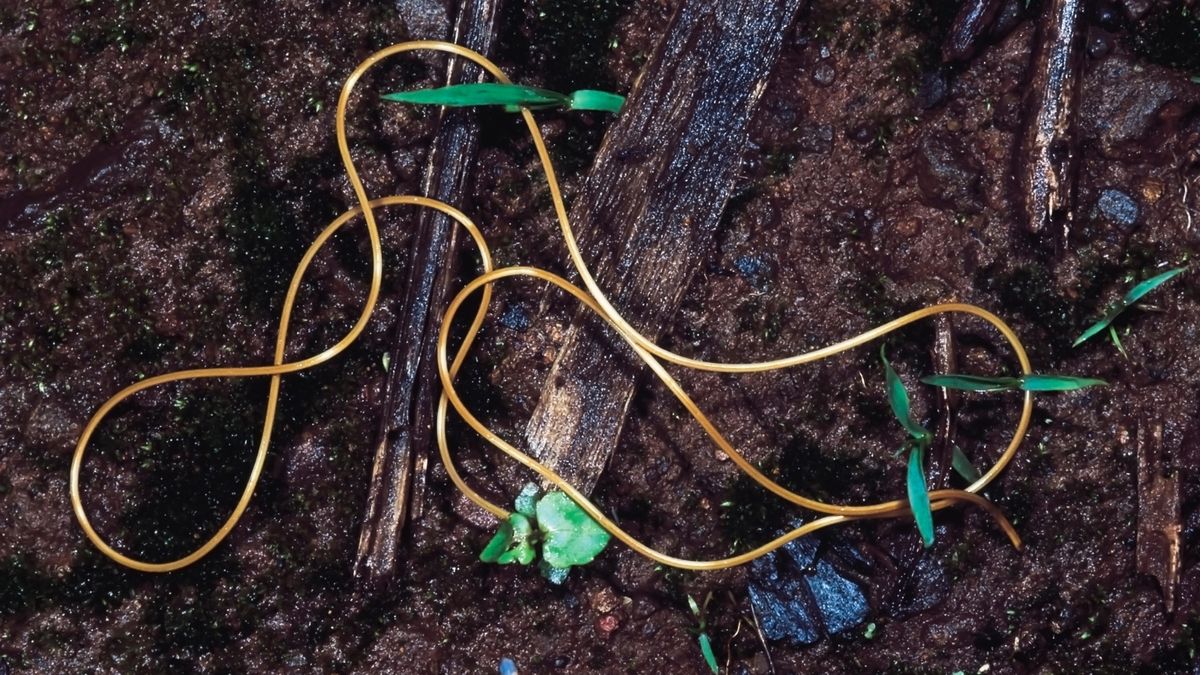
Scientists have discovered that parasitic horsehair worms, which manipulate their praying mantis hosts to walk into water and drown themselves, steal their hosts' genetic code to control their minds. By using a molecule that causes the mantises to march towards light shimmering off water, the worms hijack their hosts and eventually free themselves. The researchers found that the worms change the expression of thousands of their own genes, while the mantises' gene expressions remain unchanged. This suggests that the worms use the mantises' genes to make their own proteins, acquired through horizontal gene transfer. The study provides insights into the mechanisms of host manipulation and evolutionary adaptation.

health2 years ago

Understanding the Unique Nature of Childhood Cancer

Cancer in children differs from cancer in adults due to the unique dynamics of cellular collaboration and genetic code in developing tissues. While adult cancer arises from the gradual accumulation of genetic errors, pediatric cancer often results from large-scale rearrangements or silencing of the genetic code. Children have robust safeguards against cancer, but certain heritable genetic mutations or spontaneous alterations can lead to its development. Pediatric cancer is more invasive and aggressive, requiring tailored treatment approaches that consider the growth and flexibility of children's cells. Applying evolutionary principles to cancer treatment, such as extinction therapy and adaptive therapy, can help overcome treatment resistance and improve outcomes for children with cancer.

science2 years ago

Pond-Dwelling Organism Rewrites DNA Rules

Scientists have discovered a new species of protist, Oligohymenophorea sp. PL0344, in a pond at Oxford University Parks, which has a unique divergence in its genetic code. Unlike other organisms, this protist translates the stop codons TAA and TAG into two different amino acids, breaking the previously known rules of gene translation. The discovery could inspire future genetic discoveries and highlights the variability and complexity of protists.