The article discusses the potential of Ozempic (semaglutide), a drug primarily used for diabetes and obesity, to treat early-stage Alzheimer's disease, highlighting upcoming clinical trial results that could signal a breakthrough in Alzheimer's treatment.

Kang-Chun Cheng reports on Andrew Ochieng, a community health worker in East Africa who fights visceral leishmaniasis, a deadly parasitic disease spread by sandflies, through diagnosis, treatment, and community education, highlighting the challenges and progress in combating this neglected disease.
Eric Topol's book discusses cutting-edge medical approaches to extend healthspan and treat age-related diseases, highlighting promising therapies like mRNA technology, CRISPR, stem cells, and GLP-1 agonists, while emphasizing lifestyle factors and the need for broader adoption of diagnostic tools. Despite funding cuts, these innovations could significantly transform aging and health management.
Researchers have discovered that wisdom teeth contain valuable stem cells in their pulp, which can be used to treat various diseases such as Parkinson's, Alzheimer's, and heart failure. These cells are easy to harvest during routine extraction, pose minimal ethical concerns, and could revolutionize personalized regenerative therapies, making dental stem cell banking a promising medical resource.
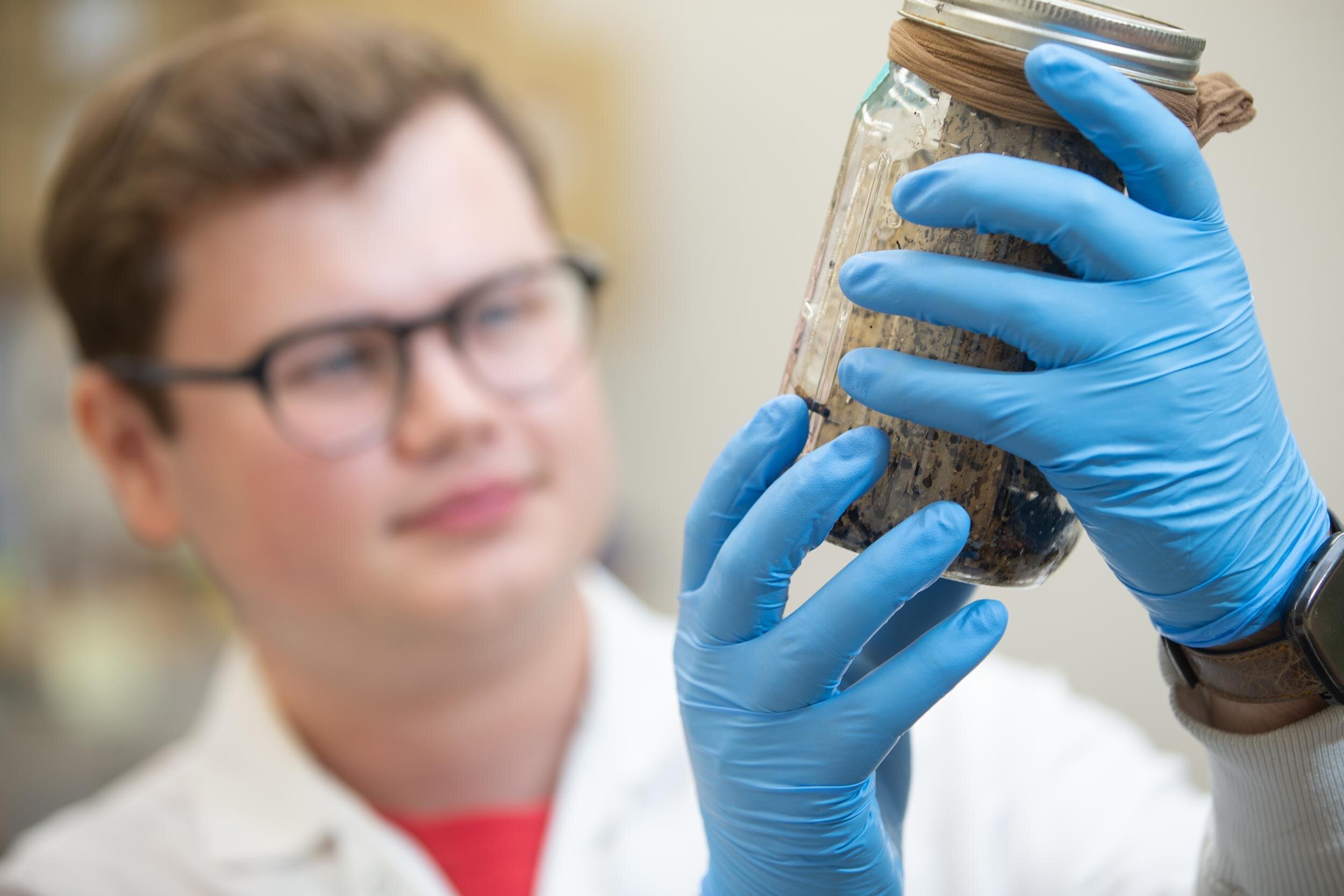
Researchers at the University of Cincinnati are studying the lifecycle of the parasite causing Chagas disease to identify vulnerabilities that could lead to new treatments, aiming to interrupt its survival mechanisms and combat this often silent and deadly illness.
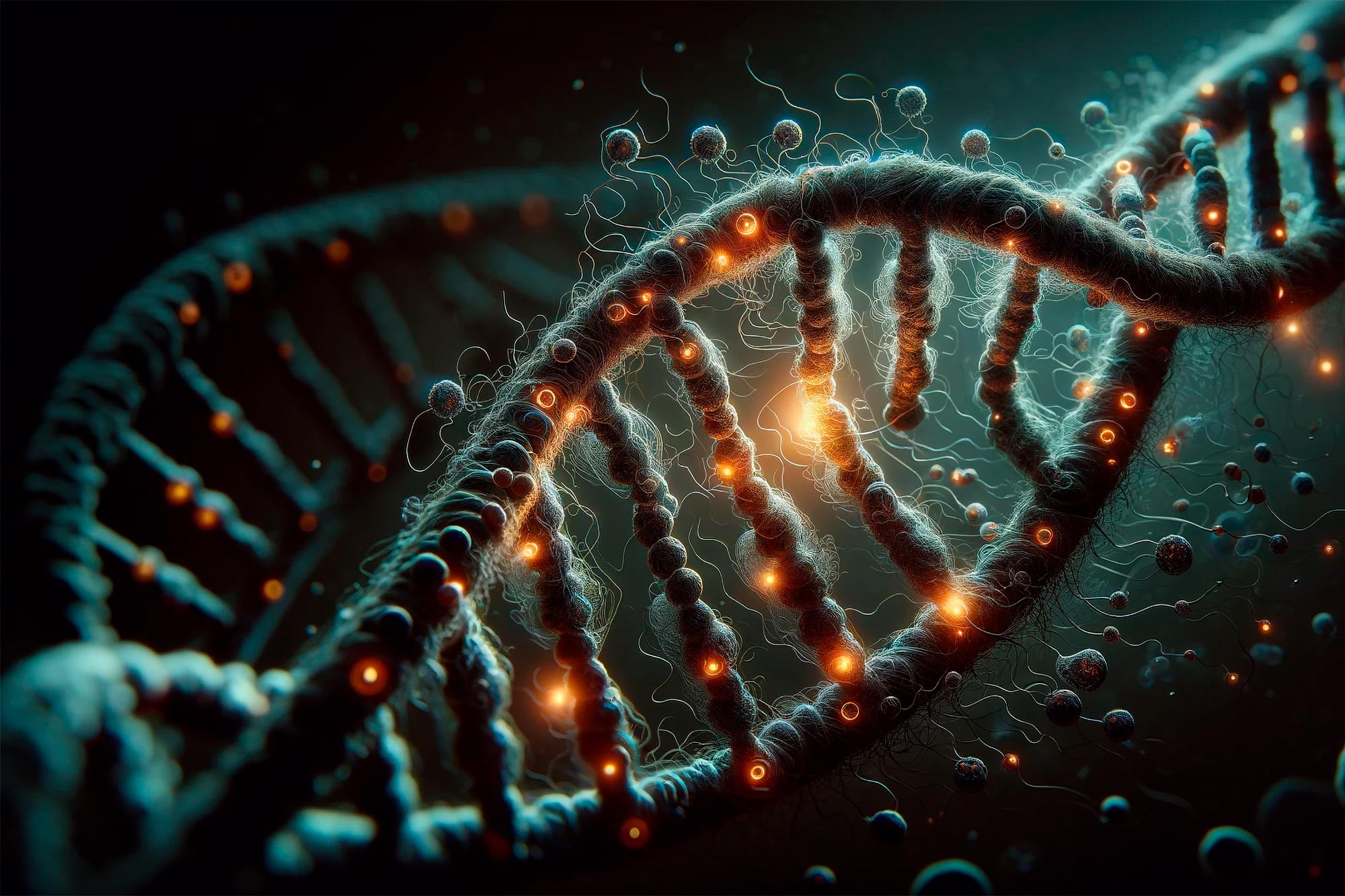
Researchers have made a breakthrough in understanding LINE-1, an ancient genetic element found in the "dark genome" that is associated with various diseases. The study provides high-resolution images and structural details of LINE-1 and its reverse transcriptase enzyme, revealing similarities to HIV-1 reverse transcriptase. This discovery opens up potential pathways for targeted drug development and treatment of diseases such as cancer, autoimmune disorders, neurodegeneration, and aging.
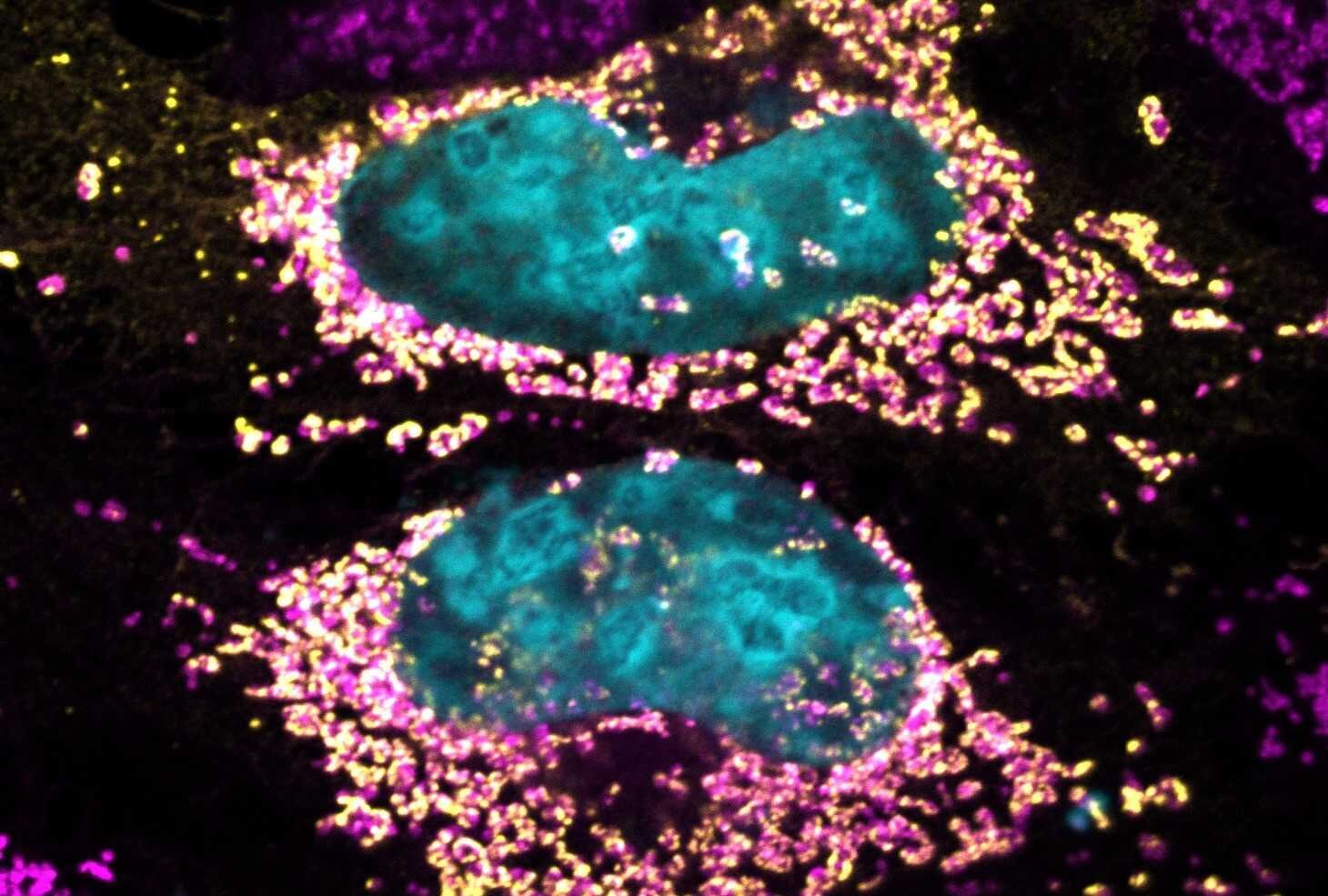
Researchers have discovered a bacterial protein, called mitochondrial coxiella effector F (MceF), released by the bacterium Coxiella burnetii, which can improve mitochondrial function and keep human cells healthy even when heavily burdened by bacteria. The protein interacts with an antioxidant enzyme in the mitochondria, promoting an anti-oxidizing effect that prevents cell damage and death. This finding could lead to new treatments for diseases related to mitochondrial dysfunction, such as cancer and auto-immune disorders.
Scientists have mapped over 3,000 types of brain cells as part of a human brain atlas, allowing researchers to understand how the human brain differs from other animals and how it changes over time. The map could lead to improved treatments for brain disorders such as Alzheimer's and depression by providing insights into the effects of DNA variations on individual brain cells and identifying vulnerable or affected cells. This research is just the beginning, with more types of brain cells expected to be discovered and a deeper understanding of their functions and interactions.
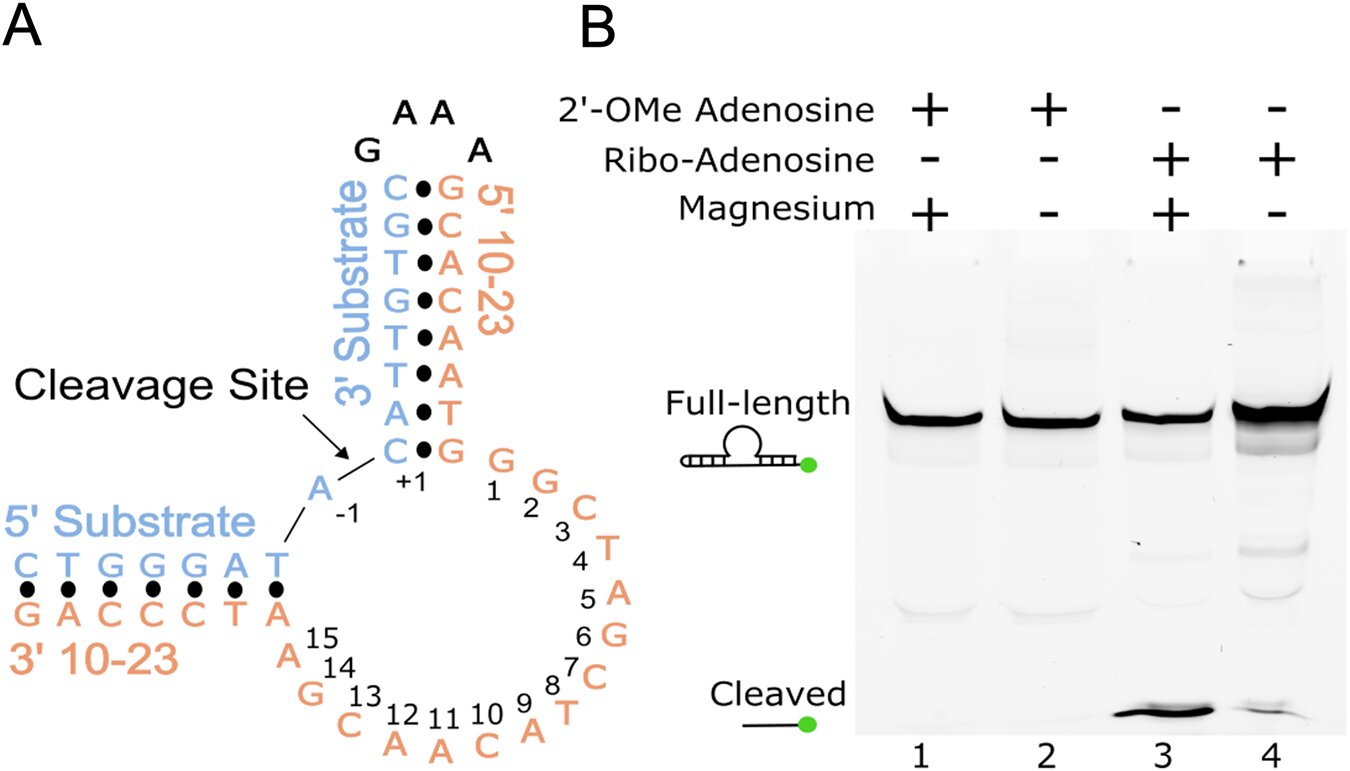
Researchers at West Virginia University have successfully captured the atomic view of synthetic DNA, known as DNAzymes, which have scissor-like functions. By understanding the structure and catalytic abilities of these synthetic DNA molecules, scientists hope to develop new technologies for medical diagnoses and treatments. The findings provide insights into how chemically active DNA can promote unique functions and pave the way for advancements in health and diagnostics. The researchers aim to improve the efficiency of the technology for potential applications in treating diseases such as retinal degeneration and cancer.
Researchers from UNSW Sydney have fully delineated the process of methylation, a key cellular procedure involving the addition of a ‘tagging’ methyl group to proteins, DNA, and other molecules, influencing cellular behavior and protein synthesis. This landmark study proposes a nearly complete picture of the methylation system, paving the way for new inquiries into the overall system function and potential applications in areas like baking, brewing, biofuel production, and disease treatment.
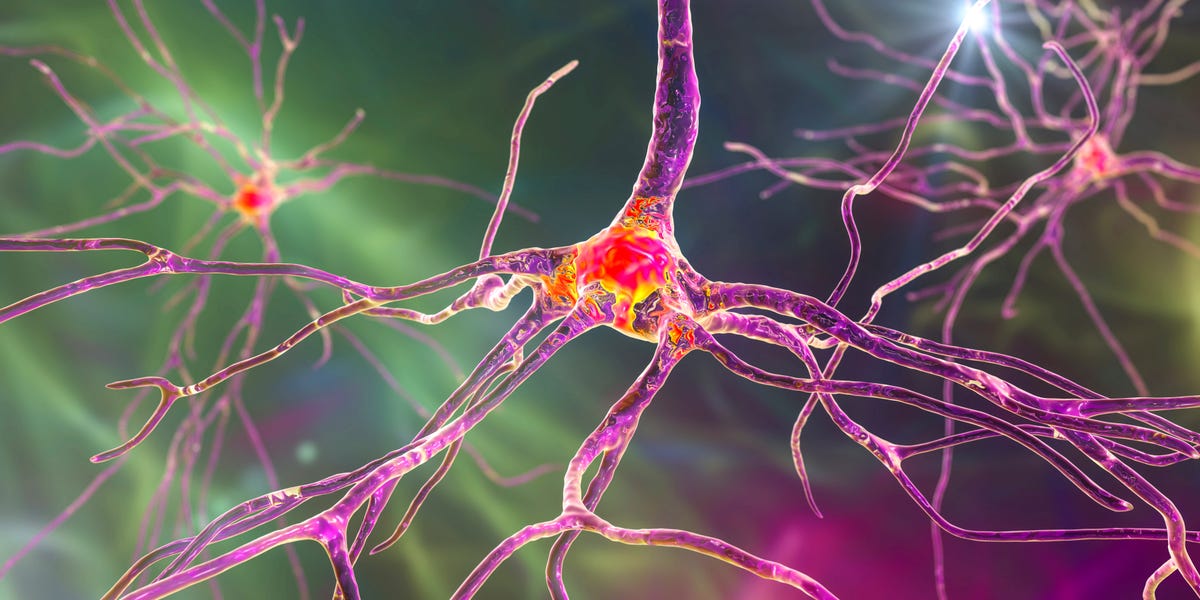
Neurons in the hippocampus vary in function depending on their exact genetic identity. The study revealed these neurons, once believed to be homogeneous, are quite diverse and encode task-related information differently based on their location. This newfound understanding of neuronal diversity could lead to better comprehension of brain functions, memory capacity, and potentially advance disease treatment strategies.