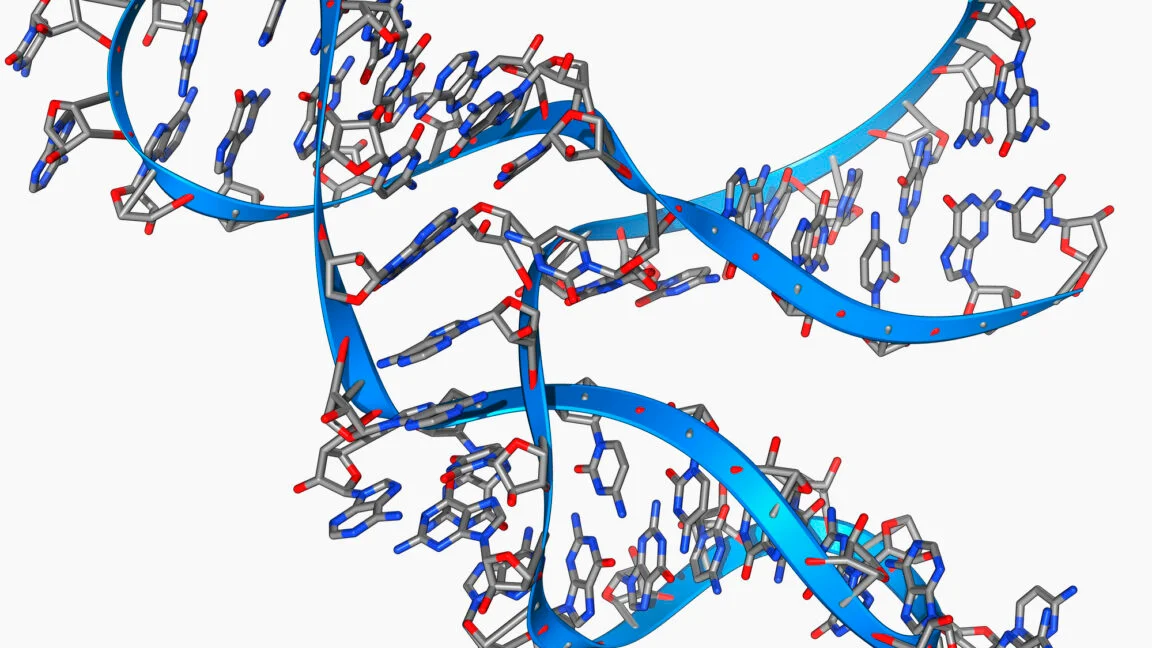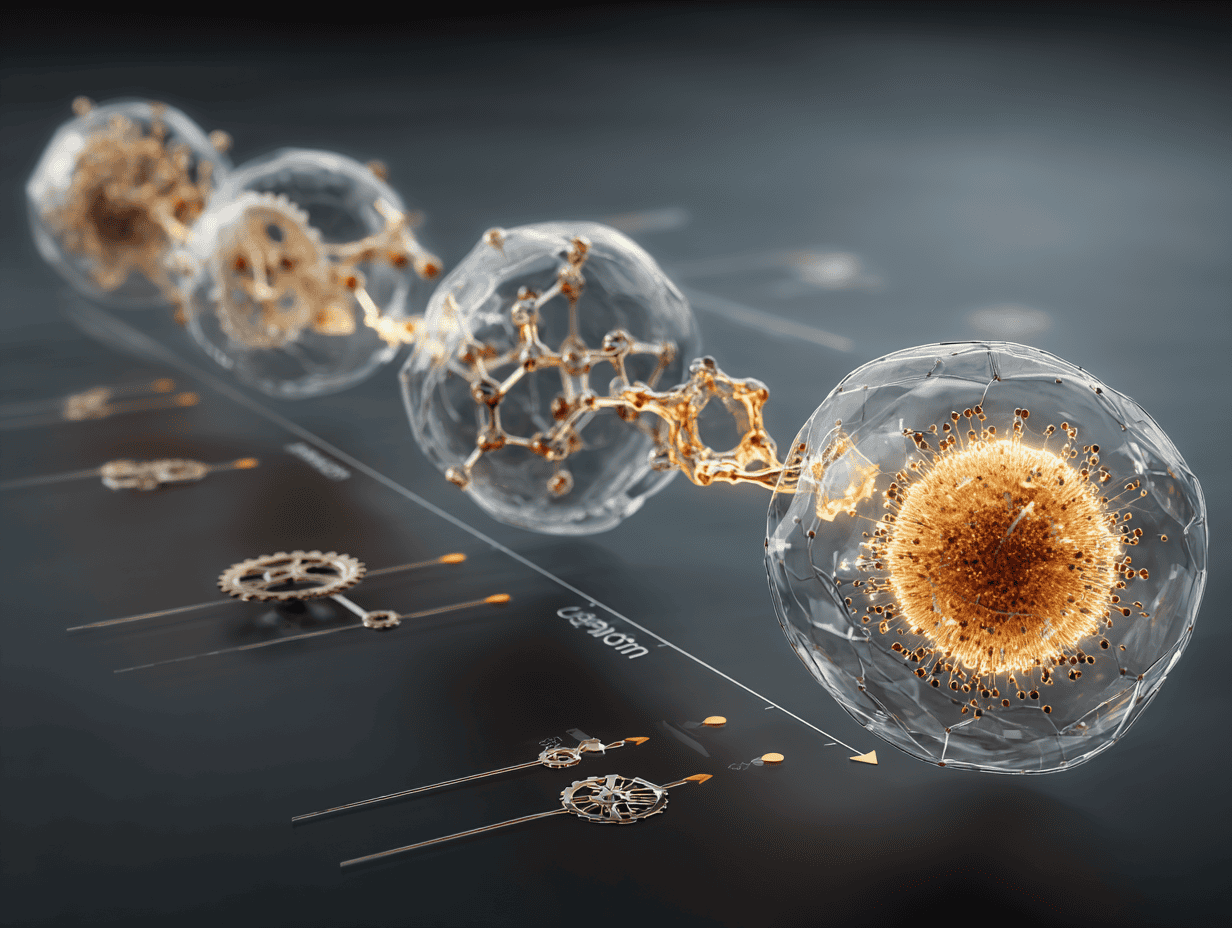
New experiments support the 'RNA world' hypothesis by demonstrating how RNA could have formed on early Earth, with borates playing a beneficial role in stabilizing RNA components, suggesting a plausible pathway for the origin of life around 4.3 billion years ago, possibly delivered by asteroid impacts.
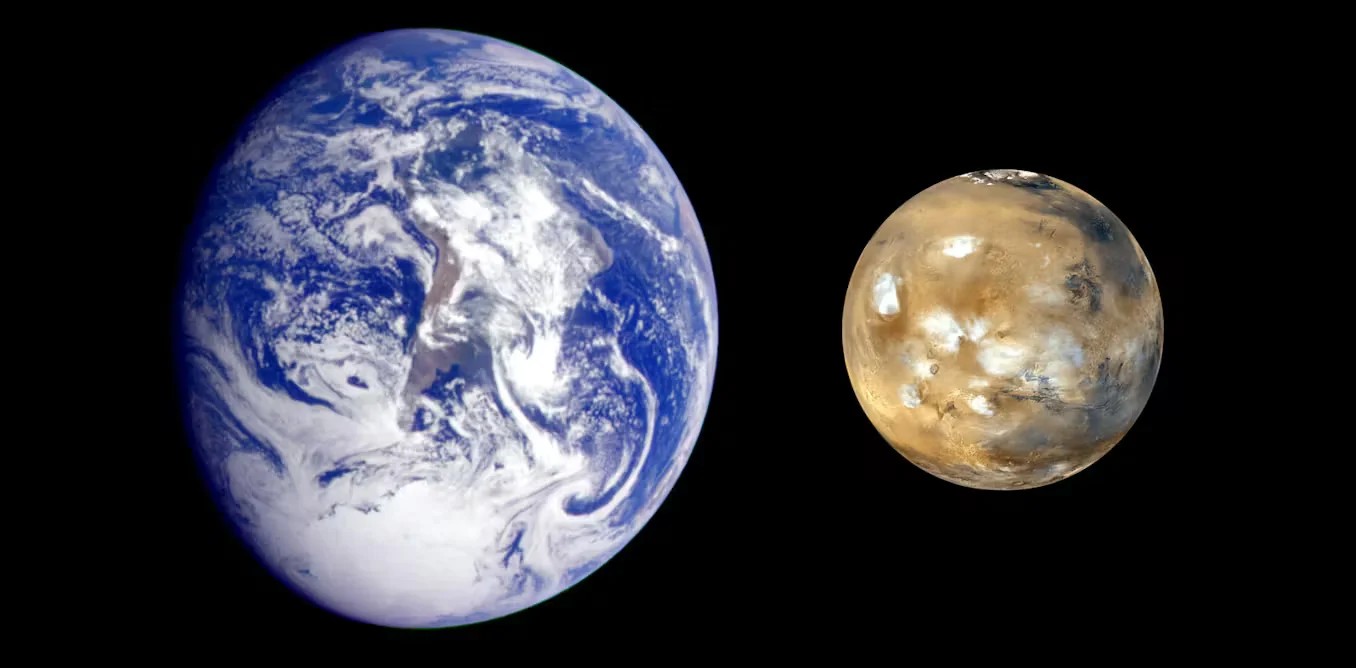
The article explores the hypothesis that life on Earth may have originated from microorganisms on Mars, which could have been transported via meteorites. It discusses the timing of planetary formation, early conditions on Mars and Earth, and the challenges of microbial survival during space travel, ultimately questioning whether Earth’s life could have come from Mars or if it originated independently on Earth.
Chemist John Sutherland explains that life's origins are plausible through natural chemistry involving simple molecules like hydrogen cyanide, challenging the idea that life requires a miracle, and suggests that life could be common in the universe if the right chemical conditions are met.
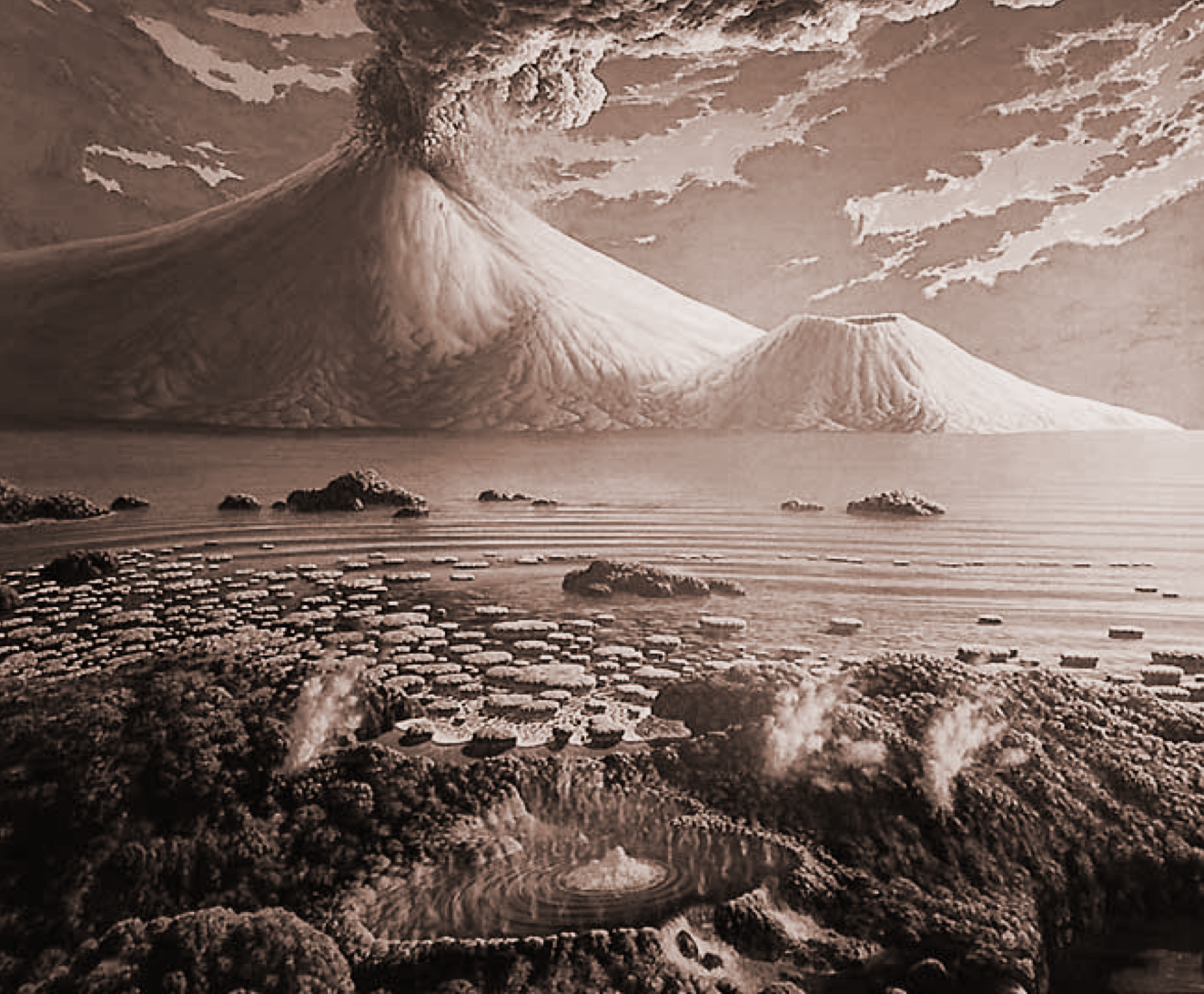
Scientists have identified the last universal common ancestor (LUCA) of all life on Earth, dating it to around 4.2 billion years ago. LUCA was a complex, cellular organism that thrived in hot, oxygen-free environments using hydrogen-based metabolism and had early immune systems, indicating rapid evolution of life shortly after Earth's formation.
New research pushes back the timeline of LUCA, the last universal common ancestor, to about 4.2 billion years ago during Earth's Hadean Eon, suggesting life was active and evolving in extreme conditions much earlier than previously thought, with signs of primitive immune systems and environmental interaction.
A new study suggests that the Last Universal Common Ancestor (LUCA) of all life on Earth existed around 4.2 billion years ago, much earlier than previously thought, and likely had an early immune system, indicating that life was fighting off viruses from its very beginnings.
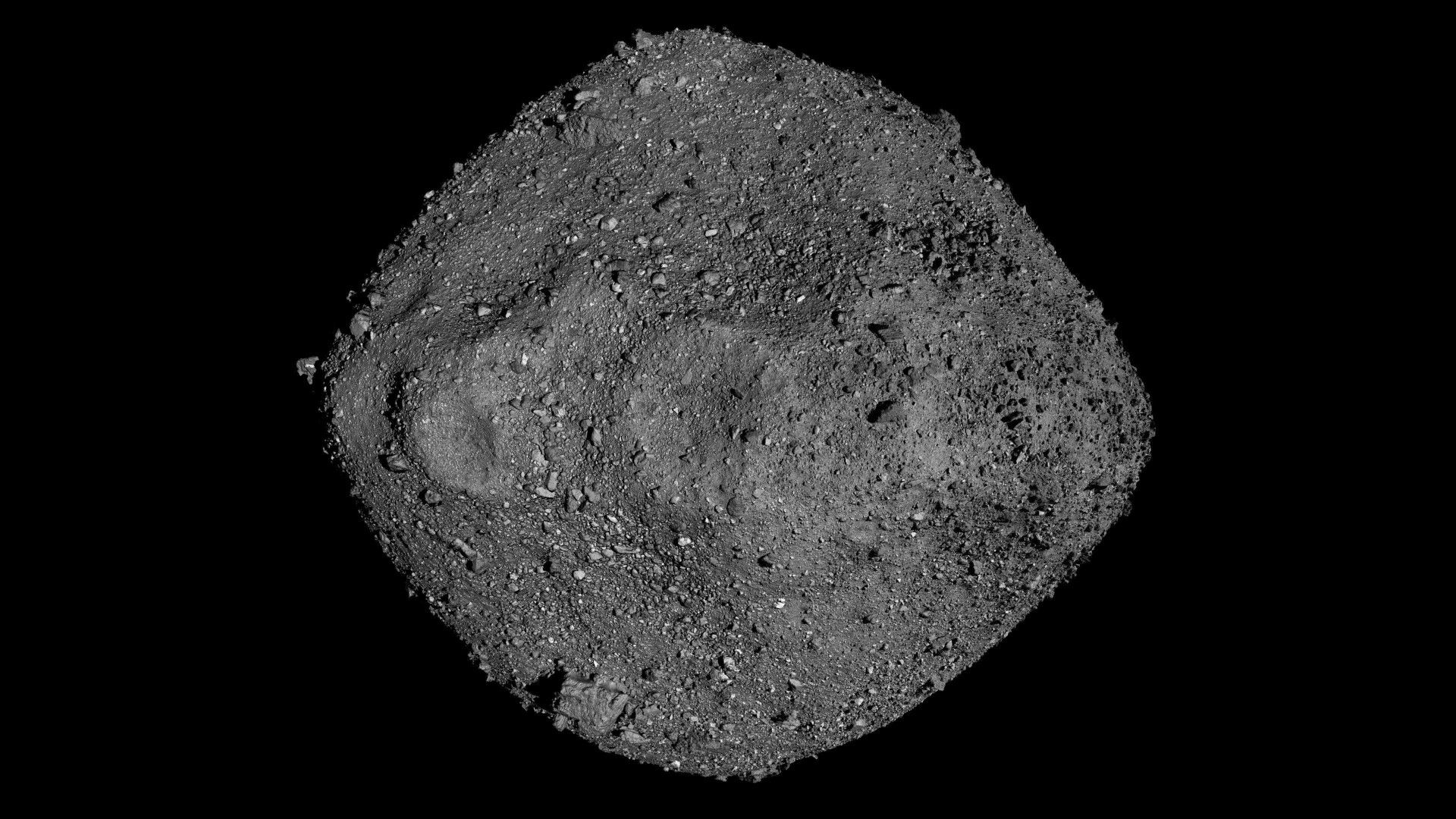
NASA's analysis of samples from asteroid Bennu revealed the presence of essential sugars like ribose and glucose, supporting theories about the origins of life and suggesting that key ingredients for life may be widespread in the solar system. Additionally, the samples contained a unique 'space gum' material and dust from ancient stars, providing insights into the early solar system's chemistry.
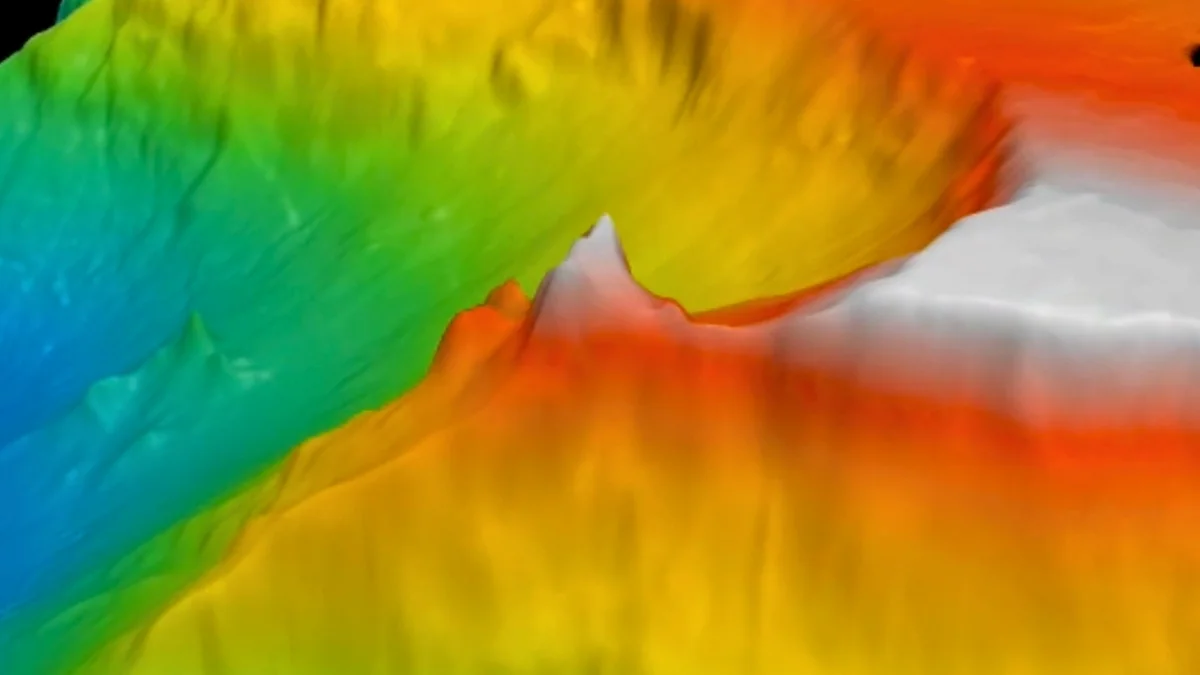
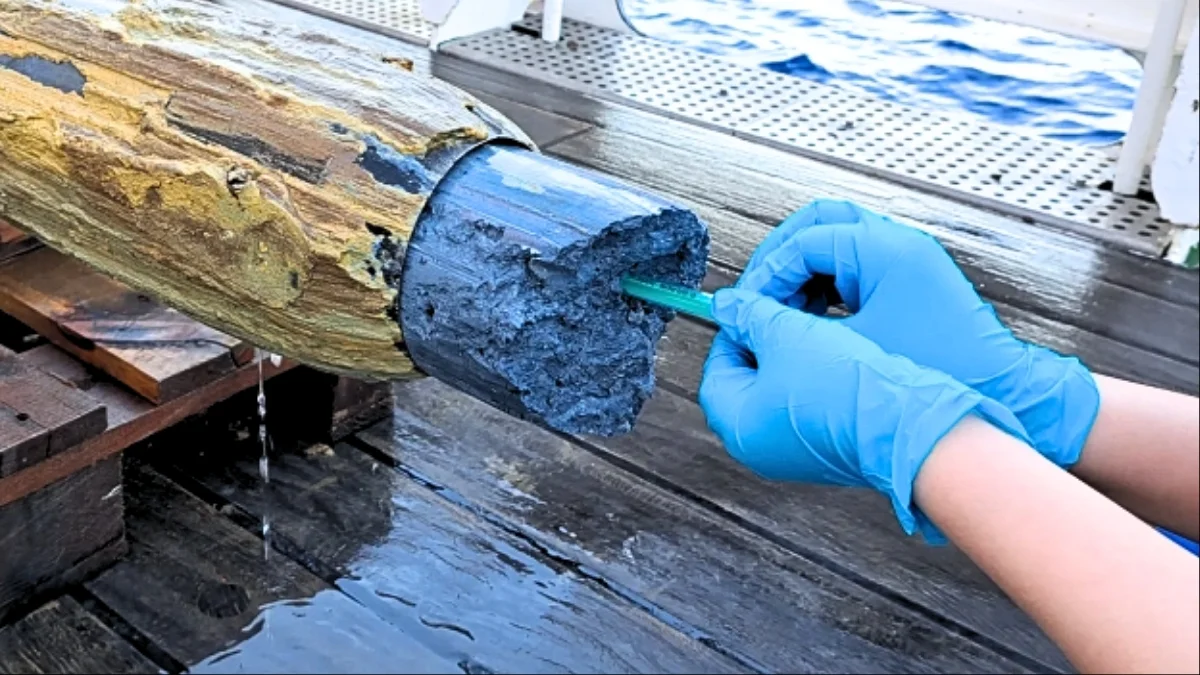
Scientists discovered signs of microbial life in a highly alkaline, blue volcanic goo beneath the Pacific Ocean near the Mariana Trench, providing insights into extreme habitats and potential origins of life on Earth.
Recent findings from NASA and Japan suggest that the building blocks of life, such as amino acids, may have been delivered to Earth via asteroids, supporting the panspermia theory that life or its ingredients could have originated elsewhere in the universe and been transported here, challenging traditional views on the origin of life.
Astronomers have found widespread organic molecules in space, including in comets, asteroids, and interstellar dust, suggesting that the ingredients for life were present in the early solar system and could have been delivered to Earth, influencing the emergence of life. This discovery highlights the deep space origins of life's building blocks but does not prove life began there.
A study by Robert G. Endres suggests that the spontaneous emergence of life on early Earth was extremely unlikely based on a new mathematical model, raising questions about whether natural processes alone can explain life's origin and considering alternative hypotheses like directed panspermia.
Scientists recreated ancient ocean conditions in the lab, demonstrating that natural gradients at hydrothermal vents could have driven the first chemical reactions of life, supporting the theory that life’s building blocks formed through inorganic processes powered by environmental energy, without the need for enzymes or organic molecules.
Scientists are revising their understanding of the emergence of genes and amino acids in early life, suggesting that the traditional model may underestimate the role of certain amino acids like tryptophan and the complexity of early genetic codes, which could have implications for searching for life on other planets like Saturn's moon Enceladus.
Scientists are reevaluating the order in which amino acids emerged in the origin of life, suggesting that early protolife may have included a broader range of amino acids than previously thought, which could reshape our understanding of life's beginnings on Earth and potentially elsewhere in the universe.
Scientists have discovered the Kunlun hydrothermal field near Papua New Guinea, which is over 100 times larger than the previously known Lost City system. This vast, hydrogen-rich underwater ecosystem offers insights into the origin of life through chemosynthesis and has potential as a renewable energy resource due to its significant hydrogen flux. Its unique location and features challenge existing assumptions about hydrothermal vent environments and open new avenues for research.