
AI-powered robot labs slash protein-synthesis costs, but humans still needed
TL;DR Summary
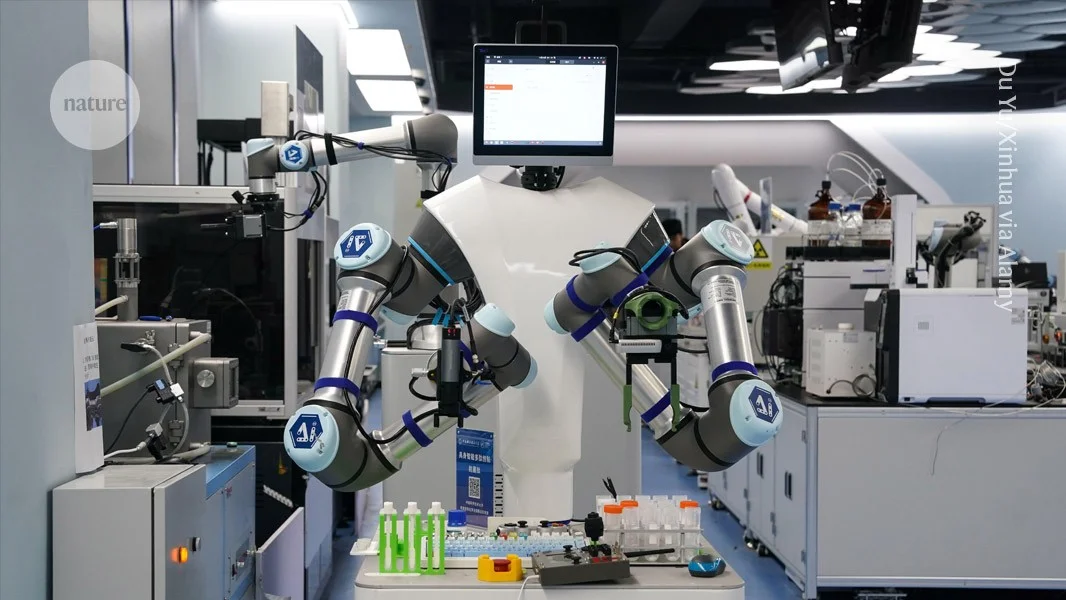
A collaboration between OpenAI and Ginkgo Bioworks used a GPT-5–driven autonomous lab to optimize cell-free protein synthesis, achieving a 40% further cost reduction beyond a human-led record and testing more than 30,000 conditions in six months. While the approach shows promise, current robots still lack dexterity for bespoke or tissue-related experiments, meaning human biologists’ expertise remains essential for future breakthroughs.
- Will self-driving ‘robot labs’ replace biologists? Paper sparks debate Nature
- Ginkgo co-founder Reshma Shetty on autonomous labs, AI-designed experiments and the human side of the equation R&D World
- Ginkgo Bioworks’ Reshma Shetty on Moving Biology Off the Bench AIM Media House
- 🦾 ChatGPT connected to robot lab and conducted 36,000 experiments to optimize protein production warpnews.org
- A team of scientists and GPT-5 beat a protein cost benchmark. Here’s who did what. R&D World
Reading Insights
Total Reads
0
Unique Readers
3
Time Saved
7 min
vs 7 min read
Condensed
96%
1,381 → 60 words
Want the full story? Read the original article
Read on Nature