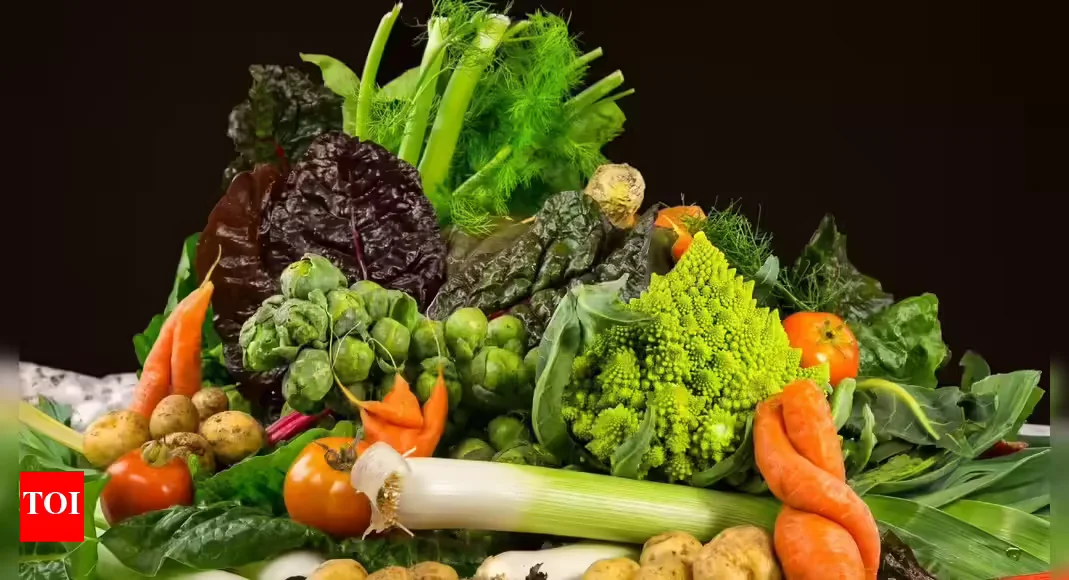
Cardiologist Dr. Andrew Freeman emphasizes that the best New Year's habit for 2026 is to focus on a strong lifestyle, including regular exercise and a predominantly plant-based diet, to prevent heart disease and improve overall health.
A large study shows that Mediterranean and plant-based diets can significantly reduce the risk of chronic constipation in aging adults, independent of fiber intake, highlighting the importance of healthy eating patterns for gut health beyond cardiovascular benefits.
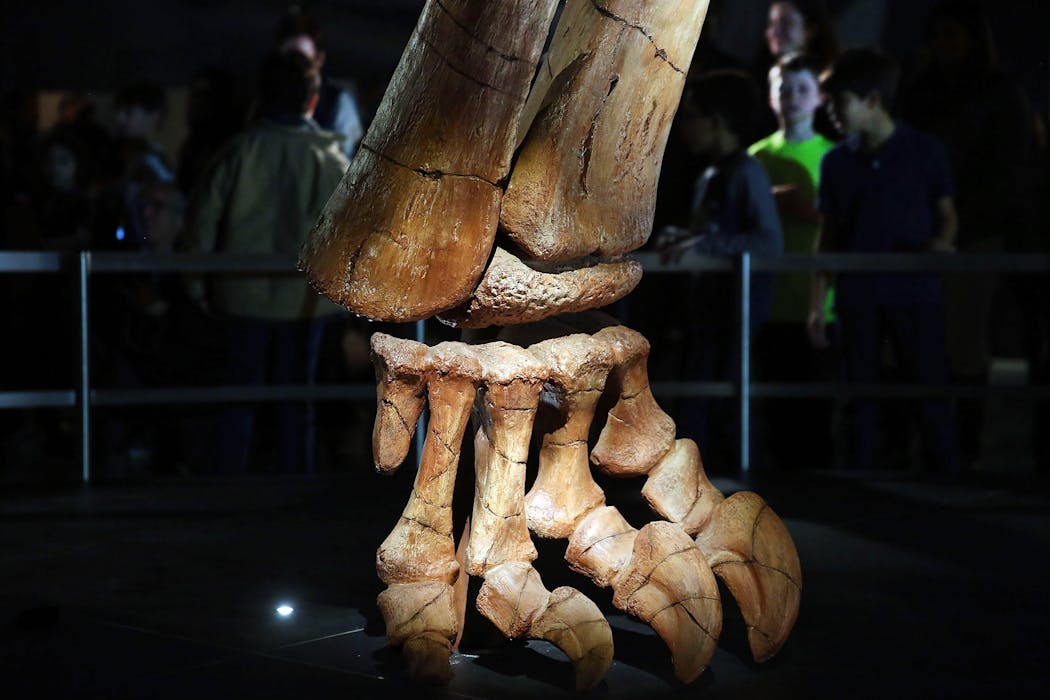
Titanosaurs, a diverse and successful group of sauropod dinosaurs, thrived for millions of years by merging reptile and mammal traits, growing rapidly, and feeding on abundant plants, until their extinction caused by an asteroid impact 66 million years ago.
Jeni Britton, founder of Jeni’s Ice Cream, advocates for prioritizing fiber intake for better health, sharing her personal journey of improved well-being through increased fiber consumption and launching a fiber-rich fruit bar line called Floura, which aims to promote gut health and overall wellness.
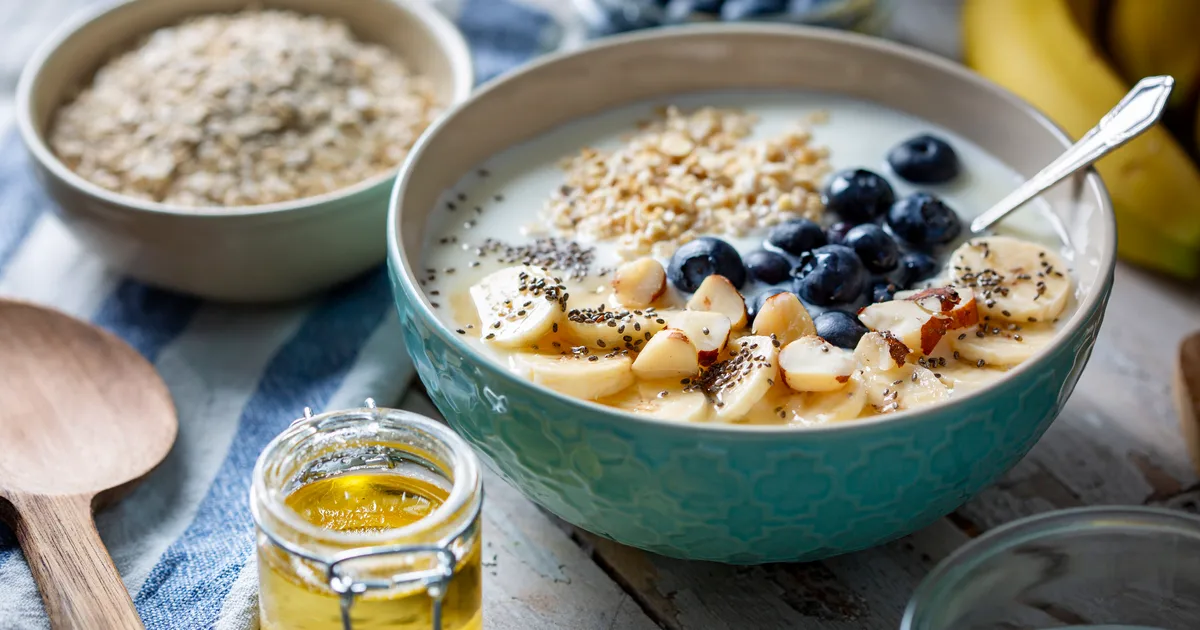
Eating a healthy diet can significantly increase lifespan, but some commonly perceived 'healthy' foods like overly processed meat alternatives, instant oatmeal, fruit juice, acai bowls, protein powders, and egg whites may actually harm longevity due to high sodium, added sugars, or lack of nutrients. Experts recommend focusing on whole, minimally processed foods and reading ingredient labels carefully to support long-term health.
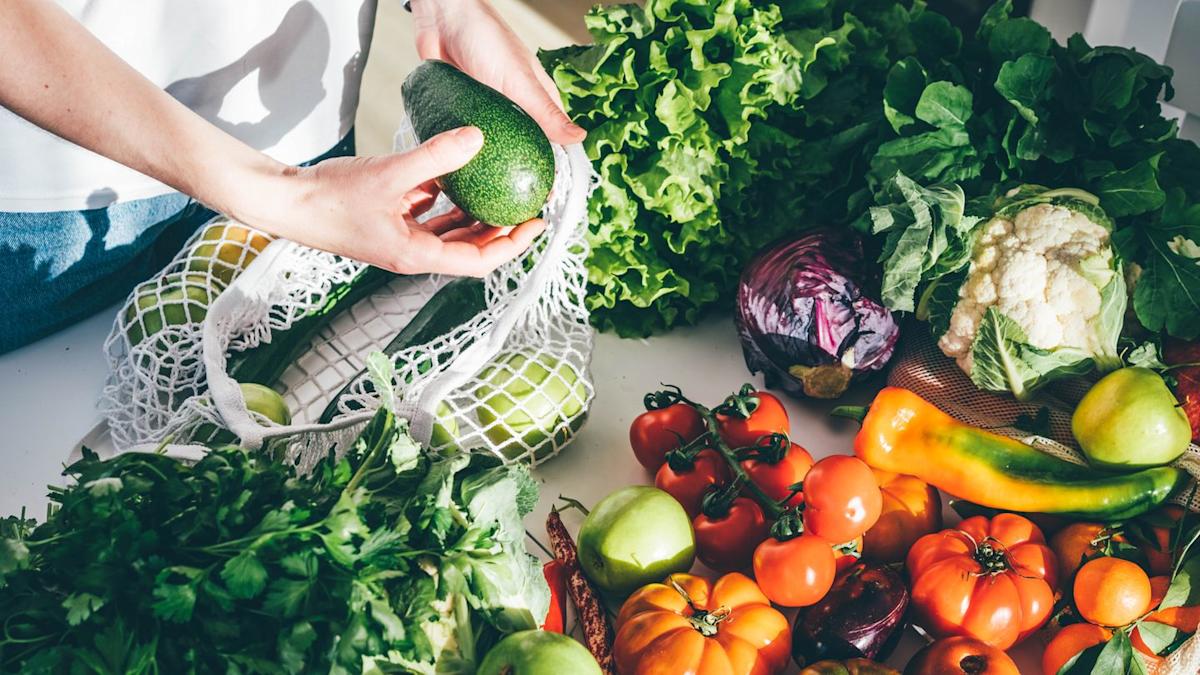
Research indicates that not all plant-based diets are beneficial for heart health; diets high in refined grains, processed foods, and sugars may increase heart attack risk, while whole, minimally processed plant foods like fruits, vegetables, and legumes support cardiovascular health. Experts recommend focusing on whole foods and healthy fats, such as those in the Mediterranean and DASH diets, rather than simply avoiding animal products.
A large review indicates that consuming 40-60 grams of cruciferous vegetables daily, such as broccoli, cauliflower, and kale, can reduce the risk of colorectal cancer by 20-26%, thanks to compounds like sulforaphane that support detoxification and reduce inflammation. Incorporating these vegetables into a balanced diet may significantly lower cancer risk, especially when combined with other healthy lifestyle habits.
Climate journalist Graihagh Jackson explores how to balance a healthy, child-friendly diet with environmental sustainability, emphasizing the benefits of plant-rich diets and the challenges of ensuring proper nutrition for children, especially regarding animal products and nutrient intake.
The article discusses the common digestive issues, like 'protein farts,' experienced when transitioning to a plant-based diet, explaining that these symptoms are signs of beneficial gut bacteria adapting to increased fiber and plant proteins. It emphasizes gradual dietary changes, traditional cooking methods, and cultural practices to reduce gas, and highlights that these symptoms are temporary and part of a positive microbiome transformation, ultimately leading to better digestion and health.
A small study suggests that a low-fat vegan diet, including processed plant foods and soy, can significantly reduce hot flashes in menopausal women, with a 92% decrease observed after 12 weeks. The research challenges the notion that only minimally processed plant foods are effective and highlights the potential benefits of incorporating more plant-based foods into the diet for menopausal symptom relief. However, it also emphasizes the importance of balanced nutrition and consulting healthcare professionals for personalized advice.
Adopting a vegan, plant-based diet can significantly reduce the risk of various cancers and improve overall health by increasing fiber intake, reducing inflammation, and supporting immune function, despite common inconveniences and habits that hinder such dietary shifts.
The article highlights ten millennial habits that contribute to a youthful appearance and healthier aging, including prioritizing sleep, protecting skin with SPF, moving intentionally, eating plant-based foods, staying hydrated, nurturing friendships, lifelong learning, managing stress, curating digital consumption, and celebrating play. Adopting these modest habits can help one look and feel younger, emphasizing that consistent small changes lead to long-term benefits.
The article explains how the brain suppresses empathy to reconcile loving animals with eating meat, highlighting psychological mechanisms like moral disengagement and cultural beliefs such as carnism. It discusses the environmental, health, and ethical impacts of meat consumption and offers practical steps to reduce meat intake while maintaining cultural and emotional connections to food, emphasizing that empathy can be strengthened over time.
A study from Mass General Brigham found that Mediterranean and plant-based diets may help prevent chronic constipation in middle- and older-age adults, independent of fiber intake, highlighting the importance of healthy eating patterns for gut health beyond cardiovascular benefits.
The article debunks common vegan food myths, emphasizing that not all vegan foods are healthy, plant-based meat substitutes can be highly processed, almond milk isn't the best dairy alternative nutritionally, increasing fiber suddenly can cause digestive issues, plant proteins vary in quality, and vegans may need supplements for certain nutrients. It encourages curiosity and informed choices for a balanced vegan lifestyle.