Long-term type 2 diabetes can cause red blood cells to become harmful, damaging blood vessels and increasing heart disease risk; microRNA-210 may serve as an early biomarker for identifying patients at higher risk of complications.
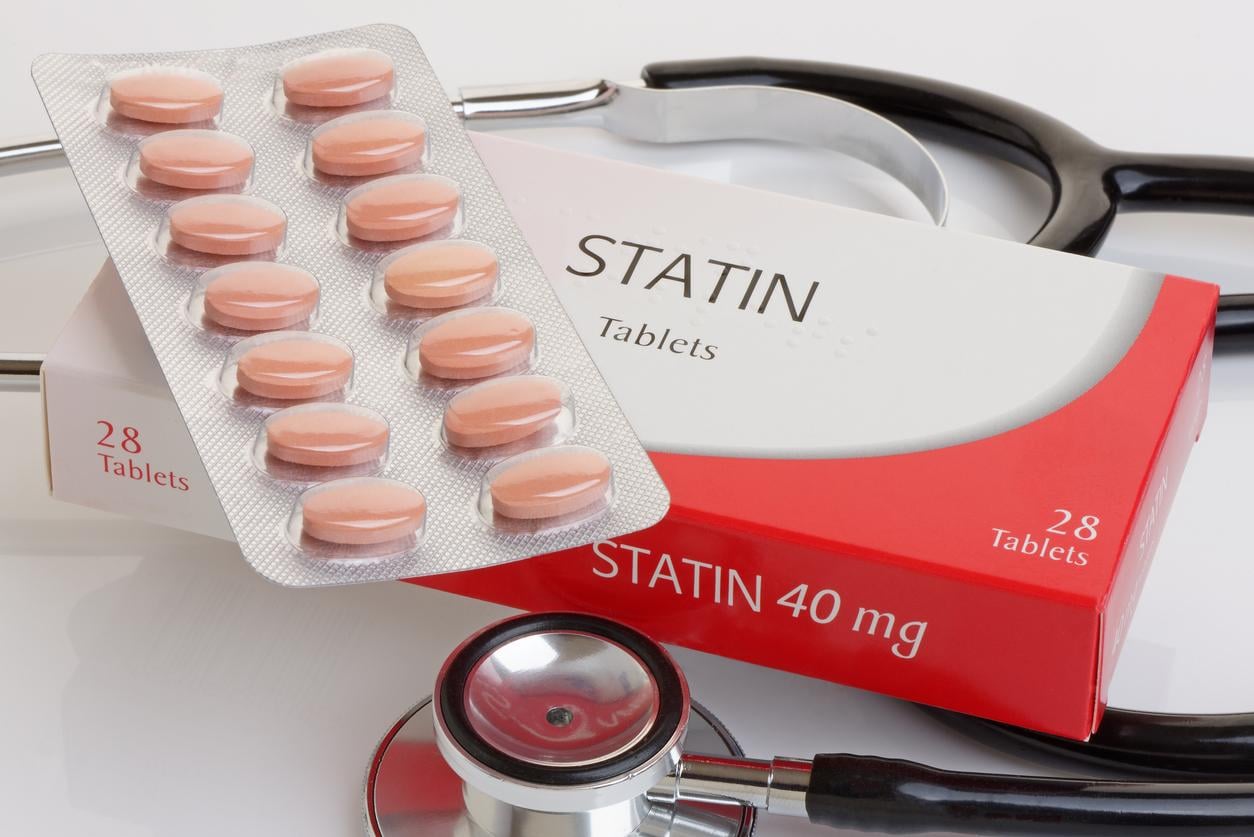
Statins are effective in reducing heart attack and stroke risk by lowering LDL cholesterol, with large clinical trials supporting their use, especially for high-risk individuals. While they have potential side effects like muscle issues and interactions with other drugs, most people tolerate them well. Lifestyle modifications such as diet and exercise are also crucial for managing cholesterol and cardiovascular risk, and treatment should be personalized based on individual risk factors and lifestyle.
Daily habits like cooking at home, drinking water instead of sugary drinks, eating fiber-rich foods, walking after meals, and practicing deep breathing can significantly improve heart health and reduce the risk of cardiovascular disease, according to Dr. Kunal Sood.
Recent studies suggest that erythritol, a common artificial sweetener, may increase oxidative stress, disrupt vascular signaling, and impair clot regulation in brain blood vessel cells, potentially raising the risk of stroke and heart attack, especially with high consumption. While approved and widely used, its long-term effects remain uncertain, prompting further research into its safety.
Statins are effective in reducing heart attack and stroke risk by lowering LDL cholesterol, with large clinical trials supporting their use, especially for high-risk individuals. While they have some side effects and drug interactions, most people tolerate them well. Lifestyle modifications like diet and exercise are also crucial and can sometimes delay or reduce the need for medication. Treatment should be personalized, balancing benefits and risks, with a focus on addressing broader lifestyle factors to combat heart disease.
A healthy man in his 50s experienced a stroke likely caused by excessive consumption of high-potency energy drinks containing high levels of caffeine, which led to high blood pressure and vascular constriction. Quitting energy drinks resulted in the normalization of blood pressure and full recovery, highlighting the potential cardiovascular risks associated with energy drink overconsumption.
A new American Heart Association scientific statement highlights the association between gum disease and increased risk of cardiovascular events, emphasizing that prevention and treatment of periodontal disease may help reduce cardiovascular disease risk, although causality has not been definitively established.
A decade-long study from King’s College London found that diets rich in polyphenol-containing foods like berries, tea, coffee, and whole grains are associated with slower progression of cardiovascular risk, supporting better long-term heart health.
Poor sleep quality, characterized by symptoms like loud snoring, gasping, waking unrefreshed, or experiencing a racing heart, can indicate underlying issues such as sleep apnea that may increase the risk of heart problems. Experts recommend maintaining regular sleep routines, getting morning sunlight, exercising, and creating relaxing pre-sleep habits to improve sleep and protect heart health.
A two-year study suggests that intensive treatment of gum disease through deep cleaning can slow artery thickening and improve blood vessel function, potentially reducing the risk of heart attacks and strokes by about 10% annually, highlighting the importance of oral health in cardiovascular prevention.
A recent study suggests that long-term use of melatonin supplements may significantly increase the risk of heart failure, with users experiencing up to a 90% higher risk over five years. The findings raise safety concerns about the widespread use of melatonin for sleep, emphasizing the need for further research to establish causality and explore underlying mechanisms. Medical experts recommend consulting healthcare providers for sleep issues and considering other treatments like sleep apnea testing before using supplements.
A recent observational study suggests that long-term use of OTC melatonin for insomnia may be associated with an increased risk of heart failure, hospitalization, and mortality, raising concerns about its safety for chronic use, especially in individuals with existing heart risk factors.
A five-year study of over 130,000 adults suggests that long-term melatonin use for insomnia may be associated with increased risks of heart failure and death, challenging its reputation as a safe sleep aid. The research found that regular melatonin users had a significantly higher likelihood of heart failure, hospitalization, and mortality, prompting calls for further investigation into its cardiovascular safety.
A recent study suggests that long-term use of melatonin supplements may be associated with an increased risk of heart failure hospitalization, raising safety concerns despite melatonin's common use for sleep. However, the findings are preliminary and more research is needed to establish causality.
New research shows that waist-to-height ratio is a more reliable predictor of heart disease risk than BMI, especially for individuals with a BMI under 30, by directly reflecting central obesity linked to cardiovascular issues.