After menopause, women can benefit greatly from strength training and balance exercises to maintain bone density, muscle mass, and prevent falls. The article emphasizes resistance exercises like weightlifting, bodyweight movements, and impact training, along with balance activities such as yoga or tai chi, as effective ways to stay healthy and strong post-menopause.
The NHS in England is launching a new online hospital service in 2027 focusing initially on nine conditions, including menopause, prostate, and eye issues, aiming to provide faster, more convenient care through the NHS app, with plans to expand to more conditions in the future. Experts question staffing and funding, and highlight existing successful virtual care initiatives, while emphasizing the potential benefits and challenges of digital healthcare infrastructure.
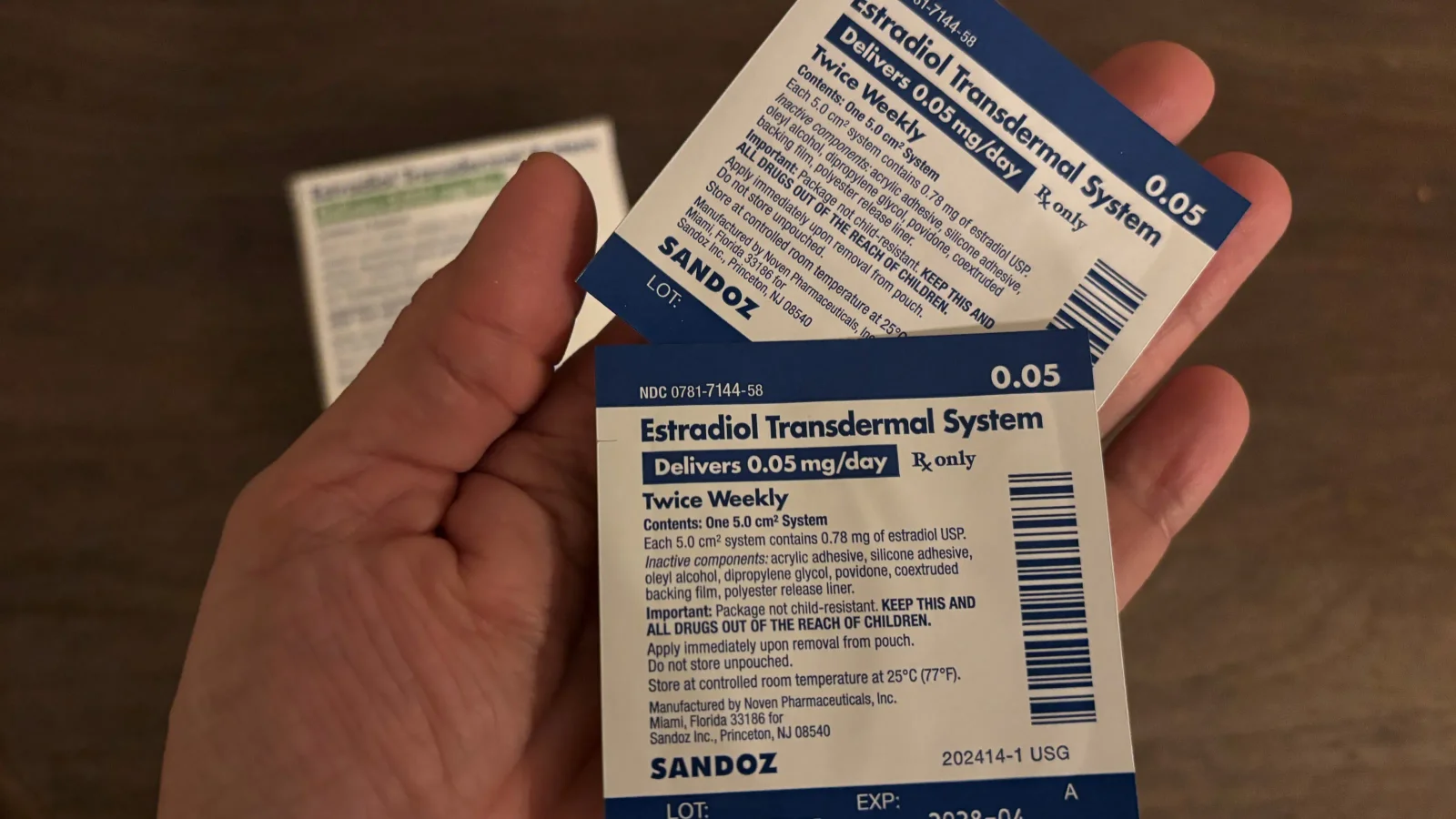
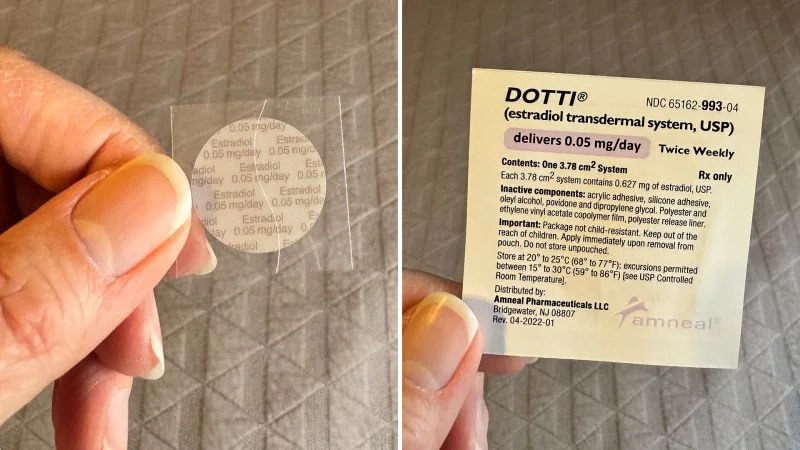
Hormone therapy for menopause, recently freed from outdated FDA warnings, can significantly improve skin health by increasing collagen, hydration, and barrier function, while also managing menopausal symptoms; proper treatment choices and skincare routines can optimize benefits and minimize side effects.
The FDA has approved the drug Addyi for treating hypoactive sexual desire disorder in women under 65 who are postmenopausal, expanding its use beyond premenopausal women, with experts discussing its effects, side effects, and alternative approaches for low libido during menopause.
The FDA has approved the use of Addyi, a libido-boosting pill, for women over 65 who are postmenopausal, expanding its previous use for premenopausal women, despite concerns over side effects and effectiveness.
The FDA has approved the use of Addyi, a libido-boosting pill, for women over 65 who have gone through menopause, expanding its previous approval for premenopausal women, despite concerns about side effects and the controversial nature of diagnosing low sexual desire as a medical condition.
The FDA has expanded the approval of the libido drug Addyi to include women over 65 who are postmenopausal, after initial approval for premenopausal women. Despite past concerns over side effects and modest effectiveness, the drug's approval reflects ongoing efforts to address female sexual health issues.
US health leaders are advocating for the removal of the black box warning on hormone therapy for menopause, citing new evidence of its benefits and calling for balanced, individualized treatment discussions, though some experts warn of potential risks and the need for nuanced understanding.
The FDA plans to remove safety warnings from hormone replacement therapy products used for menopause, sparking debate about balancing risks and benefits, with experts emphasizing the need for informed, personalized decision-making.
Science and medical guidelines have evolved, leading to a more nuanced view of hormone therapy for menopause. Starting therapy before age 60 or within ten years of menopause can provide relief from symptoms like hot flashes and night sweats, and offer benefits for bone and heart health. However, not all women are suitable candidates, and risks vary depending on the type of estrogen used and individual health conditions. Alternatives like non-hormonal medications and lifestyle changes are also available for managing menopausal symptoms.
The FDA has decided to remove the black box warning on hormone replacement therapy for menopause, citing new evidence of its benefits and nuanced risks, which could lead to increased use among women experiencing menopause symptoms.
The FDA has removed the 'black box' warning on hormone replacement therapy for menopause, citing new research that shows the treatments are safer than previously thought, which may increase their use among women and doctors. The agency will still warn about endometrial cancer risk and has approved two new menopause-related drugs. This change follows a reevaluation of past studies linking hormone therapy to serious health risks, and reflects a broader shift in conversations about women's health during midlife.
The FDA announced it will remove the bold warning label on over 20 hormone-based menopause drugs about risks like stroke and heart attack, citing recent studies suggesting these drugs are safer when used before age 60 or within 10 years of menopause, and supporting a more nuanced understanding of their benefits and risks.
The FDA is removing the black box safety warnings on hormone therapy products for menopause, citing a more nuanced understanding of their benefits and risks, and emphasizing the potential health benefits of these therapies when prescribed appropriately. The decision follows public comments and studies suggesting hormone therapy can reduce risks of Alzheimer's, heart attack, and fractures, despite past concerns about cancer and stroke risks.