Tag

Dinosaurs

All articles tagged with #dinosaurs

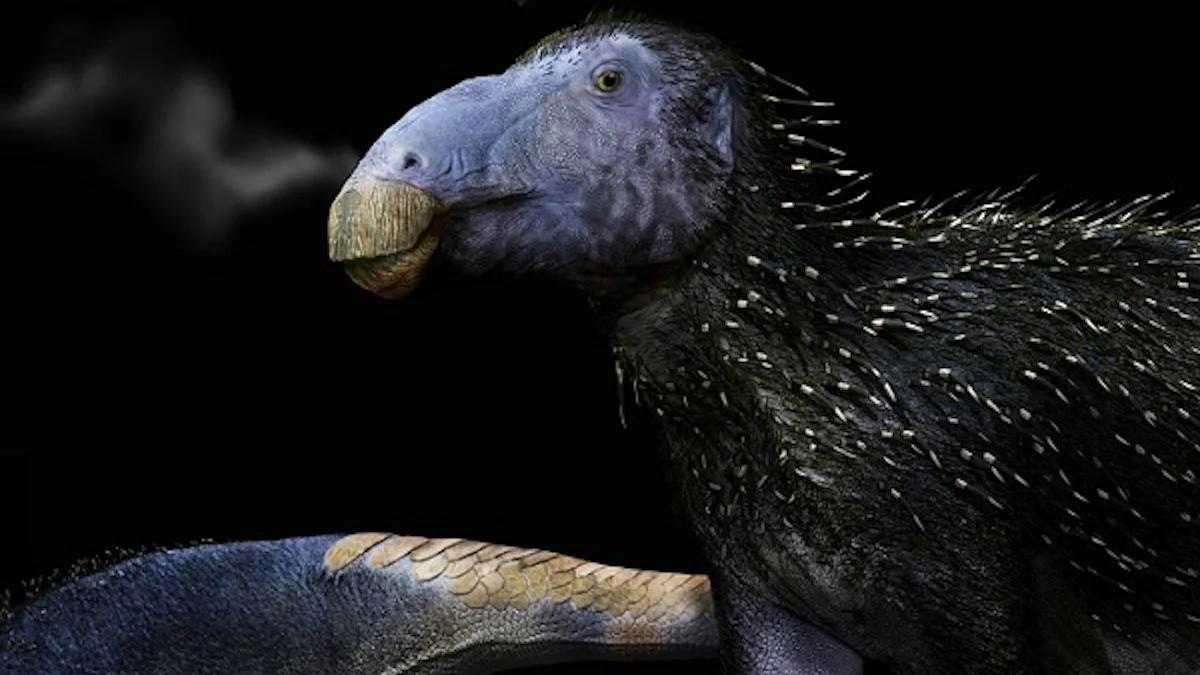
New Dinosaur Haolong dongi Wore Hollow, Porcupine-Like Spikes
science7 days ago

New Dinosaur Haolong dongi Wore Hollow, Porcupine-Like Spikes

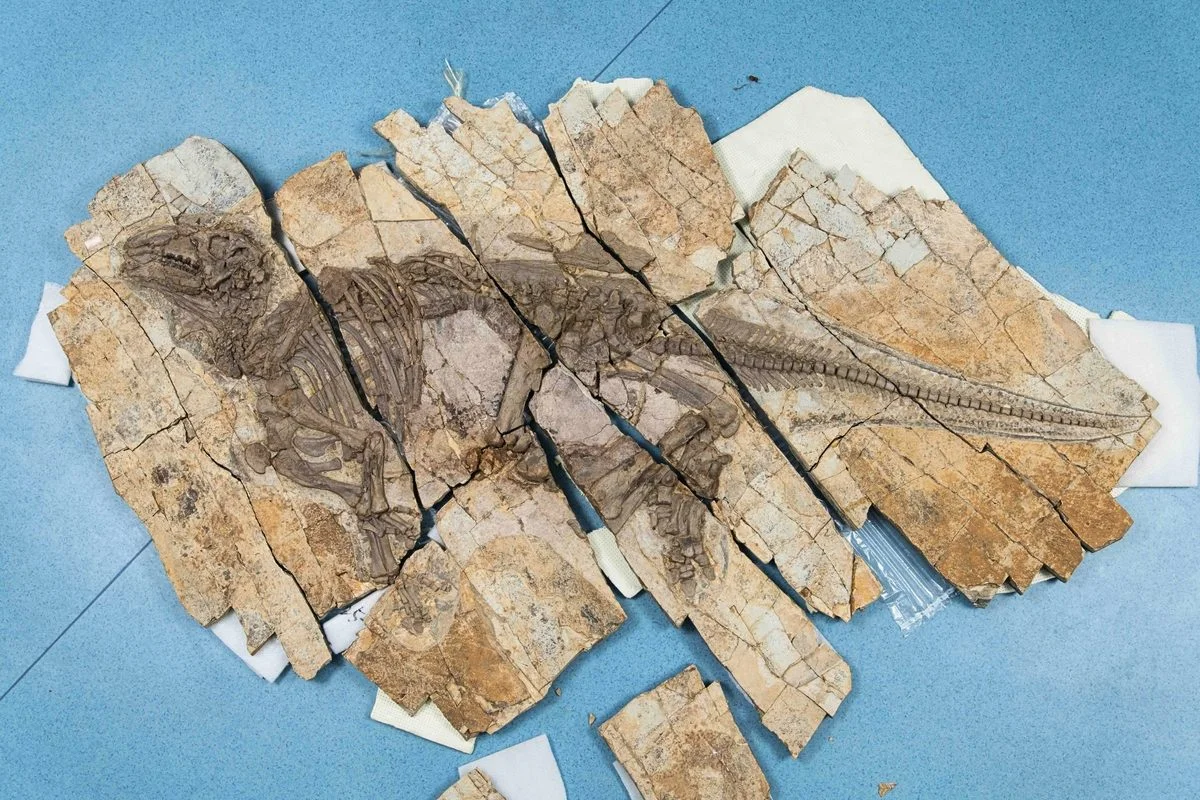
Scientists describe Haolong dongi, a juvenile iguanodontian from northeastern China, with hollow, porcupine-like spikes along its neck, back, and sides. The 2.45 m skeleton is exceptionally well-preserved, but the spikes’ purpose remains unclear—defense, display, or sensing—while pigment was not detected and they are not protofeathers. The discovery broadens our view of dinosaur skin and was published in Nature Ecology & Evolution (2026).

Inland Sahara Unveils Scimitar-Crest Spinosaurus Mirabilis
world7 days ago

Inland Sahara Unveils Scimitar-Crest Spinosaurus Mirabilis

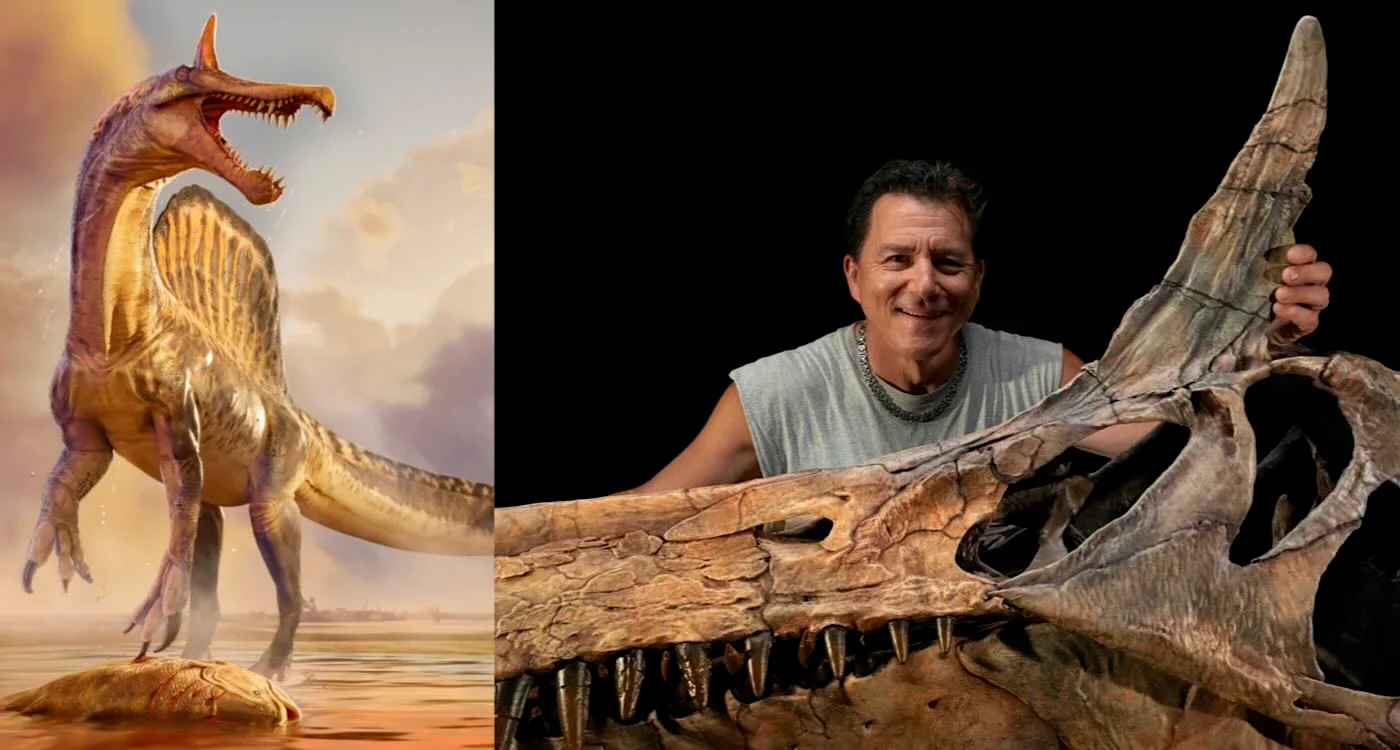
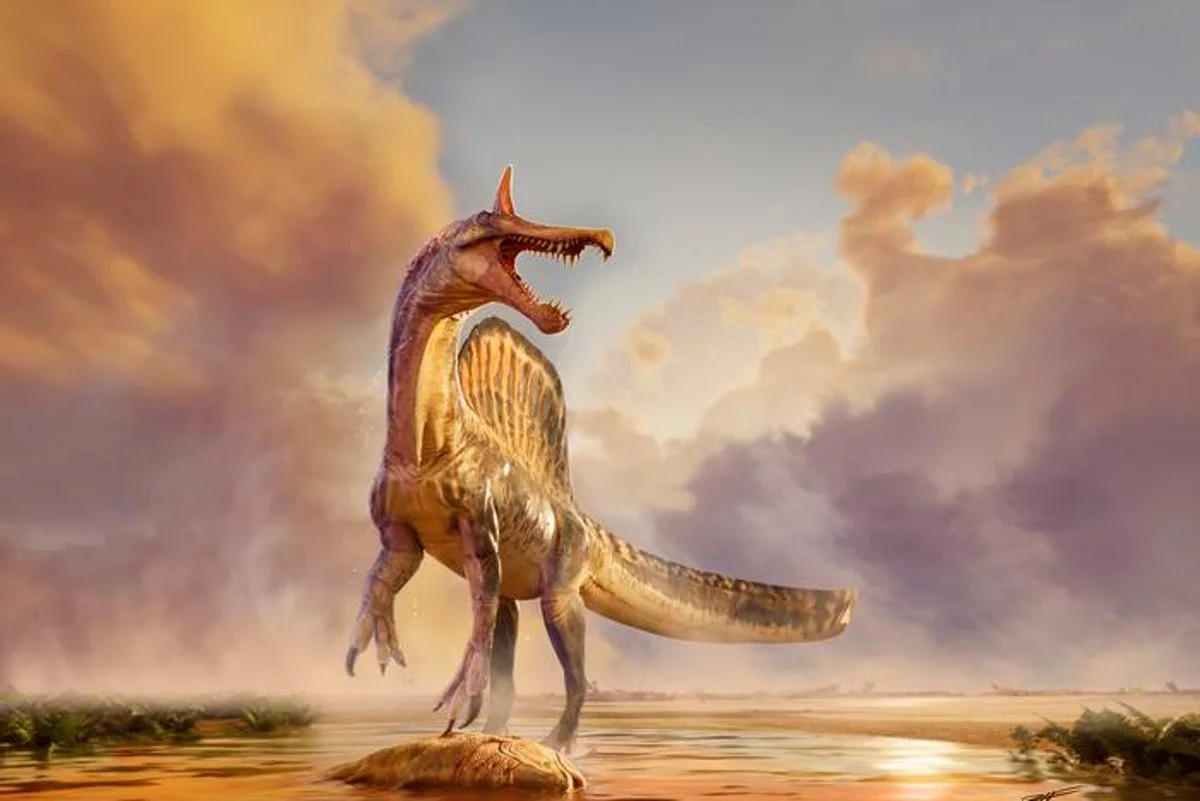
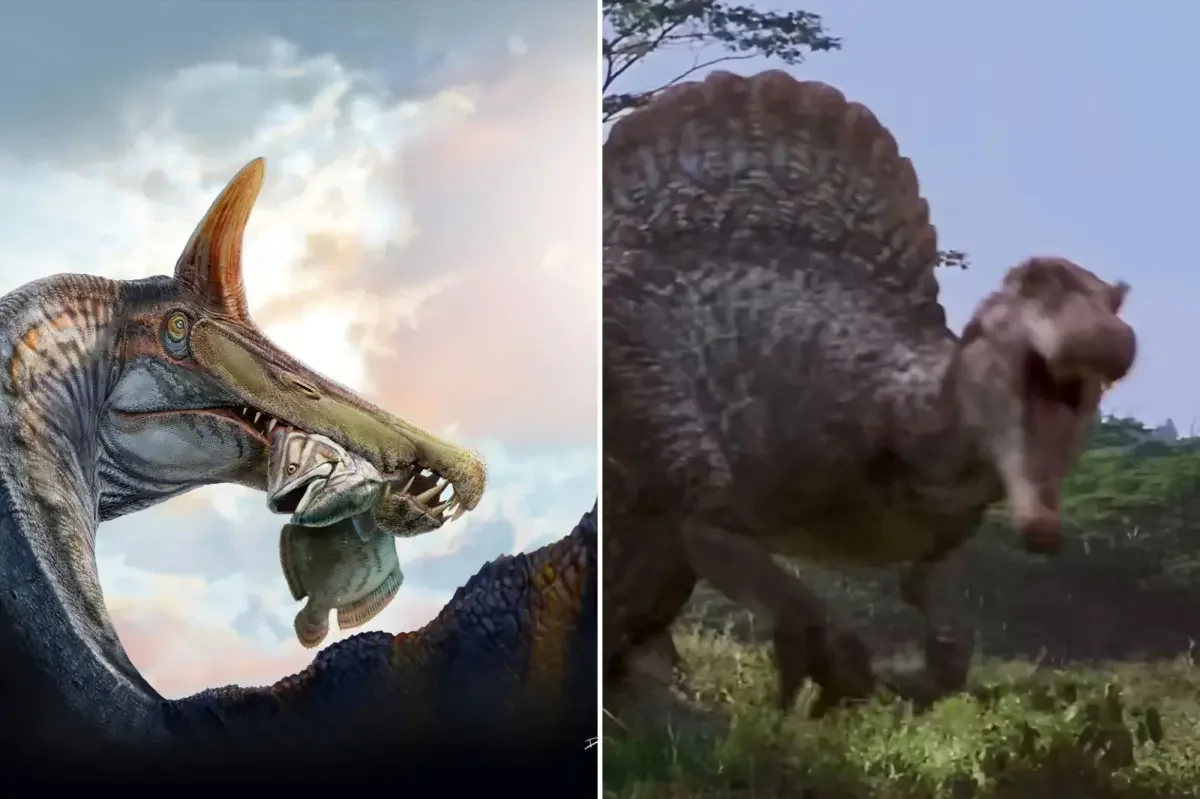
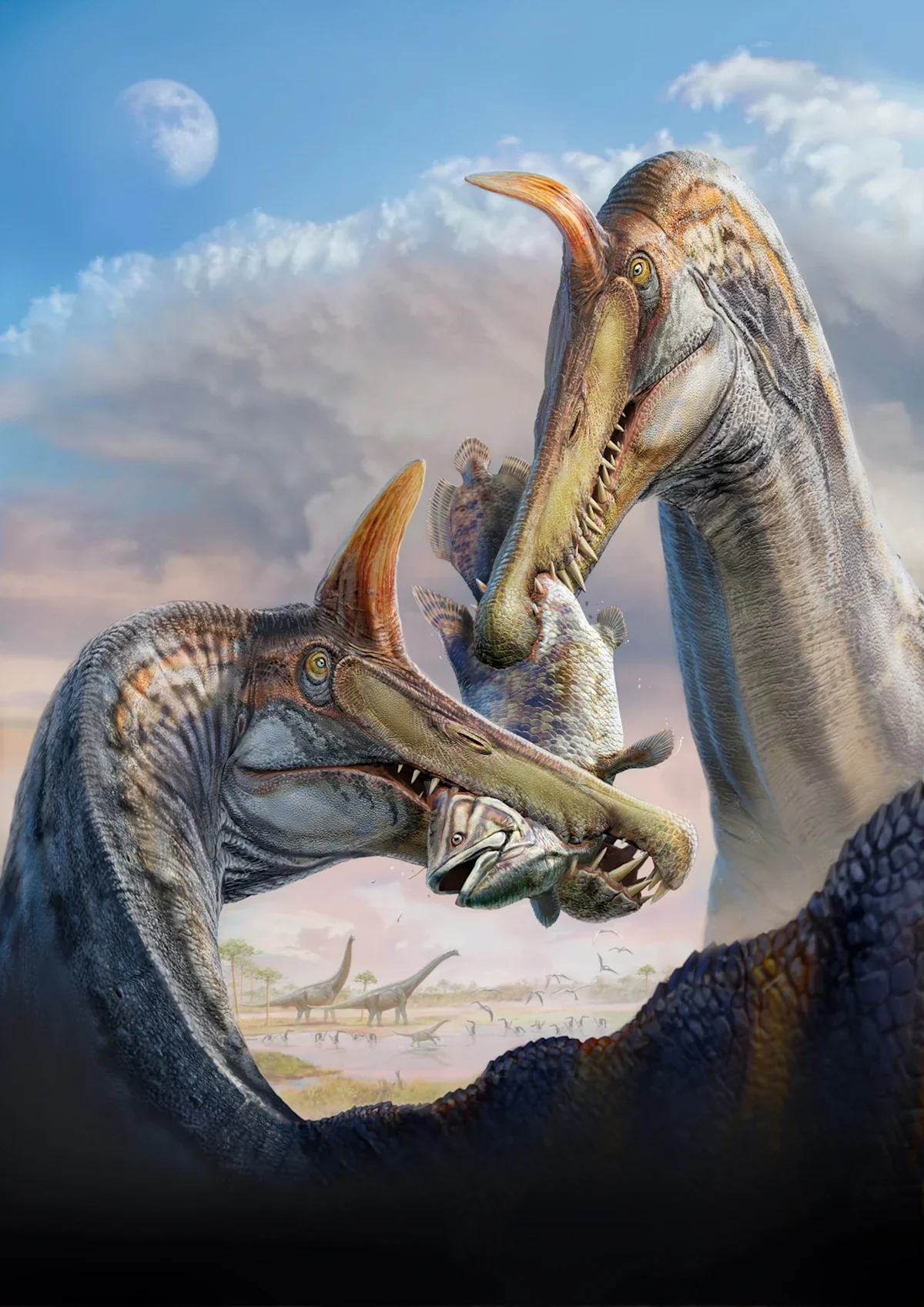
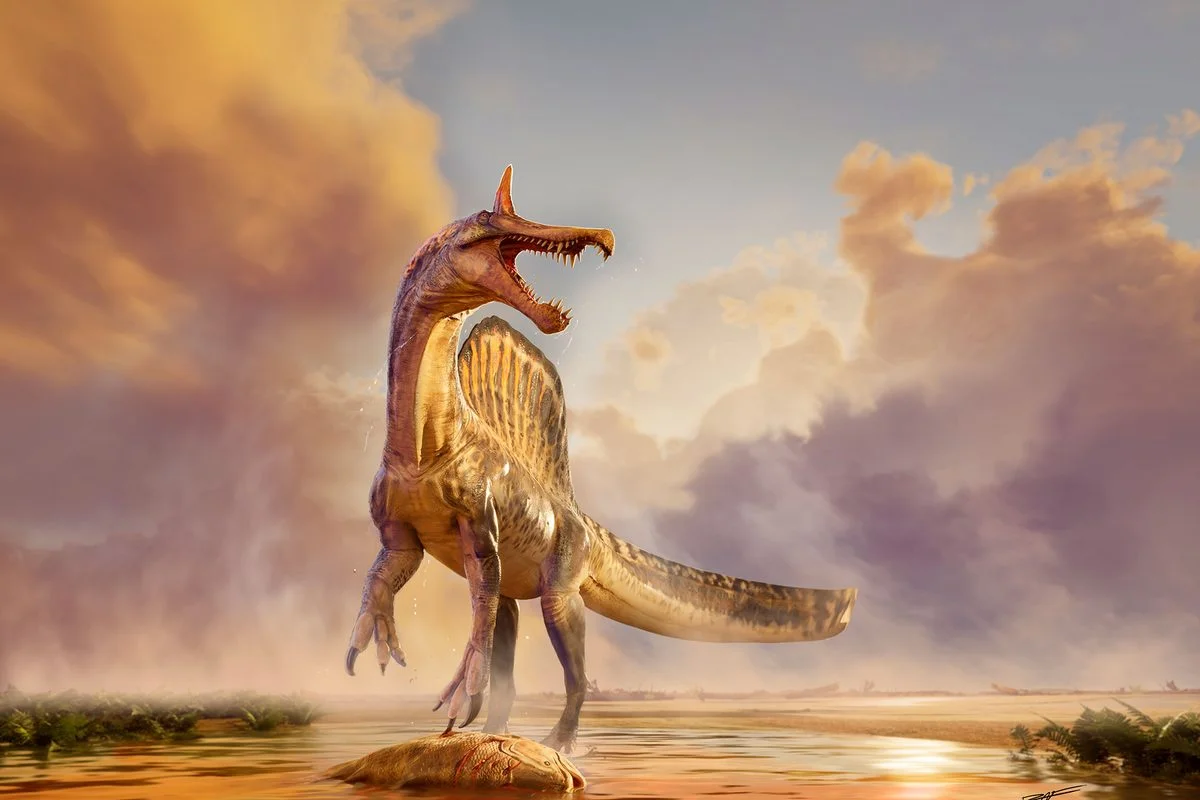
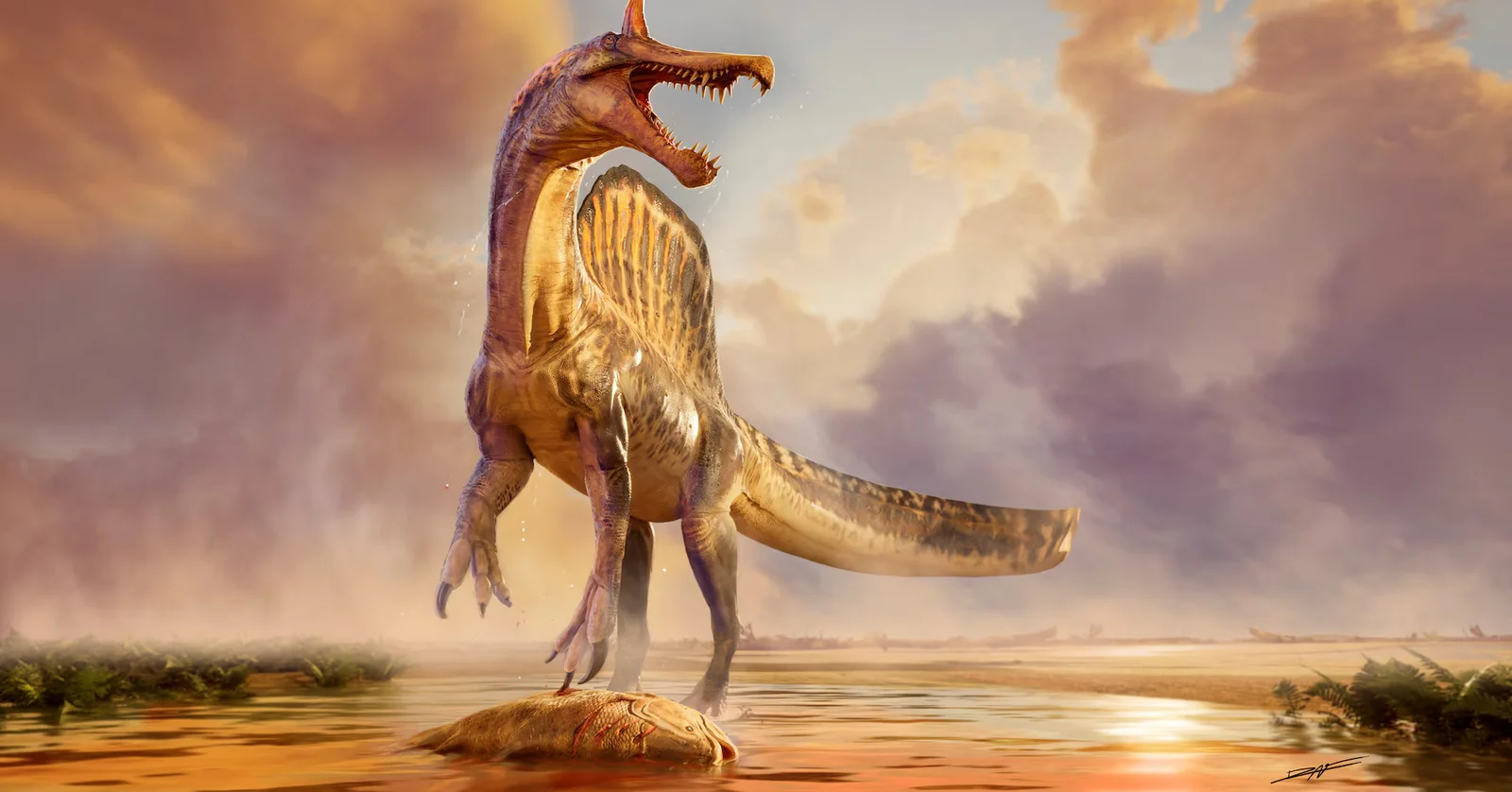
Scientists led by Paul Sereno describe Spinosaurus mirabilis, a new inland Sahara spinosaurid from Niger dating to about 95 million years ago. It has a distinctive scimitar-shaped crest and likely hunted fish in shallow water far from the sea, challenging the idea that spinosaurids were coastal. The crest may have been for display; the team used CT scans and 3D models to reconstruct the skull. The discovery suggests an inland habitat and a new evolutionary phase for the group, with fossils set to be displayed in Niamey and the find published in Science.

Sahara fossil recasts Spinosaurus as inland ‘hell heron’ rather than coastal hunter
science7 days ago

Sahara fossil recasts Spinosaurus as inland ‘hell heron’ rather than coastal hunter

A newly described Spinosaurus species, Spinosaurus mirabilis, from Niger’s central Sahara suggests this giant fish-eater lived inland in a forested, river-influenced habitat about 100–95 million years ago, far from coastlines. The fossil reveals scimitar-shaped crests on its back (sheathed in keratin) likely used for display and interdigitating teeth ideal for catching slippery river fish. This finding points to a new evolutionary phase for Spinosaurus as a shallow-water predator capable of wading in up to two meters of water, broadening our view of its ecology beyond coastal environments and indicating it coexisted with long-necked dinosaurs along rivers.

Sword-horned Spinosaurus reveals inland river hunter, upending coastal predator idea
science8 days ago

Sword-horned Spinosaurus reveals inland river hunter, upending coastal predator idea

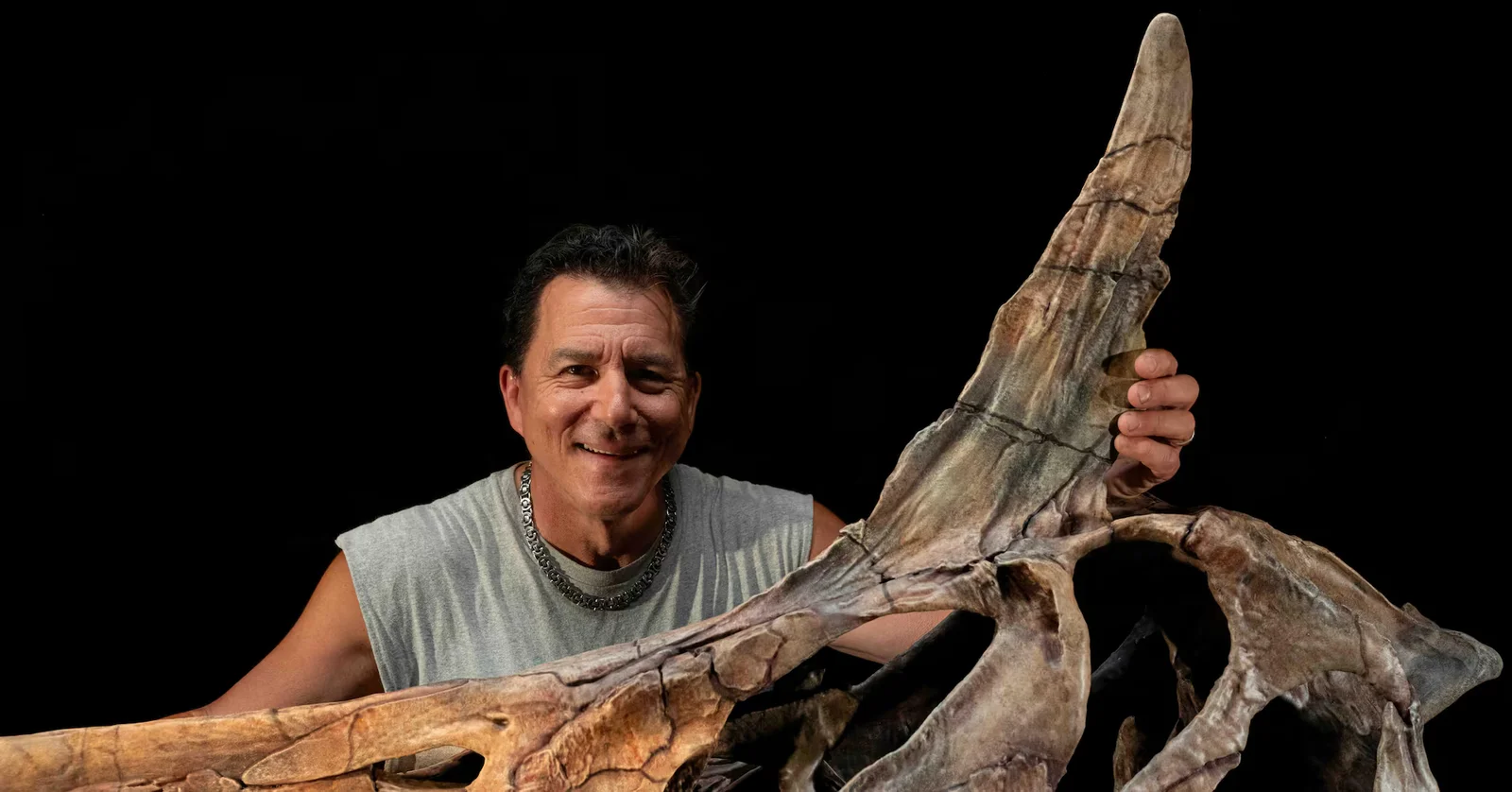
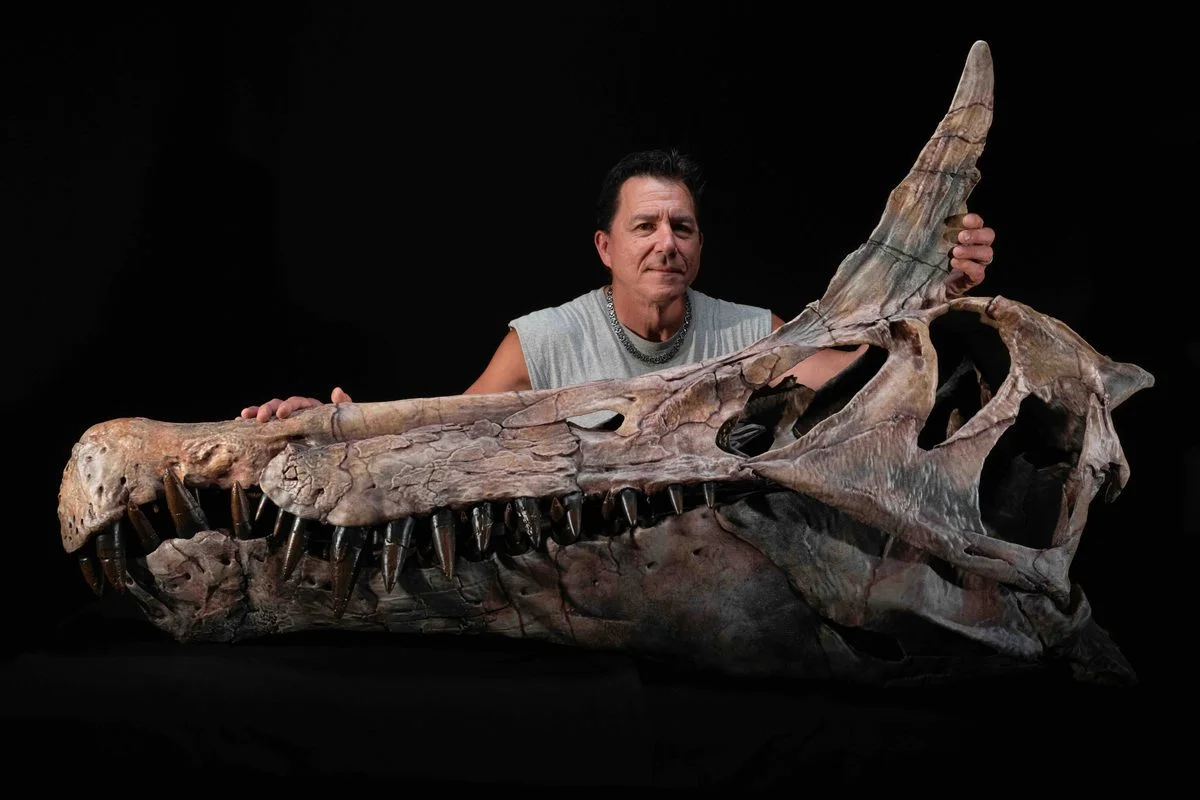
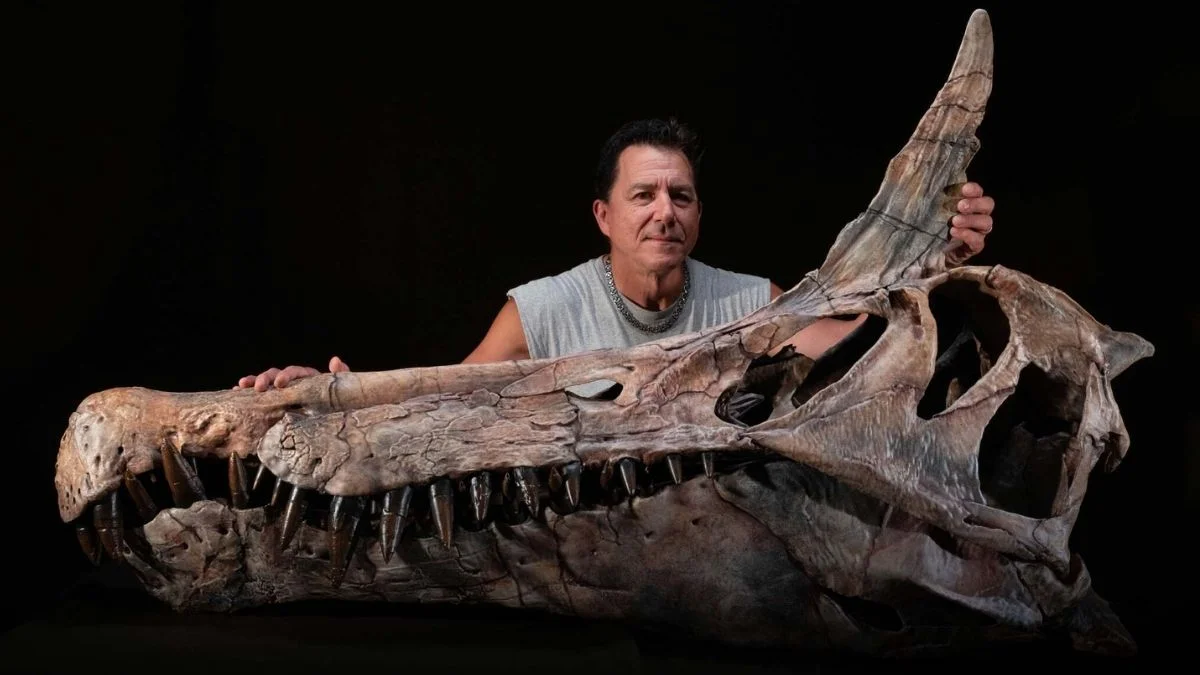
Paleontologists in Niger announce a new Spinosaurus species, Spinosaurus mirabilis, featuring a 20-inch sword-like horn and a unique jaw arrangement, discovered inland far from the coast. The fossil suggests this fish-eating predator lived in forested river systems and grew to roughly the size of a Tyrannosaurus rex, with a sail-like back, challenging the view that Spinosaurus hunted exclusively in marine environments.

New Spinosaurus crest sharpens river-dwelling dinosaur debate
science8 days ago

New Spinosaurus crest sharpens river-dwelling dinosaur debate

A newly described Spinosaurus mirabilis from Niger (~95 million years ago) features a dramatic scimitar-shaped head crest and interlocking teeth, fueling the longstanding debate over whether Spinosaurus was aquatic, wading, or fish-hunting. The discovery—published in Science—suggests riverine adaptations and possible display signals, but researchers say more complete fossils are needed to settle exactly how this giant predator lived and hunted.

Sahara unearths Spinosaurus mirabilis with colossal head crest
science8 days ago

Sahara unearths Spinosaurus mirabilis with colossal head crest

A team led by Paul Sereno has identified a new Spinosaurus species, Spinosaurus mirabilis, from Niger’s central Sahara. The discovery includes jaw fragments, teeth, and three scimitar-shaped head crests up to about 50 cm tall, likely keratin-sheathed and brightly colored for display—the tallest cranial crest yet known in non‑avian dinosaurs. The inland site, dated to about 95 million years ago, suggests an wading, fish‑eating predator that lived far from the coast, challenging the idea that spinosaurids were coastal or aquatic. The findings, published in Science, are accompanied by 3D skull reconstructions and will be exhibited at the Chicago Children’s Museum.

Inland Sahara Spinosaurus Mirabilis Reveals Unseen Crest and Semi-Aquatic Life
science8 days ago

Inland Sahara Spinosaurus Mirabilis Reveals Unseen Crest and Semi-Aquatic Life

A new Spinosaurus species, Spinosaurus mirabilis, was uncovered in Niger's inland Sahara, notable for a striking skull crest and evidence for a semi-aquatic, fish-eating lifestyle unlike other coast-dwelling relatives. Led by Paul Sereno, researchers even assembled 3D skull models on solar power in the Sahara; the crest may have been keratin-covered for display, suggesting a visual display role akin to modern birds. The study was published in Science.

Colossal Spinosaurus mirabilis Unearthed in the Sahara, Redrawing Fish-Eating Dinosaur Tales
science9 days ago

Colossal Spinosaurus mirabilis Unearthed in the Sahara, Redrawing Fish-Eating Dinosaur Tales

Paleontologists led by Paul Sereno have named Spinosaurus mirabilis, a colossal new spinosaur discovered in Niger’s Sahara dating to more than 95 million years ago. It features a distinctive scimitar-shaped head crest and interlocking teeth suited for catching fish, and was found far from coastlines, suggesting a forested, riverine habitat. The skull was reconstructed in 3D and described in Science, reinforcing fish-eating traits while leaving open questions about how aquatic these dinosaurs truly were.

New Spinosaurus mirabilis unearthed in Niger, inland giant of the Cretaceous
science9 days ago

New Spinosaurus mirabilis unearthed in Niger, inland giant of the Cretaceous

Paleontologists in Niger have identified a new Spinosaurus species, Spinosaurus mirabilis, about 12 meters long and 5–7 tons, with a 50 cm head crest and interlocking, fish-trapping teeth. Found inland in the Sahara, the fossils indicate a shallow-water predator that hunted fish rather than a fully aquatic hunter, challenging prior aquatic-only hypotheses for Spinosaurus; this makes mirabilis the second known Spinosaurus species after S. aegyptiacus.

Giant accelerator reveals hidden teeth in 200-million-year-old dinosaur embryos
science9 days ago

Giant accelerator reveals hidden teeth in 200-million-year-old dinosaur embryos

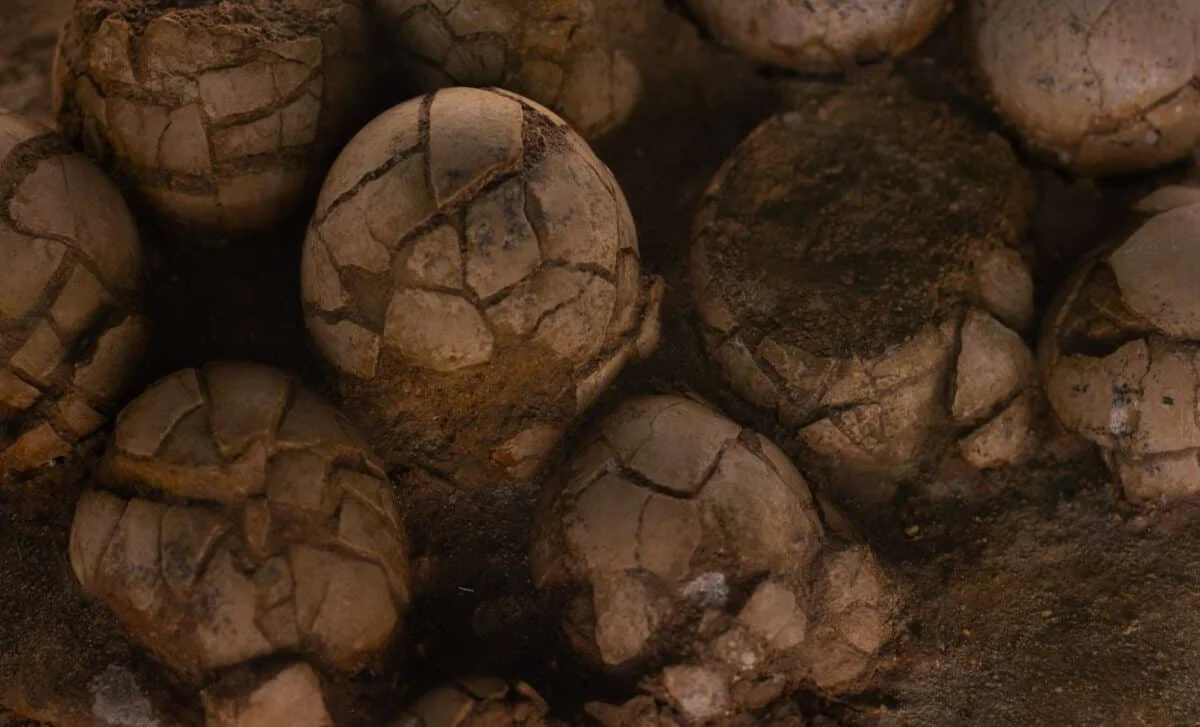
Using the European Synchrotron Radiation Facility's powerful X‑rays, researchers scanned a six‑egg clutch of Massospondylus carinatus embryos from 200‑million‑year‑old eggs found in South Africa, revealing tiny skulls and two distinct tooth generations—one temporary and shed before hatching, the other adult‑like—along with skeletal development consistent with two‑legged hatchlings and reptile–bird similarities.

Birdlike Voices, Not Roars: New Fossils Rewrite Dinosaur Soundscapes
science10 days ago

Birdlike Voices, Not Roars: New Fossils Rewrite Dinosaur Soundscapes

Two rare dinosaur fossils with preserved voice boxes (Pinacosaurus grangeri in Mongolia and Pulaosaurus qinglong in China) show these animals likely produced birdlike, closed‑mouth sounds rather than mammalian roars, challenging decades of Jurassic Park‑era depictions. The anatomy suggests avian‑type vocalization without a syrinx, while living archosaurs and prior studies point to potentially widespread but varied vocal strategies across dinosaur groups. Hadrosaurs used resonant crests for distinctive calls, highlighting a spectrum of sound production. Despite this breakthrough, preserved vocal anatomy is rare, so researchers caution against a single narrative about dinosaur sounds until more fossils are found.

Spiny-armed Haolong dongi: a new Chinese iguanodontian reshapes dinosaur skin lore
science19 days ago

Spiny-armed Haolong dongi: a new Chinese iguanodontian reshapes dinosaur skin lore

A new Chinese dinosaur, Haolong dongi, a 2.4 m juvenile iguanodontian, shows remarkable soft-tissue preservation including backward-projecting bristly spines along the neck and body and nine rows of tail scales. The hollow, porcupine-like spikes and mixed scales reveal a greater diversity of skin coverings in ornithischians than previously known, beyond simple scales or feathers. Adults were likely around 5 m. Discovered in a cool environment and published in Nature Ecology & Evolution, the find prompts questions about the functions of the spikes (defense or display rather than insulation or sensing) and suggests vertebrate integumentary diversity may be more complex than imagined.