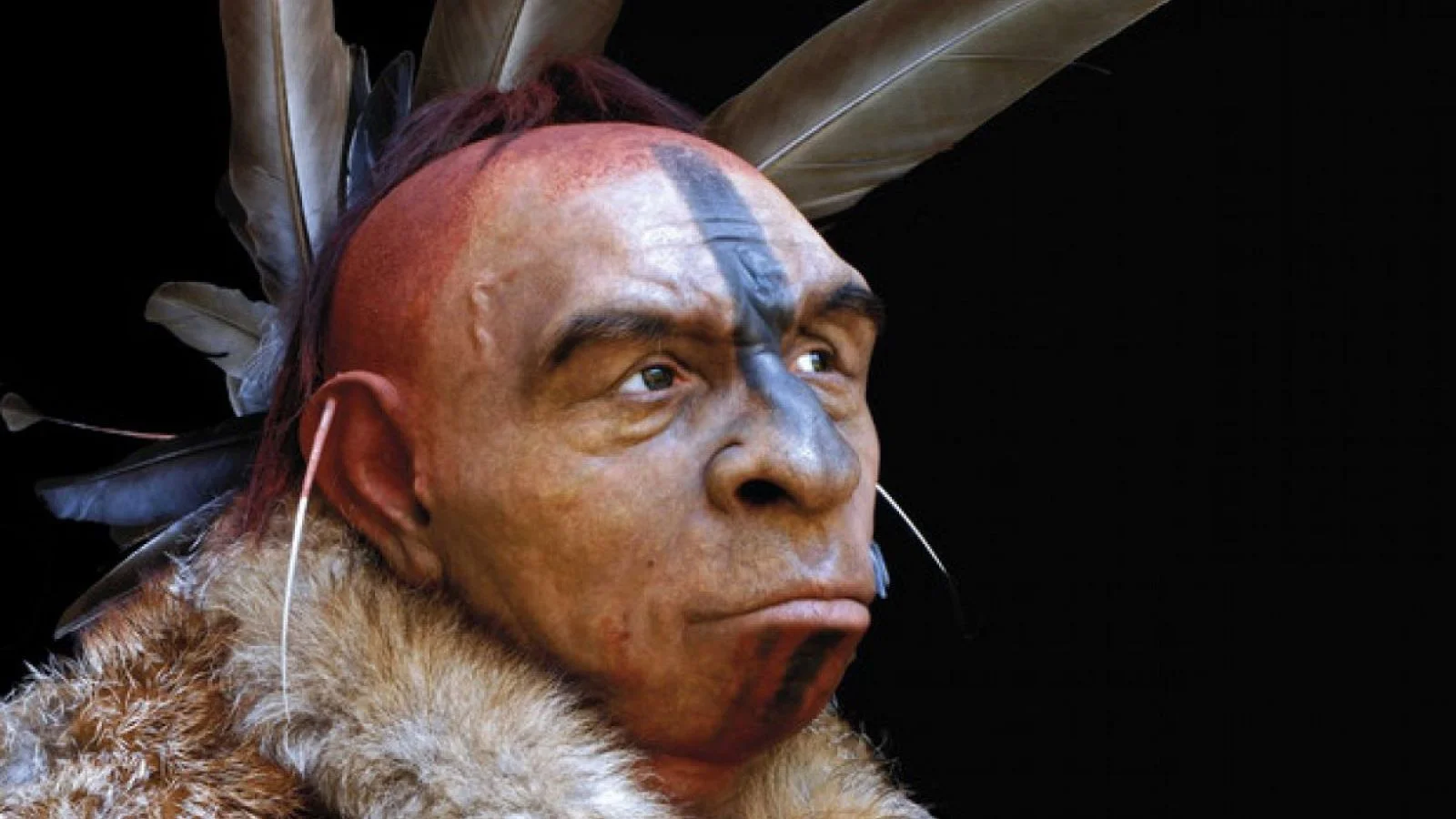
A new study argues that preeclampsia, a pregnancy complication, could have reduced Neanderthal fertility and contributed to their extinction, but leading paleoanthropologists say the claim is speculative and labels it a thought experiment rather than a proven cause.
Extinction of Neanderthals appears to be the result of a mix of regional pressures: small, isolated populations prone to inbreeding and mutational burden, competition with expanding modern humans, and varied demographic dynamics across Eurasia. Genetic evidence confirms interbreeding with Homo sapiens, meaning Neanderthals contributed to the modern human genome, but there is no single smoking gun or uniform fate—different Neanderthal groups disappeared for different reasons over time.
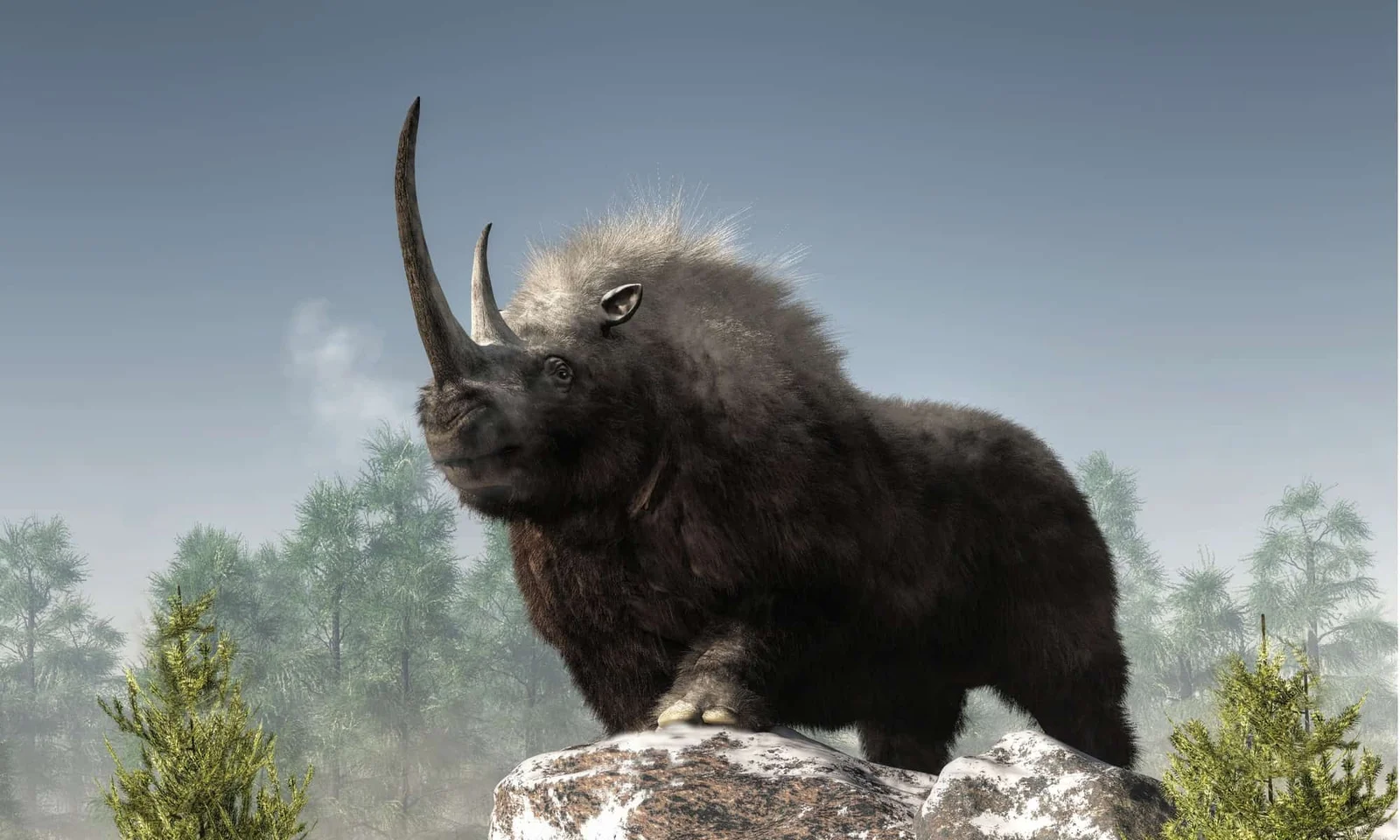
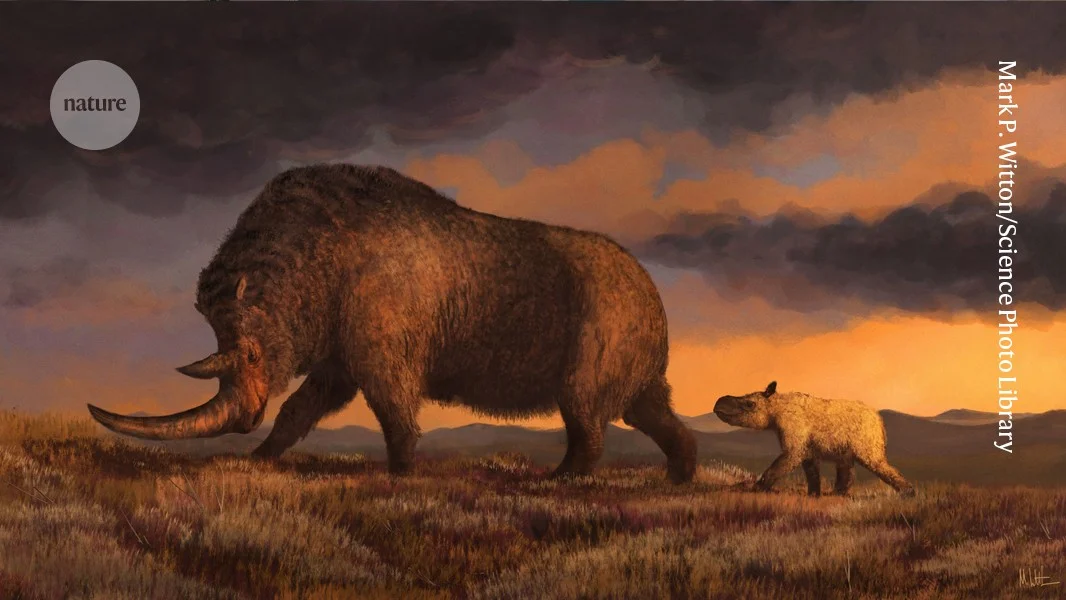
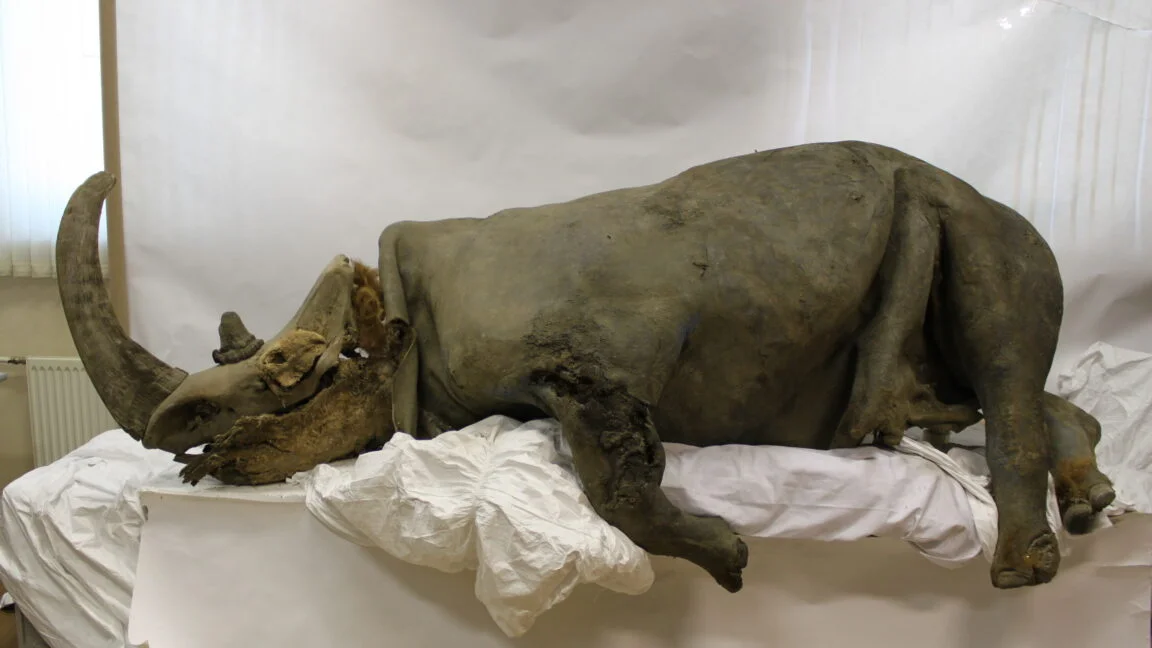
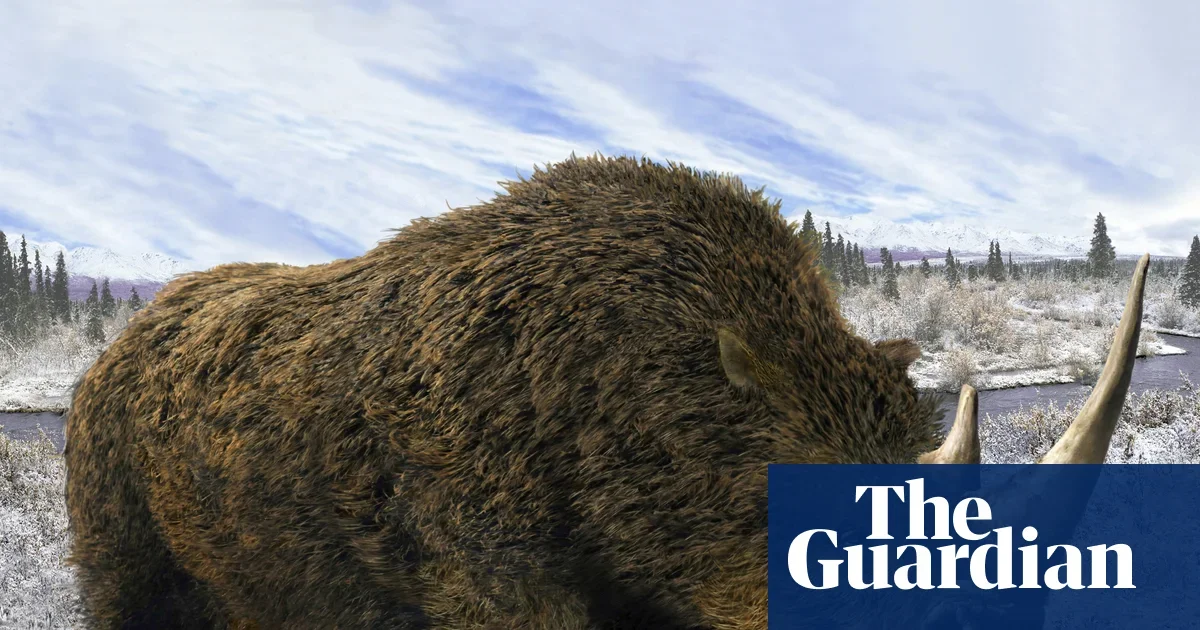
Researchers analyzed tissue from a 14,000-year-old wolf pup found in Siberia and recovered the woolly rhinoceros genome from its stomach, revealing stable rhino genetics up to extinction and suggesting climate change, not hunting, as the primary driver of the woolly rhino’s disappearance.
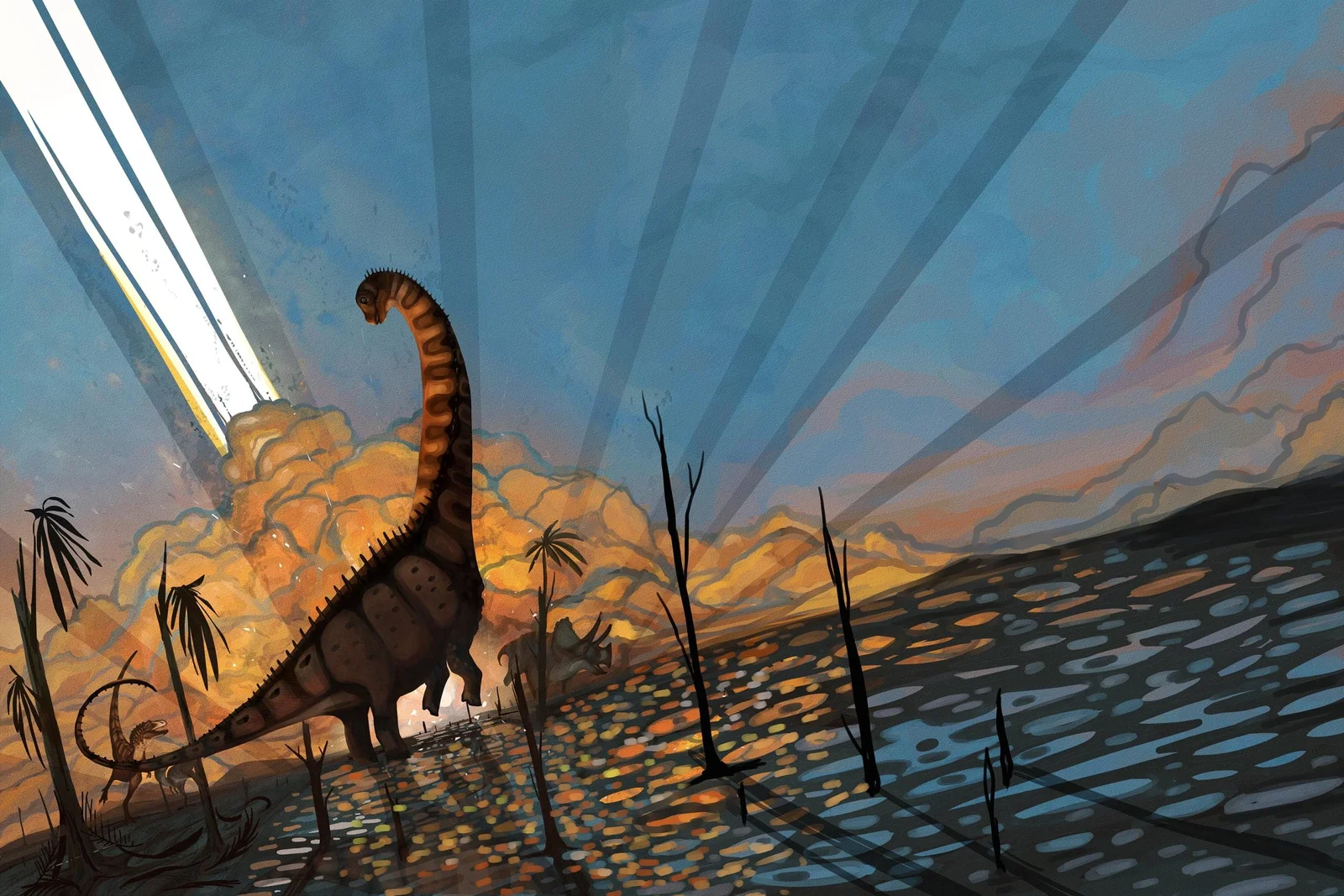
New research analyzing Naashoibito Member fossils from the Kirtland Formation in northwestern New Mexico shows dinosaurs were thriving in diverse, regionally distinct ecosystems up to about 66 million years ago, coexisting with Hell Creek taxa rather than declining. High-precision dating places these fossils at the Cretaceous–Paleogene boundary, indicating the asteroid caused a rapid end to a world still rich in dinosaur biodiversity. In the wake of the impact, mammals diversified quickly, with northern and southern bioprovinces persisting into the Paleocene, underscoring how temperature-driven regionalism shaped life before and after the mass extinction. The findings also highlight how protected public lands can illuminate ecosystem responses to rapid global change.
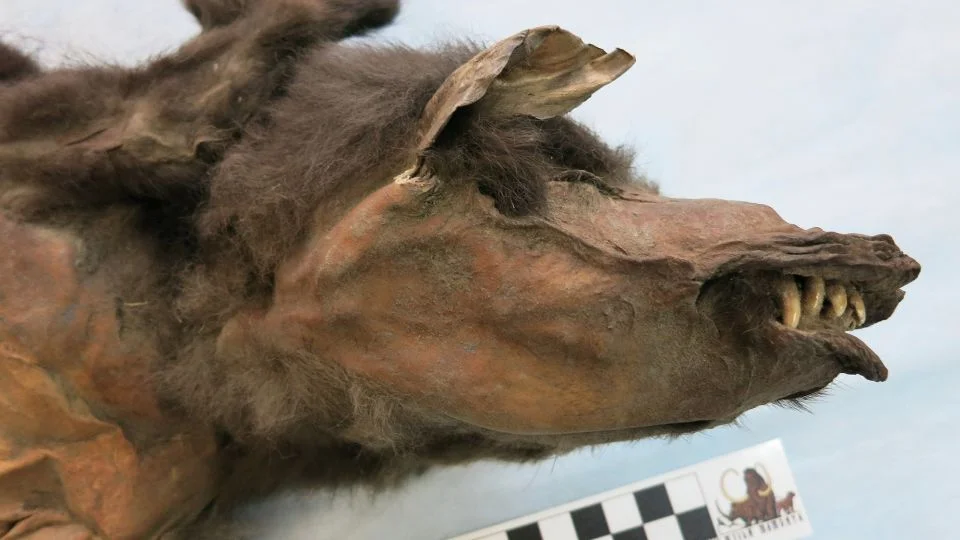
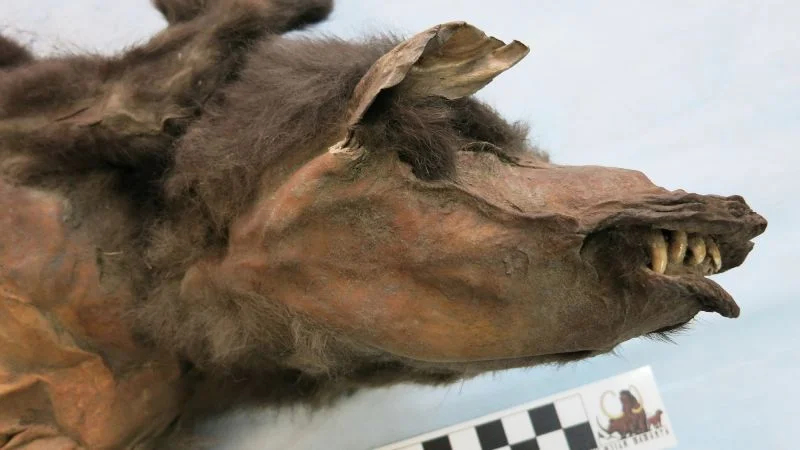
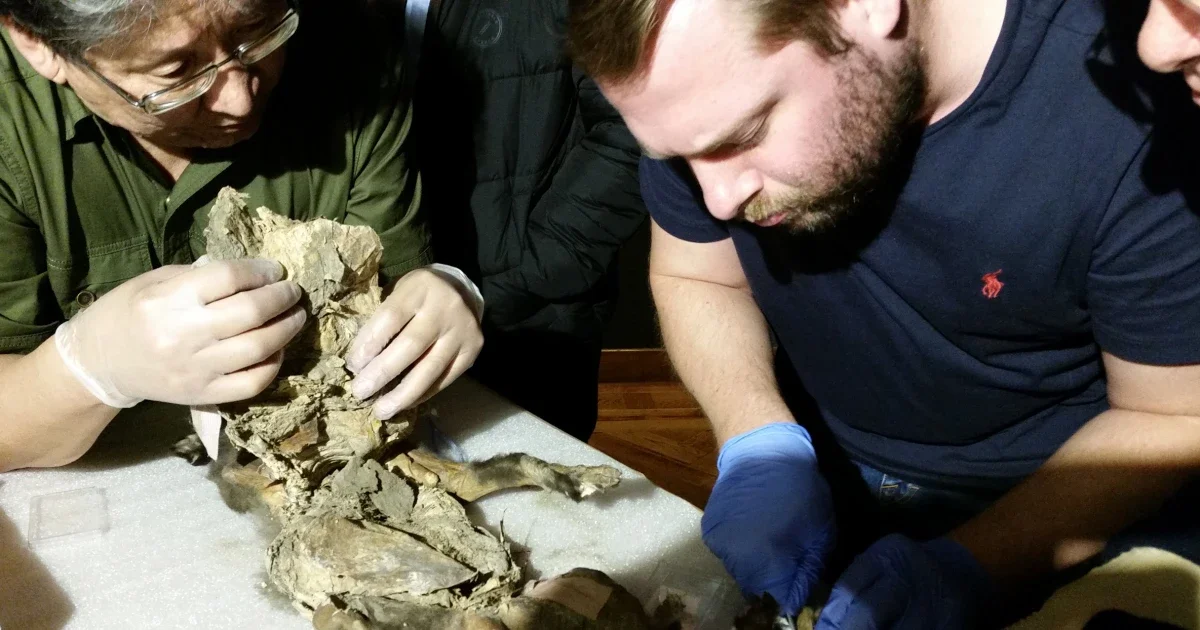
A 14,000-year-old wolf pup preserved in Siberian permafrost contained woolly rhinoceros tissue in its stomach. Scientists sequenced the rhinoceros genome from this stomach content—the first time a genome has been recovered from such material—and compared it with other woolly rhino genomes. They found no evidence of severe genetic deterioration, suggesting the species declined rapidly due to climate warming at the end of the last Ice Age rather than human hunting. The work, published in Genome Biology and Evolution, highlights permafrost-preserved remains as a powerful source of ancient dietary and ecological insights.
A genomic analysis recovered woolly rhino DNA from the stomach of a mummified ice-age wolf pup dating to about 14,400 years ago in Russia, offering a rare direct glimpse into the species’ gene pool as it was near extinction. The study suggests the woolly rhino’s final decline occurred rapidly after a population collapse likely linked to climate warming, and the sample was initially mistaken for belonging to a cave lion.
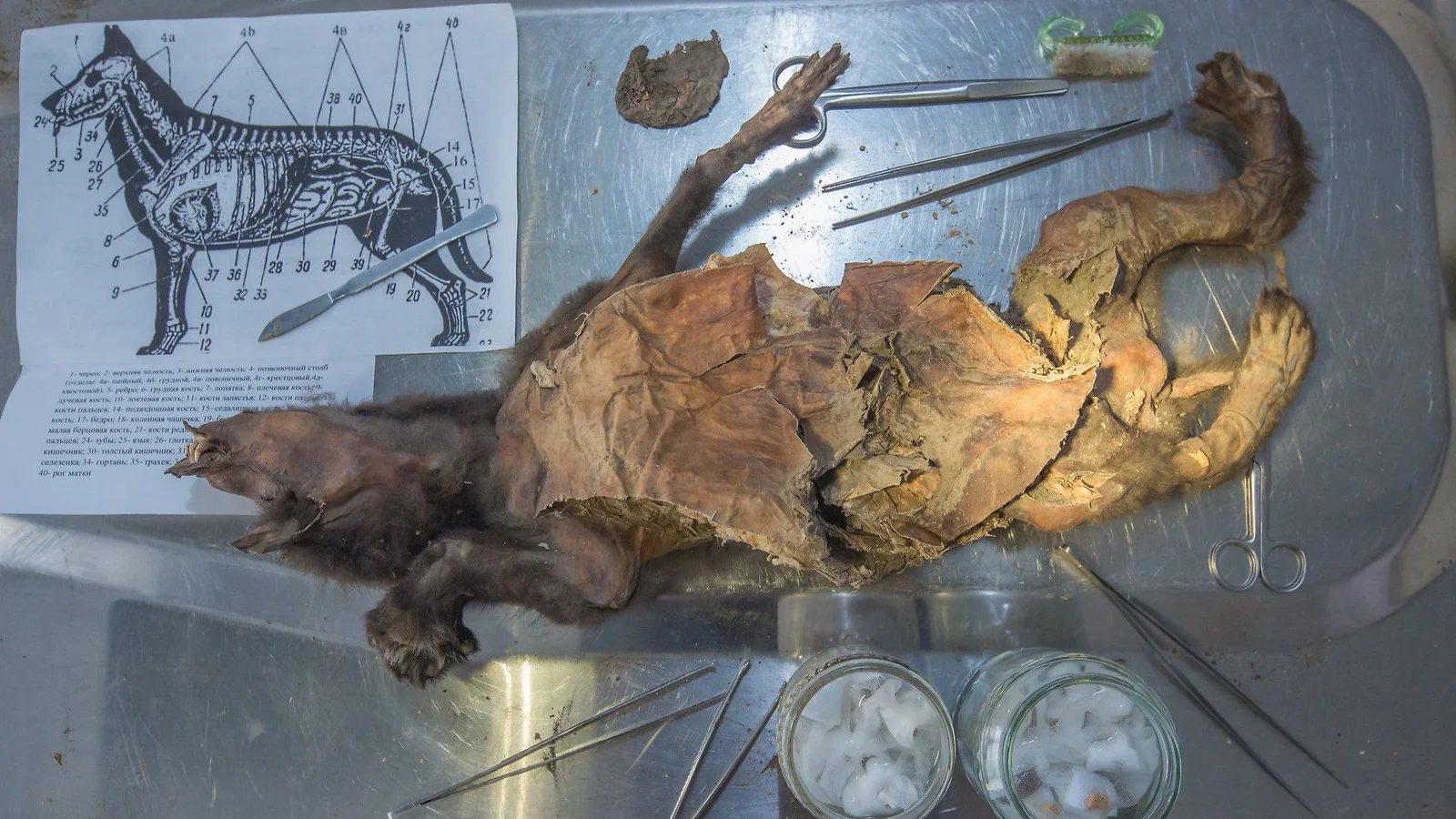
Scientists sequenced the woolly rhinoceros genome from tissue preserved in a 14,000-year-old wolf pup’s stomach in Siberian permafrost, marking the first time a genome has been reconstructed from inside another animal. By comparing this genome with other woolly rhino fossils and the Sumatran rhino, researchers found the species remained genetically stable until climate warming ended the last Ice Age, suggesting environmental change—not human hunting—drove extinction. The wolf pups likely died when their den collapsed, and the preserved stomach contents also offer a broader view of their ecosystem.
Scientists sequencing the woolly rhino genome from preserved muscle found in a 14,400-year-old wolf pup’s stomach reveal the rhino population remained viable in northern Siberia until near the end of the Ice Age, with extinction likely driven rapidly by climate warming rather than human hunting.
In Siberian permafrost, scientists recovered a chunk of woolly rhinoceros tissue inside the stomach of one of two mummified Tumat wolf pups, enabling the first full genome of an Ice Age animal reconstructed from inside another Ice Age animal. The rhinoceros died about 14,400 years ago; its genome shows healthy genetic diversity up to near extinction, supporting climate change as the key driver of its demise rather than inbreeding. The finding highlights the value of preserved ancient DNA for understanding past ecosystems and informs conservation lessons for modern species facing warming and human pressures.
Scientists sequenced a full woolly rhino genome from the stomach of a 14,400-year-old wolf pup, revealing a genetically healthy population with low inbreeding before a rapid extinction likely caused by late Ice Age warming; comparison with an older rhino genome suggests the end came quickly after climate change, offering insights for modern biodiversity crises.
Scientists decoded the woolly rhinoceros genome from a piece of tissue found in the stomach of a two‑month‑old wolf cub preserved in Siberian permafrost, marking the first time an ice-age genome has been retrieved from meat inside another animal. Comparisons with older rhino genomes show the population was large and stable before a rapid extinction about 300–400 years earlier, likely driven by abrupt warming during the late glacial period rather than prolonged hunting. The find, along with a second wolf cub at the same site, highlights a complex late‑Pleistocene ecosystem and provides a new genetic window into how these animals disappeared.
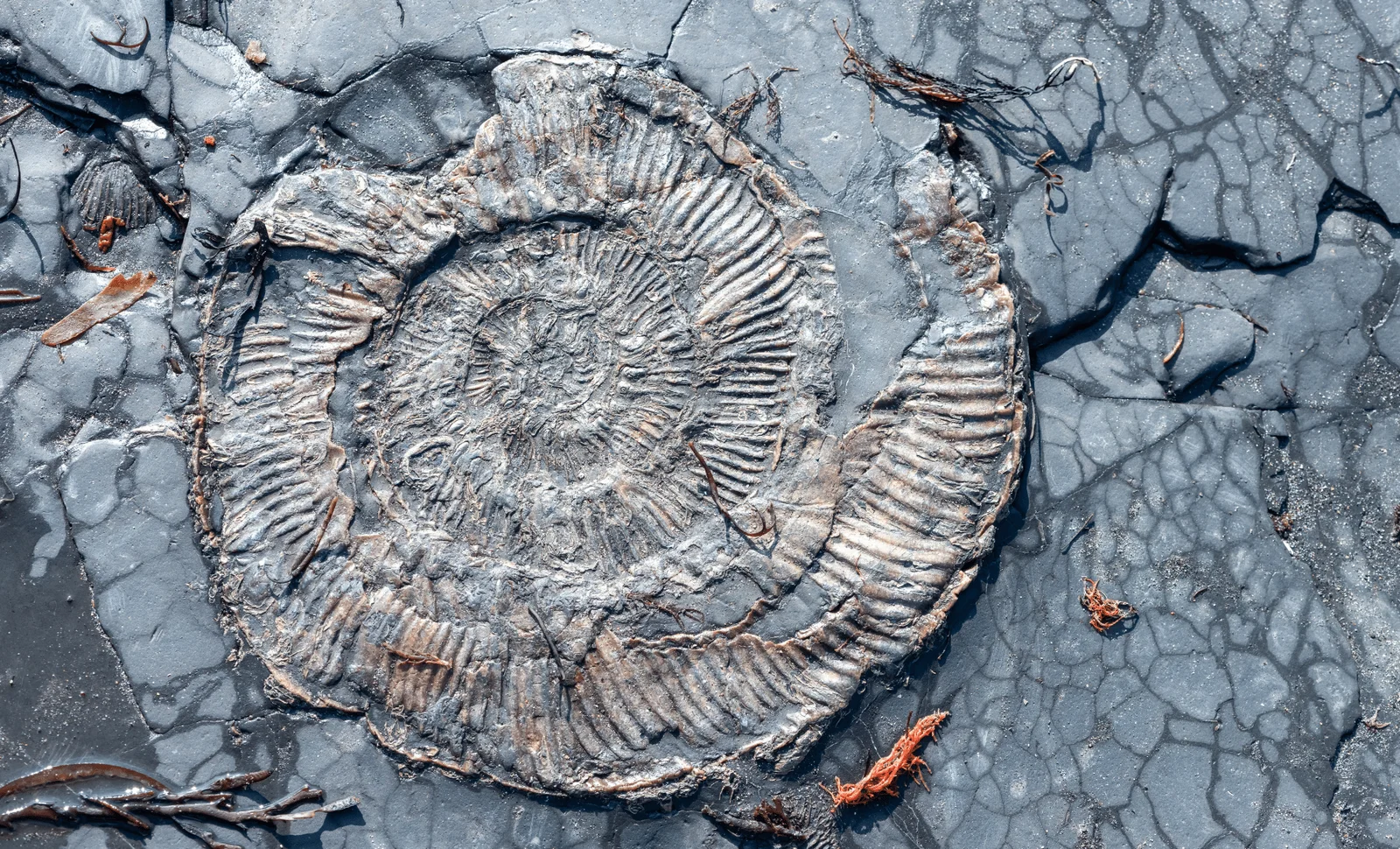
New fossil evidence from Denmark suggests that ammonites survived up to 200,000 years after the asteroid impact that killed the dinosaurs, challenging the long-held belief that they went extinct simultaneously with the dinosaurs. The findings imply a delayed extinction possibly caused by long-term ecosystem disruptions, highlighting how fossil record interpretations can be revised with new discoveries.
The article emphasizes that species extinction results in significant losses beyond ecological impacts, including the disappearance of scientific knowledge, cultural traditions, and spiritual connections, highlighting the urgent need for conservation to preserve the full spectrum of human and ecological well-being.
Primates are a highly diverse mammal group with over 200 species, found across multiple continents, but the majority are threatened with extinction. The article covers primate classification, characteristics, and interesting facts about their evolution and conservation status.
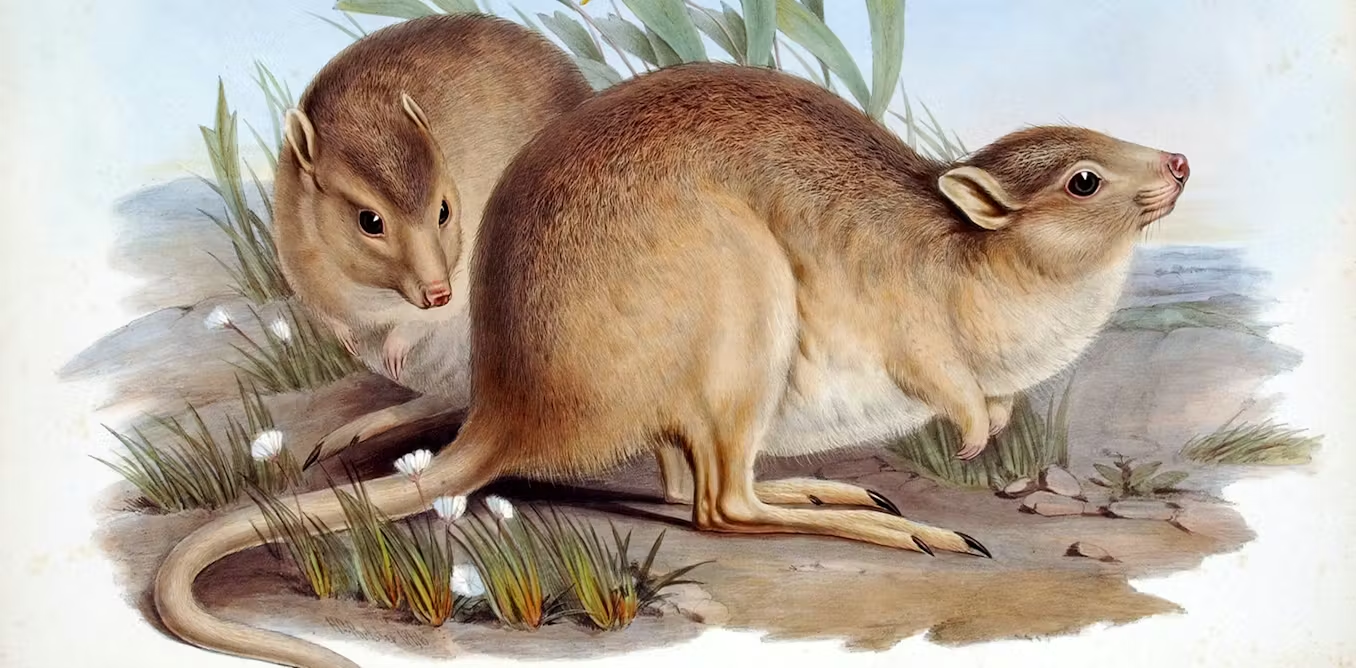
The article reviews several species declared extinct in 2025, including birds, mammals, plants, and mollusks, highlighting the ongoing loss of biodiversity due to habitat destruction, invasive species, and other human-related factors.