Tag

Organoids

All articles tagged with #organoids

Research Reveals Innate Structures in Human Brain Development

Originally Published 1 month ago — by Earth.com

Featured image for Research Reveals Innate Structures in Human Brain Development
Source: Earth.com

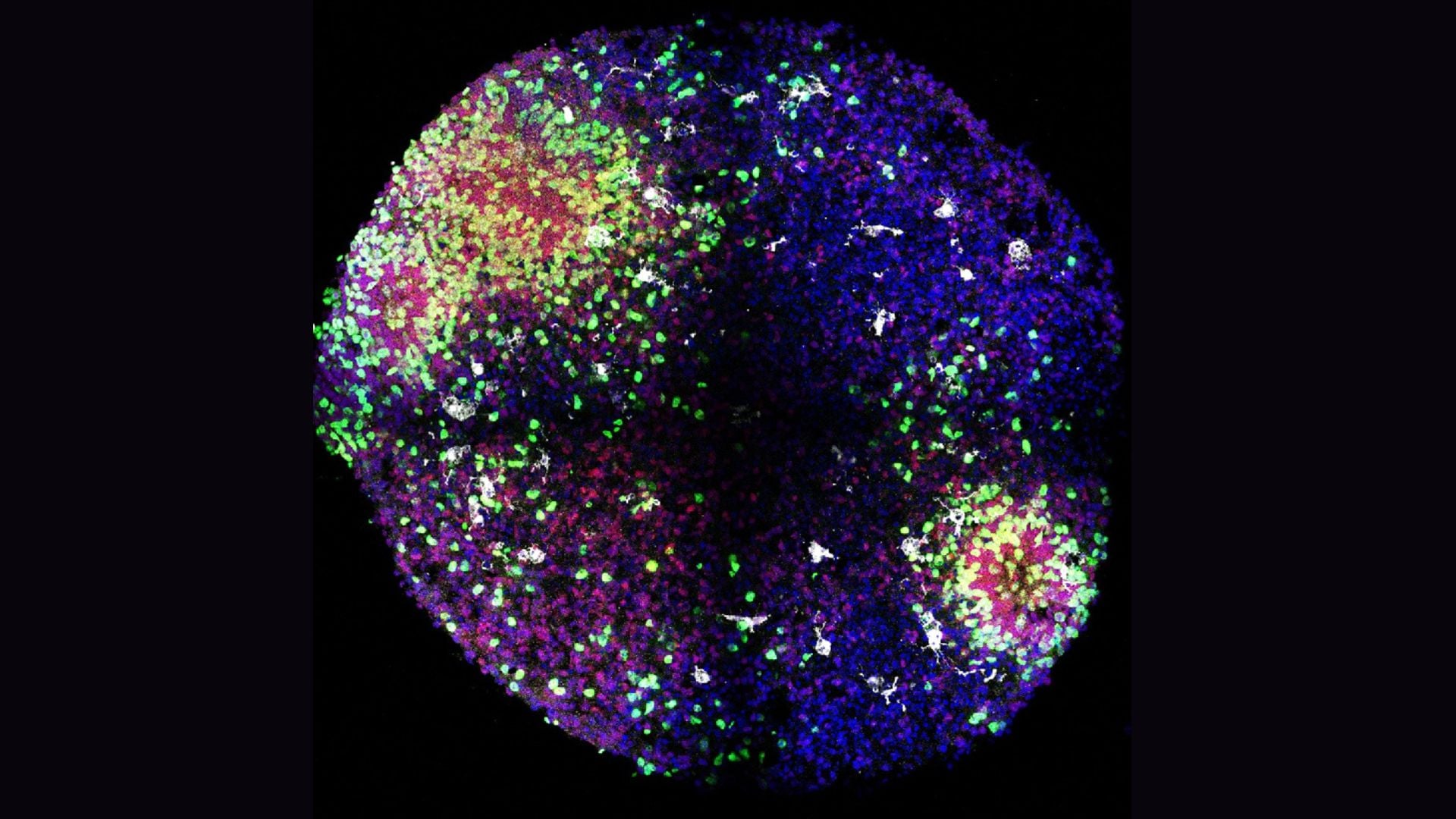
Scientists found that human brain circuits produce ordered electrical patterns even before sensory experiences, suggesting that our brains are prewired with internal timing rules for understanding the world, as demonstrated through experiments on brain organoids and neonatal mouse slices.

Embracing Alternatives to Animal Testing for a Sustainable Future

Originally Published 2 months ago — by Nature

Featured image for Embracing Alternatives to Animal Testing for a Sustainable Future
Source: Nature

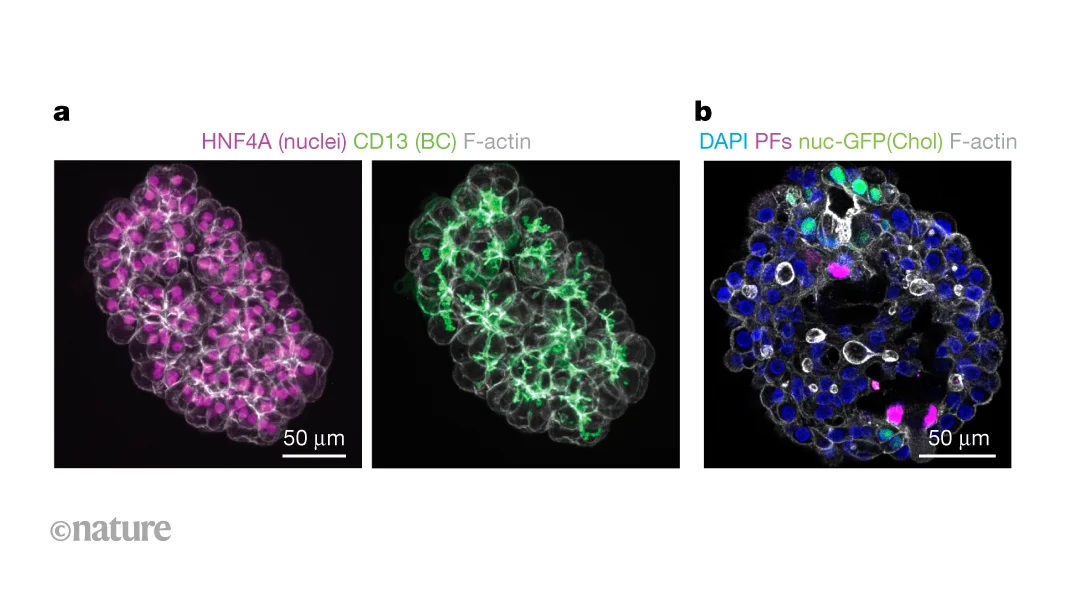
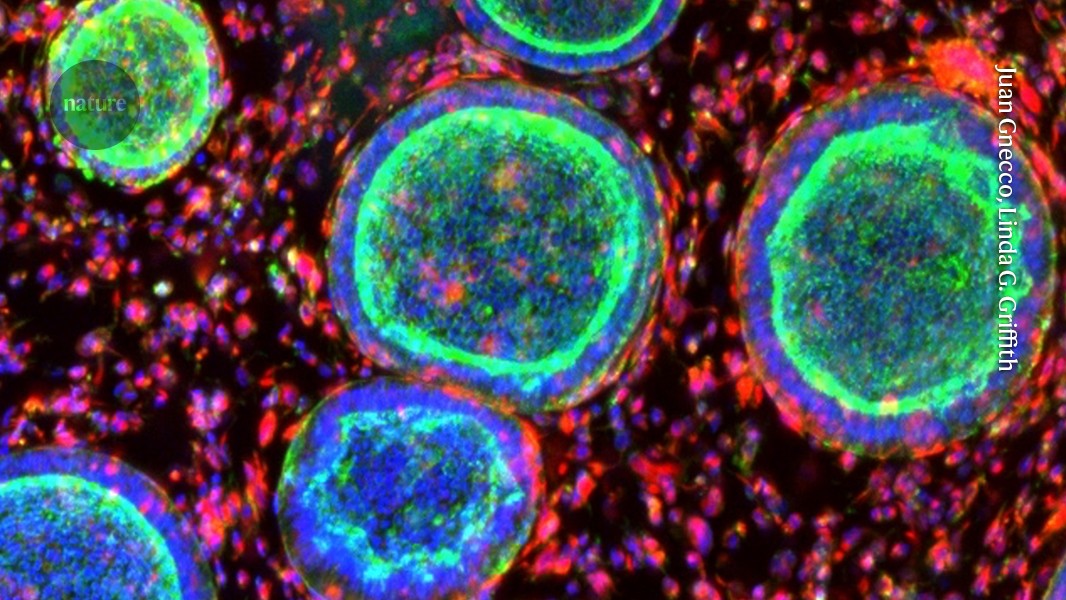
Innovative approaches called NAMs are replacing animal testing in biomedical research, offering more human-relevant, ethical, and cost-effective methods for drug testing and understanding biology. Despite progress and regulatory support, adoption faces resistance, especially in publishing and funding, highlighting the need for systemic change in scientific practices.

Scientists Advance 'Living' Computers and Brain-Cell Communication Technologies

Originally Published 3 months ago — by BBC

Featured image for Scientists Advance 'Living' Computers and Brain-Cell Communication Technologies
Source: BBC

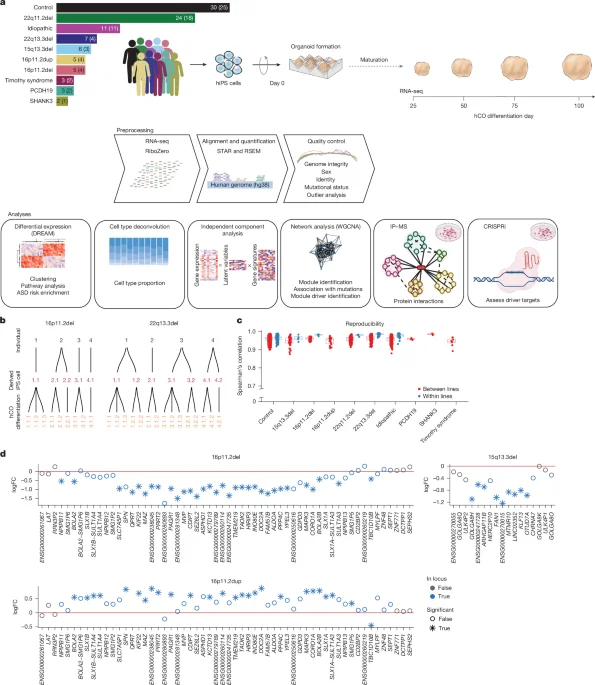
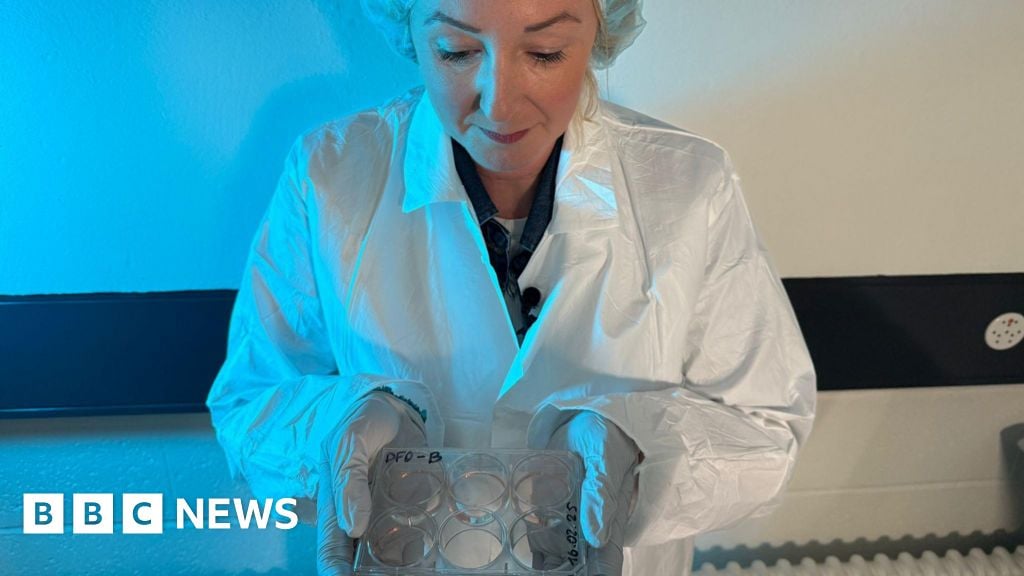
Scientists in Switzerland are developing biocomputers using lab-grown mini-brains called organoids derived from human stem cells, aiming to create energy-efficient, living servers that mimic aspects of AI learning, though challenges like maintaining organoid health and understanding their activity remain.

Microglia Influence Prenatal GABAergic Neurogenesis via IGF1

Originally Published 5 months ago — by Nature

Featured image for Microglia Influence Prenatal GABAergic Neurogenesis via IGF1
Source: Nature

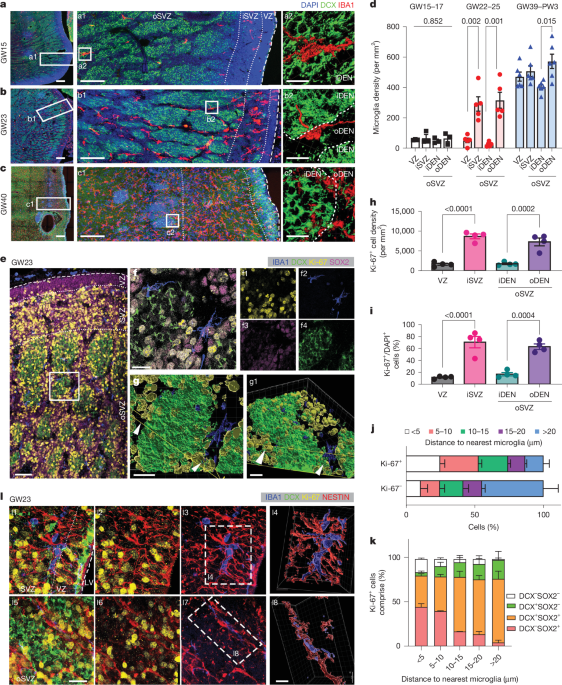
This study reveals that microglia regulate GABAergic interneuron development in the human prenatal brain by secreting IGF1, which promotes progenitor proliferation in the medial ganglionic eminence (MGE). Using human tissue analysis, single-nucleus transcriptomics, and human brain organoid models, the researchers demonstrate a species-specific distribution of microglia and their critical role in interneuron neurogenesis, highlighting potential implications for neurodevelopmental disorders.

Breakthrough in Comprehensive Human Cell Mapping Project

Originally Published 1 year ago — by Livescience.com

Featured image for Breakthrough in Comprehensive Human Cell Mapping Project
Source: Livescience.com

Scientists with the Human Cell Atlas project have made significant progress in mapping the 37 trillion cells in the human body, releasing over 40 papers detailing cell profiles from various organs and systems. This research aims to create a comprehensive atlas of human cells, highlighting differences across demographics and genetic backgrounds. The findings include insights into gastrointestinal diseases, early human development, and the creation of organoids, which are lab-grown mini-organs that mimic real organs. This work could lead to breakthroughs in understanding diseases and developing treatments.

"Novel Treatment Approaches Unveiled for Polycystic Kidney Disease"

Originally Published 1 year ago — by National Institutes of Health (NIH) (.gov)

Featured image for "Novel Treatment Approaches Unveiled for Polycystic Kidney Disease"
Source: National Institutes of Health (NIH) (.gov)

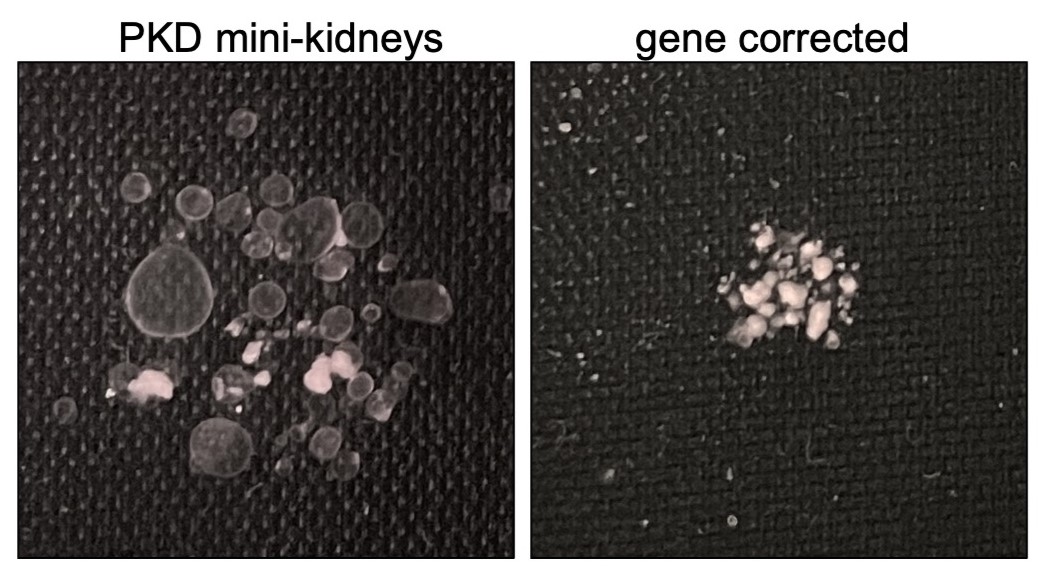
Scientists have made significant progress in understanding and potentially treating polycystic kidney disease (PKD) by using gene editing and 3-D human cell models to study the genetics of the disease. They discovered that a single normal gene copy can prevent the formation of cysts in PKD, offering potential for tailored gene therapy. Additionally, a type of drug called glycoside was found to counteract the effects of the defective gene. These findings could lead to new therapeutic approaches for treating PKD, which affects millions worldwide. The study was partially funded by the National Institutes of Health (NIH) and is published in Cell Stem Cell.

"Key Factor in Human Brain Expansion Identified Through Organoids Research"

Originally Published 1 year ago — by Phys.org

Featured image for "Key Factor in Human Brain Expansion Identified Through Organoids Research"
Source: Phys.org

A study led by Dr. Mareike Albert at the Center for Regenerative Therapies Dresden has identified a growth factor, epiregulin, as a crucial regulator for the expansion of the neocortex in humans. Using 3D brain organoids, the research team found that epiregulin promotes the division and expansion of stem cells in the developing human brain. The study also compared the effect of epiregulin in human and gorilla brain organoids, revealing that the amount of the growth factor may be the crucial regulator for inter-species differences in brain expansion. This research not only advances our understanding of human uniqueness but also highlights the importance of new technologies that offer ethical and non-invasive complements to animal research.

"Amniotic Fluid Cells Yield Breakthrough in Mini-Organ Growth"

Originally Published 1 year ago — by VOA Learning English

Featured image for "Amniotic Fluid Cells Yield Breakthrough in Mini-Organ Growth"
Source: VOA Learning English

British researchers have successfully grown mini-organs, or organoids, using cells extracted from the amniotic fluid of pregnant women. These mini-organs could be used for testing new medical treatments and studying the workings of full-size organs. The method does not violate rules governing the direct removal of stem cells from fetal tissue and could lead to future treatments for conditions present before birth. Additionally, the research has the potential to improve the prognosis and treatment of conditions such as congenital diaphragmatic hernia before birth.

"Growing Mini Organs from Fetal Cells in Amniotic Fluid: A Breakthrough Study"

Originally Published 1 year ago — by ScienceAlert

Featured image for "Growing Mini Organs from Fetal Cells in Amniotic Fluid: A Breakthrough Study"
Source: ScienceAlert

Scientists have successfully grown organoids of human organs from live fetus cells, offering new insights into prenatal development and potential treatments for malformations. These organoids, developed from amniotic fluid cells, mimic the functions of real tissues and can be used to study diseases and human biology. The breakthrough could lead to prenatal diagnosis and treatment of conditions such as congenital diaphragmatic hernia, offering a new avenue for prenatal medicine and drug testing for unborn babies.

"Amniotic Fluid-Derived Organoids: A Breakthrough in Prenatal Medicine"

Originally Published 1 year ago — by Nature.com

Featured image for "Amniotic Fluid-Derived Organoids: A Breakthrough in Prenatal Medicine"
Source: Nature.com

Researchers have successfully grown organoids from cells found in amniotic fluid collected from ongoing pregnancies, offering a potential new way to study and understand congenital diseases that develop in the fetus during pregnancy. The organoids, which mimic tissue, were grown from lung, kidney, and small intestine cells and could provide insights into how congenital conditions progress and potentially personalize treatment for individual fetuses in the future. This method could offer a simpler and faster alternative to growing organoids from induced pluripotent stem cells, but further research is needed to determine their usefulness for modeling diseases and drug testing.

"Growing Fetal Organoids from Amniotic Fluid for Prenatal Treatment"

Originally Published 1 year ago — by The Guardian

Featured image for "Growing Fetal Organoids from Amniotic Fluid for Prenatal Treatment"
Source: The Guardian

Scientists have successfully grown mini-organs, known as organoids, from cells shed by foetuses in the womb, using untreated cells from amniotic fluid. This breakthrough could provide unprecedented insights into human development during late pregnancy and help diagnose and treat congenital disorders. The research has shown promise in studying conditions such as congenital diaphragmatic hernia and could potentially lead to testing drugs on organoids before administering them to unborn babies with congenital disorders. This approach may also shed light on the early origins of adult diseases and provide a new way to understand how key organs form and function in unborn babies.