
Dancing molecules drive repair in lab-grown human spinal cords
TL;DR Summary
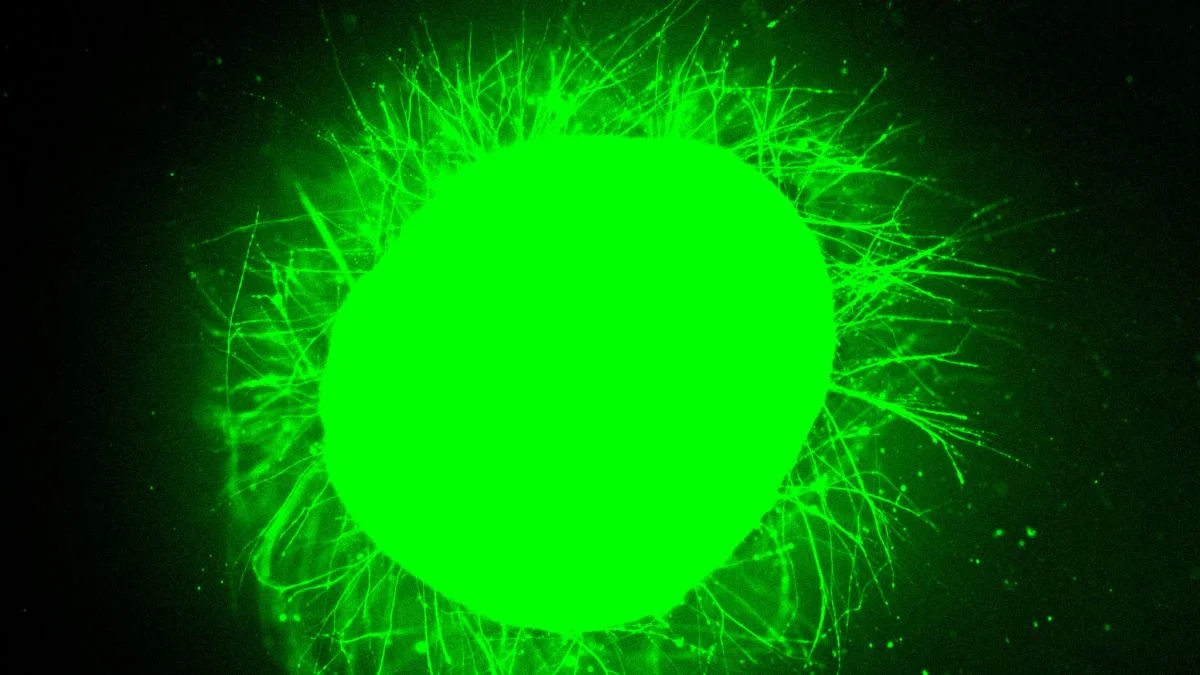
Northwestern researchers grew 3-millimeter-wide human spinal cord organoids from iPSCs, injured them in two ways, and treated them with IKVAV-PA 'dancing' supramolecular peptides that form a scaffold and promote axon regrowth. The treated tissues showed reduced glial scar and inflammation and enhanced neurite growth, aligning with prior mouse data and suggesting potential for human therapies—though clinical use is years away. The work was published in Nature Biomedical Engineering.
- Scientists Grew Mini Human Spinal Cords, Then Made Them Repair After Injury ScienceAlert
- Paralysis treatment heals lab-grown human spinal cord organoids Northwestern Now News
- Injury and therapy in a human spinal cord organoid Nature
- Reversing Paralysis? Human Mini Spinal Cord Shows Stunning Recovery After Injury SciTechDaily
- Spinal Cord Organoids Help Test Paralysis Treatment the-scientist.com
Reading Insights
Total Reads
0
Unique Readers
10
Time Saved
4 min
vs 5 min read
Condensed
93%
908 → 68 words
Want the full story? Read the original article
Read on ScienceAlert