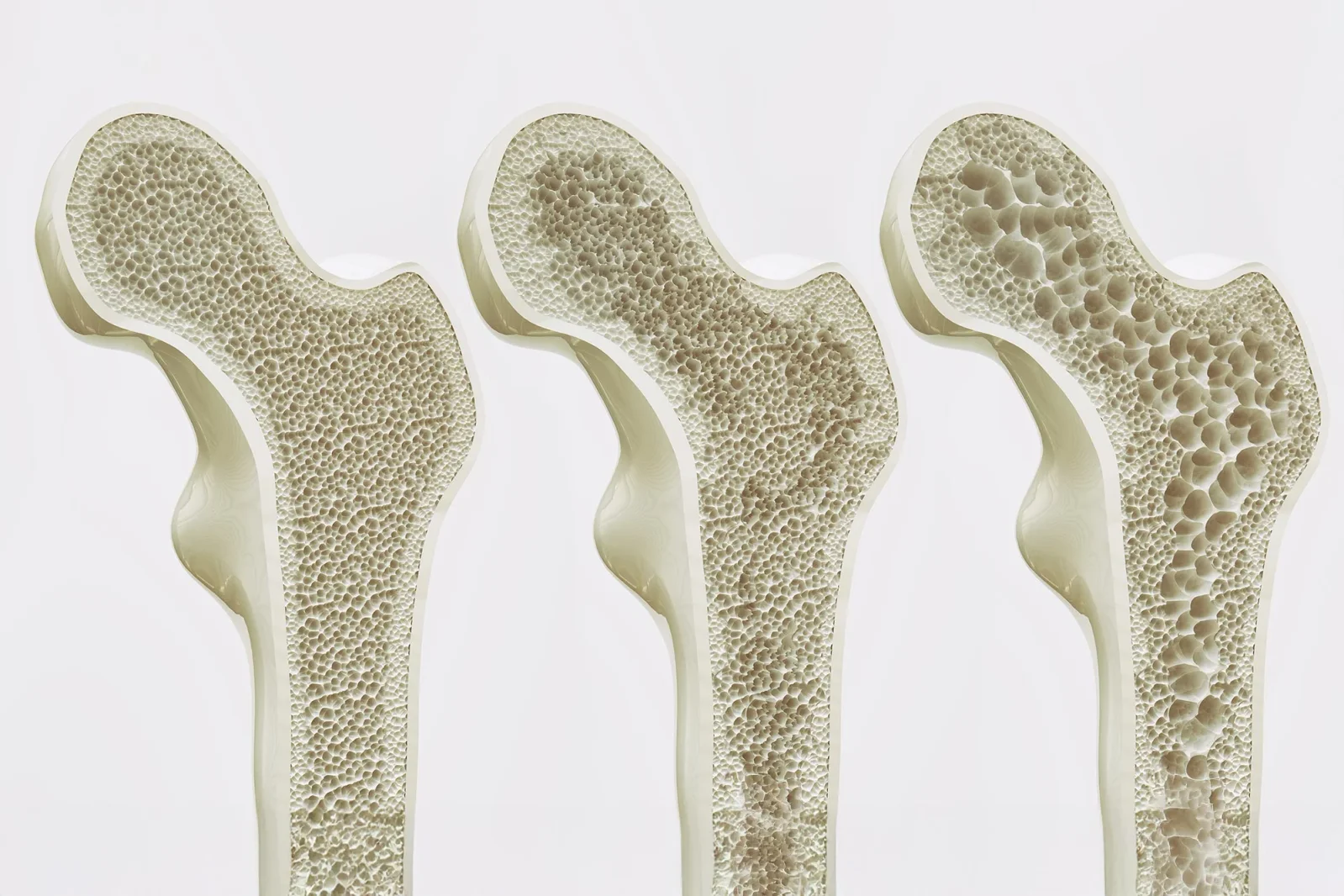
Scientists from HKUMed discovered that the Piezo1 protein acts as an 'exercise sensor' in bones, translating physical activity into signals that strengthen bones and reduce fat accumulation in bone marrow. This breakthrough could lead to the development of drugs that mimic exercise effects, offering new treatments for osteoporosis, especially for those unable to exercise.
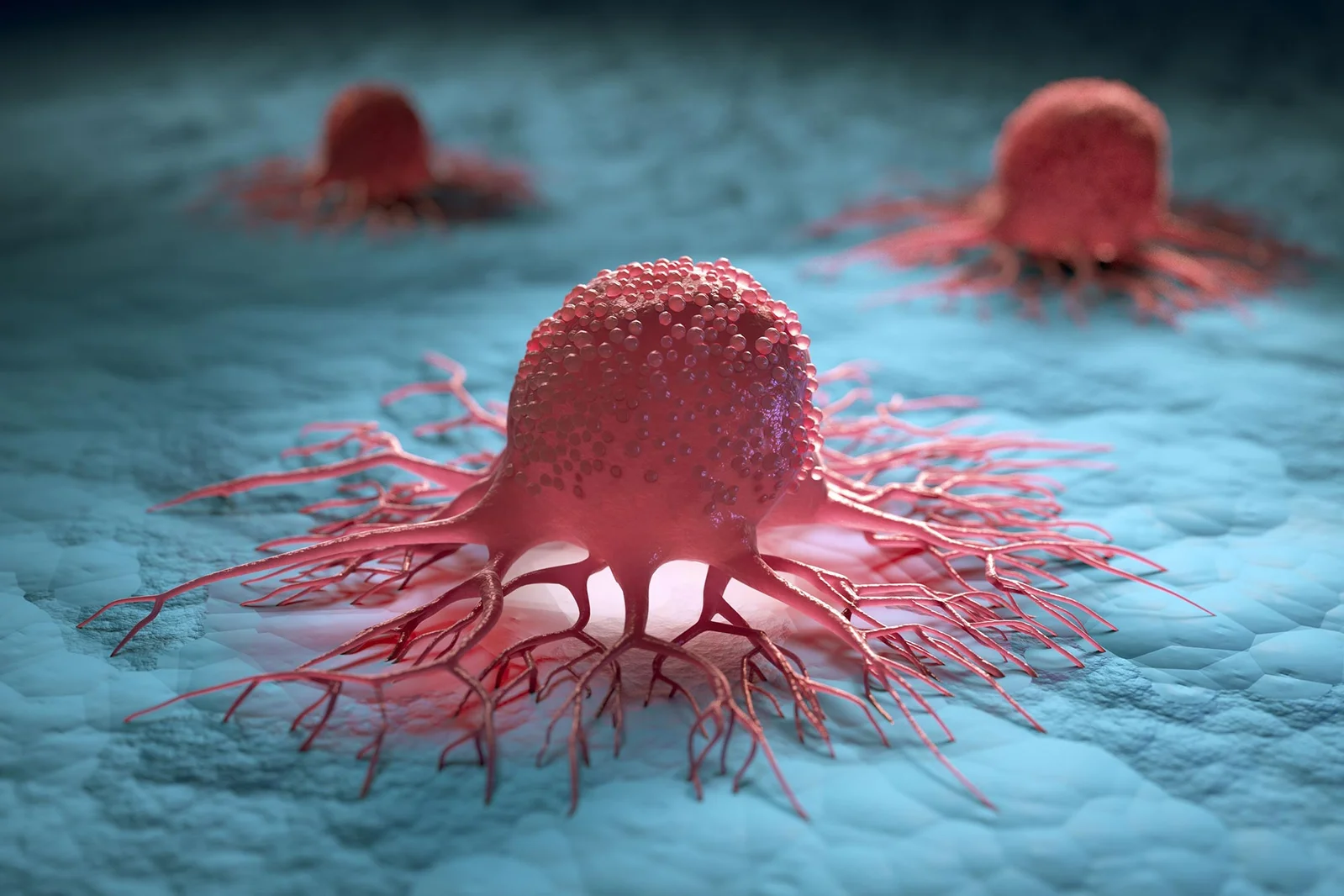
Scientists have discovered that a vitamin A metabolite, retinoic acid, can suppress the immune system's ability to fight cancer by promoting immune tolerance. They developed inhibitors that block this pathway, restoring immune responses and improving cancer vaccine efficacy, paving the way for new immunotherapy treatments.
AI is significantly improving the pharmaceutical industry by addressing the high failure rate and lengthy, costly process of drug development, which can take over a decade and cost nearly $3 billion per successful drug.
Ocular Therapeutix is at a critical juncture as it seeks to demonstrate the effectiveness of a more durable eye treatment, with its recent turnaround story still needing to prove tangible results amid ongoing industry challenges.
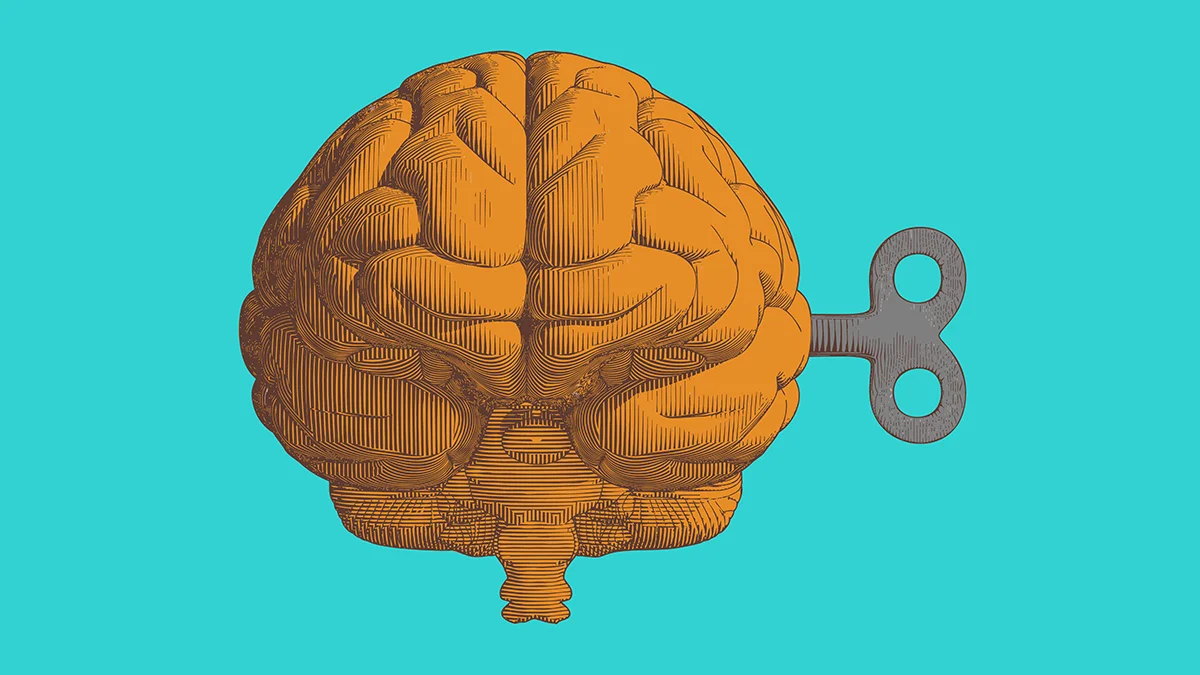
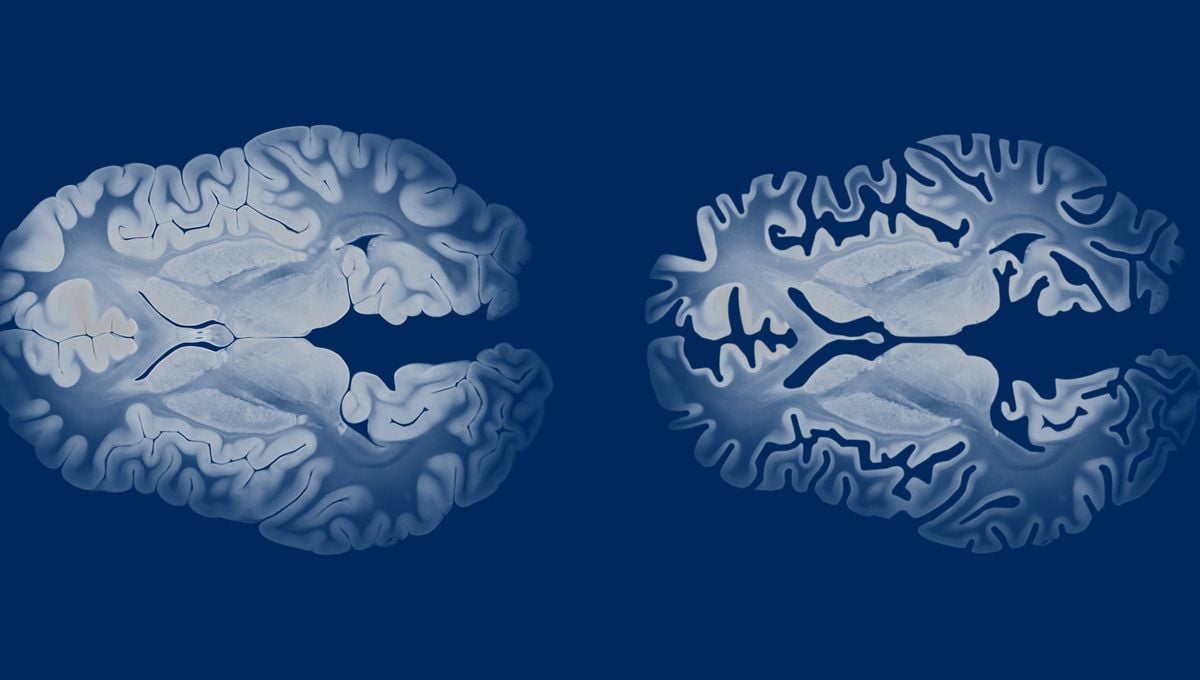
A new study shows that the drug candidate P7C3-A20 can restore cognitive functions, reduce brain damage, and repair the blood-brain barrier in mice with advanced Alzheimer's, suggesting potential for future human treatments by restoring NAD+ levels, though more research is needed.
A promising experimental drug called NU-9 has shown potential in preventing Alzheimer's disease in mice by targeting toxic amyloid-β protein subtypes early in the disease process, with future human trials and early diagnostic tests on the horizon.
Scientists have discovered two brain receptors, SST1 and SST4, that regulate the breakdown of amyloid beta, a protein linked to Alzheimer's disease. Activating these receptors increases neprilysin levels, reduces amyloid plaques, and improves memory in models, suggesting a potential new, safer, and less expensive treatment approach compared to current antibody therapies.
Johnson & Johnson has discontinued its experimental eczema medication after it failed to meet efficacy standards, ending its $1.25 billion investment in the drug.
Johnson & Johnson has discontinued its mid-stage trial of the experimental eczema drug JNJ-5939 after it failed to meet efficacy goals, but remains committed to developing other treatments for atopic dermatitis.
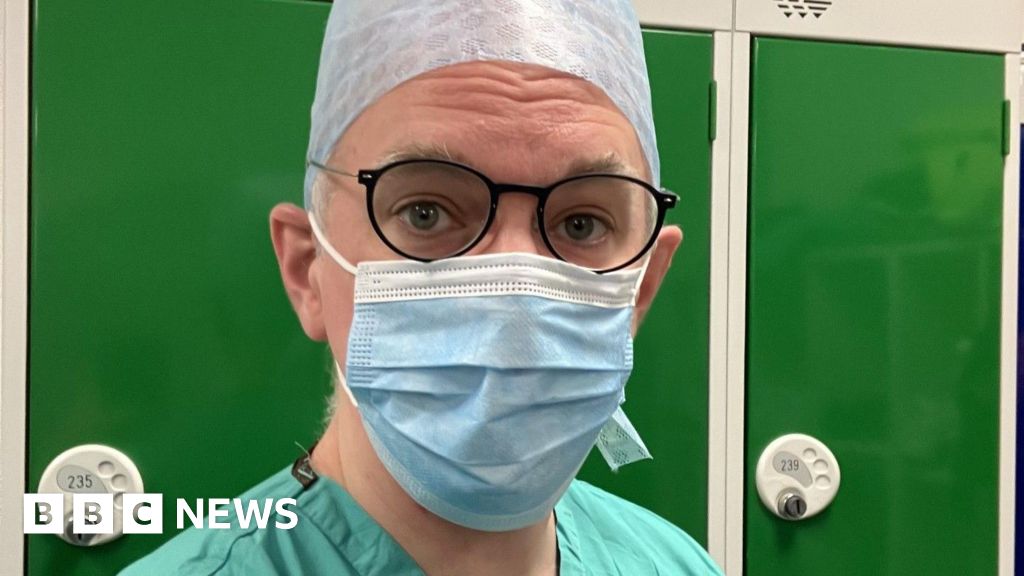
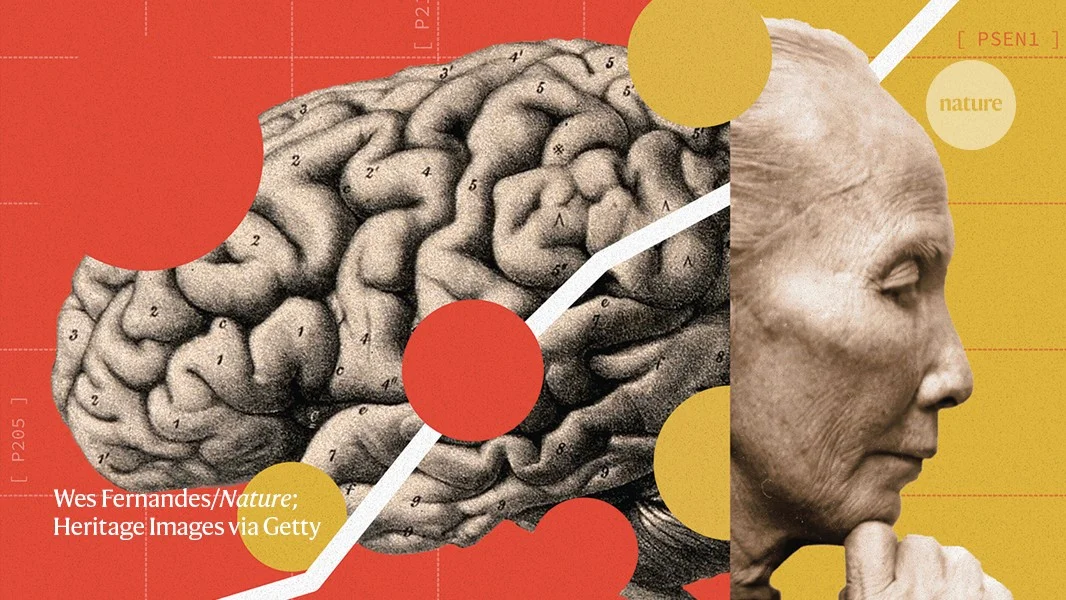
The article explores cutting-edge Alzheimer's research, including brain surgery to collect tissue, laboratory studies on toxic proteins, and promising drug developments, suggesting that curing Alzheimer's may be achievable in the future.
Scientists at Northwestern University have developed an experimental drug, NU-9, that could potentially prevent Alzheimer's disease by targeting toxic proteins early in the disease process, before symptoms appear, with testing ongoing in animal models.
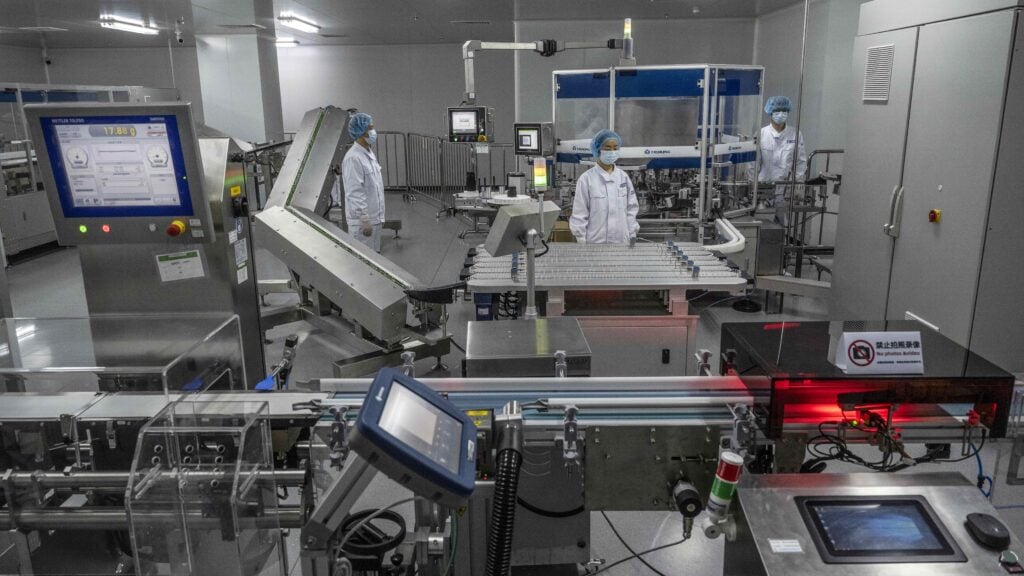
Chinese biotech industry is rapidly advancing, developing drugs faster and more cost-effectively than other countries, potentially leading to a new paradigm in drug discovery beyond traditional target-based methods.
A new drug, tofersen, shows promise in slowing or reversing symptoms of a rare form of ALS by targeting the SOD1 mutation, with some patients experiencing significant improvements and reduced risk of death, marking a potential breakthrough in ALS treatment.
The biotech sector is reaching a turning point as development-stage companies are maturing, with drugs gaining approvals and generating revenue, leading to increased profitability and attracting more generalist investor interest, supported by optimistic financial forecasts through 2030.
Two young sisters, Carina and Serena Kern-Libera, have founded LinkGevity to develop a pioneering drug targeting necrosis, a key process in ageing, with promising lab results and plans for human trials, aiming to extend healthy lifespan and address age-related diseases.