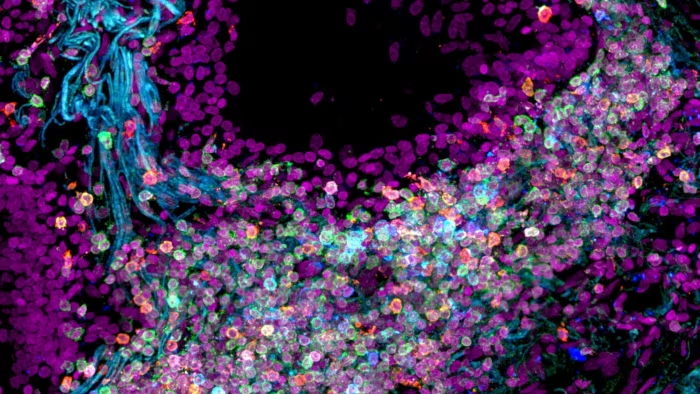
The Human Cell Atlas project, involving over 3,600 researchers from more than 100 countries, has made significant progress in mapping the human body's cells, akin to the Human Genome Project. This initiative has analyzed over 100 million cells from 10,000 people, revealing thousands of cell types and offering new insights into diseases and potential treatments. Recent findings include mapping the gut's cells, understanding the skeleton's formation, and identifying a new cell type in the respiratory tract. The project aims to complete its first draft by 2026, providing a comprehensive cellular map to enhance understanding of health and disease.
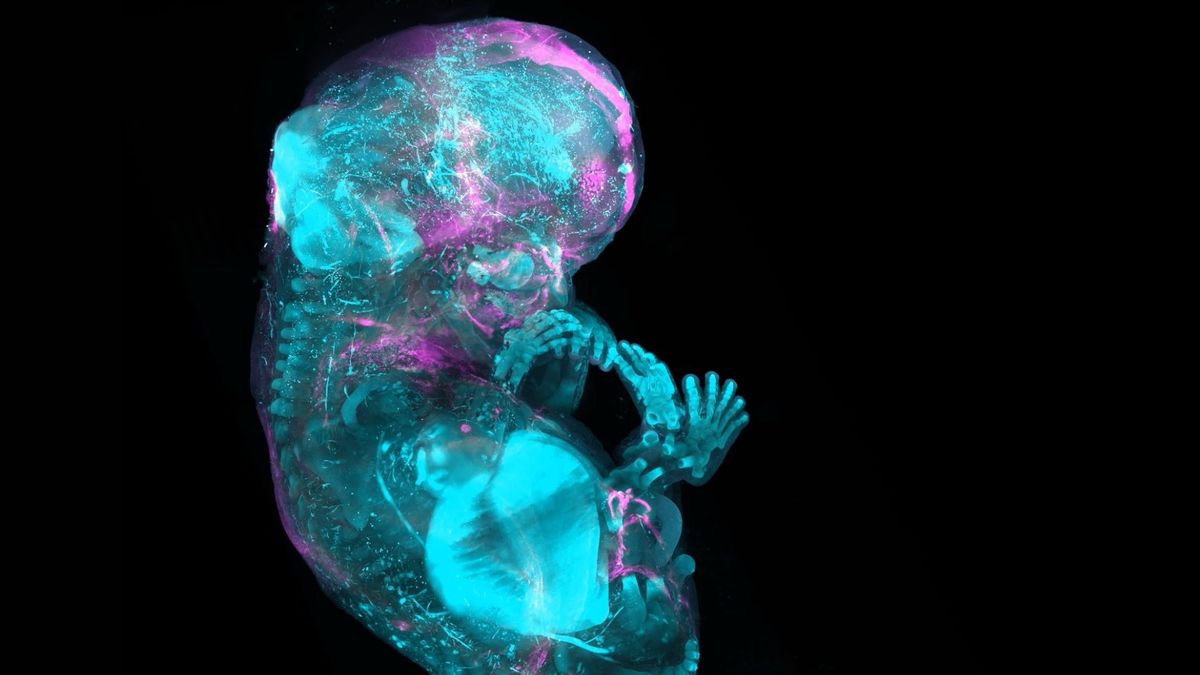
Scientists with the Human Cell Atlas project have made significant progress in mapping the 37 trillion cells in the human body, releasing over 40 papers detailing cell profiles from various organs and systems. This research aims to create a comprehensive atlas of human cells, highlighting differences across demographics and genetic backgrounds. The findings include insights into gastrointestinal diseases, early human development, and the creation of organoids, which are lab-grown mini-organs that mimic real organs. This work could lead to breakthroughs in understanding diseases and developing treatments.
The Human Cell Atlas (HCA) consortium has published over 40 studies that provide groundbreaking insights into human biology by mapping over 100 million cells from 10,000 individuals. These studies, which cover areas like brain development and COVID-19 lung responses, highlight the use of AI in understanding cellular mechanisms. The HCA aims to create a comprehensive "Google Maps" for cell biology to enhance diagnostics, drug discovery, and regenerative medicine, emphasizing diversity to ensure a globally inclusive understanding of health and disease.
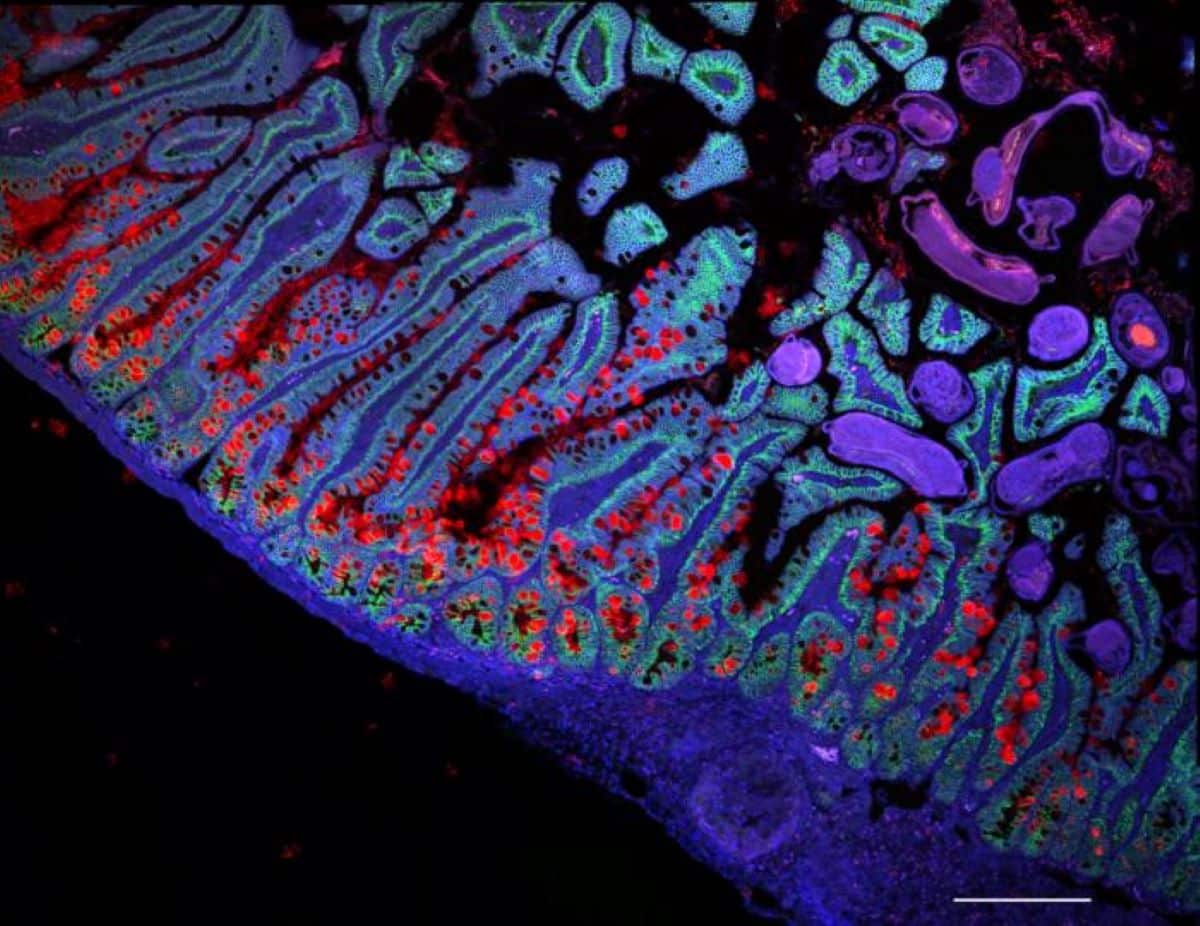
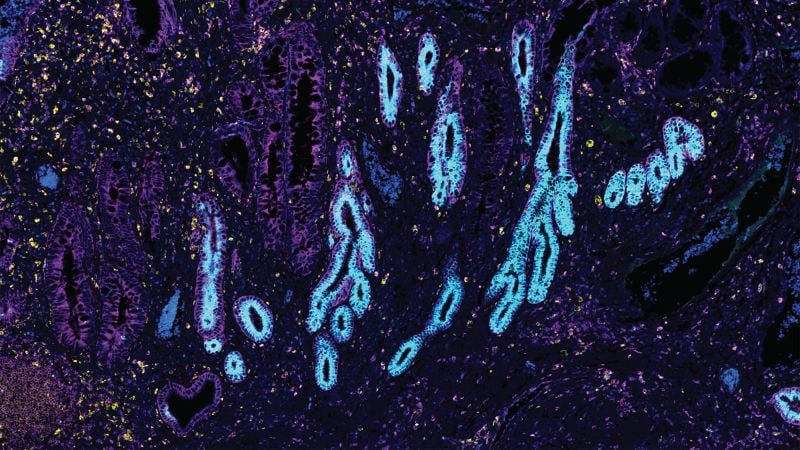
Scientists have made significant progress in the Human Cell Atlas project, unveiling a blueprint of human skeletal development and mapping various cell types to better understand human health and disease. This global initiative, started in 2016, aims to create a comprehensive atlas of all human cell types. Recent findings include insights into bone growth, congenital conditions, and potential links between early bone cell genes and adult hip arthritis. The research, published in Nature, also explores the gastrointestinal tract and thymus, contributing to understanding diseases like cancer and Crohn's disease.
The Human Cell Atlas project, likened to a 'Google Maps' for cell biology, has made significant strides in understanding the role of cells in diseases such as chronic gut conditions and arthritis. By mapping 100 million cells from over 10,000 people, the project aims to create comprehensive reference maps of all human cells, enhancing insights into health and disease. This initiative, involving thousands of researchers globally, has already published over 40 papers, highlighting discoveries like a cell type linked to inflammation and insights into skeletal formation. The project emphasizes diversity in its data to ensure comprehensive health insights.
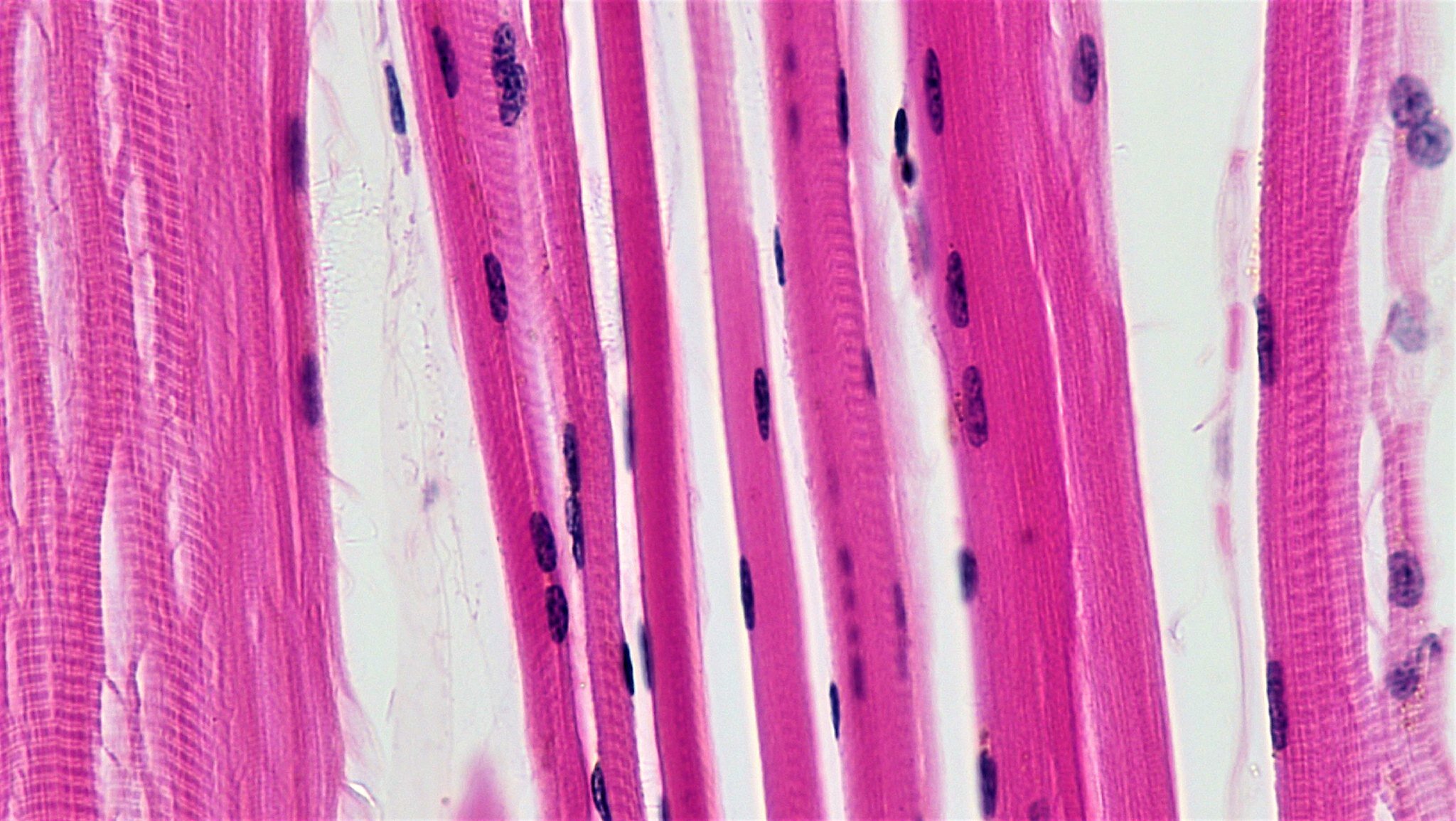
A new study has revealed the first comprehensive atlas of aging muscles in humans, shedding light on the mechanisms underlying age-associated muscle decline. The research, part of the Human Cell Atlas initiative, found that while aging muscles show reduced activity in genes controlling cellular protein factors and increased production of pro-inflammatory molecules, compensatory mechanisms are also at play. These insights have the potential to inform therapeutic strategies for promoting healthier aging in the future.
Researchers have created the first comprehensive atlas of aging muscles in humans, shedding light on the cellular and molecular changes that occur with aging. The study reveals new cell populations and compensatory mechanisms that muscles employ to combat aging, offering potential avenues for future therapies and interventions to improve muscle health and quality of life as we age. The findings provide valuable insights into healthy skeletal muscle aging and have the potential to inform strategies for promoting healthier aging in future generations.
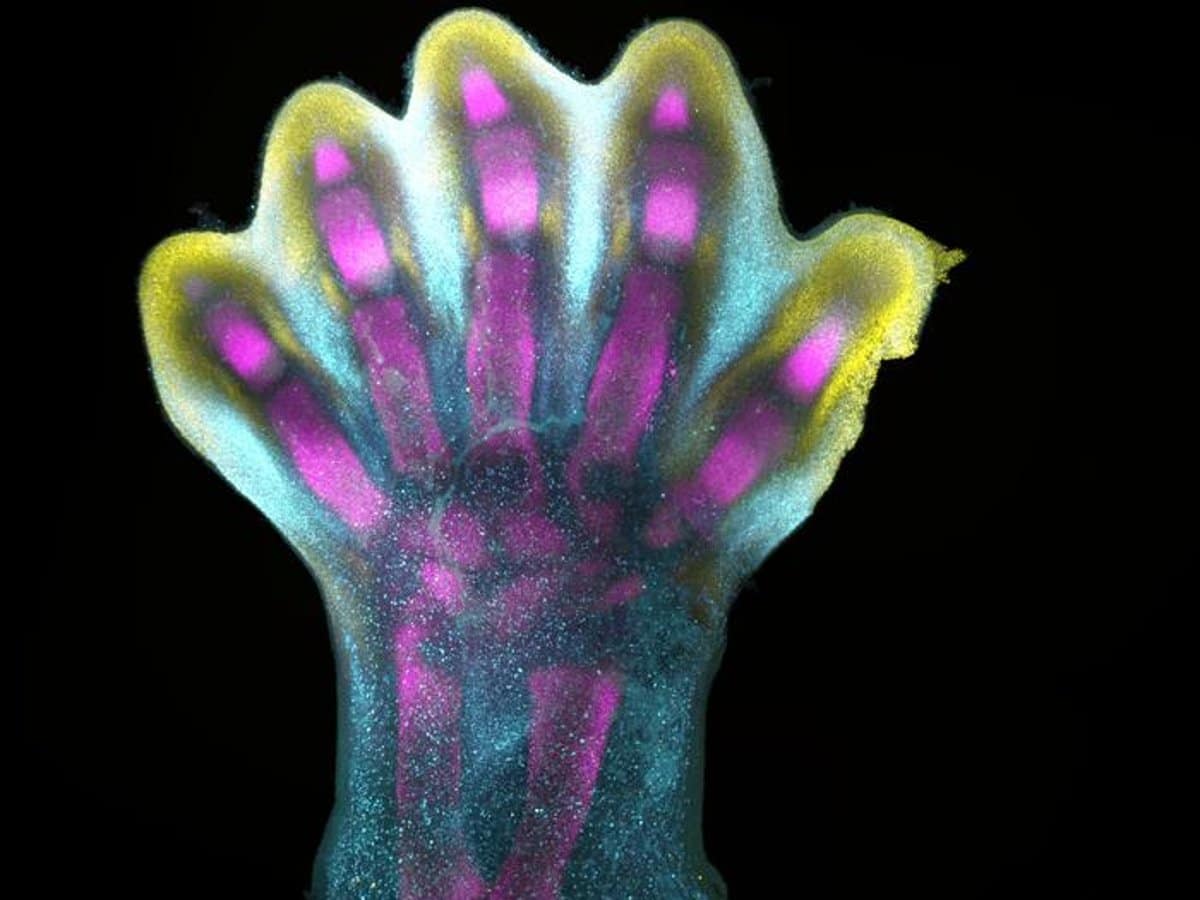
Scientists have created a spatial cell atlas of human limb development, providing a detailed map of the cellular landscape during early limb formation. This groundbreaking research, part of the Human Cell Atlas initiative, offers insights into congenital limb syndromes and deepens our understanding of human anatomy. The atlas uncovers new links between developmental cells and limb disorders, such as short fingers and extra digits. The study highlights the complex and precise process of limb development and has implications for diagnosing and treating limb-related disorders.
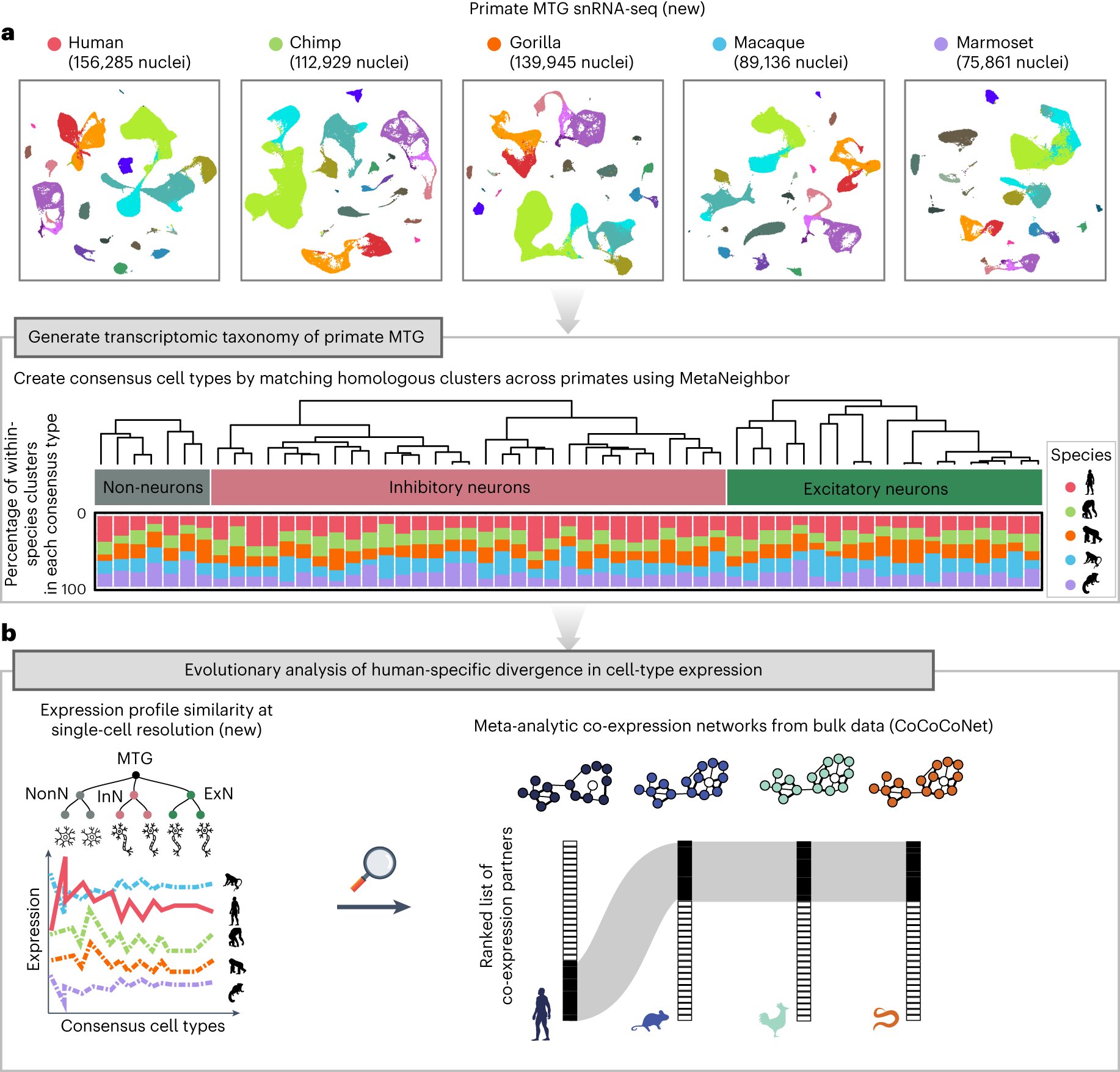
A study led by researchers at the University of Toronto has identified over 100 genes that have undergone evolutionary divergence only in humans, potentially contributing to our unique cognitive ability. These genes are expressed differently in human brains compared to chimpanzees, gorillas, macaques, and marmosets. The findings suggest that reduced selective pressure may have allowed these genes to develop higher-level cognitive capacity. The study is part of the Human Cell Atlas initiative, which aims to map all human cells to better understand health and disease. The research provides insights into the cellular differences between humans and other primates and offers a database for further genetic characterization across primates.
Researchers from the Wellcome Sanger Institute have discovered that the seemingly useless yolk sac in human embryos actually plays a crucial role in the development of the immune system. By sequencing RNA strands from human yolk sac cells, the researchers created a detailed atlas of the tissues, revealing that the yolk sac is responsible for producing the first blood cells and contributing to various important early functions. The study also identified significant differences between human yolk sac tissues and those in typical lab models, providing valuable insights into early human development and potential applications in disease research and tissue engineering.
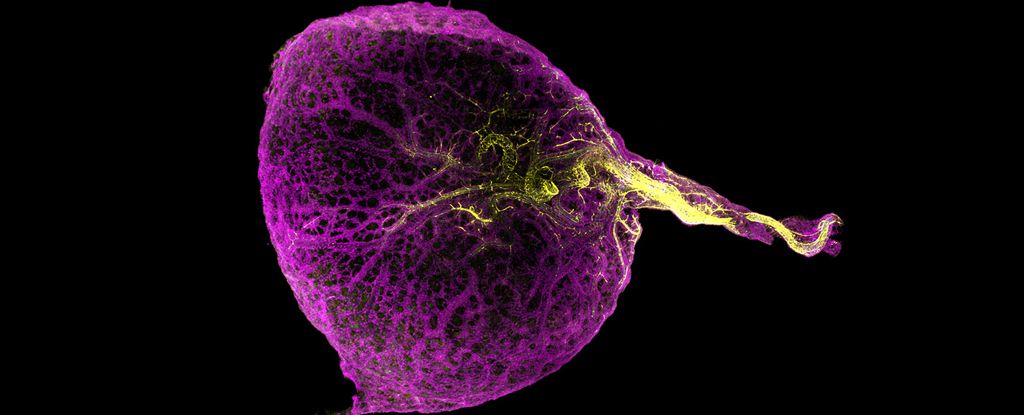
The Human Cell Atlas (HCA) project, launched in 2016, has enabled researchers to uncover the secrets of the placenta, the temporary organ that supports the unborn child. Understanding the mechanics of its functioning is crucial in ensuring healthy and viable pregnancies. The HCA project has also revealed cellular secrets of the immune system, brain, lungs, and other organs, discovering thousands of new types of cells in humans. The project uses single-cell genomics to sequence and characterise individual cells in tissue samples, enabling the identification of rare cells that are crucial in ensuring the proper functioning of organs in the body.