A new study argues that preeclampsia, a pregnancy complication, could have reduced Neanderthal fertility and contributed to their extinction, but leading paleoanthropologists say the claim is speculative and labels it a thought experiment rather than a proven cause.
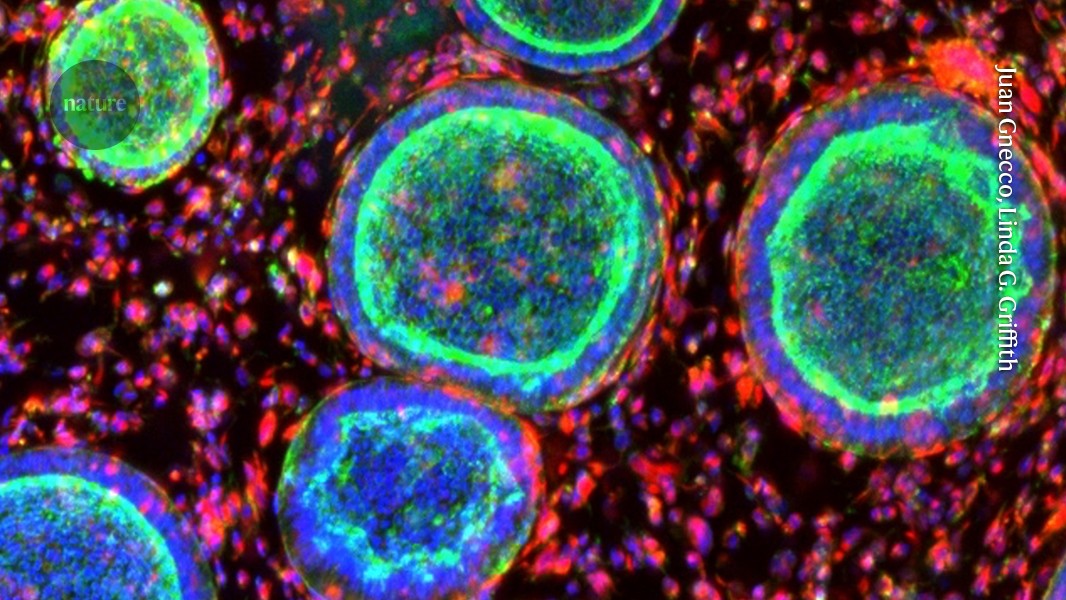
Scientists are developing mini organoids of the placenta, ovaries, and uterine lining to better understand women's reproductive health, addressing limitations of animal models and exploring conditions like pre-eclampsia and endometriosis, with potential to revolutionize diagnosis and treatment.
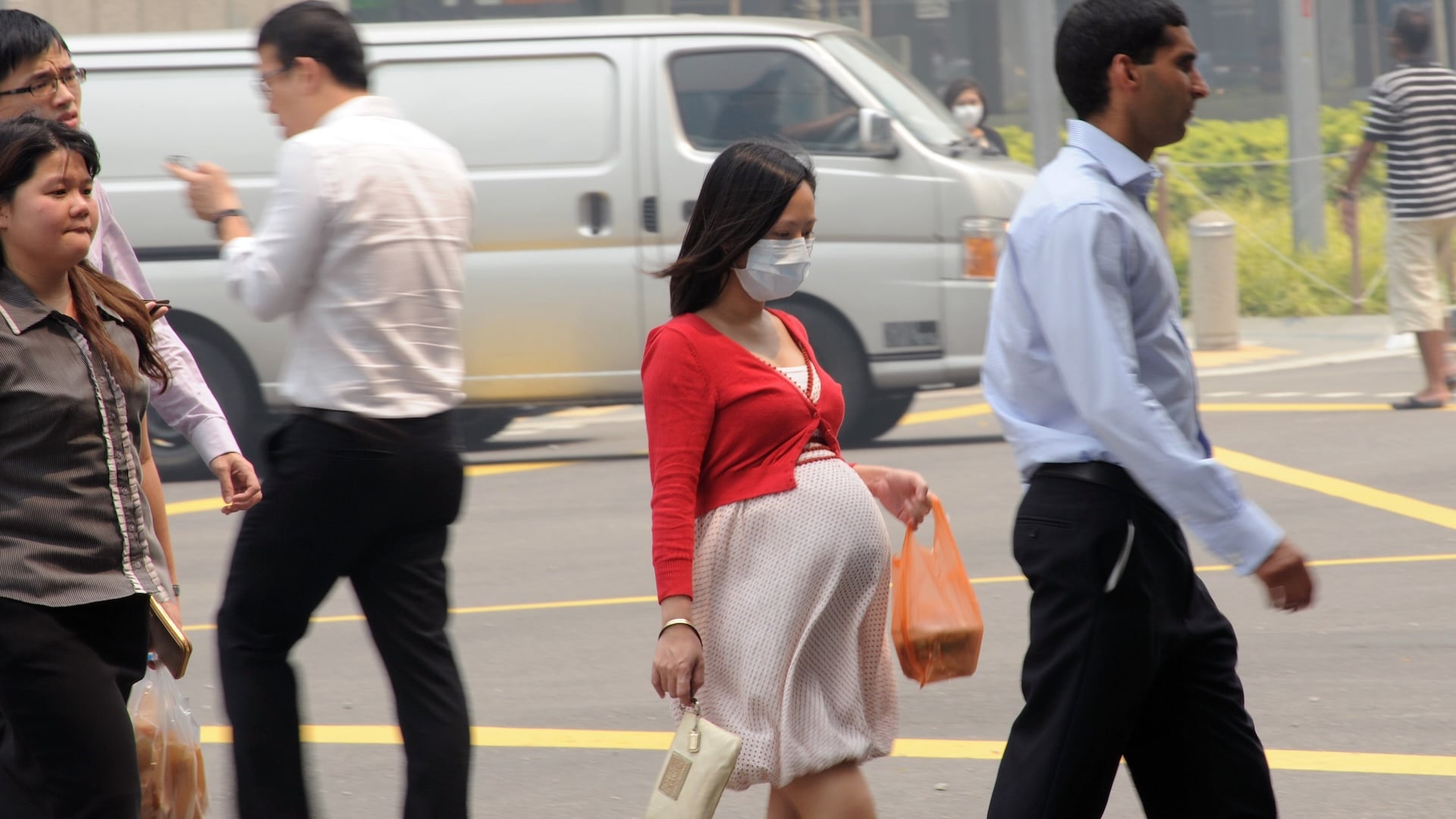
Research indicates that even brief exposure to air pollution can cause structural and inflammatory changes in the placenta, potentially increasing the risk of pregnancy complications like preeclampsia, highlighting the importance of reducing air pollution exposure during pregnancy.
The article discusses the rising trend of consuming placenta in various forms such as capsules, smoothies, and artwork, fueled by celebrity endorsements and social media, despite lacking scientific evidence of health benefits and posing potential health risks like infection and metal contamination.
DJ Calvin Harris announced the birth of his son Micah on 20 July, sharing photos of the post-birth moments and a graphic image of the placenta, which sparked mixed reactions online. The post included praise for normalizing childbirth and the organ's significance, though some found the images graphic or unnecessary.
Calvin Harris announced the birth of his son Micah and shared photos including images of his wife's placenta, which they appear to be dehydrating for health benefits, along with pictures of the water birth and family moments.
A new study suggests that hormones produced by the placenta, such as estrogen and testosterone, may have played a crucial role in the evolution of the human brain and social traits by influencing brain size, connectivity, and social behavior, highlighting pregnancy as a key factor in human development.
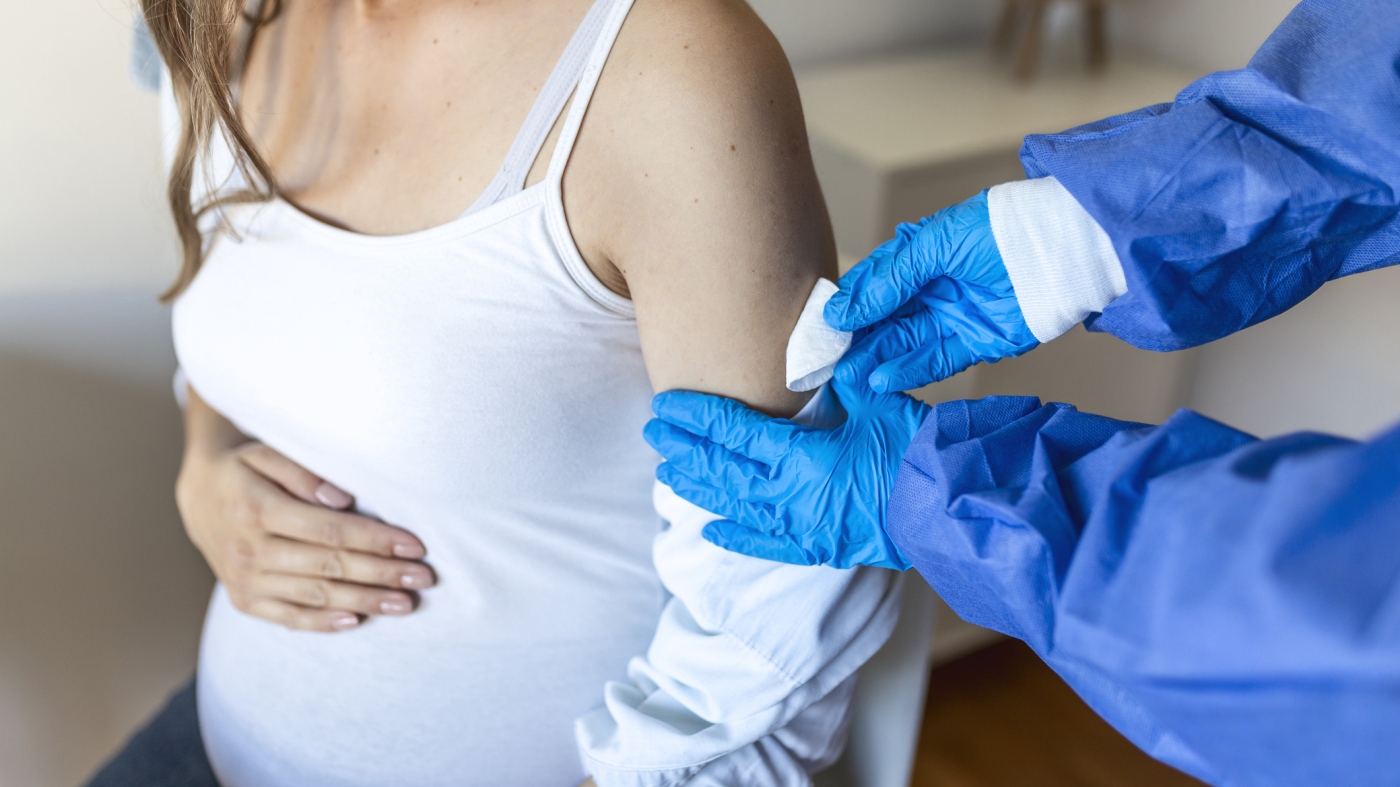
The article discusses the importance and safety of COVID vaccination during pregnancy, highlighting that pregnant women are at higher risk of severe illness and complications from COVID, including effects on the placenta and increased risk of blood clots. Despite some recent policy changes removing the vaccine from recommended schedules for pregnant women, scientific evidence supports vaccination to protect both mothers and infants, with ongoing research emphasizing its benefits. The article also notes concerns about reduced surveillance and access issues due to policy shifts.
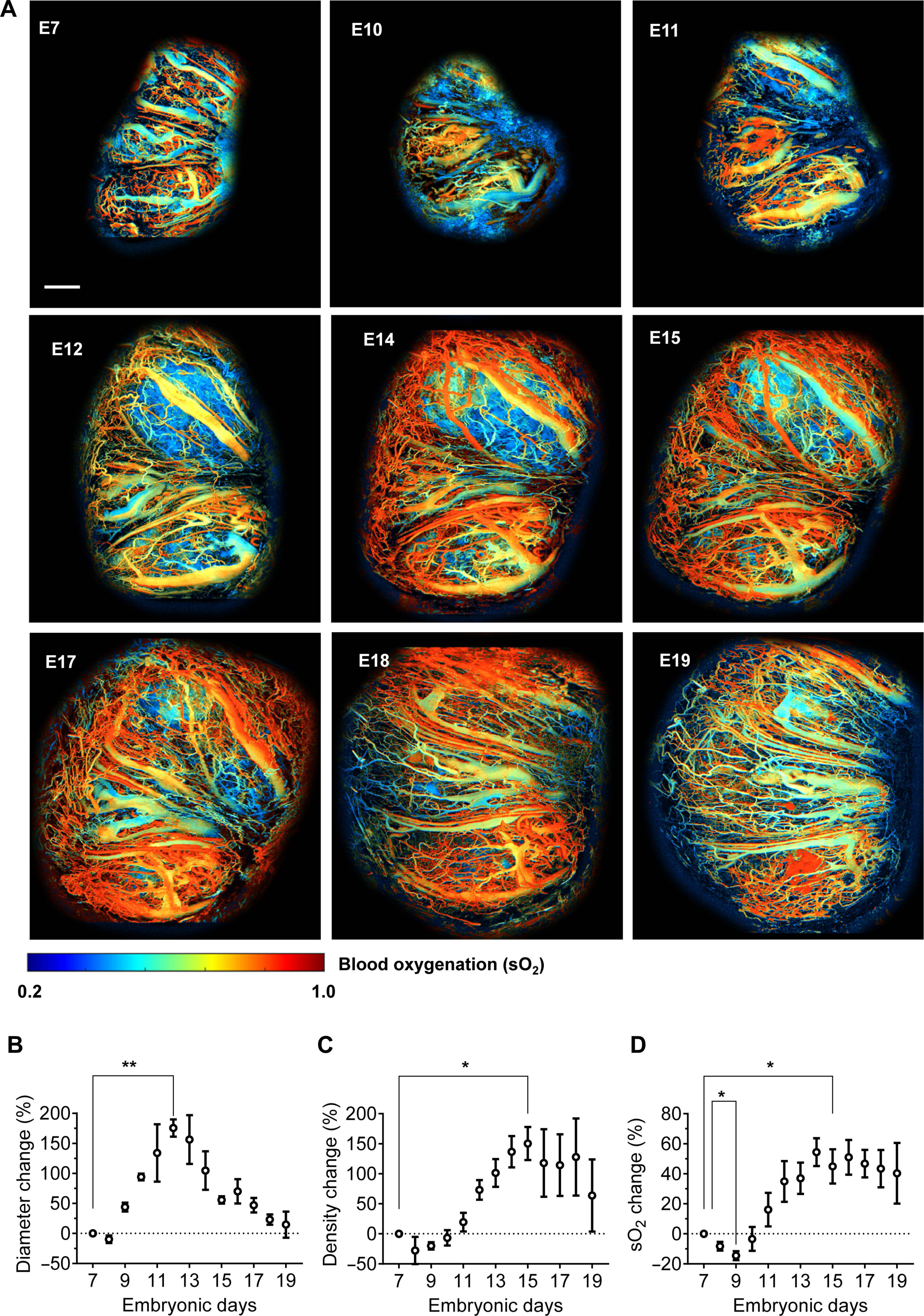
Researchers study an anemic blue compact dwarf galaxy, I Zwicky 18, using the James Webb Telescope, finding extreme populations of massive stars and large supershells of dust and ionized gas. A new genus of fluffy longhorn beetle, Excastra albopilosa, is discovered in Australia, possibly evolving its fuzzy coat as a predator deterrent. Astronomers report that quasar H1821+643, located 3.4 billion light-years from Earth, has little influence on its surroundings compared to other black holes. Duke University researchers develop a technique to capture high-definition images of mouse placental development, tracking blood vessel size and density, and oxygen levels from early to late pregnancy stages.
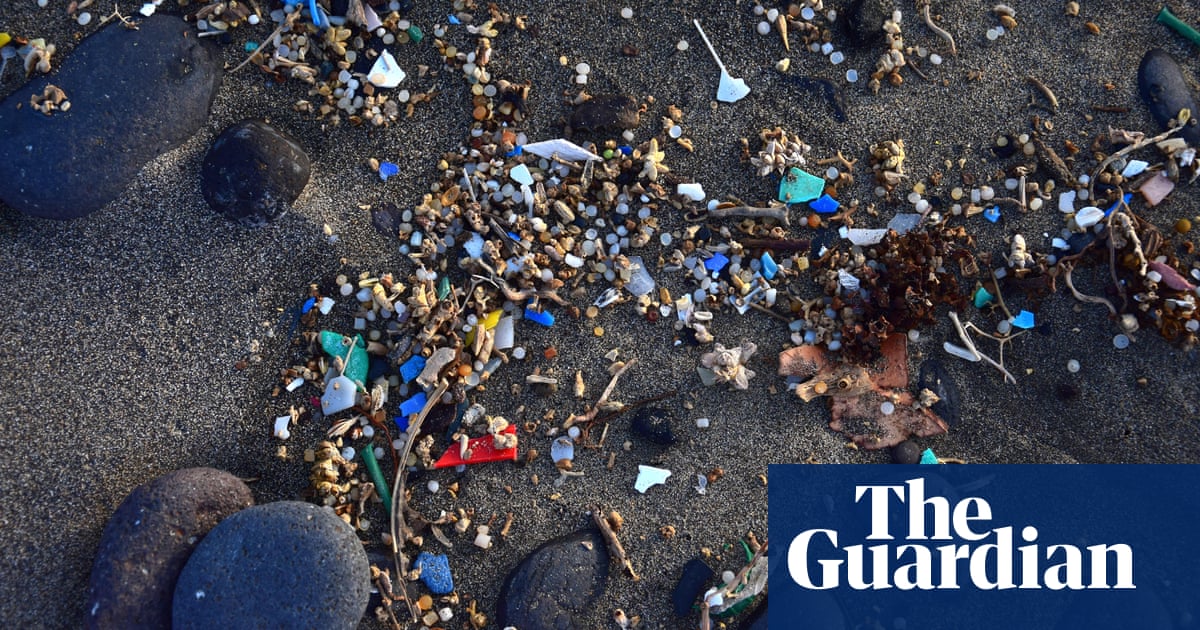
Scientists have discovered microplastics in all 62 human placentas they examined, with polyethylene being the most frequently detected type. This finding raises concerns about the potential impact on human health, as microplastics have been linked to DNA damage, immune and metabolic system issues, and other health problems. The discovery is particularly worrying as the placenta develops over a short period during pregnancy. Efforts to limit exposure to microplastics and reduce plastic waste are underway, with solutions including specialty water filters and plastic-eating bacteria, but rethinking our relationship with plastic and switching to reusable alternatives is crucial to address this concerning issue.
A study reveals that the oxygenation levels in the placenta during the last trimester of pregnancy are a key predictor of the development of the cerebral cortex and likely childhood cognition and behavior. Utilizing magnetic resonance imaging (MRI) for a more accurate assessment of placental health, the research highlights the placenta’s critical role in early neurodevelopment and opens the door to potential early interventions and treatments for neurodevelopmental disorders. The study also emphasizes the importance of monitoring placental health for early detection of potential cognitive and behavioral issues in children, pointing towards new directions for prenatal care and interventions.
A study found microplastics in every human placenta tested, raising concerns about potential health impacts on developing foetuses. The most common plastic detected was polyethylene, used in plastic bags and bottles. Microplastics have also been found in human arteries, blood, and breast milk, indicating widespread contamination. The impact on health is unknown, but they have been shown to cause damage to human cells in the laboratory. The growing concentration of microplastics in human tissue could explain increases in health problems, including inflammatory bowel disease and declining sperm counts. The research highlights the worsening problem of microplastics in the environment due to the increasing global production of plastics.
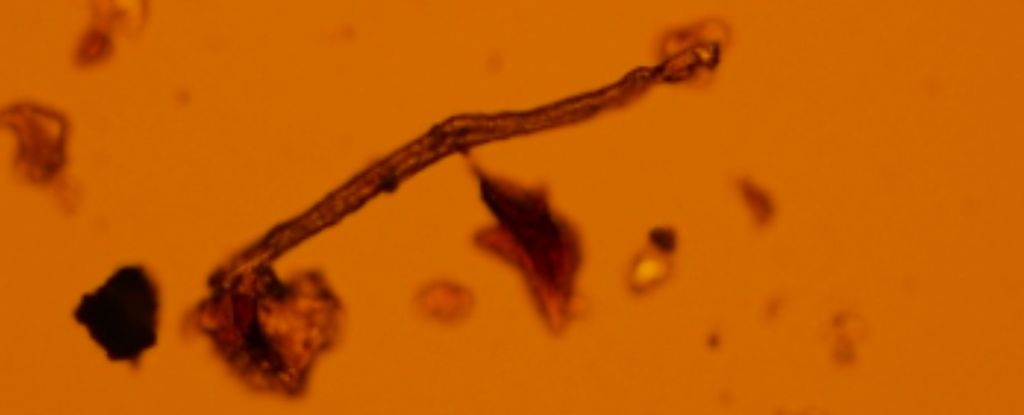
A study has found microplastics in every human placenta tested, with concentrations ranging from 6.5 to 685 micrograms per gram of tissue. The impact of this plastic pollution on fetal and maternal health is still unknown, but concerns are rising as environmental plastic pollution worsens. Researchers used a new technique to identify tiny plastic particles and fibers in the largest sample of placentas yet, and found that more than half of the plastics in placenta are polyethylene. Further research is needed to evaluate the potential impacts of nano microplastics on adverse pregnancy outcomes and to determine the extent of their negative effects on growth and development.
A study conducted by the University of New Mexico found microplastics in placental tissue samples from 62 women, with concentrations ranging from 6.5 to 790 micrograms per gram of tissue. The study raises concerns about the potential impact on placental health and the broader implications for mammalian life. Researchers emphasized the need for further investigation into the health effects of microplastics, as their presence in placental tissues remains puzzling and the overall trajectory of plastic pollution is concerning.
A study at the University of New Mexico found potentially toxic microplastics in 100 percent of human placenta samples tested, with an average concentration of 128.6 micrograms per gram of placenta. These microplastics, linked to health issues like cancers and fertility problems, are believed to impact all mammalian life. The study used a new method, pyrolysis-gas chromatography and mass spectrometry (Py-GC-MS), to extract and analyze the tiny particles. While it's too early to panic about exposure to microplastics during pregnancy, researchers believe that the presence of microplastics in the placenta likely means they reached the developing fetus, possibly through a transport process involving fats.