Advocates for rare diseases express concern after the FDA rejected Regenxbio’s MPS type 2 gene therapy and signals a more cautious, data-heavy approval path that could delay access to promising treatments highlighted by newborn screening.
Sarepta Therapeutics said CEO Doug Ingram will retire by year-end after a decade in which he steered the company to three Duchenne drug approvals and a peak value around $15 billion, followed by a downturn as safety concerns around its gene therapy and the rise of superior rivals weighed on the stock; Ingram cited family health reasons—his wife and son were diagnosed with myotonic dystrophy—and Sarepta is searching for a successor.
The FDA rejected Regenxbio’s RGX-121 for Hunter syndrome, citing unresolved issues in the trial design (defining the patient population), use of a natural history control, and a biomarker surrogate endpoint, with a PDUFA date already pushed from 2025. Regenxbio plans to resubmit with longer-term data. The decision follows a broader context of safety concerns linked to Regenxbio’s RGX-111 and its brain-tumor event, but the FDA noted those issues were not cited as reasons for RGX-121’s rejection. Industry experts emphasize ongoing questions around biomarker-based approvals and vector-related safety, underscoring the urgent need for effective therapies in these ultra-rare MPS diseases.
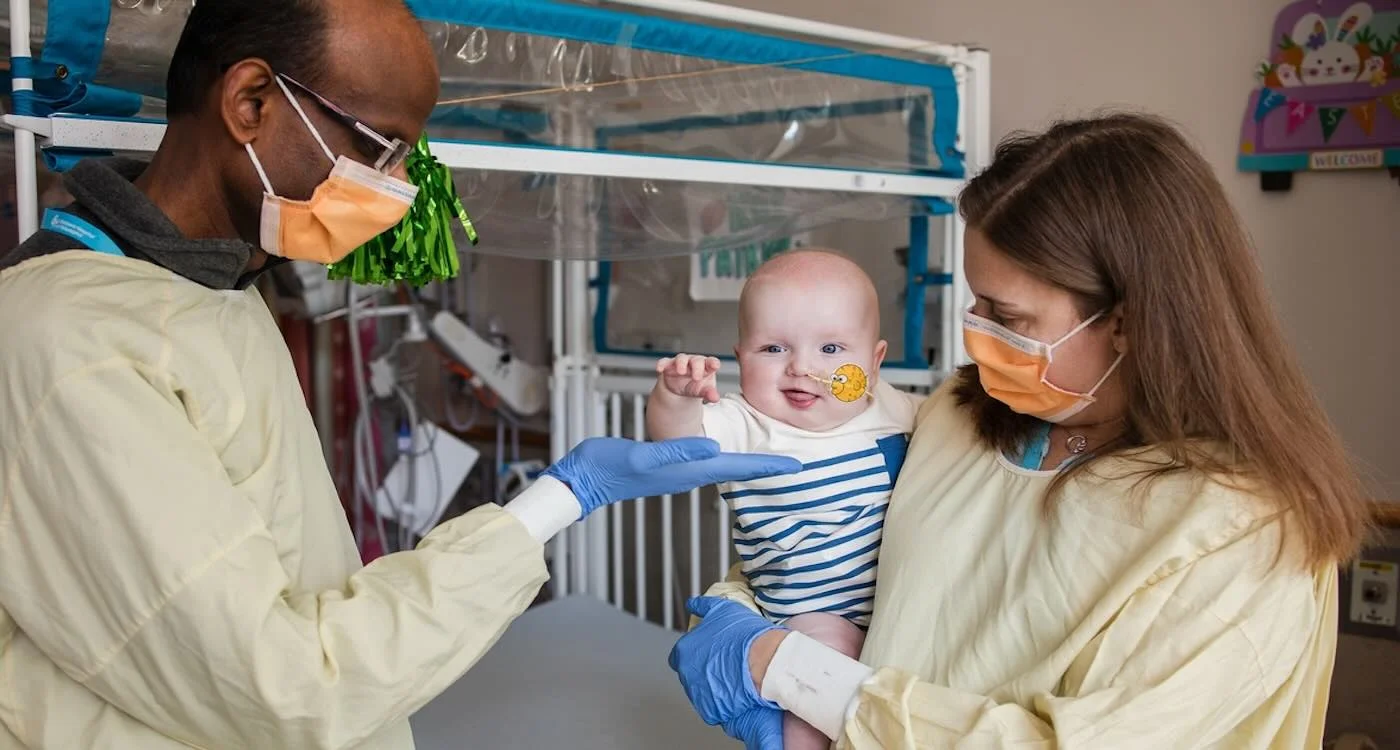
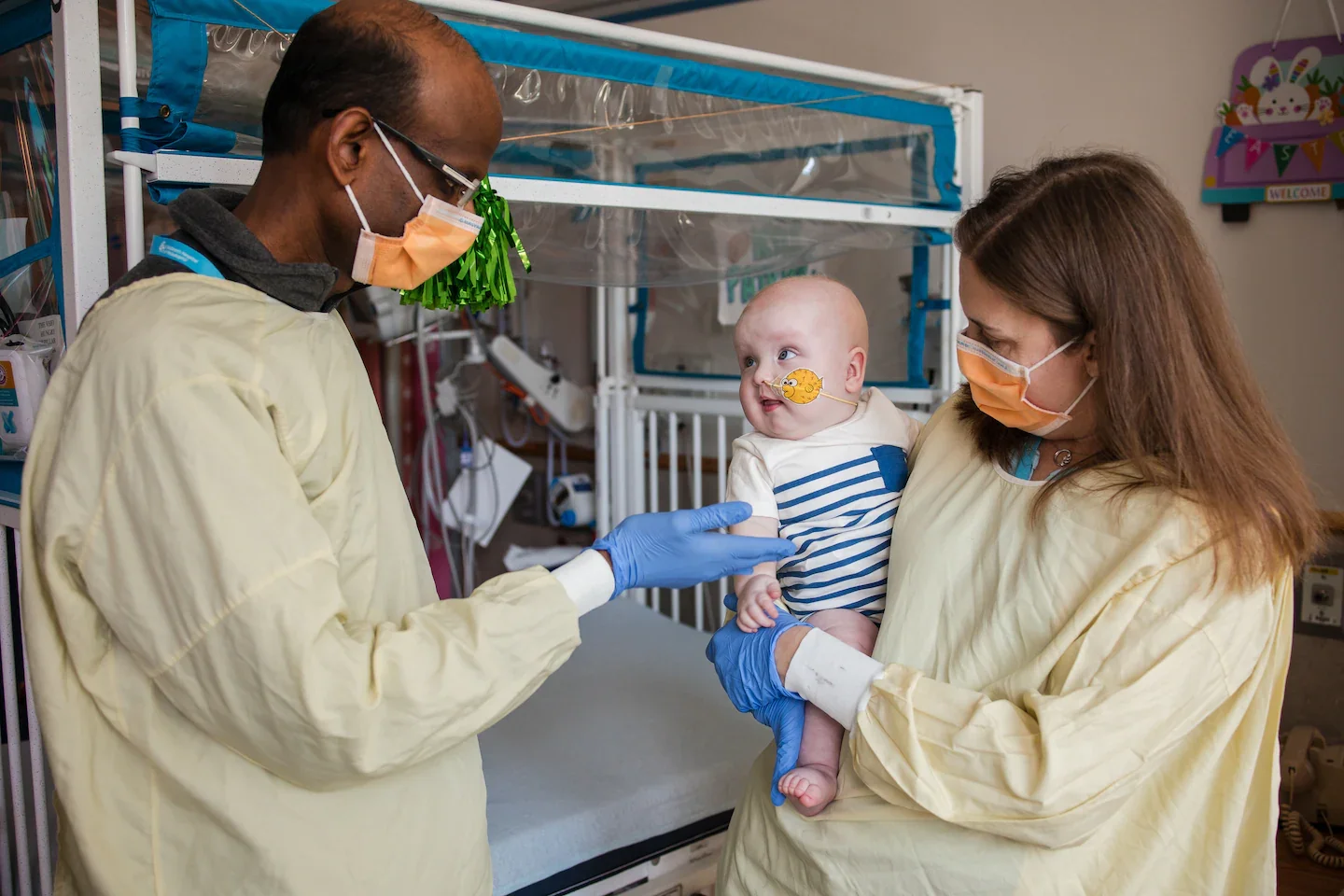
Researchers at Children’s Hospital of Philadelphia and the University of Pennsylvania developed a bespoke base-editing CRISPR therapy delivered to the liver to fix a CPS1 gene variant in a newborn with a rare metabolic disorder. After a first infusion in early 2025 and subsequent doses, the child has tolerated treatment with no adverse effects, has been able to halt medications and gradually reintroduce protein, and is thriving per a New England Journal of Medicine report; the approach is experimental and not FDA-approved, but signals a path toward patient-specific gene therapies that could be scalable to individual needs.
A world-first therapy edits donor T-cells with a base-editing CRISPR approach to target T-cell leukemia, turning white blood cells into a disease-fighting living drug. In early tests at GOSH and King’s College Hospital, nine children and two adults showed deep remissions, with seven remaining disease-free three years later.
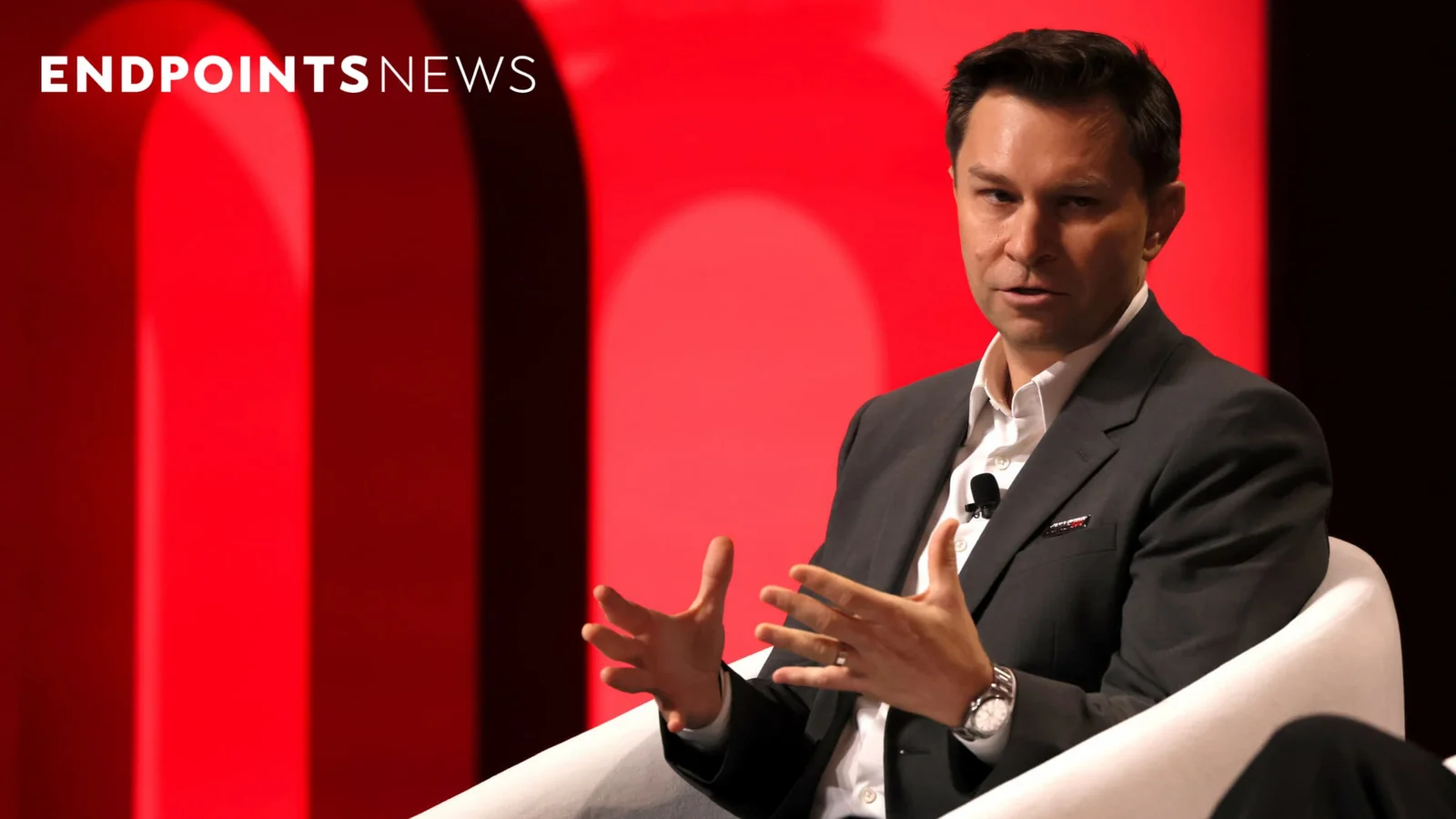
The FDA has greenlit a Life Biosciences gene-therapy trial aiming to nearly reset aging cells, a landmark step in longevity research led by David Sinclair.
Sarepta reports three-year topline results from EMBARK showing ELEVIDYS significantly slows disease progression in ambulatory Duchenne patients treated at ages 4–7. By year 3, NSAA remained above baseline, with a 73% slowing of progression by Time to Rise and a 70% slowing by 10-meter walk/run versus a pre-specified external control; safety signals align with prior data, including a boxed warning for acute liver injury and related risks, with no new safety concerns observed.
Researchers are pursuing a one-time gene therapy that would program the body to produce GLP-1 hormones endogenously, potentially providing longer-lasting weight loss than current GLP-1 drugs for diabetes and obesity. The Washington Post piece highlights Fractyl Health’s Rejuva program and notes that many patients stop GLP-1 therapies and regain weight, underscoring that the approach is early-stage and faces safety, durability, regulatory, and cost uncertainties.
A small trial of uniQure’s AMT-130 gene therapy in 29 Huntington’s disease patients showed reduced production of the mutant huntingtin protein, slower cognitive decline, and lower levels of neurofilament light in cerebrospinal fluid over three years, suggesting a potential disease-modifying effect. Results were reported in a press release and have not yet undergone peer review, but they point to a possible treatment that could be used earlier in the disease course, while researchers continue to identify early biomarkers and expand the treatment window before motor symptoms appear.
A preclinical CNS-targeted gene therapy dampens pain signals in specific brain circuits to relieve chronic pain while avoiding the brain reward pathways tied to addiction, using AI-guided imaging and animal models, with an off switch for long-lasting relief and moving toward clinical trials to help the roughly 50 million Americans affected by chronic pain.
Gene therapies are moving from trials toward patient care, with breakthroughs like personalized CRISPR treatments and new gene-editing tools powering hope for many diseases; however, turning lab successes into approved, accessible medicines is hampered by regulatory, manufacturing, safety, and cost challenges, leaving access uneven despite progress.
Researchers suggest that targeting the Apoe gene, particularly its harmful variants Apoe3 and Apoe4, could potentially prevent most cases of Alzheimer's disease, although challenges remain due to the gene's vital functions and widespread presence in the population.
Krystal Biotech announced positive interim results from its Phase 1 trial of KB407, a gene therapy for cystic fibrosis, confirming successful lung delivery and expression of wild-type CFTR protein across diverse patients, paving the way for a larger, repeat-dosing study expected to start in 2026.
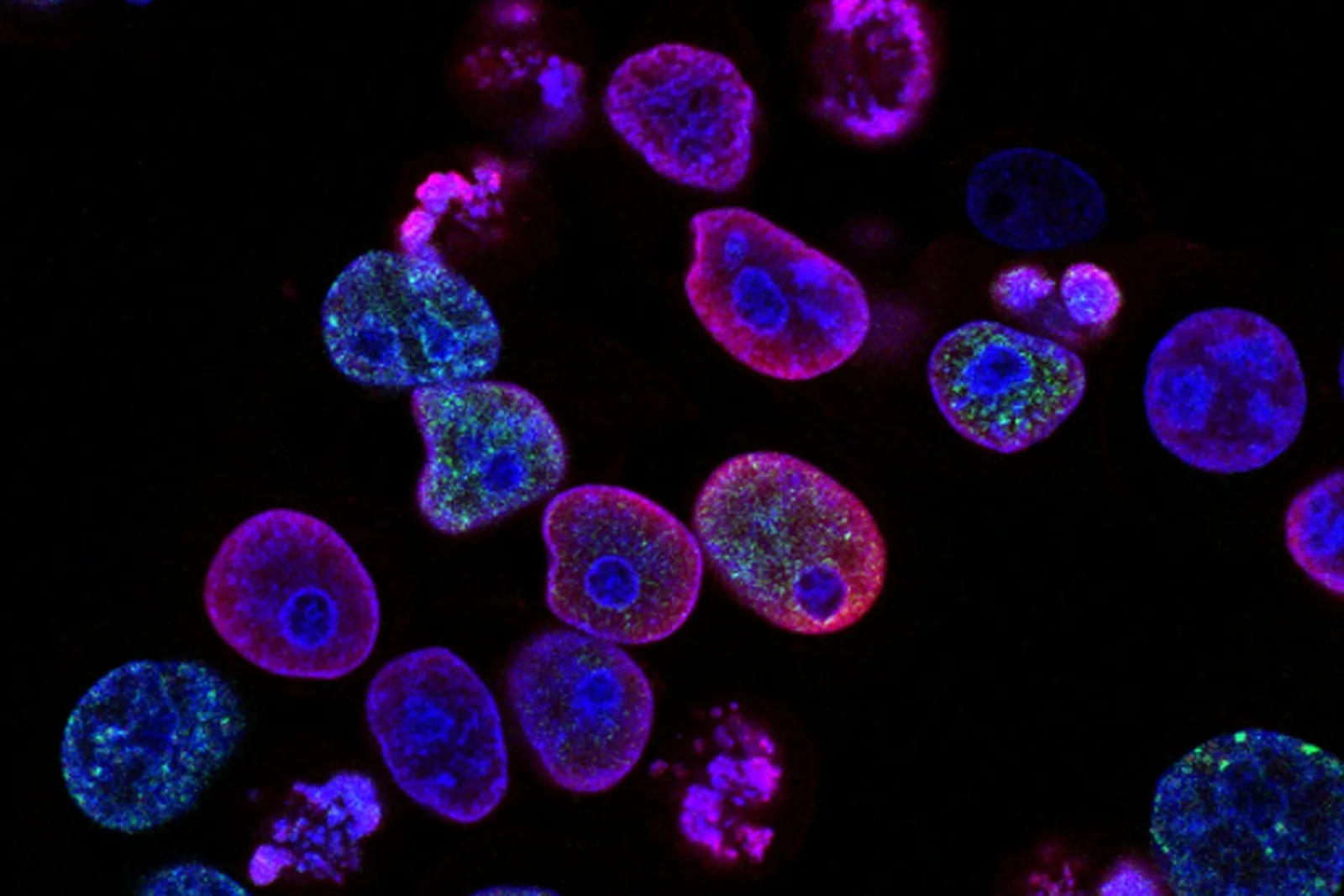
Scientists at UNSW Sydney have developed a new CRISPR-based epigenetic editing technique that can turn genes on without cutting DNA, by removing chemical methyl groups that silence genes. This approach could lead to safer gene therapies for conditions like Sickle Cell disease, as it avoids the risks associated with DNA strand breaks. The research demonstrates that methylation directly controls gene activity and opens new possibilities for treating genetic disorders by reactivating silenced genes.
The article previews ten significant clinical trials expected in the first half of 2026, focusing on Eli Lilly's obesity drug retatrutide, Merck's flu antiviral CD388, Regenxbio's gene therapy for Duchenne muscular dystrophy, Novartis' Lp(a) cardiovascular treatment, and other innovative therapies for rare diseases and cardiovascular conditions. Success in these trials could lead to major advancements and market approvals in their respective fields.