Tag

Interneurons

All articles tagged with #interneurons

neuroscience1 year ago

Unlocking Learning: The Brain's Traffic Controllers

A study from Durham University reveals that interneurons in the hippocampus act as 'traffic controllers' by regulating synchronized brain cell activity, crucial for learning and memory. Activating a single interneuron can trigger coordinated brain activity during rest, potentially aiding memory formation. This discovery suggests that dysfunction in interneurons may contribute to disorders like epilepsy, autism, and schizophrenia, and could lead to targeted therapies for these conditions.

neuroscience1 year ago

"Interneurons' Role in Guiding Brain Development"

Researchers have identified the crucial role of specific interneurons, SST+ and PV+, in orchestrating the transition from synchronous to asynchronous neuronal activity during early brain development. These interneurons influence the maturation of each other, highlighting a hierarchical interaction crucial for timely brain development. The findings have implications for understanding neurodevelopmental disorders linked to these interneurons, offering new avenues for research into their roles in conditions like autism and schizophrenia.

neuroscience2 years ago

Unveiling the Connection Between Memory Decline and Brain Cells

Researchers have discovered that a decline in somatostatin-positive interneurons in the hippocampus is linked to memory challenges in mice, resembling age-related cognitive deficits. By reducing the number of these interneurons, the mice showed signs of impaired memory, increased microglial activation (indicating inflammation), and fewer dendritic spines crucial for learning. The effects observed in the mice were similar to those seen in naturally aged mice, suggesting that this technique could serve as a model for studying age-related memory decline and potential treatments.

neuroscience2 years ago

"Unveiling the Adaptive Neural Mechanism for Robust and Flexible Learning: A Groundbreaking Study"

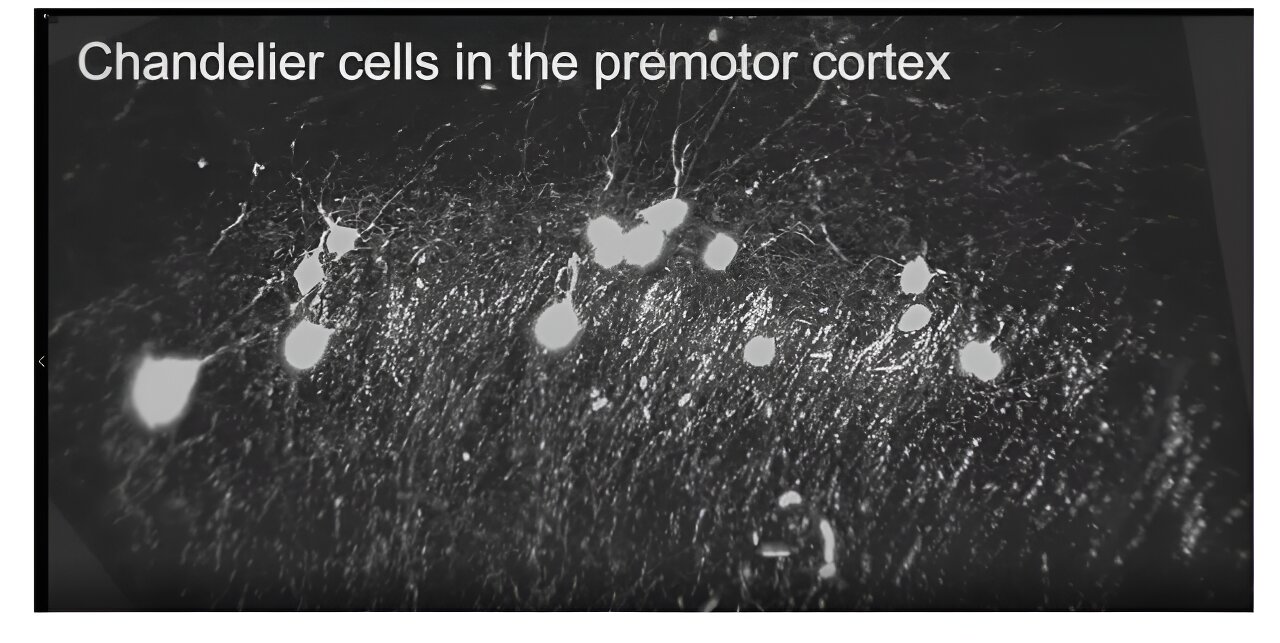
A study conducted by researchers at Johns Hopkins University School of Medicine and the Max Planck Florida Institute for Neuroscience has revealed an adaptive inhibitory pattern of interconnections in the brain that supports the robust and flexible acquisition of new behaviors. The study focused on chandelier cells (ChCs), a subgroup of interneurons, and found that they selectively inhibit individual pyramidal neurons, contributing to the refinement and re-organization of cortical circuits during learning. These findings highlight the significance of interneuron diversity and provide valuable insights into the neural mechanisms underlying adaptive learning.

neuroscience2 years ago

Interneurons Hold Key Memory Receptors

A study has found that the key receptor regulating memory formation, α5-GABAARs, is located on interneurons rather than pyramidal neurons as previously thought. The general anesthetic etomidate and many drugs designed to enhance cognition target α5-GABAARs, making this discovery important for drug development. The study found that knocking out α5-GABAARs from interneurons impaired spatial memory and prevented etomidate from blocking memory formation, while knocking them out from pyramidal neurons did not alter memory. The authors conclude that interneuronal α5-GABAARs play a critical role in promoting spatial learning and serve as essential targets for drug modulation of contextual memory.