Tag

Cell Mapping

All articles tagged with #cell mapping

Breakthrough in Comprehensive Human Cell Mapping Project

Originally Published 1 year ago — by Livescience.com

Featured image for Breakthrough in Comprehensive Human Cell Mapping Project
Source: Livescience.com

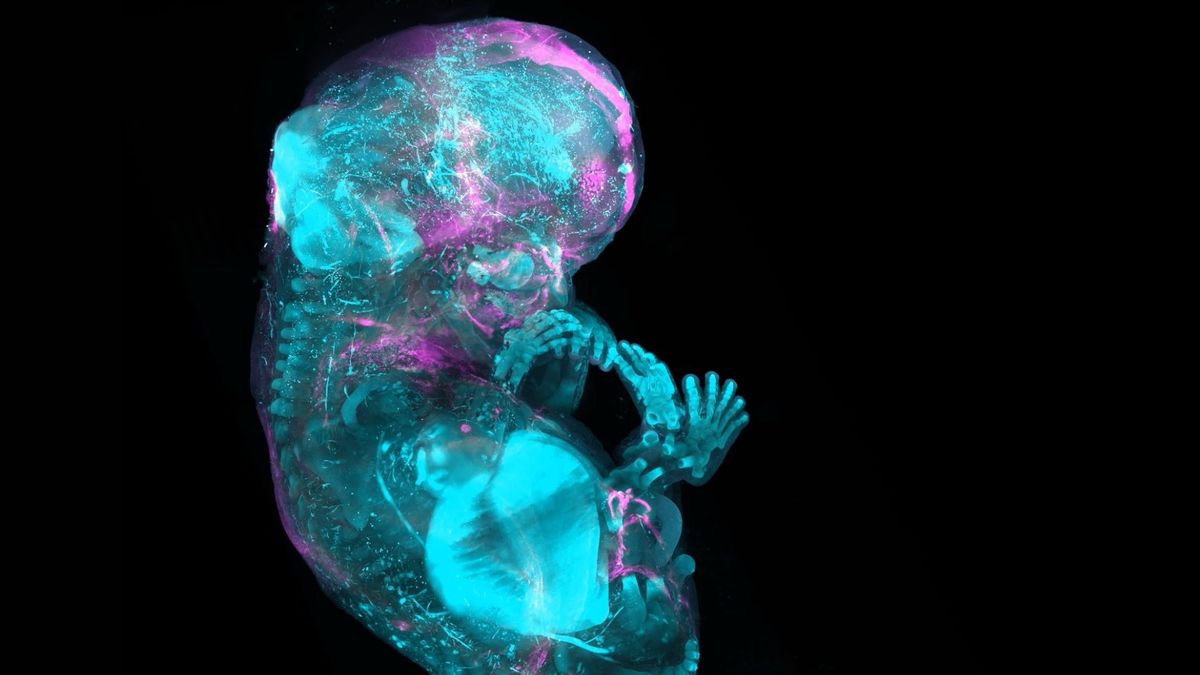
Scientists with the Human Cell Atlas project have made significant progress in mapping the 37 trillion cells in the human body, releasing over 40 papers detailing cell profiles from various organs and systems. This research aims to create a comprehensive atlas of human cells, highlighting differences across demographics and genetic backgrounds. The findings include insights into gastrointestinal diseases, early human development, and the creation of organoids, which are lab-grown mini-organs that mimic real organs. This work could lead to breakthroughs in understanding diseases and developing treatments.
Breakthrough in Mapping the Human Cell Atlas Revolutionizes Disease Understanding

Originally Published 1 year ago — by Neuroscience News

Featured image for Breakthrough in Mapping the Human Cell Atlas Revolutionizes Disease Understanding
Source: Neuroscience News

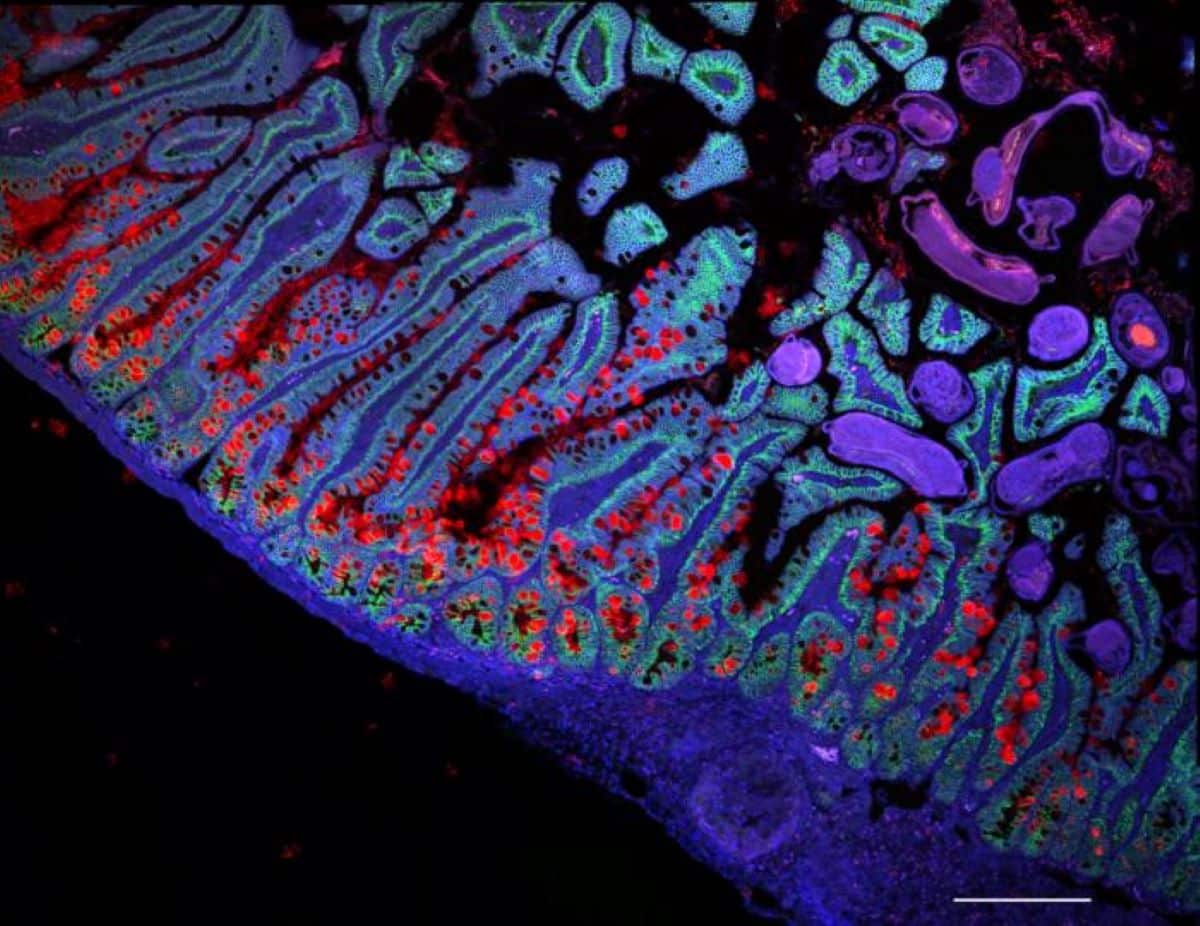
The Human Cell Atlas (HCA) consortium has published over 40 studies that provide groundbreaking insights into human biology by mapping over 100 million cells from 10,000 individuals. These studies, which cover areas like brain development and COVID-19 lung responses, highlight the use of AI in understanding cellular mechanisms. The HCA aims to create a comprehensive "Google Maps" for cell biology to enhance diagnostics, drug discovery, and regenerative medicine, emphasizing diversity to ensure a globally inclusive understanding of health and disease.

"Unveiling the Diversity of Developing Human Heart Cells"

Originally Published 1 year ago — by Livescience.com

Featured image for "Unveiling the Diversity of Developing Human Heart Cells"
Source: Livescience.com

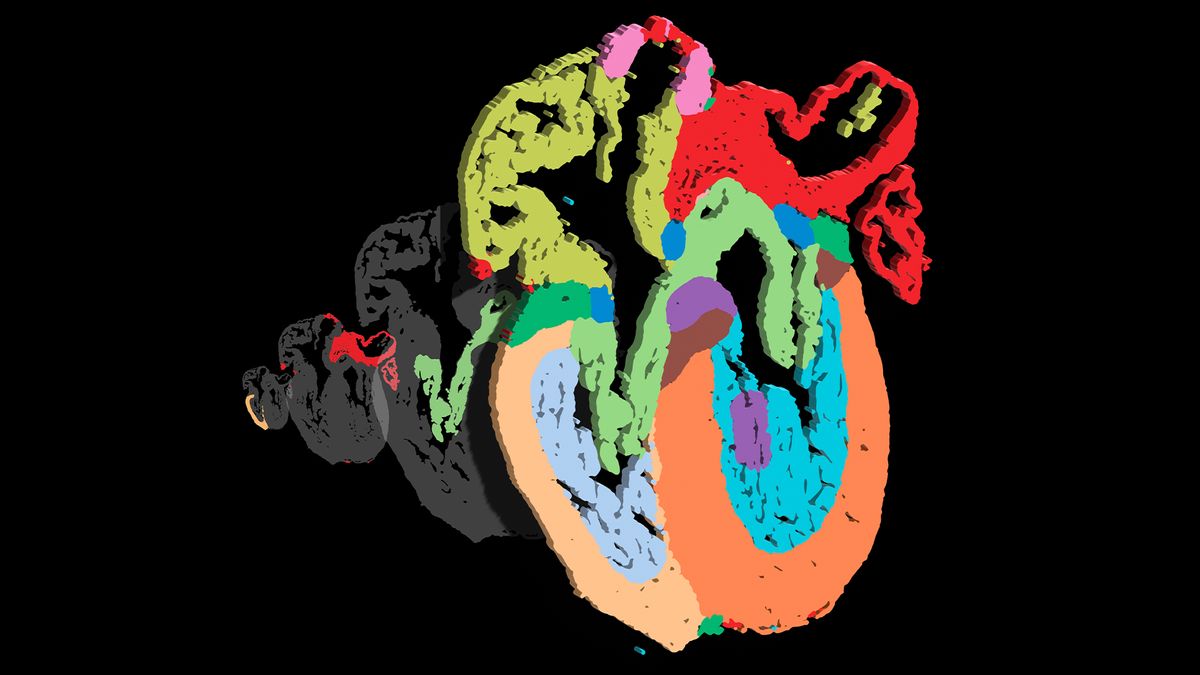
Scientists have created the most detailed map of the developing human heart, revealing 75 types of heart cells, including previously unseen cell types in the heart's valves and muscles. The research, published in Nature, utilized advanced techniques to study whole human hearts donated between weeks 9 and 16 of fetal development, shedding light on how different cells organize to form the heart's structures. The atlas has important implications for understanding congenital heart disease and regenerative medicine, and the next step is to create a full 3D model and a "4D atlas" to track heart development over time.

Unveiling the Intricate Maps of Human and Primate Brains

Originally Published 2 years ago — by National Institutes of Health (.gov)

Featured image for Unveiling the Intricate Maps of Human and Primate Brains
Source: National Institutes of Health (.gov)

Scientists have created detailed cell maps of the human brain and the nonhuman primate brain, providing a deeper understanding of brain structure and function. The maps, funded by the National Institutes of Health's BRAIN Initiative, offer insights into the cellular basis of brain disorders and pave the way for precision therapeutics. The studies reveal the complex diversity of cells in the brain, identify similarities and differences between human and nonhuman primate brains, and explore the link between cellular properties and brain development. The findings serve as a foundation for designing new therapies that target specific brain cells and circuits involved in brain disorders.

Unveiling the Intricate Cartography of the Human Heart

Originally Published 2 years ago — by ScienceAlert

Featured image for Unveiling the Intricate Cartography of the Human Heart
Source: ScienceAlert

Scientists have created the most detailed cell catalogue of the human heart to date, mapping eight regions and profiling 75 different cell states. Using single-cell transcriptomics methods, researchers analyzed over 700,000 individual cells and nuclei from tissue samples of 25 donor hearts. The study revealed the presence of glial cells supporting signaling processes in pacemaker cells, immune cells producing antibodies to protect the heart from infections, and a population of cells in the myocardium that are sensitive to stress and inflammation. The findings could lead to new ways to improve heart treatments and further research into heart diseases.