The article explores microchimerism, the presence of non-self cells within the human body, which are transferred between mother and child during pregnancy, challenging traditional views of human identity and immune response, and revealing potential implications for health and science.
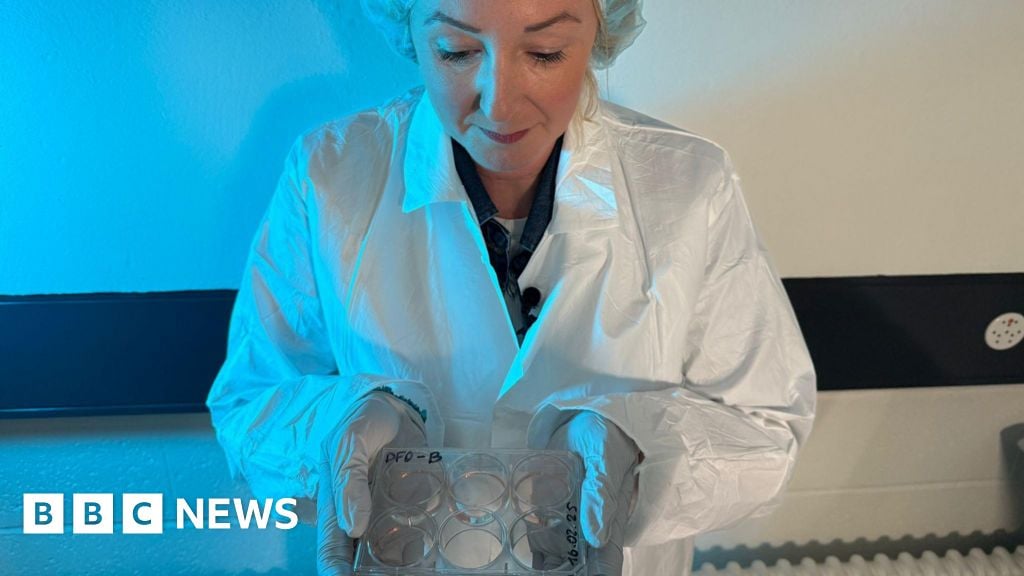
Scientists in Switzerland are developing biocomputers using lab-grown mini-brains called organoids derived from human stem cells, aiming to create energy-efficient, living servers that mimic aspects of AI learning, though challenges like maintaining organoid health and understanding their activity remain.
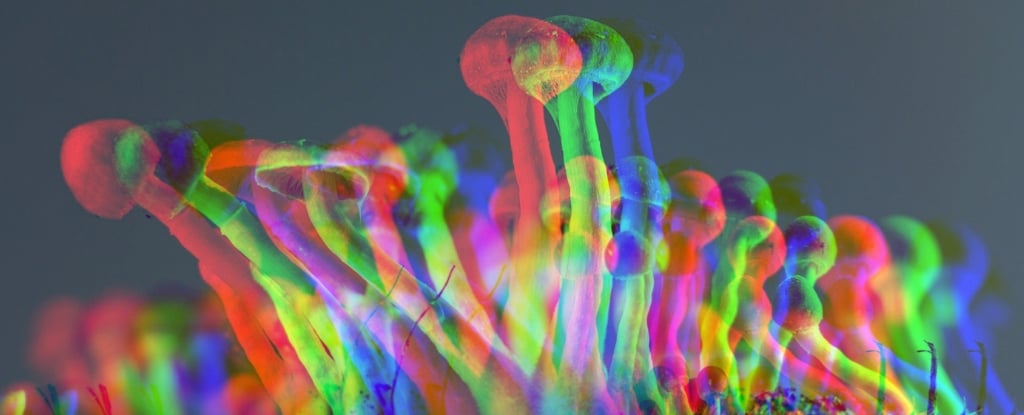
A new study suggests that psilocybin, a compound found in psychedelic mushrooms, can significantly extend the lifespan of human cells by over 50% and increase survival rates in mice, indicating potential benefits for healthier aging, though further research is needed to optimize treatment protocols.
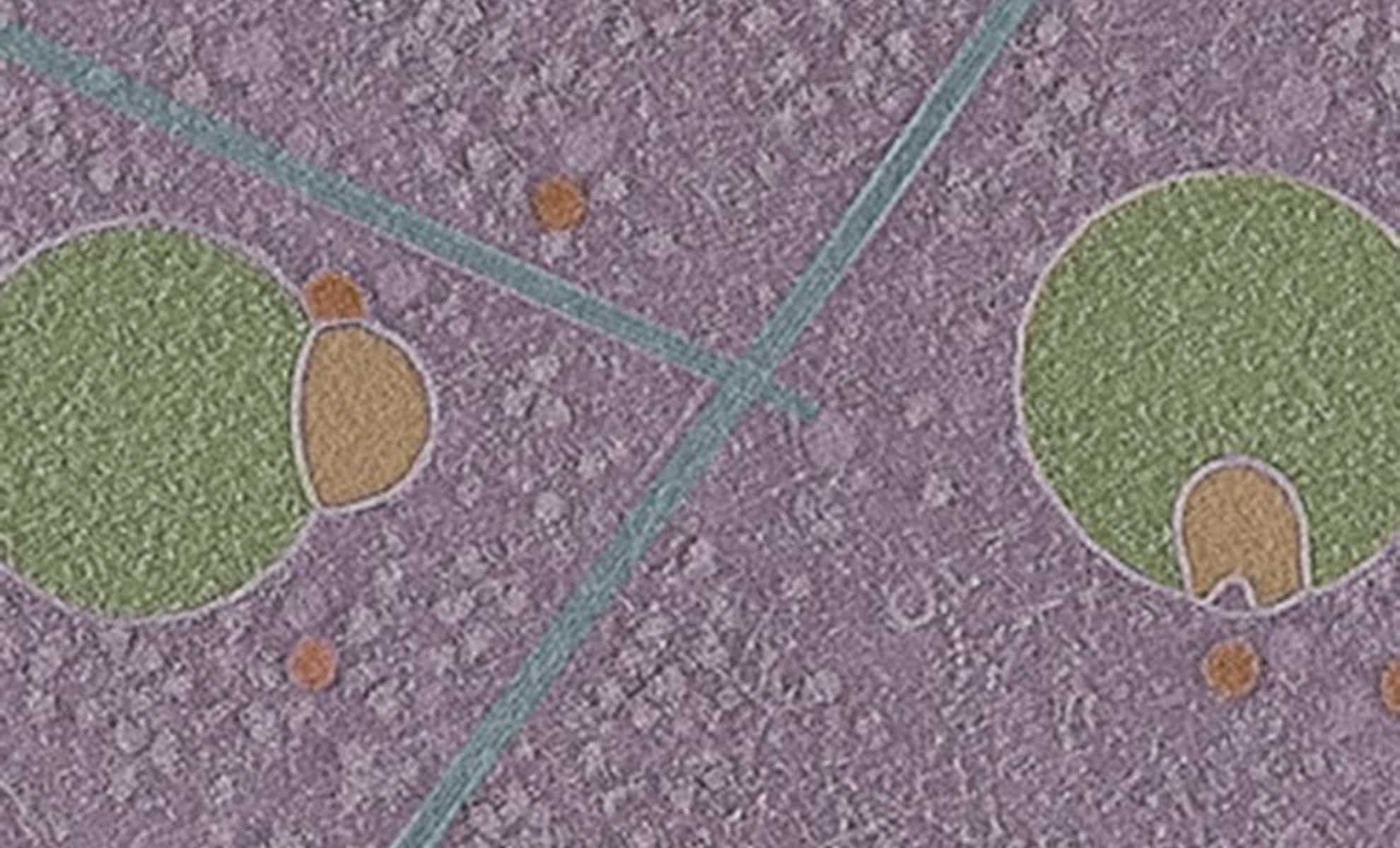
Scientists have discovered a new organelle called the hemifusome inside human cells, which acts as a cellular recycling center involved in cargo processing and vesicle formation. Using advanced cryo-electron tomography, researchers observed this fleeting structure, opening new avenues for understanding and potentially treating genetic diseases related to cellular cargo management.
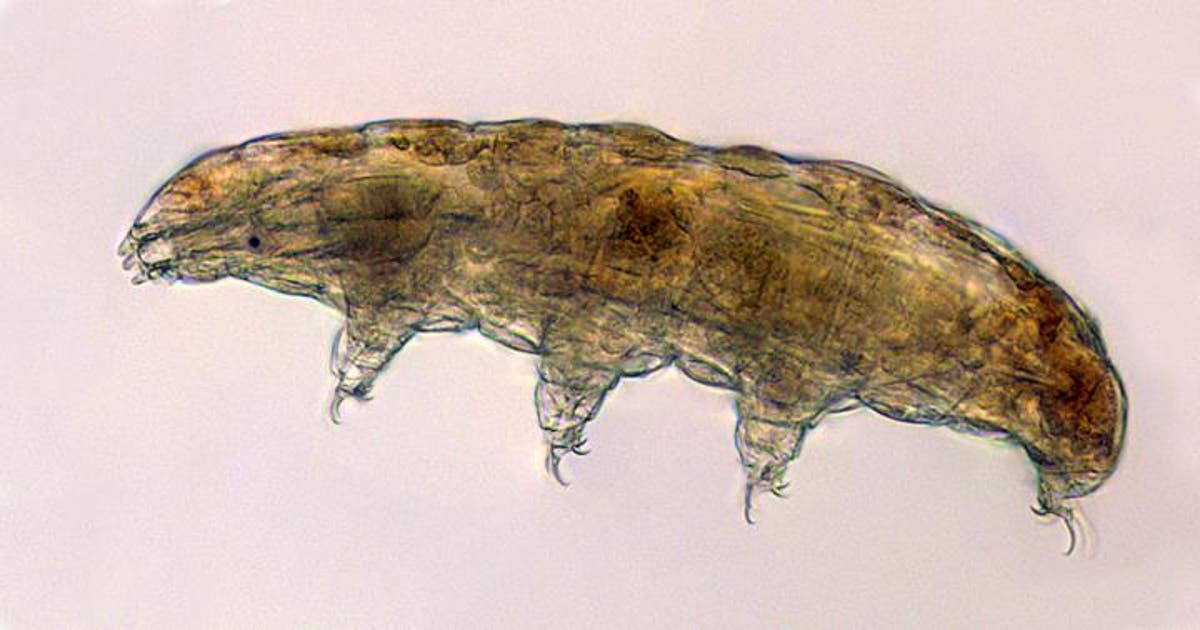
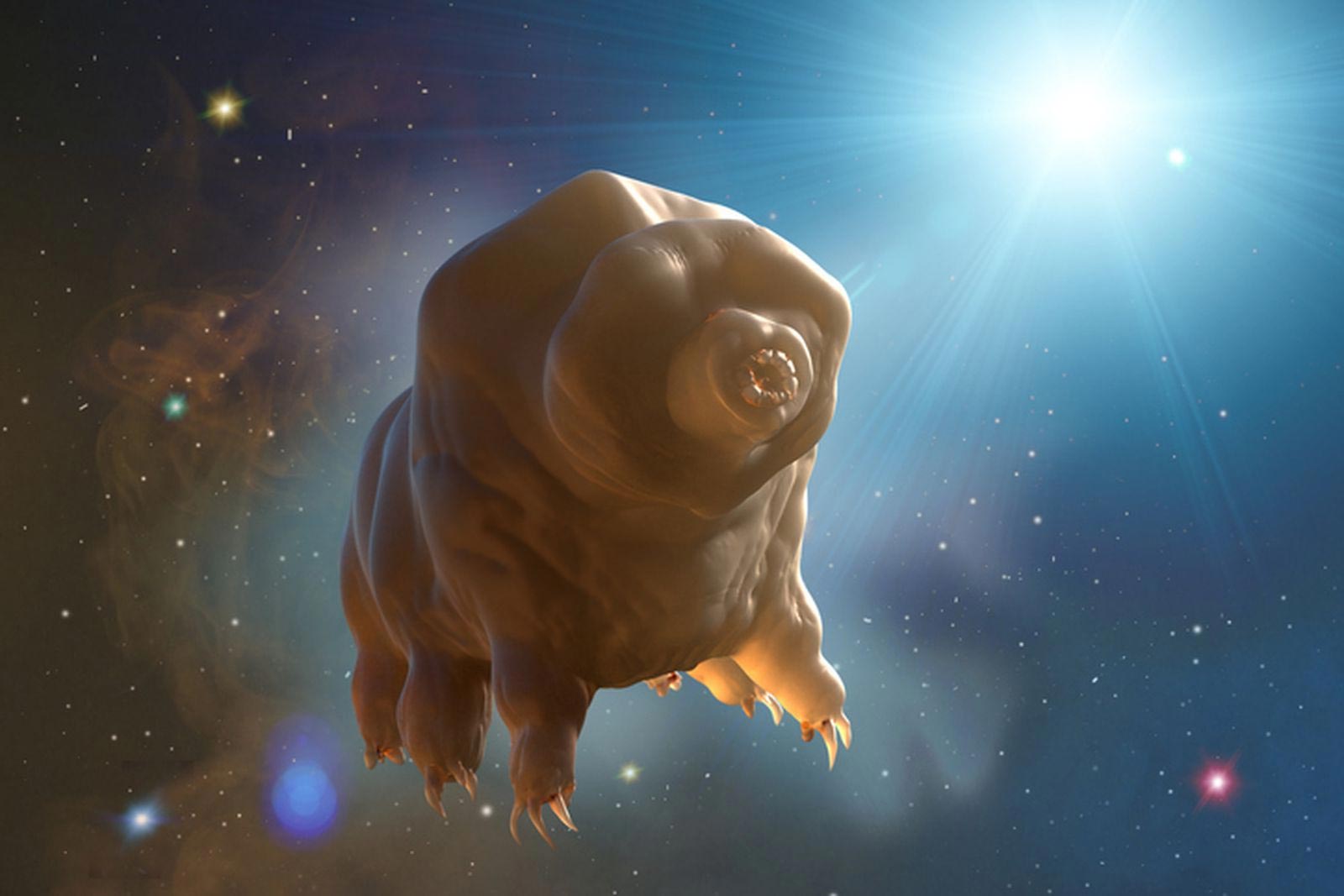
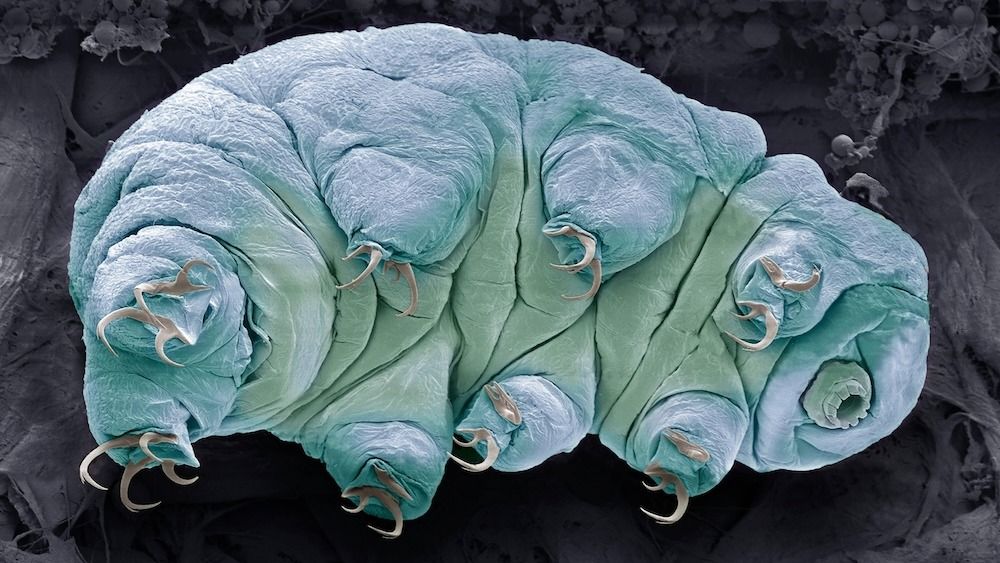
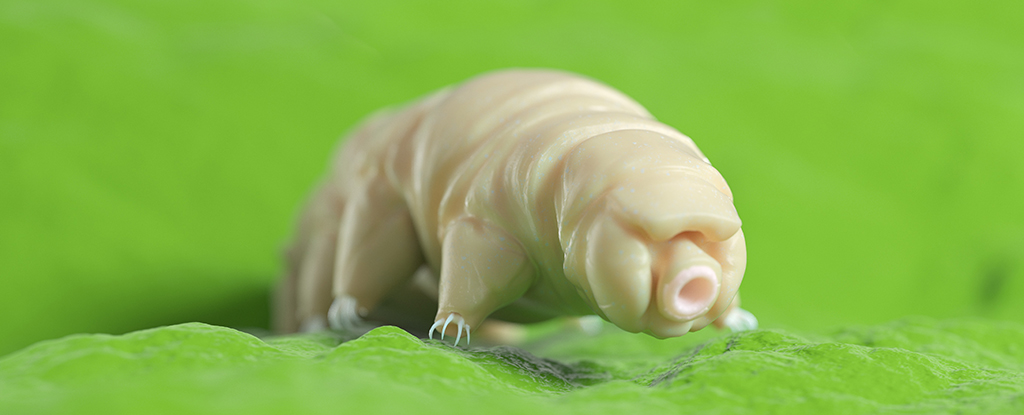
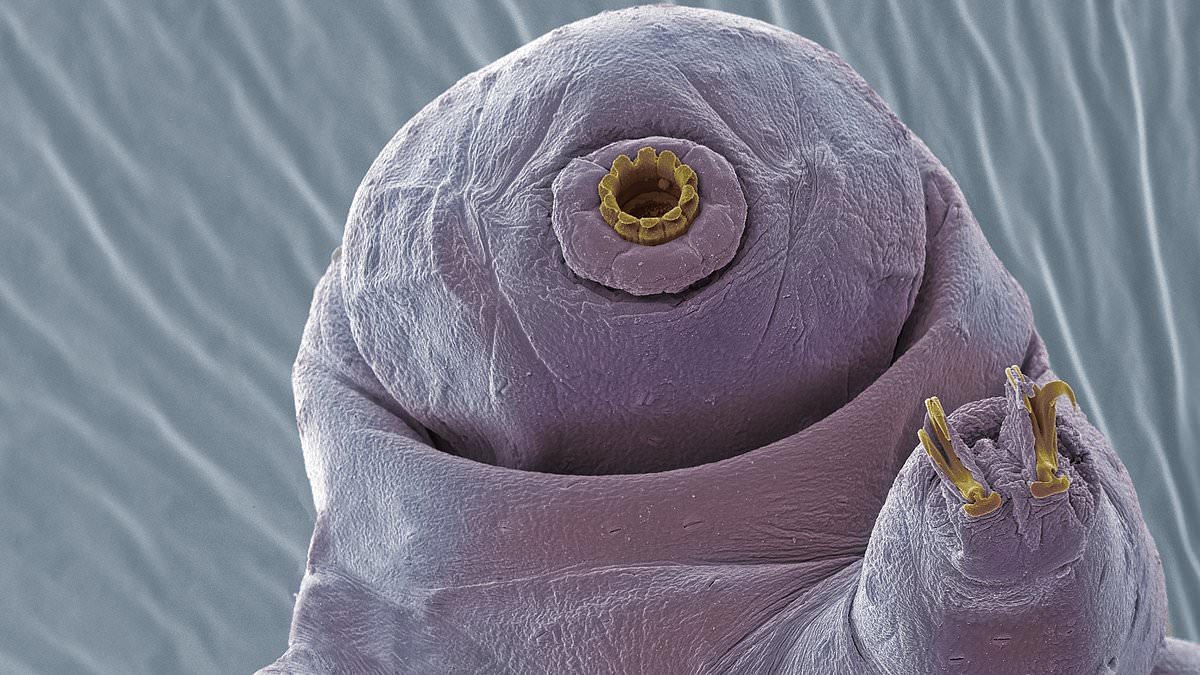
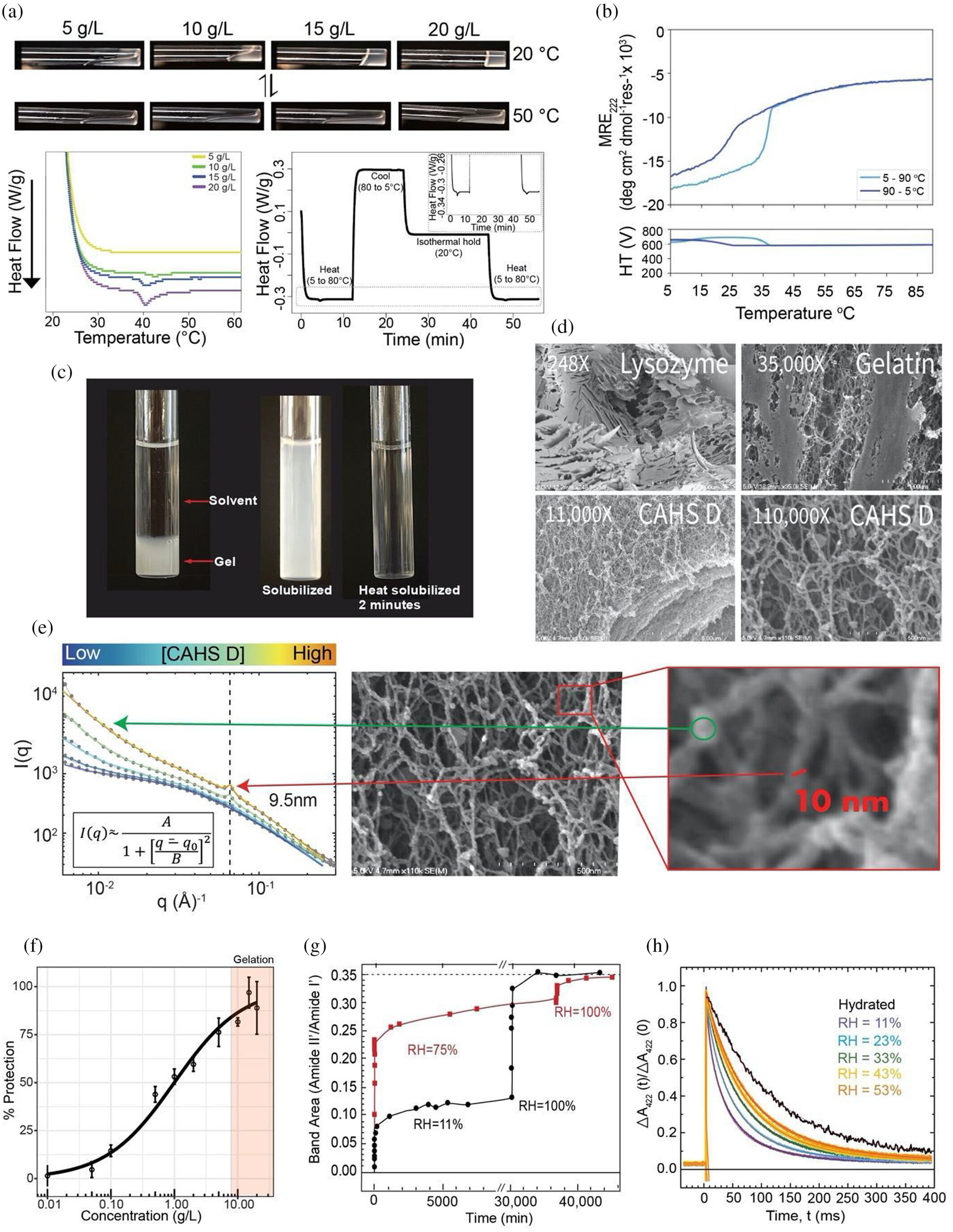
Scientists have discovered that proteins from tardigrades can slow down metabolism in human cells, potentially leading to technologies that slow the ageing process. Tardigrades, known for their ability to survive extreme conditions, use proteins to form gels inside their cells, which when introduced into human cells, slow down metabolism and make the cells more resistant to stresses. This finding could pave the way for the development of new technologies focused on inducing suspended animation in cells or organisms to slow ageing, and also suggests that tardigrade proteins could be used to enhance the storage potential of therapies like stem cells.
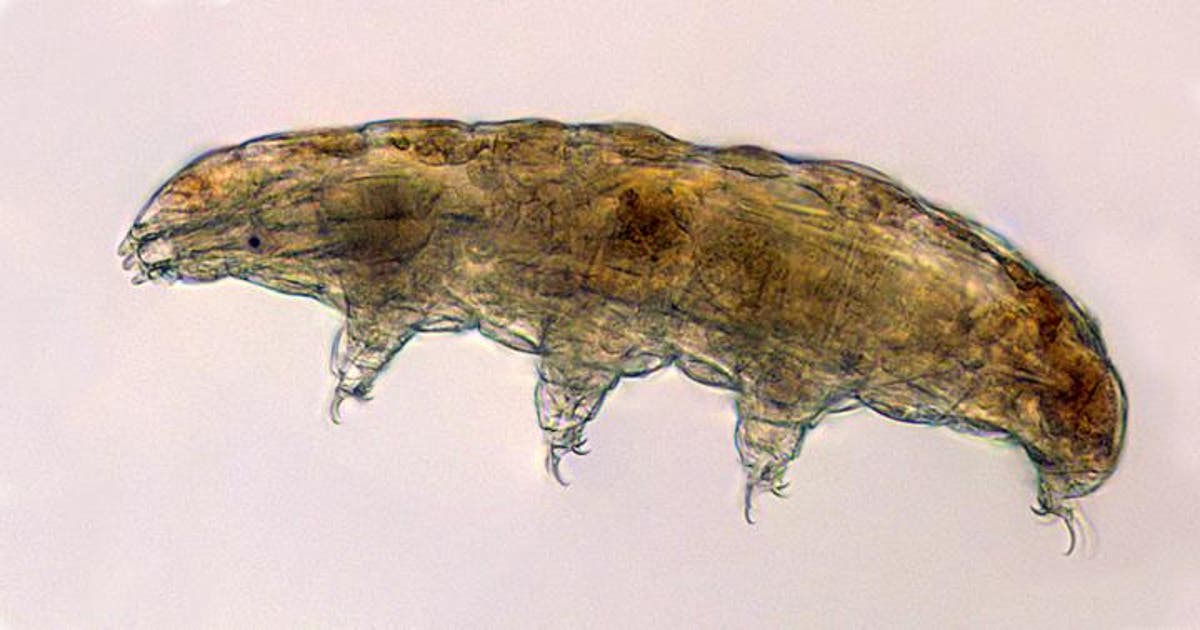
Scientists have discovered that proteins found in tardigrades, also known as water bears, can slow down metabolism in human cells, potentially leading to technologies that could slow the ageing process. The research, led by the University of Wyoming, found that these proteins form gels inside tardigrade cells, which when introduced into human cells, slow down metabolism and confer resistance to stresses. This discovery may pave the way for the development of technologies that induce suspended animation in cells or organisms to slow ageing and improve the storage potential of therapies like stem cells.
Proteins from tardigrades, known for surviving extreme conditions, have been found to slow molecular processes in human cells, offering potential applications in aging research and cell storage. This discovery could lead to the development of new technologies to improve human health, treat diseases, and enhance the storage of cell-based therapies. The research, led by the University of Wyoming, sheds light on the mechanisms used by tardigrades to survive extreme conditions and demonstrates the potential of tardigrade proteins in inducing biostasis in human cells. The study, published in Protein Science, provides insights into how these proteins could be used to slow aging and stabilize cell-based therapies without the need for refrigeration.
Scientists have discovered that proteins found in tardigrades, also known as water bears, can slow down metabolism in human cells, potentially offering a key ingredient in slowing the aging process. The study, published in the journal Protein Science, found that these proteins can induce a state of suspended animation, known as biostasis, in human cells, making them more resistant to stresses. This finding could lead to the development of technologies to slow aging, enhance storage of cell-based therapies, and provide lifesaving treatments in areas without refrigeration.
Scientists from the University of Wyoming have discovered that expressing key tardigrade proteins in human cells can slow metabolism, providing insights into how these resilient organisms survive extreme conditions. The study focused on a protein called CAHS D, which transforms into a gel-like state under stress, protecting molecules and preventing drying. Introducing these proteins into human cells can induce biostasis, making the cells more resistant to stresses and potentially offering avenues for slowing aging and enhancing cell storage. Further research is underway to harness these abilities for applications such as organ transplants and stabilizing blood products.
Scientists studying tardigrades have discovered that the proteins responsible for the creatures' ability to enter a state of suspended animation, called biostasis, could potentially be used to slow down human aging. By introducing tardigrade proteins to human cells in a lab, researchers found that the cells slowed down and entered a hibernation-like state, similar to the tardigrades. This discovery could lead to the development of technologies aimed at inducing biostasis in cells and organisms to slow aging and enhance storage and stability. Additionally, it could expand access to lifesaving drugs by allowing for the shipment of temperature-sensitive medicines without refrigeration.
University of Wyoming researchers have discovered that proteins from tardigrades, also known as water bears, can slow down molecular processes in human cells, potentially leading to advancements in technologies aimed at slowing the aging process and enhancing the storage of human cells. The study, published in the journal Protein Science, sheds light on the mechanisms used by tardigrades to enter and exit suspended animation when faced with environmental stress, offering potential applications in life-saving treatments and cell-based therapies. The research also demonstrates that the process is reversible, providing an avenue for pursuing technologies centered on inducing biostasis in cells and organisms to slow aging and improve stability.
Scientists have found that an increased level of the protein PAPPA, driven by a family of signaling proteins called sirtuins, accelerates aging in various human cells. This discovery was made by researchers from the Chinese Academy of Sciences, shedding light on the mechanisms behind aging in humans.
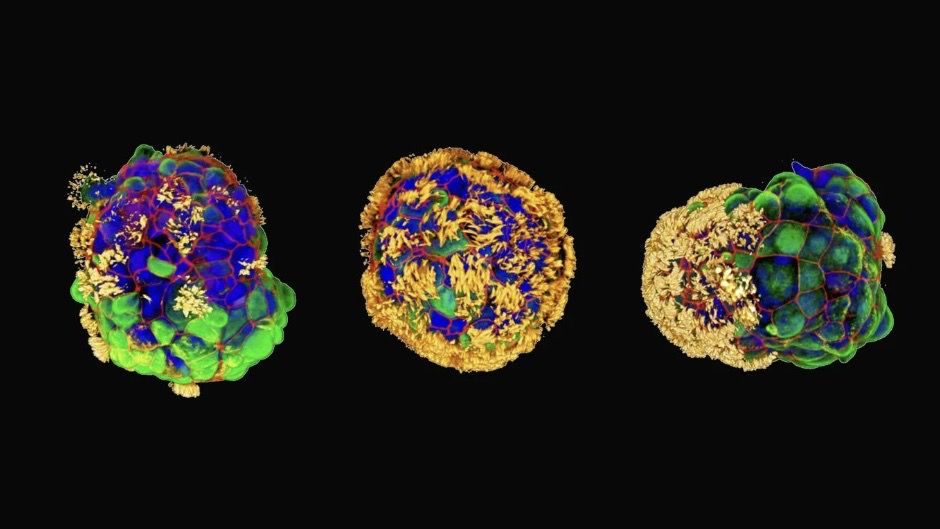
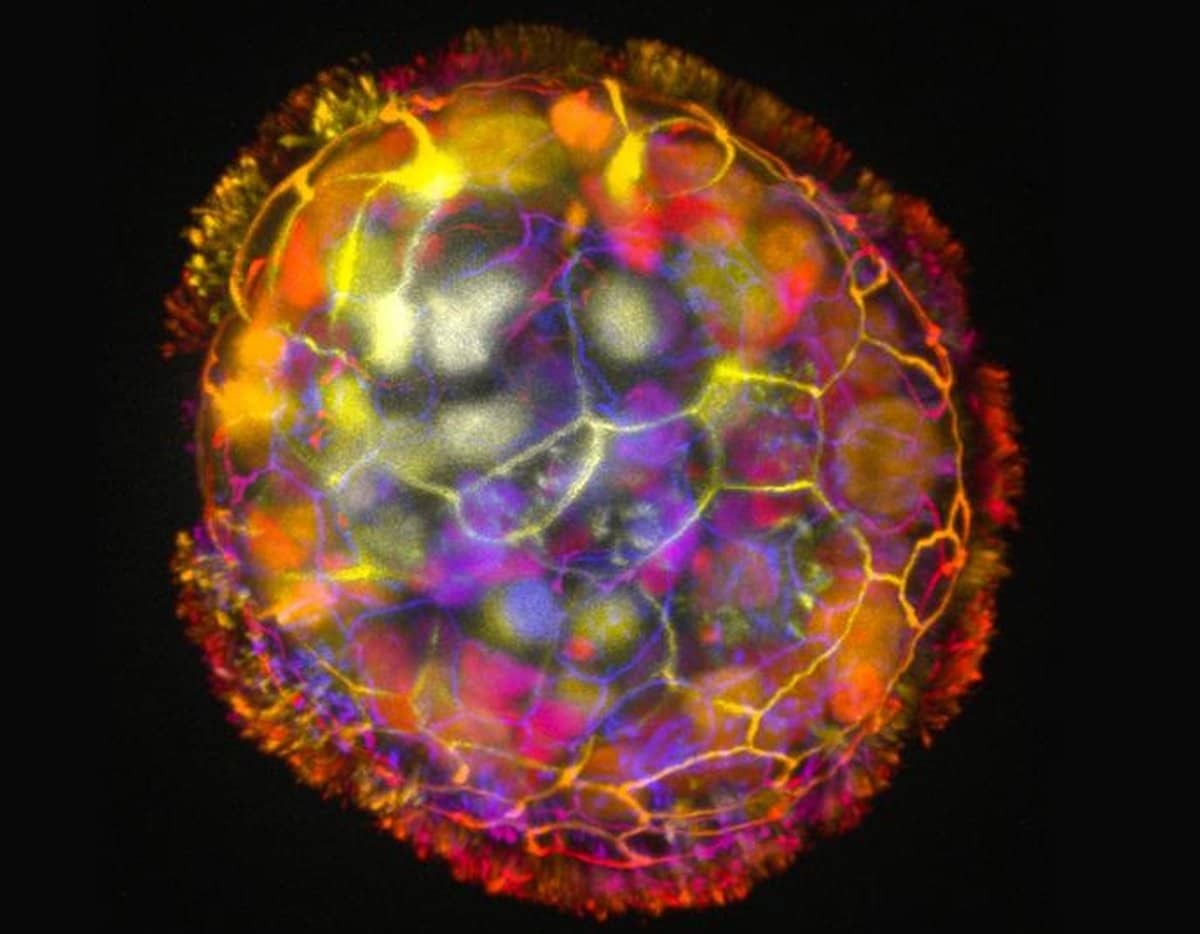
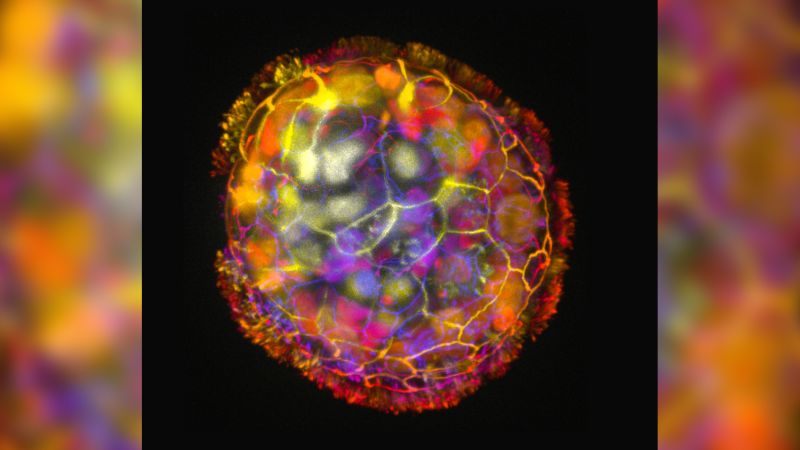
Scientists have developed tiny self-assembling robots called Anthrobots, made from human tracheal cells, that can encourage neuron regrowth in damaged tissue. These biobots, ranging in size from a human hair to a pencil tip, assemble in clusters and have shown promising results in lab experiments. The exact mechanism behind their ability to stimulate neuron growth is still unknown. Researchers hope to further explore their potential in medical applications such as clearing plaque buildup, repairing spinal damage, and recognizing bacteria or cancer cells.
Researchers at Tufts University and Harvard University's Wyss Institute have developed microscopic biological robots called Anthrobots, made from human tracheal cells, that can move across surfaces and promote the growth of neurons in damaged areas. These self-assembling multicellular robots, ranging in size from a hair-width to the point of a sharpened pencil, have shown remarkable healing effects in lab conditions. Unlike previous Xenobot research, Anthrobots can be created from adult human cells without genetic modification, making them a potential patient-specific therapeutic tool in regenerative medicine. The researchers envision using Anthrobots for treating various diseases and injuries.
Scientists have developed tiny living robots, called anthrobots, using human cells that can move and potentially aid in wound healing and tissue regeneration. The researchers used tracheal cells with cilia, which were manipulated to face outward and act as oars for movement. The anthrobots exhibited different shapes, sizes, and movement patterns. In experiments, they showed the ability to encourage growth in damaged human neurons. The study provides a foundation for future applications of bio-bots in various forms, with potential uses in medical research and treatments. The anthrobots are not genetically modified and have a limited lifespan, biodegrading after a few weeks.