Jennifer Doudna's startup Aurora Therapeutics aims to scale personalized gene-editing treatments for rare diseases like PKU using CRISPR technology and a new FDA pathway that expedites approval for bespoke therapies based on limited patient data.
Menlo Ventures has invested $16 million in Aurora Therapeutics, co-founded by CRISPR pioneer Jennifer Doudna and Fyodor Urnov, to develop personalized CRISPR therapies targeting rare diseases like PKU, leveraging recent regulatory and technological advances to make treatments for ultra-rare conditions more feasible.
A prominent gene editing researcher from UC Berkeley, Fyodor Urnov, and venture capitalist Johnny Hu are launching a startup to scale personalized CRISPR medicines, aiming to treat ultra-rare genetic mutations and overcome regulatory and commercial challenges.
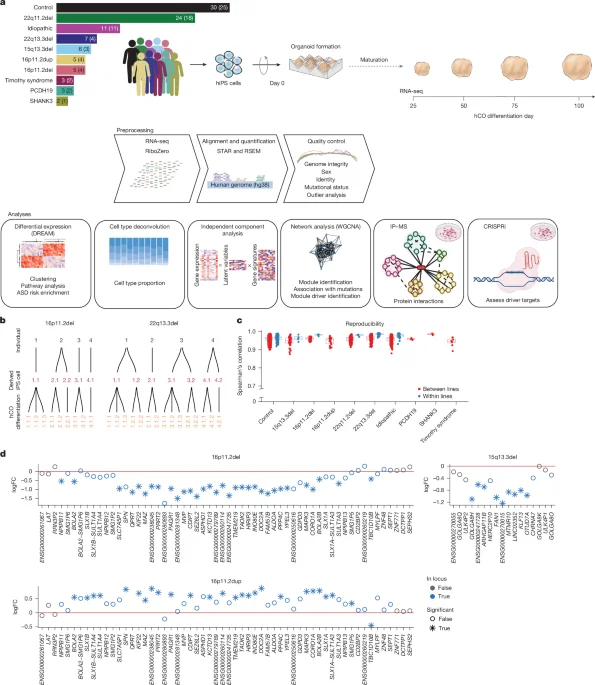
Israeli scientists used CRISPR technology to identify hundreds of genes crucial for early brain development, uncovering new insights into the genetic basis of autism and discovering a new neurodevelopmental disorder linked to the PEDS1 gene, with findings published in Nature Neuroscience.
Scientists at UNSW Sydney have developed a new CRISPR-based epigenetic editing technique that can turn genes on without cutting DNA, by removing chemical methyl groups that silence genes. This approach could lead to safer gene therapies for conditions like Sickle Cell disease, as it avoids the risks associated with DNA strand breaks. The research demonstrates that methylation directly controls gene activity and opens new possibilities for treating genetic disorders by reactivating silenced genes.
Researchers at UNSW Sydney have developed a safer CRISPR-based epigenetic editing technique that can switch genes on and off without cutting DNA, offering promising new treatments for genetic diseases like Sickle Cell by reactivating silenced genes through removal of methyl groups, potentially reducing risks associated with traditional gene editing.
The article discusses the ongoing development of gene editing technologies, highlighting the excitement and competition among scientists to discover the most effective and final form of gene editing tools.
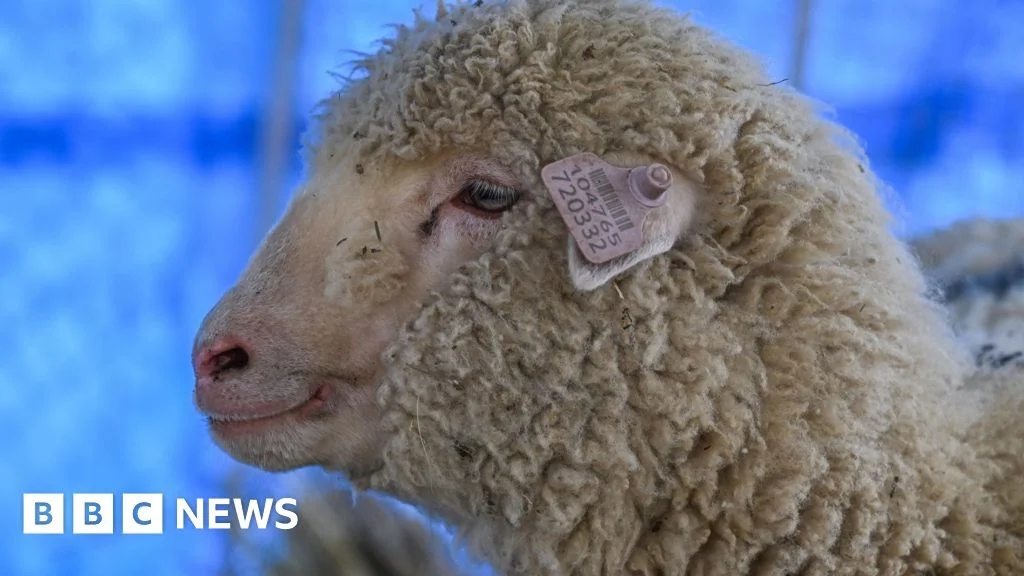
India's first gene-edited sheep, Tarmeem, has turned one year old and is thriving, showing increased muscle growth due to CRISPR technology targeting the myostatin gene. Researchers aim to use this technology to enhance meat production sustainably in Kashmir, potentially revolutionizing local agriculture and addressing food security issues. The project marks a significant step in applying gene editing in livestock within India, though regulatory and ethical considerations remain.
CRISPR researchers have successfully resurrected an ancient gene that has the potential to prevent diseases, marking a significant advancement in genetic engineering and biotechnology.
Despite political challenges in 2025, significant scientific achievements were made, including the detection of the strongest gravitational signals from black hole mergers, advancements in nuclear fusion, innovative gene therapies, and breakthroughs in chemical recycling and climate research, highlighting a resilient and innovative scientific community.
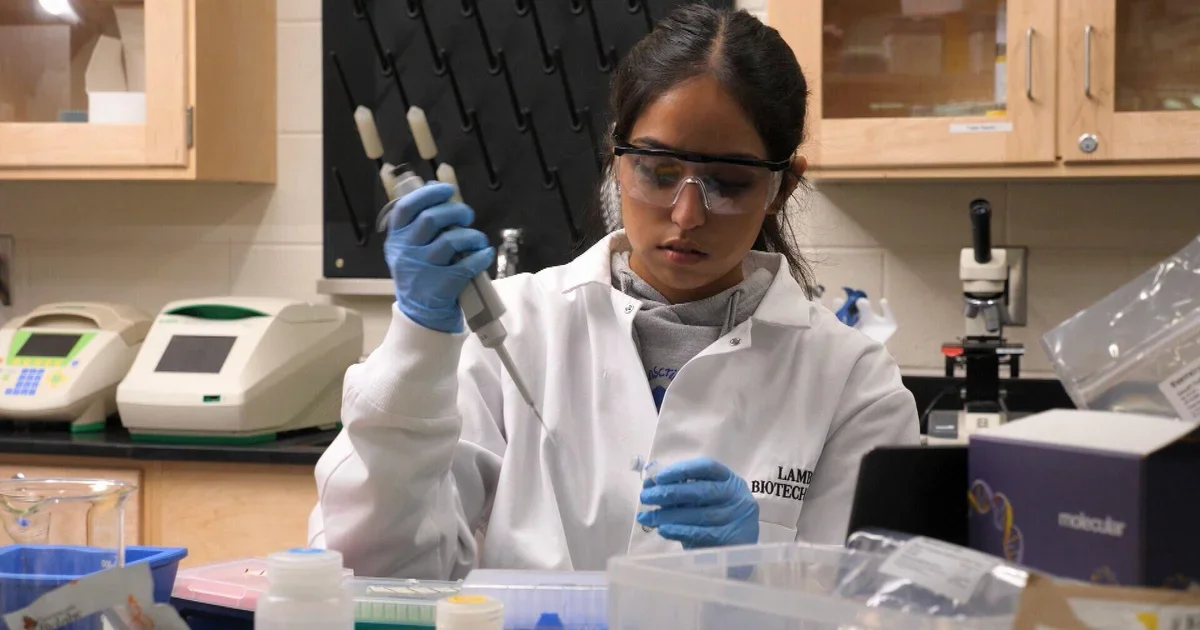
Teenagers from Lambert High School in Georgia used CRISPR gene editing to develop a potential early detection and treatment method for Lyme disease, competing internationally at iGEM and achieving notable success, highlighting the importance of youth involvement in biotech innovation.
A pilot study demonstrates that a single gene-editing treatment targeting the ANGPTL3 gene can permanently reduce 'bad' cholesterol and triglycerides, potentially replacing lifelong medication for high cholesterol if further trials are successful.
Crispr and Intellia stocks surged following promising updates on their gene-editing therapies, with Crispr showing potential for a one-time cholesterol treatment and Intellia demonstrating a near-cure for hereditary angioedema, leading to significant stock gains despite recent setbacks in the sector.
A preliminary study using CRISPR gene editing therapy showed significant reductions in 'bad' cholesterol and triglycerides in patients with heart disease, suggesting potential for one-time treatments to prevent heart attacks, though concerns about safety and ethical considerations remain.
A small study suggests that a single infusion of a CRISPR-based gene-editing drug can safely reduce cholesterol and triglycerides by about half, potentially offering a one-time cure for high cholesterol, though more research is needed to confirm safety and long-term effects.