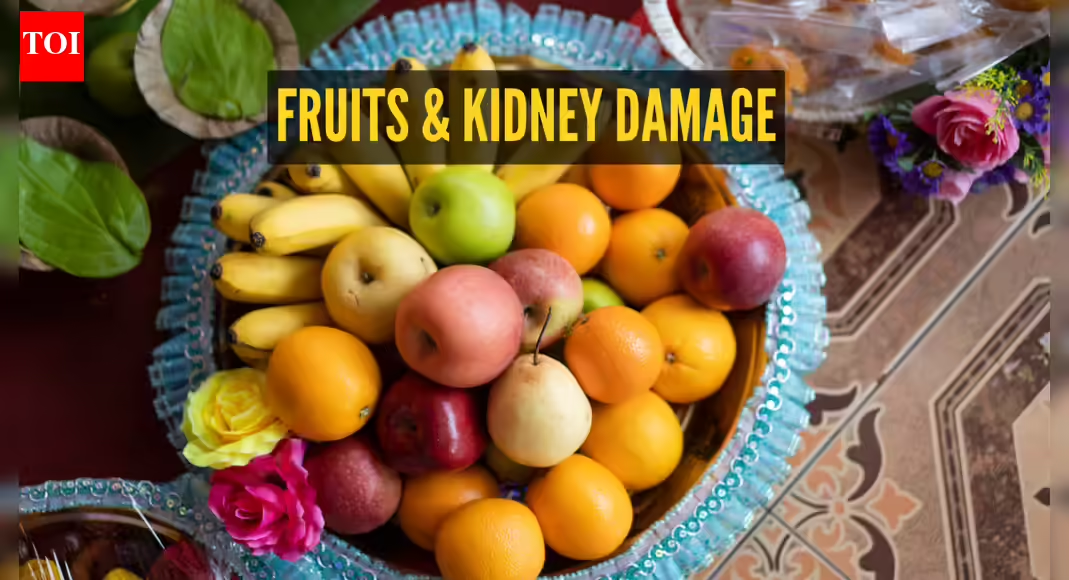
Certain fruits like bananas, oranges, avocados, and dried fruits can be harmful to individuals with chronic kidney disease due to their high potassium and sugar content, while fruits like watermelon, berries, and pineapple are beneficial for kidney health. It's important for those with kidney issues to choose their fruit intake carefully and consult with healthcare professionals.
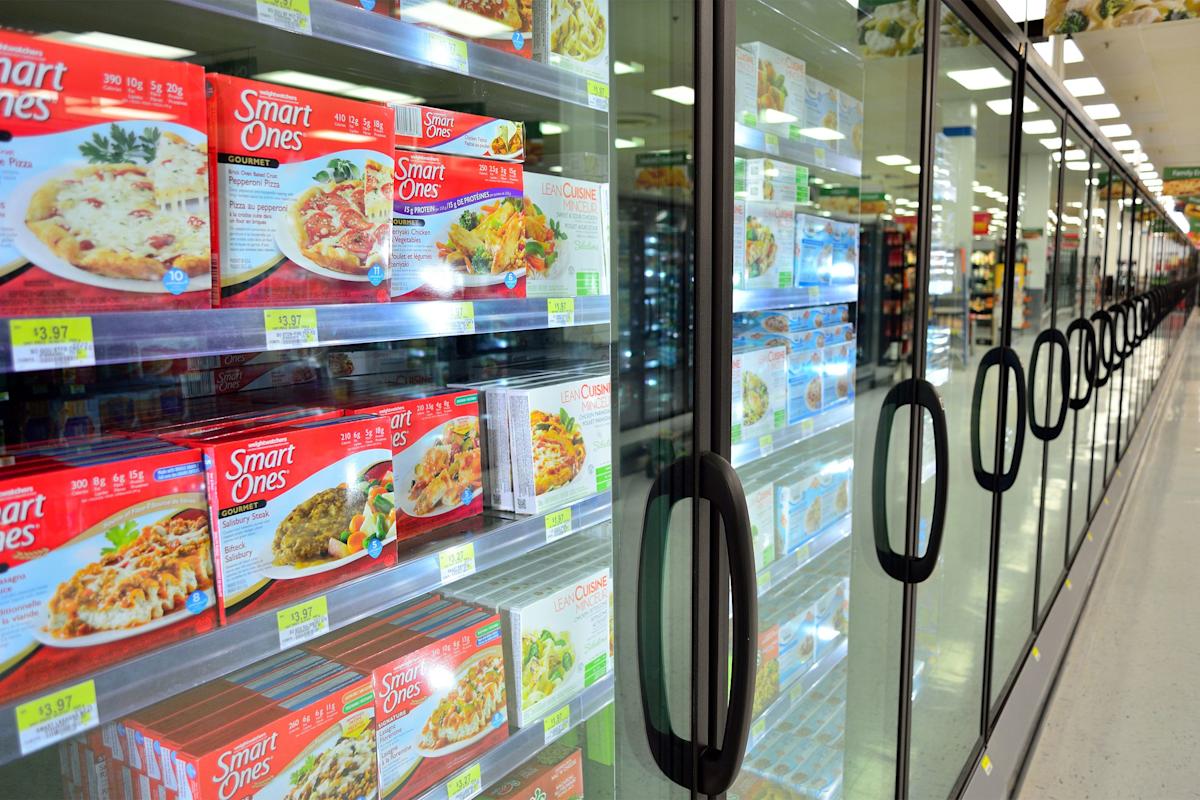
The article highlights frozen foods to avoid due to high levels of sodium, sugar, unhealthy fats, and additives, recommending instead to choose simpler, homemade options for better health.
The article highlights how ultra-processed foods like protein bars, instant oatmeal, flavored yogurt, deli meats, and refined breads can sabotage a healthy diet, and suggests healthier, less processed alternatives such as eggs, nuts, whole grains, and homemade dressings, emphasizing the importance of choosing whole foods over ultra-processed options for better health.
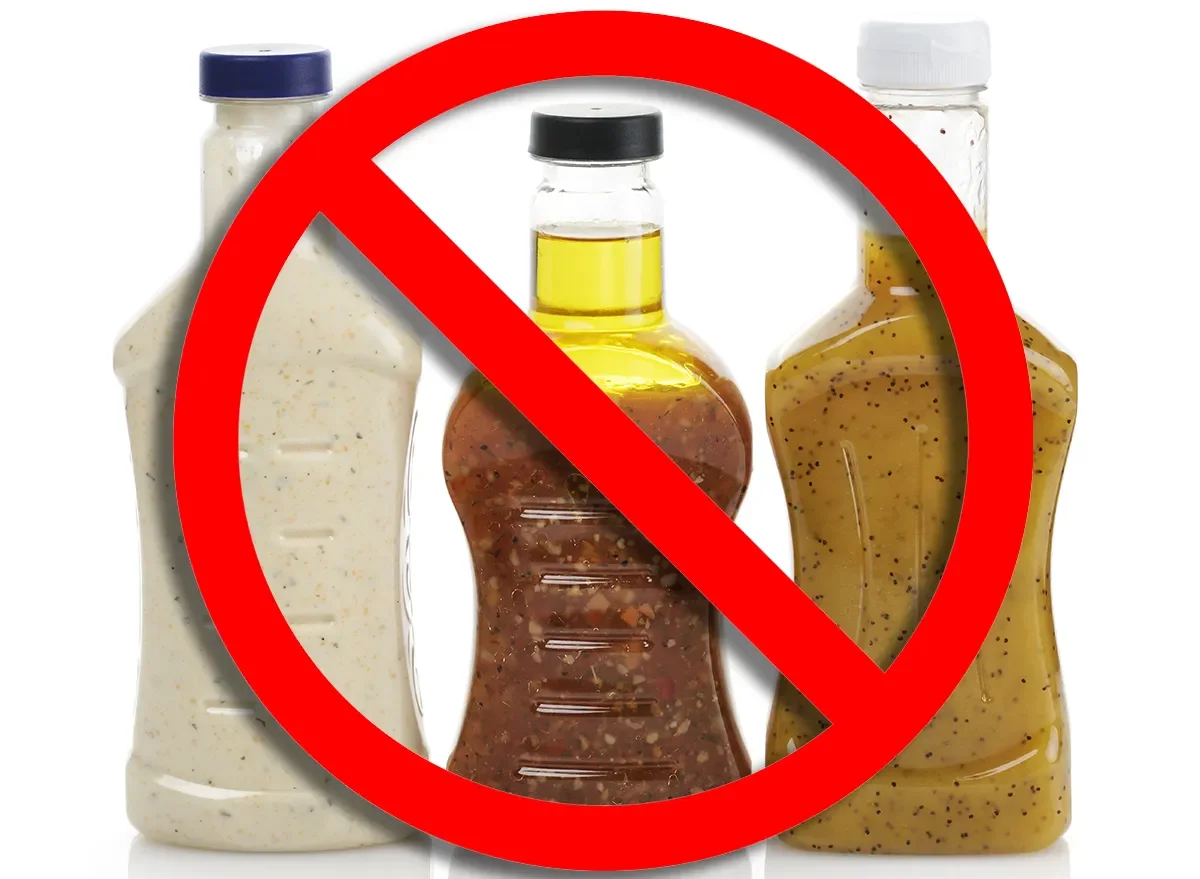
Many store-bought salad dressings contain preservatives, artificial flavors, and inflammatory oils that can negatively impact health. Experts recommend avoiding popular brands like Wish-Bone, Ken’s, Kraft, Hidden Valley, and Walden Farms, which are loaded with synthetic additives such as calcium disodium EDTA, sodium benzoate, MSG, and artificial colors. Instead, opt for dressings made with simple, natural ingredients like olive oil, vinegar, and herbs for a healthier choice.
Consuming sugary and artificially sweetened beverages significantly increases the risk of type 2 diabetes, obesity, and heart disease in women. Replacing these drinks with water, herbal teas, or unsweetened green tea can help reduce these health risks. Women should be especially cautious due to hormonal fluctuations and higher cardiovascular vulnerability associated with diabetes.
A Harvard-trained gastroenterologist lists six common foods linked to increased cancer risk, including processed meats, sugary drinks, deep-fried foods, charred meats, alcohol, and ultra-processed foods, and suggests healthier alternatives such as lean meats, herbal teas, baked vegetables, slow-cooked meats, non-alcoholic fermented drinks, and home-cooked meals to reduce cancer risk.
A recent study suggests that drinking fruit juice increases the risk of type 2 diabetes due to high sugar content and lack of fiber, which can cause blood sugar spikes. Instead, healthier options include whole fruit smoothies, infused water, unsweetened coconut water, vegetable juices, and diluted traditional drinks like amla or aloe vera juice, which are gentler on blood sugar levels.
After quitting daily diet soda consumption to avoid ultra-processed foods (UPFs), the author learned that healthier alternatives, though more expensive, can be satisfying as tastebuds adapt. The switch reduced cravings for sweet treats, and the author found that naturally flavored sparkling water became more enjoyable over time. Dietitian Nichola Ludlam-Raine advises gradual reduction of diet sodas due to potential health risks, including type 2 diabetes and cardiovascular disease, while emphasizing that water is the healthiest choice.
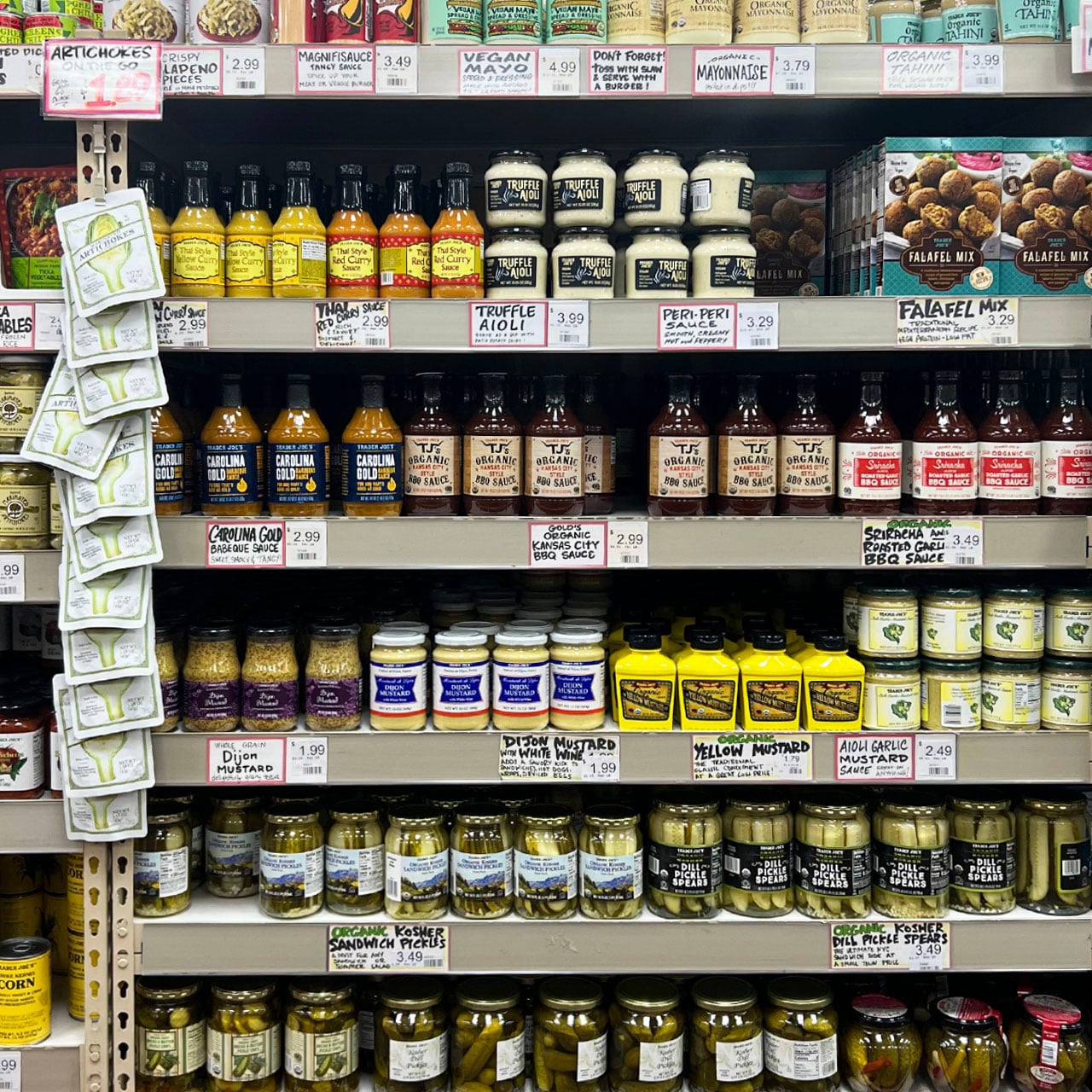
As spring approaches, it's important to be mindful of the condiments and sauces we consume, as many popular options can contribute to inflammation and weight gain. Dietitian Krutika Nanavati advises cutting out mayonnaise, ketchup, barbecue sauce, soy sauce, and creamy salad dressings due to their potential health risks. Instead, she recommends healthier alternatives such as avocado-based spreads, fresh tomato salsa, homemade barbecue sauces, coconut aminos, and simple olive oil and vinegar dressings to enjoy flavorful foods without compromising health goals.
Jordan Mazur, a professional sports dietitian, suggests healthy alternatives to water for those who dislike it, including herbal teas, coconut water, milk, fruit-infused water, and ready-to-drink flavored water. He advises against alcohol, sugary drinks, and caffeinated beverages due to their potential adverse health effects. Proper hydration is crucial for bodily functions, and signs of dehydration should be monitored closely. Hydration needs vary based on factors such as physical activity levels and environmental conditions, and it's important to drink fluids regularly throughout the day, even if thirst isn't felt.
This Valentine's Day, consider healthier alternatives to traditional candy, such as fresh fruit, cheese boards, chocolate-covered fruit or nuts, homemade treats, and nonfood gifts like flowers or experiences, to avoid excessive sugar and empty calories while still showing your love and appreciation.
The World Health Organisation (WHO) has highlighted the detrimental effects of excessive salt consumption, linking it to raised blood pressure and various health issues, including cardiovascular diseases and obesity. WHO recommends limiting salt intake to less than 5 grams per day and suggests consuming fresh, minimally processed foods and using herbs, spices, and other flavorful alternatives to reduce sodium intake. Excessive sodium intake can lead to increased blood pressure, posing a significant risk for heart disease and stroke, and is associated with 1.89 million deaths annually.
Nutritionist Apurwa Agarwal suggests substituting wheat flour with these five nutrient-dense flours for weight loss and improved well-being: bajra aids digestion and regulates blood sugar, makai boosts immunity and provides sustained energy, sattu supports muscle development and aids in weight loss, ragi promotes bone health and controls blood sugar, and amaranth aids in weight management and enhances heart health.
Dietitians warn against adding store-bought fruit juice to smoothies as it is loaded with added sugars and lacks essential fibers found in whole fruits. Consuming fruit juice can cause rapid spikes in blood sugar levels, leading to energy crashes, hunger, overeating, and weight gain. Instead, opt for unsweetened almond milk, coconut water, or plain water as a smoothie base. Whole fruits or natural sweeteners like stevia can provide sweetness without adverse effects on blood sugar and weight.
Dietitians warn that adding sugar or flavored syrups to coffee can hinder weight loss efforts due to the significant increase in caloric content. Coffee creamers, particularly those high in added sugars and unhealthy fats, can contribute to excess calorie intake and blood sugar spikes. Opting for low-calorie or unsweetened alternatives, such as almond milk or coconut milk, can help mitigate the impact on weight loss goals. It is important to read labels carefully and be mindful of portion sizes when using coffee creamer. Moderation and balance are key to maintaining a healthy coffee routine while on a weight loss journey.