
Diet Sodas and 'Healthy' Juices: Hidden Risks of Increased Diabetes
A nutritionist warns that packaged fruit juices are essentially sugary water lacking fiber and nutrients, and advises consuming whole fruits instead for better health benefits.

All articles tagged with #fruit juice
A nutritionist warns that packaged fruit juices are essentially sugary water lacking fiber and nutrients, and advises consuming whole fruits instead for better health benefits.

Cardiologists recommend replacing fruit juice with water for better heart health, as water supports efficient blood circulation and reduces the risks associated with high sugar intake from juices, which can lead to weight gain, inflammation, and increased cardiovascular risk.
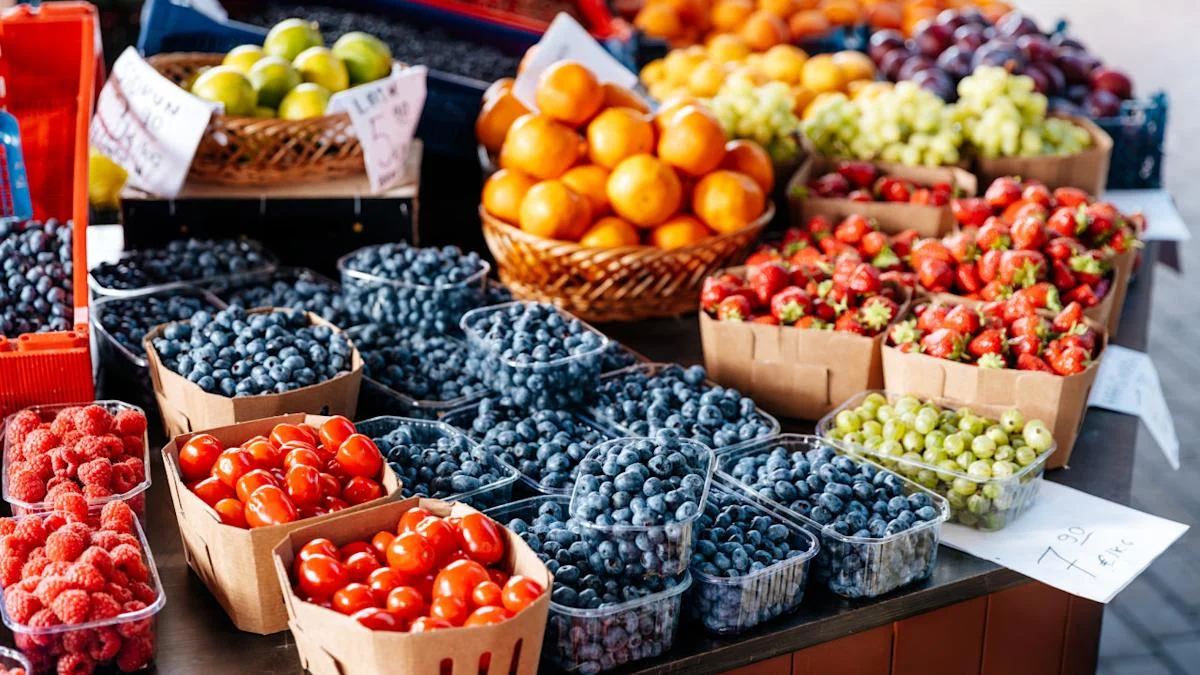
Doctors warn that consuming fruit juices instead of whole fruits can hinder weight loss efforts due to high sugar and low fiber content. They recommend eating whole fruits, balancing nutrients with protein and fiber, and increasing vegetable intake to support weight loss and overall health.

Doctors warn that consuming fruit juices instead of whole fruits can hinder weight loss efforts due to high sugar and low fiber content. They recommend eating whole fruits, balancing them with proteins and vegetables, and being mindful of sugar intake to support healthy weight loss.

Individuals with type 2 diabetes are advised to avoid fruit juices as they can cause blood sugar spikes, emphasizing the importance of monitoring blood glucose levels and maintaining a balanced diet to prevent long-term complications.

While fruits are healthy, consuming fruit juice in excess can harm liver health due to high sugar content, lack of fiber, and additives. Research links high fruit juice intake to increased risk of fatty liver disease and type 2 diabetes, though moderation and choosing fresh, unsweetened juice can help mitigate these risks.

New research from BYU shows that the source of sugar significantly impacts health, with sugary drinks like soda and fruit juice increasing the risk of type 2 diabetes, while sugars in nutrient-rich solid foods may be less harmful or protective. Drinking liquid sugars causes greater metabolic disruption than consuming sugars in whole foods, suggesting a need to differentiate dietary guidelines based on sugar sources.

A recent study suggests that consuming sugar through beverages like soda and fruit juice increases the risk of developing type 2 diabetes, whereas sugar from solid foods or natural sources like whole fruits may be less harmful, highlighting the importance of the context in which sugars are consumed.

A recent study suggests that drinking fruit juice increases the risk of type 2 diabetes due to high sugar content and lack of fiber, which can cause blood sugar spikes. Instead, healthier options include whole fruit smoothies, infused water, unsweetened coconut water, vegetable juices, and diluted traditional drinks like amla or aloe vera juice, which are gentler on blood sugar levels.

Fruit juice, while containing some nutrients, lacks the fiber present in whole fruits and has a high sugar content, leading to rapid blood sugar spikes and potential weight gain. Nutrition experts recommend limiting juice intake to one serving per day, choosing high-nutrient, low-sugar options, and considering alternatives like smoothies made from fresh fruit to maintain fiber intake. For children, excessive juice consumption can lead to missed opportunities for more nutritious foods, and it's generally advised to avoid giving juice to kids before age 2.

A study by Swansea University's School of Psychology tracked 14,000 British children from birth to adulthood and found that consuming sugar-sweetened drinks in early childhood is linked to poor diet patterns and an increased risk of obesity in later life. Children who drank fizzy drinks before age two gained more weight at 24, while those who had pure fruit juice gained less weight. The study also revealed differences in food choices, with pure apple juice drinkers opting for healthier foods. Lead researcher Professor David Benton emphasized the importance of establishing good dietary habits early in life to combat adult obesity.

A meta-analysis published in JAMA Pediatrics found that consuming 100% fruit juice was associated with weight gain in both children and adults, with each additional serving per day linked to a slight increase in body mass index (BMI). The study suggests that drinking fruit juice may contribute to weight gain due to its high calorie content, lack of fiber compared to whole fruits, and potential impact on insulin resistance. Experts recommend limiting fruit juice intake, opting for 100% juice without added sugars, and prioritizing whole fruits for their fiber benefits.

A new analysis of 42 studies found that daily consumption of 100% fruit juice is associated with weight gain in both children and adults, with younger children showing a greater increase in BMI per serving. The study suggests being mindful of juice consumption and aligns with public health guidance to limit fruit juice intake to prevent overweight and obesity, pointing to "liquid calories" and low satiety as potential factors. The American Academy of Pediatrics recommends specific limits for different age groups, and suggests adding a splash of 100% juice to water for a lower-calorie option.

A new analysis of 42 studies published in JAMA Pediatrics found that daily consumption of 100% fruit juice is associated with weight gain in both children and adults, with younger children showing a greater increase in BMI per serving. The study suggests being mindful of fruit juice consumption and aligns with public health guidance to limit its intake to prevent overweight and obesity, pointing to liquid calories and low satiety as potential factors. The American Academy of Pediatrics recommends limiting juice intake for children and advises against it for those under 1 year old, while suggesting alternatives like adding a splash of 100% juice to water for a low-calorie drink.

A new analysis of prior studies suggests that consuming 100% fruit juice is linked to a small increase in weight in both children and adults. The study's findings indicate that excessive sugar intake from juice can lead to insulin resistance, metabolic syndrome, diabetes, heart disease, and obesity. Experts recommend limiting juice intake for children and advise against using juice as a substitute for whole fruits and vegetables. The study emphasizes the importance of portion control and highlights the impact of juice consumption on body mass index.