Tag

Food Additives

All articles tagged with #food additives

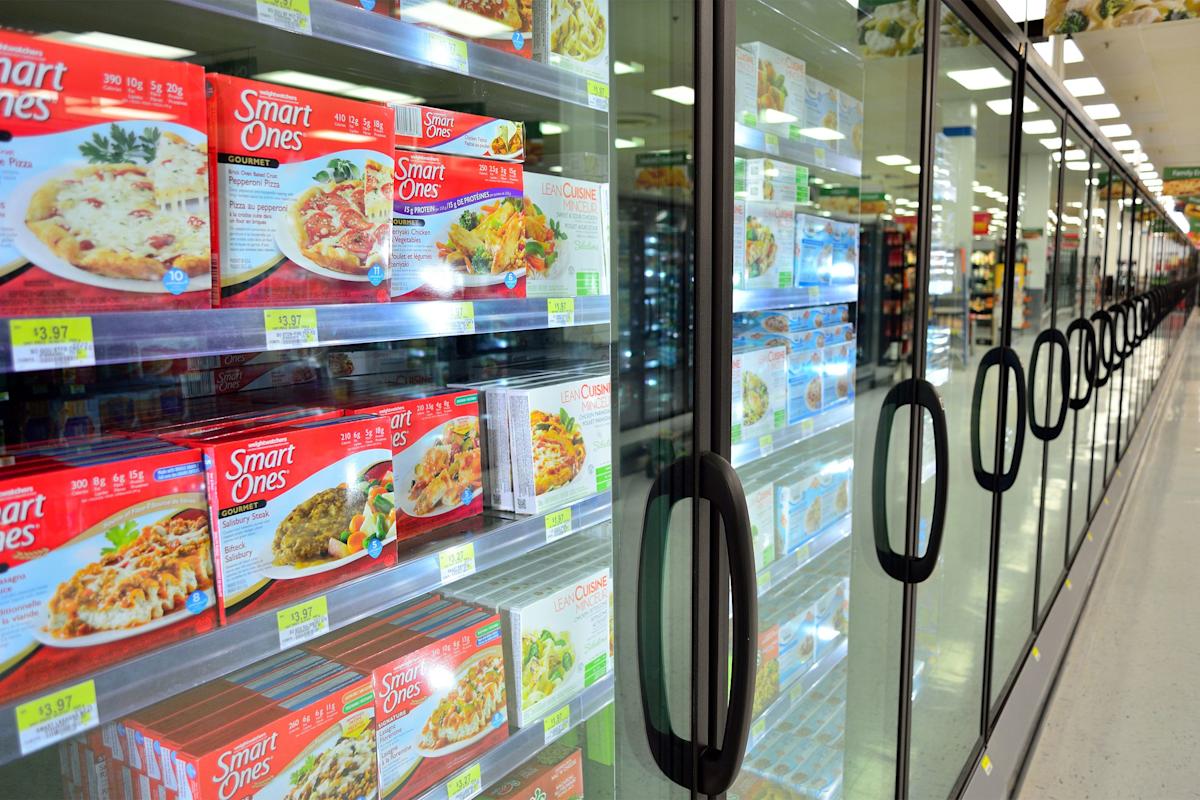
The Hidden Dangers of Ultra-Processed Foods and How to Avoid Them

Originally Published 28 days ago — by CNN

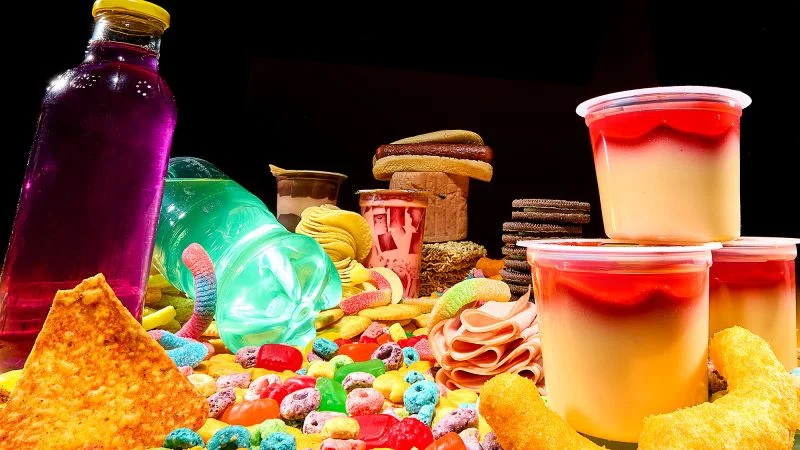
Featured image for The Hidden Dangers of Ultra-Processed Foods and How to Avoid Them
Source: CNN

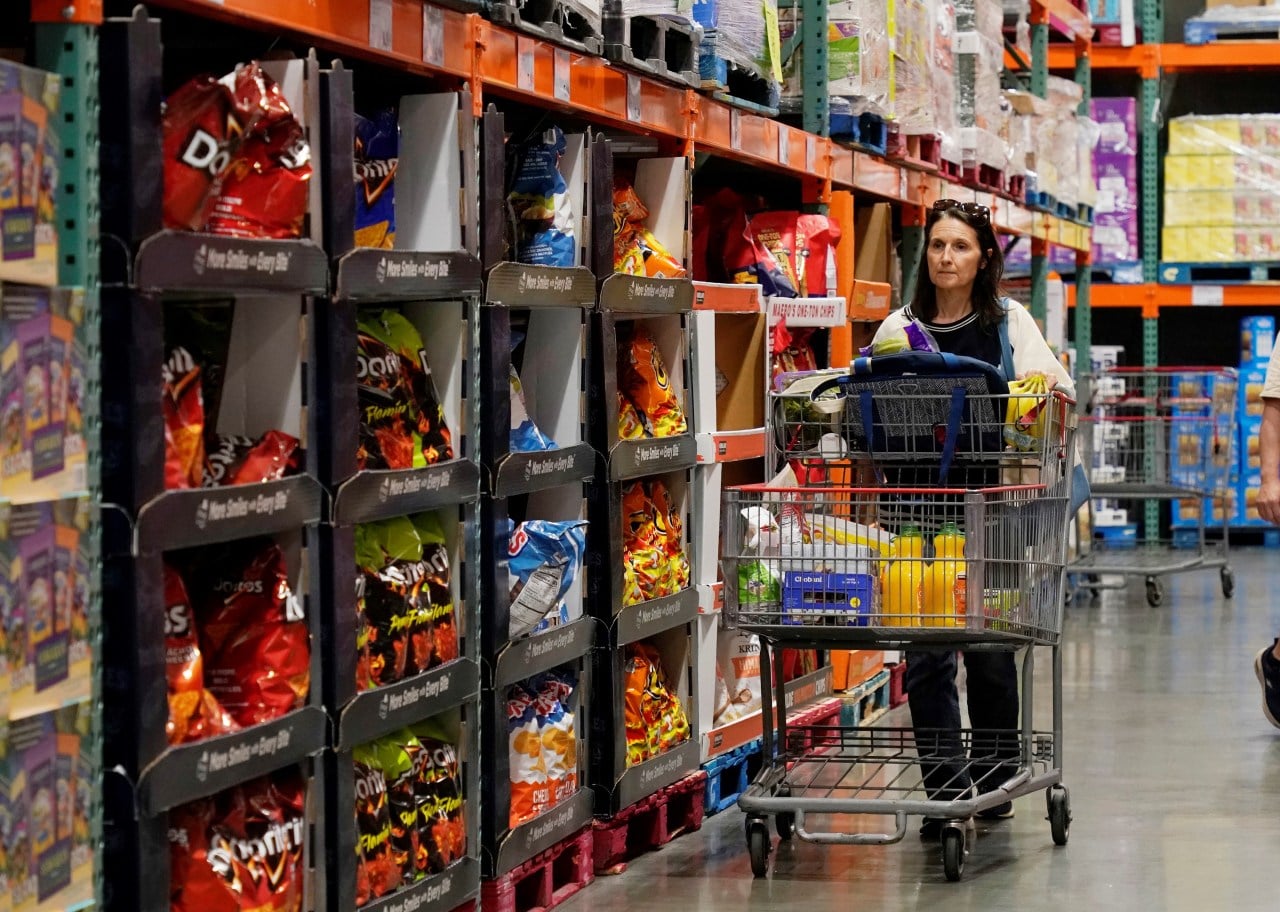
The article discusses the prevalence and health risks of ultraprocessed foods, which make up a significant portion of the American diet, highlighting the challenges in defining and regulating them, and offering tips for consumers to make healthier choices amidst industry and regulatory complexities.

Why Grocery Stores Are Full of Processed Foods and How to Choose Better

Originally Published 28 days ago — by CNN

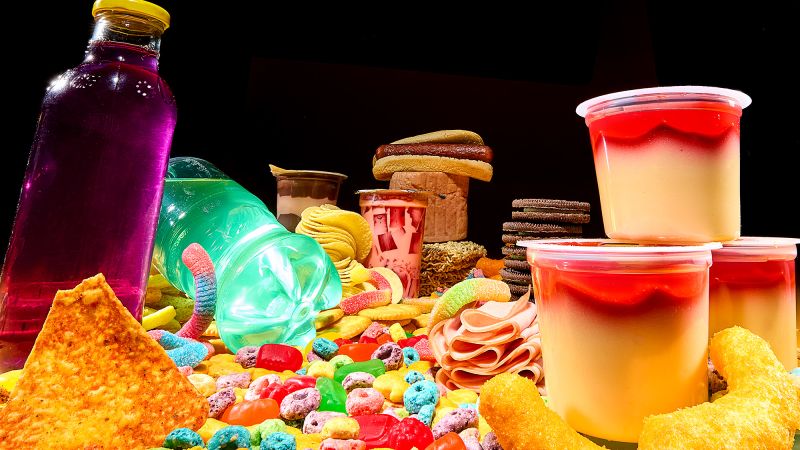
Featured image for Why Grocery Stores Are Full of Processed Foods and How to Choose Better
Source: CNN

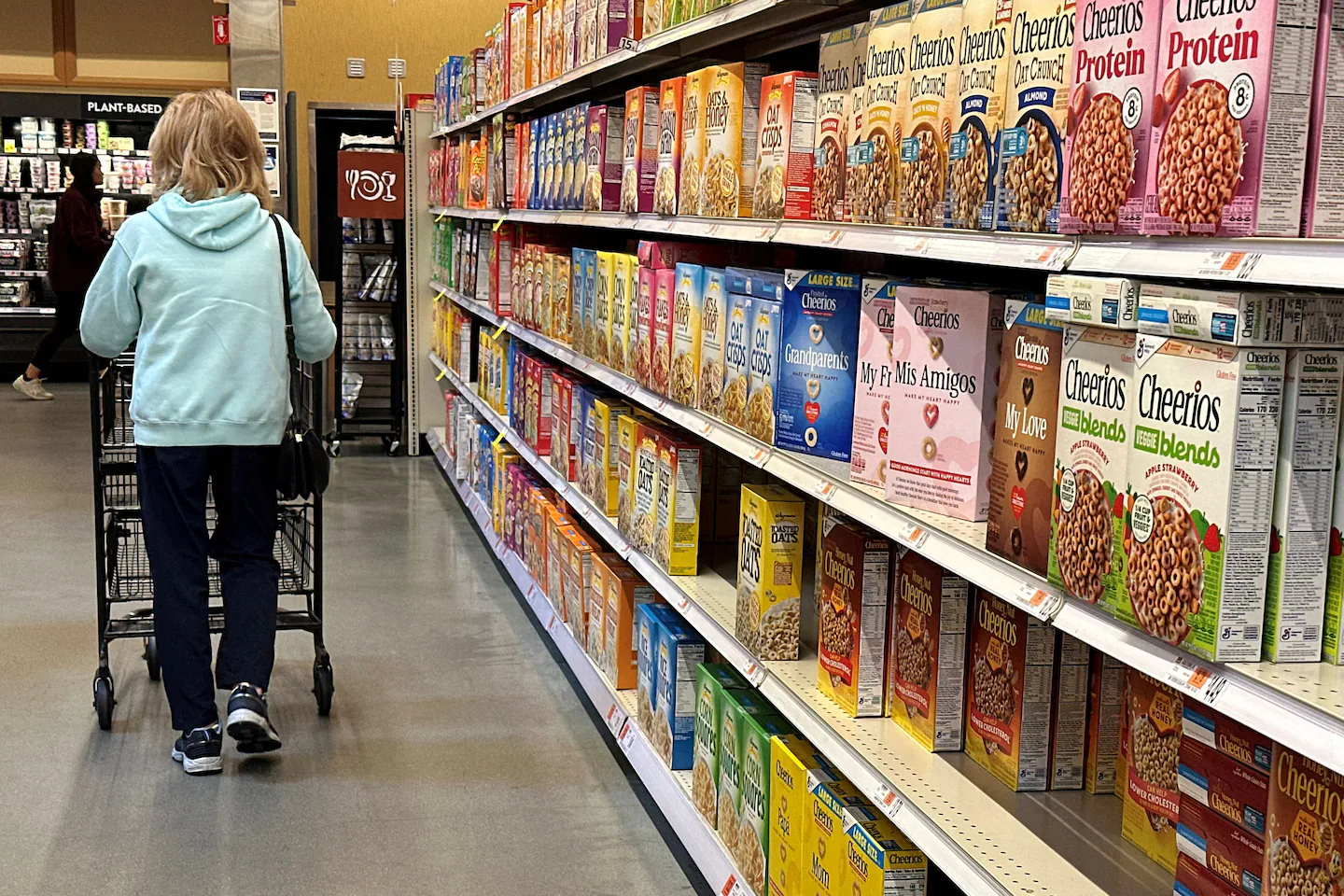
The article discusses the prevalence and dangers of ultraprocessed foods, which make up a significant portion of the American diet, highlighting their synthetic ingredients, health risks, and the challenges in avoiding them, while also exploring regulatory efforts and practical tips for consumers to make healthier choices.

Walmart to Remove Synthetic Dyes and Additives from Store Brands by 2027

Originally Published 3 months ago — by CBS News

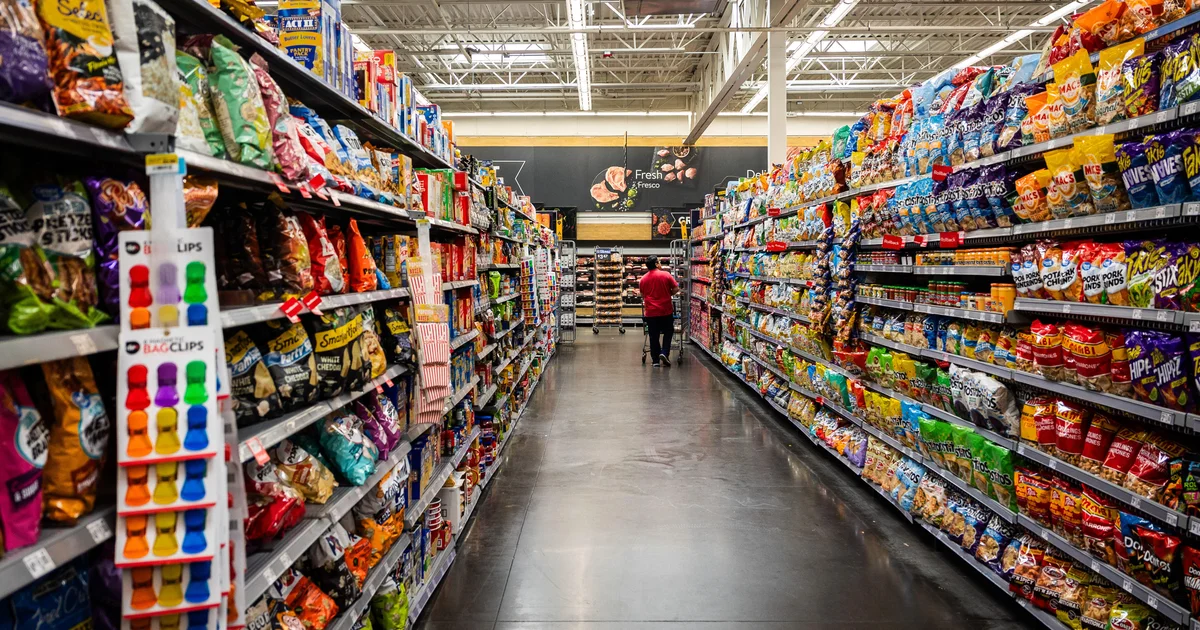
Featured image for Walmart to Remove Synthetic Dyes and Additives from Store Brands by 2027
Source: CBS News

Walmart announced it will remove synthetic dyes and 30 other food additives from its private-label products by 2027, responding to consumer demand for simpler ingredients and increased regulatory scrutiny, affecting around 1,000 products including snacks, baked goods, and dressings.

Top 5 Harmful Food Additives and How to Skip Them

Originally Published 4 months ago — by The Washington Post

Featured image for Top 5 Harmful Food Additives and How to Skip Them
Source: The Washington Post

A recent report highlights that many Americans consume a high amount of ultra-processed foods containing chemical additives like preservatives and sugar substitutes, which are linked to increased health risks such as obesity, chronic diseases, and fertility issues. The article discusses five food additives to watch out for and how to avoid them.

Study Links Daily Hot Dogs to Increased Disease Risk and Shorter Lifespan

Originally Published 6 months ago — by vox.com

Featured image for Study Links Daily Hot Dogs to Increased Disease Risk and Shorter Lifespan
Source: vox.com

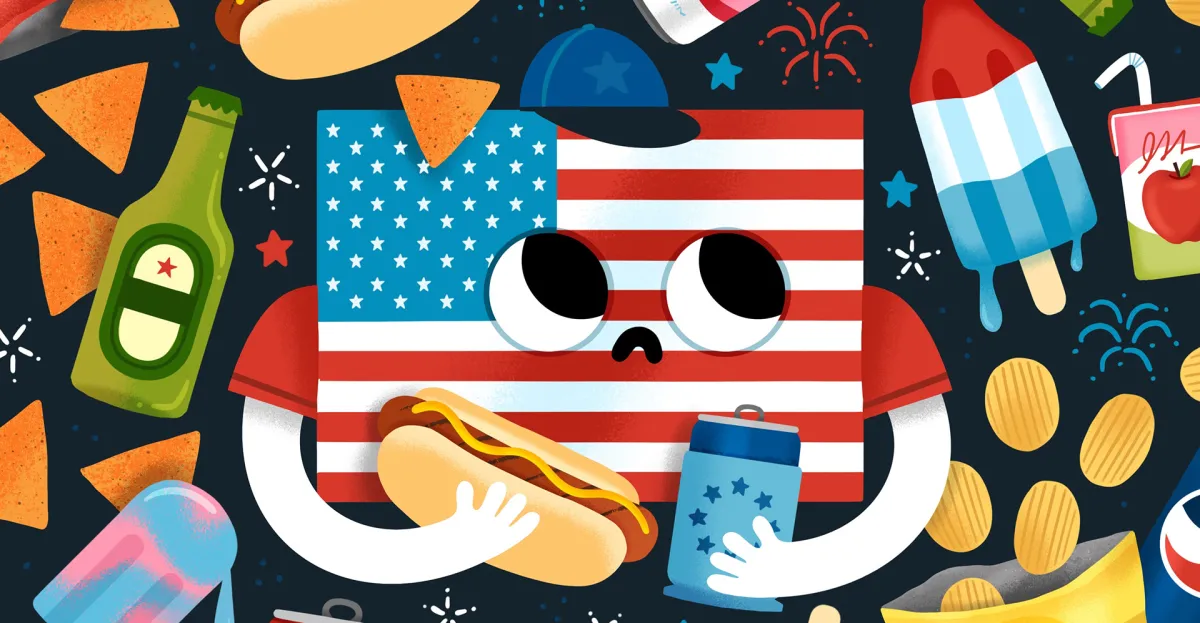
The article discusses concerns over the high consumption of ultra-processed foods and artificial additives in the US, highlighting health risks, differences with European food standards, and the need for policy changes to promote healthier eating habits, especially around July Fourth celebrations.

Texas's Food Label Laws Signal Nationwide Regulatory Shift

Originally Published 6 months ago — by The Washington Post

Featured image for Texas's Food Label Laws Signal Nationwide Regulatory Shift
Source: The Washington Post

Texas has enacted a groundbreaking law requiring warning labels on foods containing certain artificial dyes and additives, which could influence national food labeling policies and industry practices, amid broader efforts to improve public health and address chronic diseases.

Whole Wheat Bread: The Hidden Truth Behind Your Favorite Snack

Originally Published 7 months ago — by Earth.com

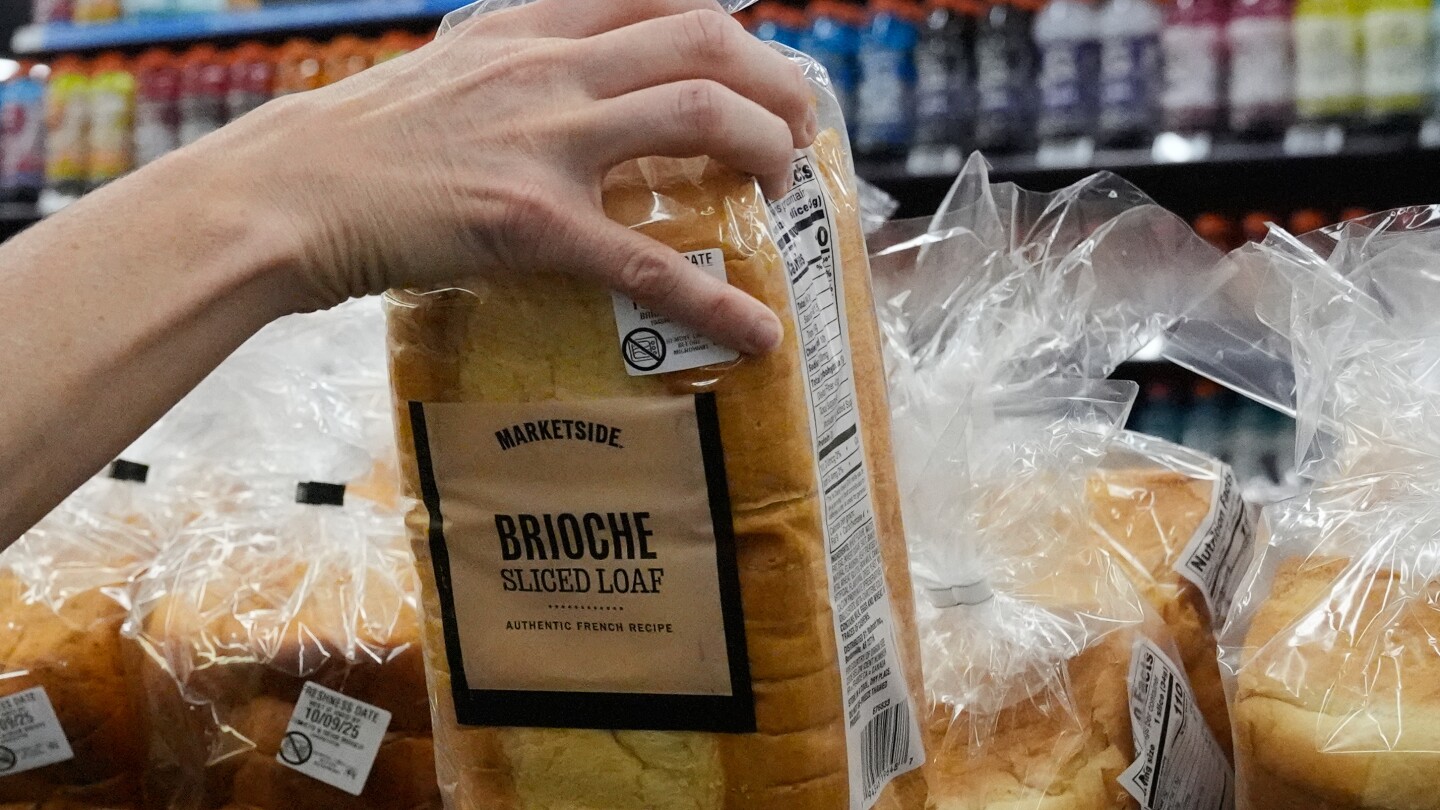
Featured image for Whole Wheat Bread: The Hidden Truth Behind Your Favorite Snack
Source: Earth.com

Many brown or wholegrain breads may be misleadingly colored or contain additives that diminish their health benefits. Genuine whole grains and traditional fermentation methods like true sourdough offer more nutritional value, especially for gut health, but labels can be deceptive. Reading ingredient lists carefully is essential to choose healthier bread options.

US vs. Global: Surprising Ingredient List Differences Uncovered

Originally Published 1 year ago — by Daily Mail

Featured image for US vs. Global: Surprising Ingredient List Differences Uncovered
Source: Daily Mail

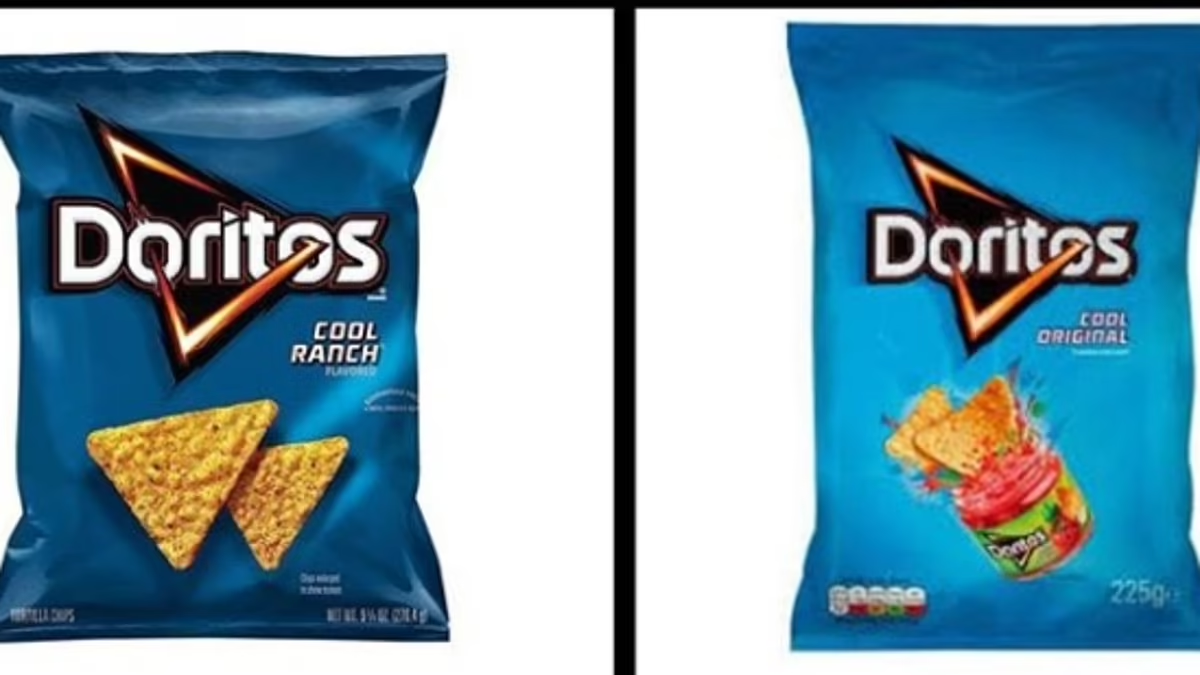
Experts are raising concerns about the high number of chemicals in American food, many of which are linked to health issues like cancer and behavioral problems. Unlike the US, European countries have stricter regulations, banning several harmful additives. American products often contain more additives than their European counterparts, with ingredients like Red 40 and potassium bromate being common in the US but banned in Europe. The FDA's GRAS system allows companies to self-report ingredient safety, leading to less regulatory oversight. Health advocates are pushing for stricter regulations to protect consumers.

"Senate Advances Bill to Ban Cancer-Causing Ingredients in Popular Snacks and Drinks"

Originally Published 1 year ago — by Fox Business

Featured image for "Senate Advances Bill to Ban Cancer-Causing Ingredients in Popular Snacks and Drinks"
Source: Fox Business

Following California's ban on four harmful food chemicals, multiple states are considering similar prohibitions on certain food additives linked to health risks, including cancer. The banned substances include brominated vegetable oil, potassium bromate, propylparaben, and red dye 3. States like New York, New Jersey, Pennsylvania, Illinois, and Missouri are looking to enact laws to prohibit these additives in food products. The FDA has also proposed revoking the regulation authorizing the use of brominated vegetable oil in food due to adverse health effects. Various food and beverage products containing these additives could be affected, and some companies have committed to removing these substances from their products.

"Senate Advances Bill to Ban Harmful Additives in Popular Snacks Across Multiple States"

Originally Published 1 year ago — by WGN TV Chicago

Featured image for "Senate Advances Bill to Ban Harmful Additives in Popular Snacks Across Multiple States"
Source: WGN TV Chicago

The Illinois Senate has passed a bill, SB 2637, that aims to ban specific additives and chemicals in food products, including titanium dioxide, brominated vegetable oil, potassium bromate, propylparaben, and red dye No. 3. The bill also calls for studies on the potential health risks of BHA and BHT. Manufacturers and distributors would need to adopt safer alternatives and update their recipes by Jan. 1, 2028, with penalties for non-compliance violations. The Illinois Manufacturers Association opposes the bill, while some food manufacturers and associations criticize it, citing concerns about creating inconsistent requirements and eroding consumer confidence.

"Controversy Surrounds Potential Ban on Cancer-Linked Ingredients in Popular Snacks"

Originally Published 1 year ago — by NewsNation Now

Featured image for "Controversy Surrounds Potential Ban on Cancer-Linked Ingredients in Popular Snacks"
Source: NewsNation Now

Several states have proposed or passed laws to ban certain food chemicals found in popular snacks and candies due to their link to harmful health effects, including cancer. While some support the legislation, critics argue that there is a lack of scientific basis behind the claims and that these laws undermine the authority of the FDA. The food and color additives in question include brominated vegetable oil, red dye 3, titanium dioxide, potassium bromate, propylparaben, azodicarbonamide, and butylated hydroxyanisole. The FDA has proposed banning brominated vegetable oil and is actively reviewing red dye 3, while emphasizing that the amount of the chemical in the food is a key factor in determining safety.

"States Consider Banning Popular Snacks Over Cancer-Linked Ingredients"

Originally Published 1 year ago — by Daily Mail

Featured image for "States Consider Banning Popular Snacks Over Cancer-Linked Ingredients"
Source: Daily Mail

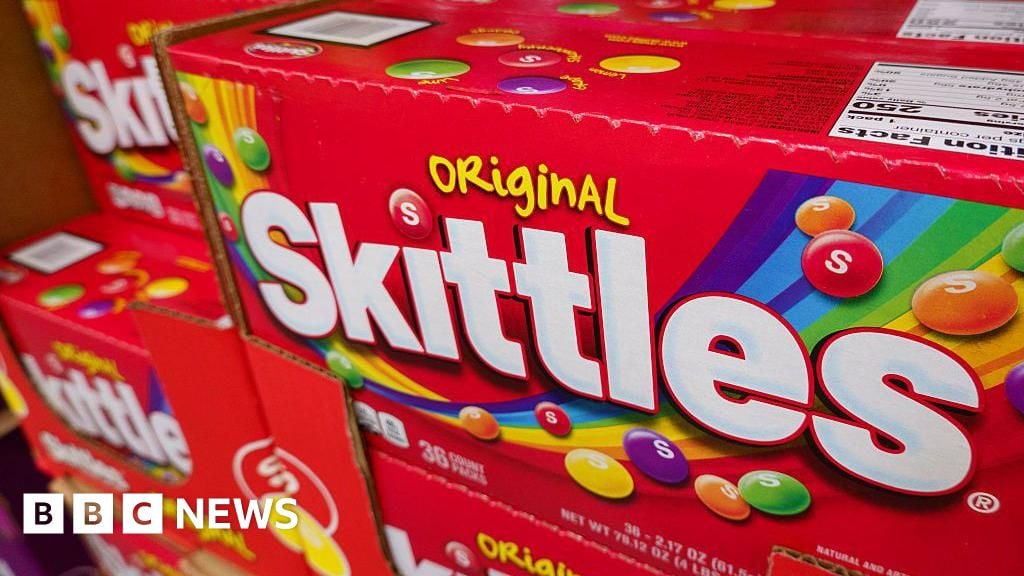
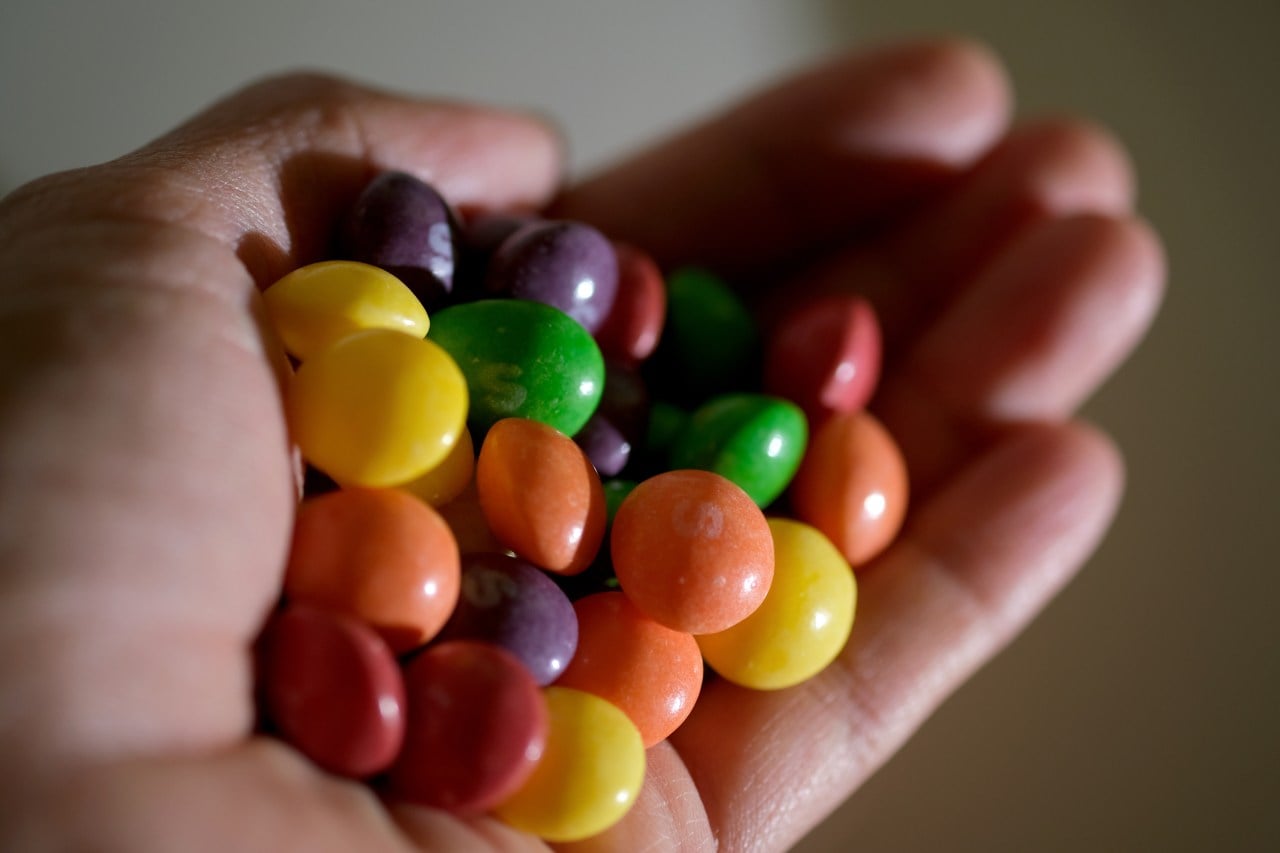
Bills advancing in multiple states could see thousands of popular candies, snacks, and sodas banned due to the presence of 13 additives linked to health risks, already banned in some European countries. California's historic 'Skittles Ban' has triggered similar measures in New York, Pennsylvania, Illinois, New Jersey, and Missouri, targeting additives linked to cancer, fertility issues, and hyperactivity in children. While some argue for the bans due to health concerns, opposition claims there is no strong evidence linking the additives to adverse effects. If passed, companies will need to change their recipes by January 2027 or face legal action.