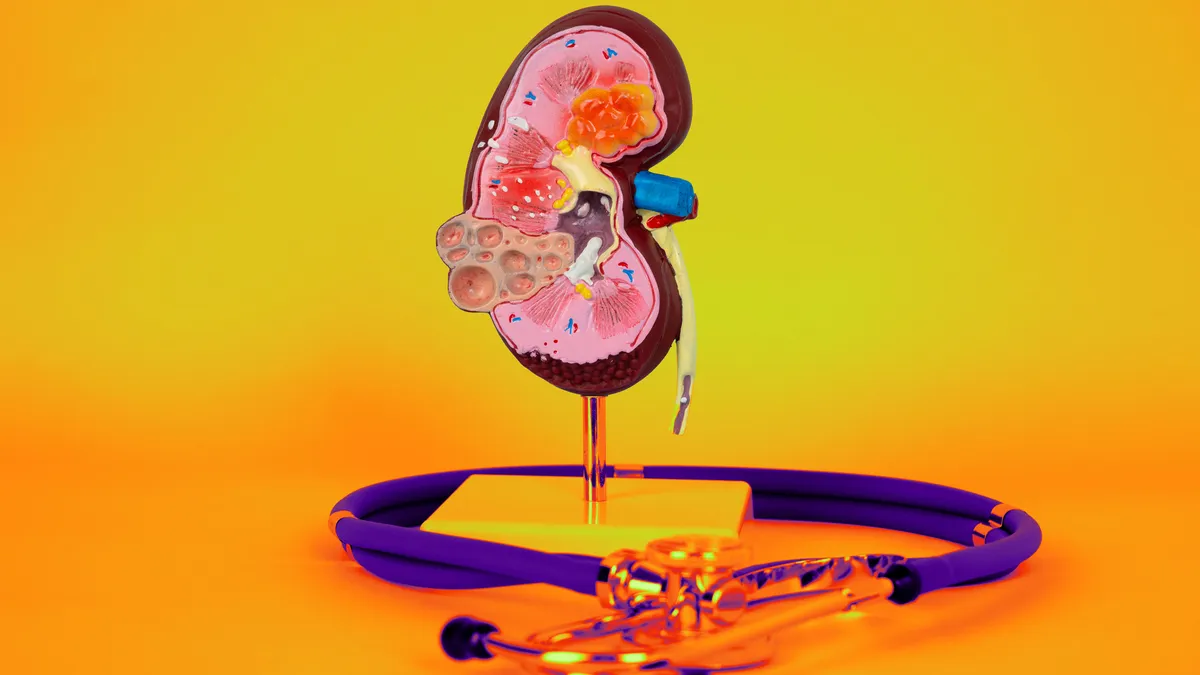
Certain fruits like bananas, oranges, avocados, and dried fruits can be harmful to individuals with chronic kidney disease due to their high potassium and sugar content, while fruits like watermelon, berries, and pineapple are beneficial for kidney health. It's important for those with kidney issues to choose their fruit intake carefully and consult with healthcare professionals.
Research shows that climate change-induced extreme heat and cold contribute to the rise in chronic kidney disease (CKD) globally, with dehydration from temperature extremes damaging kidneys. CKD affects over 788 million people worldwide, with key risk factors including high salt diets, high blood pressure, obesity, and non-optimal temperatures. Greater prevention, screening, and accessible treatments are needed to address this growing health issue.
Chronic kidney disease has become the ninth leading cause of death worldwide, with cases nearly doubling from 1990 to 2023, driven by risk factors like high blood sugar, blood pressure, and BMI. Most cases are in early stages but often go undiagnosed, emphasizing the need for increased testing and access to treatment to prevent progression to dialysis or transplantation. The disease's rising prevalence highlights its importance as a major public health concern.
A new global study reveals that chronic kidney disease affects nearly 800 million people worldwide, making it one of the top 10 causes of death, with increasing prevalence linked to aging populations and lifestyle factors, highlighting the urgent need for early detection and treatment.
Chronic kidney disease (CKD) affects nearly 800 million people worldwide and is among the top 10 causes of death, often remaining asymptomatic in early stages. Key risk factors include high blood pressure, high blood glucose, and high BMI. Early detection through regular testing and managing risk factors can slow progression and prevent severe complications.
Canadian researchers have discovered a microRNA, miR-423-5p, that can protect kidney blood vessels after injury and serve as a blood-based biomarker for early detection and treatment of chronic kidney disease, with potential applications in transplantation and other vascular-related conditions.
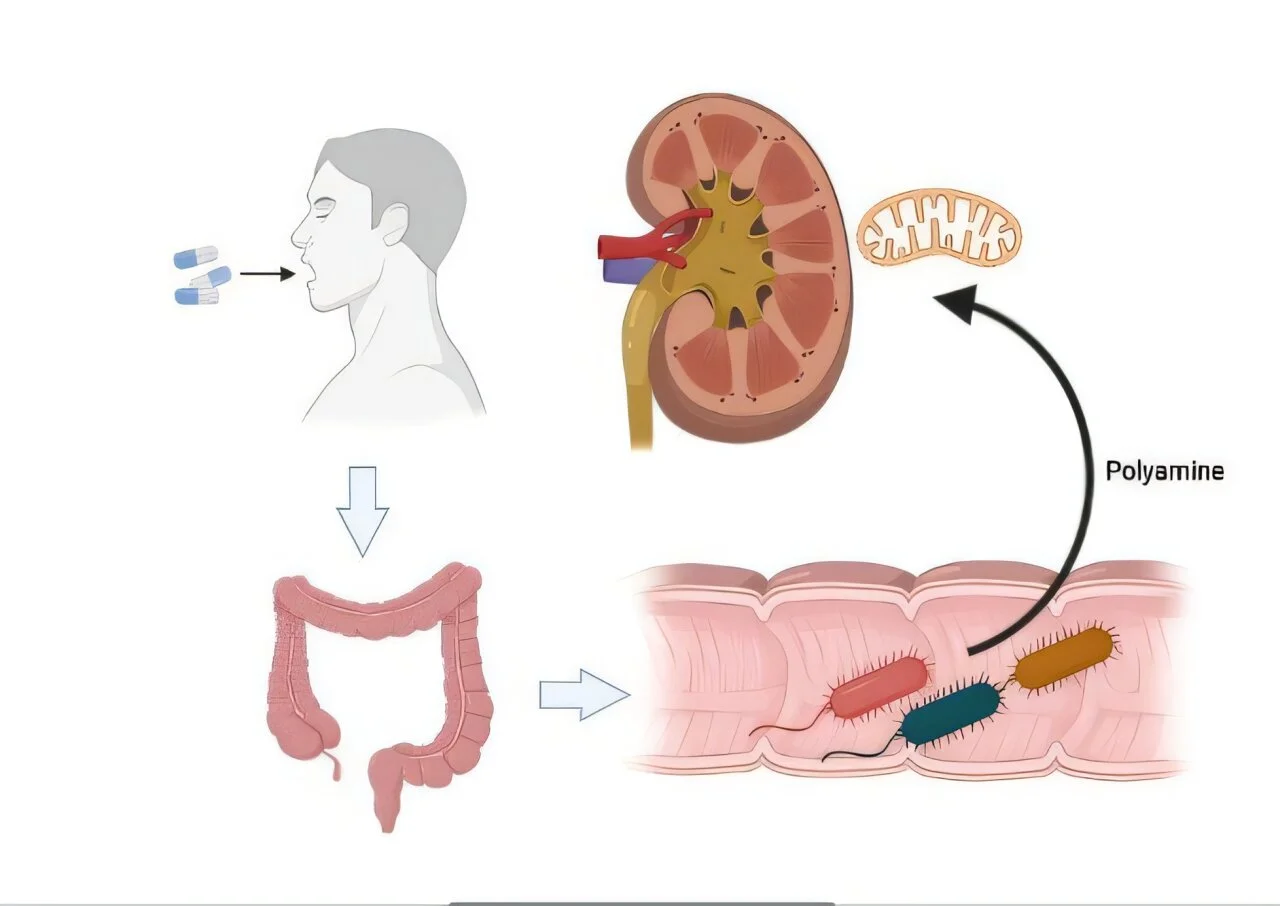
A Phase II clinical trial led by Tohoku University found that lubiprostone, a drug typically used for constipation, can help prevent the decline of kidney function in CKD patients by improving gut microbiota and mitochondrial function, offering a potential new treatment approach.
Excessive consumption of animal proteins, reliance on unregulated protein powders, neglecting routine kidney checks, ignoring plant-based proteins, and personal risk factors can harm kidney health. To protect kidneys, it's important to balance protein sources, monitor intake, and undergo regular screenings, especially for high-risk groups.
Dr. Nishchay emphasizes the importance of awareness and early detection of kidney disease, which often shows no early symptoms. Key signs include fatigue, poor appetite, swelling, and changes in urination. Since early symptoms are vague, routine tests are crucial for diagnosis and prevention of progression, highlighting the vital role of kidneys in overall health.
The article highlights 13 superfoods that can help maintain kidney health, emphasizing the importance of diet in preventing chronic kidney disease (CKD). Foods like fatty fish, cabbage, bell peppers, cranberries, blueberries, dark leafy greens, olive oil, garlic, onions, cauliflower, egg whites, arugula, and apples are recommended for their nutrient-rich properties that support kidney function and overall health. These foods provide essential vitamins, antioxidants, and other compounds that can help reduce inflammation, lower blood pressure, and improve heart and bone health.
The article highlights 13 superfoods that can enhance kidney health, emphasizing the importance of diet in preventing chronic kidney disease (CKD). Foods like fatty fish, cabbage, bell peppers, cranberries, blueberries, dark leafy greens, olive oil, garlic, onions, cauliflower, egg whites, arugula, and apples are recommended for their nutrient-rich properties that support kidney function, reduce inflammation, and provide essential vitamins and minerals. The article also advises consulting with a doctor, especially for those with CKD, to manage nutrient intake effectively.
Novo Nordisk's diabetes drug Ozempic shows promising results in treating chronic kidney disease (CKD) and reducing cardiovascular risks, according to a phase 3 clinical trial. This development could lead to FDA approval for CKD treatment, boosting the drug's market potential and further increasing Novo Nordisk's revenue. Despite manufacturing constraints, the company's obesity and diabetes care segment saw a 52% sales increase in 2023, indicating strong future growth prospects.
Novo Nordisk's diabetes drug Ozempic shows promising results in treating chronic kidney disease (CKD), significantly reducing the risk of major kidney and cardiovascular events in high-risk patients. This development could lead to FDA approval for CKD treatment, expanding Ozempic's market and boosting Novo Nordisk's revenue growth.
Gospel singer Tammy Edwards, who has battled chronic kidney disease for nearly a decade, received a lifesaving kidney transplant in 2022 after losing her mother and two sisters to the same disease. Despite the challenges, Edwards continues to perform and her health is improving, attributing her resilience to faith and music.