Tag

Dietitian Advice

All articles tagged with #dietitian advice

Nutritionists' Top Canned Foods for a Healthy Pantry

Originally Published 1 month ago — by AOL.com

Featured image for Nutritionists' Top Canned Foods for a Healthy Pantry
Source: AOL.com

Canned vegetables are often misunderstood; they are nutritionally comparable to fresh vegetables, especially since they are canned at peak ripeness, preserving essential nutrients. While they may lose some heat-sensitive vitamins, they retain fiber, minerals, and antioxidants, and can be a convenient, affordable, and nutritious addition to a balanced diet. Choosing low-sodium and BPA-free options, and rinsing canned veggies can further enhance their health benefits.


Healthier Holiday Cocktails: Tips for a Guilt-Free Christmas

Originally Published 1 year ago — by New York Post

Featured image for Healthier Holiday Cocktails: Tips for a Guilt-Free Christmas
Source: New York Post

Nutritionist Amy Shapiro offers advice on healthier holiday cocktails, highlighting hot toddies and mulled wine as better options due to their simple ingredients and potential health benefits. Hot toddies are low in calories and contain vitamin C and cinnamon, while mulled wine has antioxidants and digestive spices. Shapiro advises moderation and suggests tweaks for less healthy drinks like eggnog and spiked hot chocolate, such as using plant-based milk and natural sweeteners. She also notes that tequila and mezcal may be healthier liquor choices due to their stimulant properties and lack of sugar.

Dietitian's Warning: Three Foods to Never Reheat for Safety

Originally Published 1 year ago — by Daily Mail

Featured image for Dietitian's Warning: Three Foods to Never Reheat for Safety
Source: Daily Mail

Dietitian Harini Bala warns against reheating certain foods due to potential health risks. Spinach, tea, and rice are highlighted as foods that should not be reheated. Spinach can release toxic substances when reheated, increasing the risk of kidney stones and bowel tumors. Tea can become bitter and harbor bacteria when reheated. Rice, if not stored properly, can contain Bacillus cereus, a bacteria that causes food poisoning. Proper storage and reheating practices can mitigate these risks.

Top Nuts for Effective Weight Loss

Originally Published 1 year ago — by TODAY

Featured image for Top Nuts for Effective Weight Loss
Source: TODAY

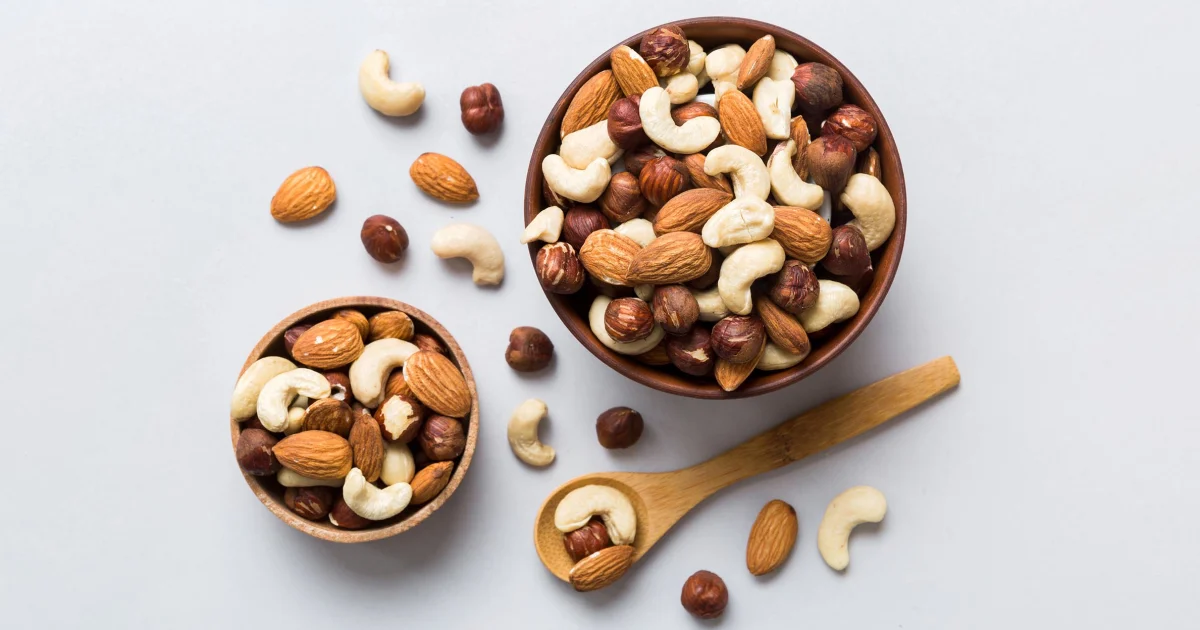
Pistachios are the top choice for weight loss according to dietitian Natalie Rizzo, due to their high protein content and the ability to eat more of them compared to other nuts like almonds. Other recommended nuts for weight loss include almonds, peanuts, and walnuts, each offering unique nutritional benefits such as protein and healthy fats. These nuts can be incorporated into various meals or enjoyed as snacks to help keep you full and prevent overeating.

Essential High-Protein Pantry Staples Recommended by Dietitian

Originally Published 1 year ago — by Real Simple

Featured image for Essential High-Protein Pantry Staples Recommended by Dietitian
Source: Real Simple

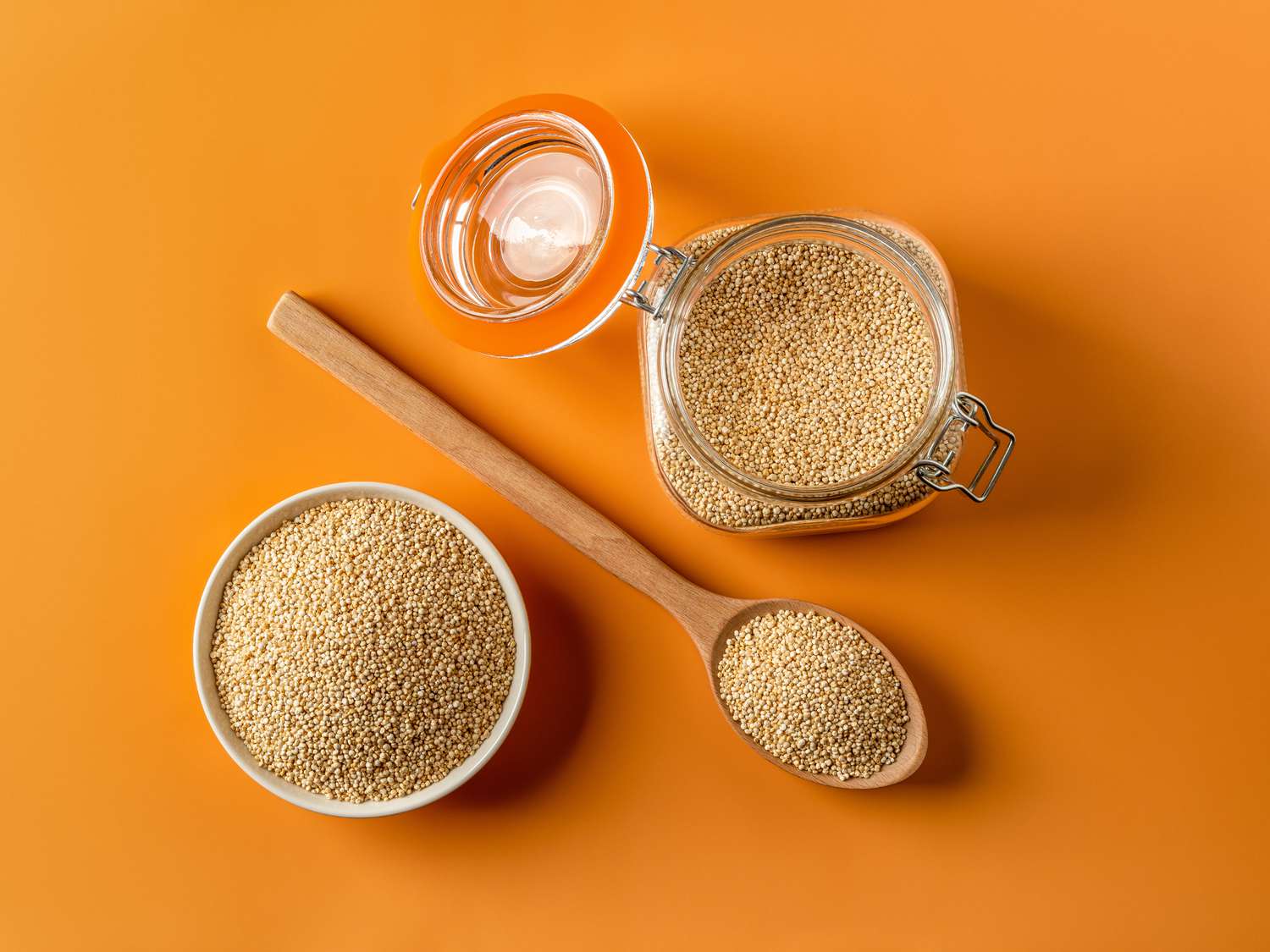
A registered dietitian highlights eight high-protein pantry staples that are essential for maintaining a balanced diet. These include legumes, canned soup, protein powder, quinoa, tinned fish, nutritional yeast, beef or turkey sticks, and nut and seed butters. These items are not only rich in protein but also have long shelf lives, making them convenient and versatile options for various meals and snacks.

"Magnesium Supplements: A Boost for Weight Loss?"

Originally Published 1 year ago — by Eat This, Not That

Featured image for "Magnesium Supplements: A Boost for Weight Loss?"
Source: Eat This, Not That

Magnesium supplements may aid weight loss, especially for those with low magnesium levels, by improving gut health and insulin sensitivity. However, dietitian Jessica G. Anderson emphasizes a "food first" approach, recommending magnesium-rich foods like legumes and dark leafy greens. Supplements can help meet daily magnesium needs but should be part of a broader healthy lifestyle. Always consult a physician before starting supplements, as they can cause side effects and interact with certain medications.

"5 Supplements to Avoid with Metabolic Syndrome: Expert Advice"

Originally Published 1 year ago — by New York Post

Featured image for "5 Supplements to Avoid with Metabolic Syndrome: Expert Advice"
Source: New York Post

Experts advise against taking certain supplements if you have metabolic syndrome, including chromium, niacin, green tea, bitter melon, and milk thistle, due to potential health risks and interactions with medications. Instead, they recommend a balanced diet, regular exercise, and frequent medical checkups to manage the condition.

Dietitian's Guide: Optimal Protein Timing and Daily Intake

Originally Published 1 year ago — by New York Post

Featured image for Dietitian's Guide: Optimal Protein Timing and Daily Intake
Source: New York Post

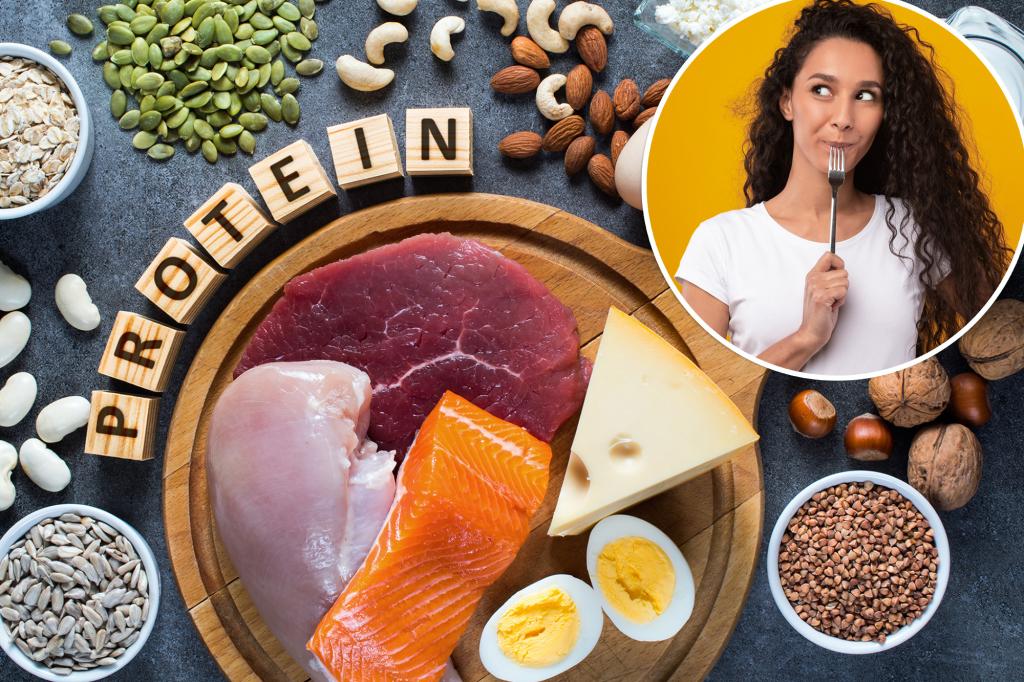
Registered dietitian Jillian Kubala emphasizes that while timing protein intake can benefit specific health goals like muscle building and exercise recovery, the total amount of protein consumed is most crucial for overall health and body composition. She advises spreading protein intake throughout the day and highlights the recommended daily allowances and potential risks of excessive protein consumption.

"Lemon Water: Weight Loss and Health Benefits Explained"

Originally Published 1 year ago — by USA TODAY

Featured image for "Lemon Water: Weight Loss and Health Benefits Explained"
Source: USA TODAY

Drinking lemon water does not directly cause weight loss, according to dietitian Caroline Thomason. While it can provide hydration and some nutrients, the key to weight loss remains a balanced diet and regular exercise. Lemon water may help with hydration and provide vitamin C, but it is not a magical solution for fat loss.

"Top Dietitian Ranks Cow's Milk and Soy Milk as Healthiest Choices"

Originally Published 1 year ago — by New York Post

Featured image for "Top Dietitian Ranks Cow's Milk and Soy Milk as Healthiest Choices"
Source: New York Post

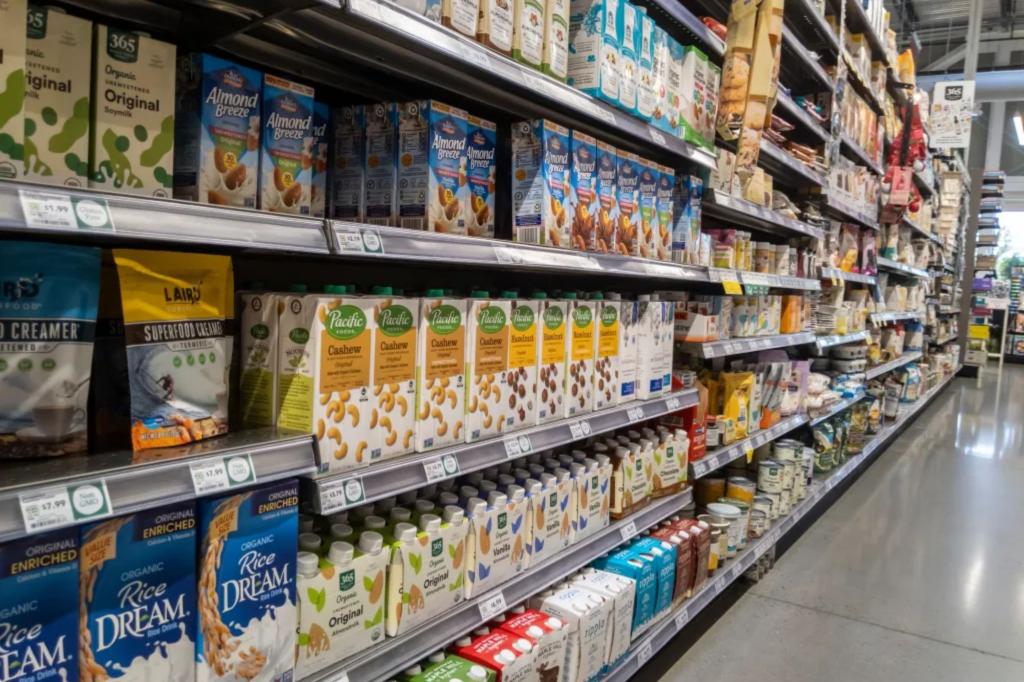
Registered dietitian Natalie Rizzo identifies cow's milk and soy milk as the healthiest milk options available, citing their high protein content and essential vitamins and minerals. Cow's milk is particularly noted for its calcium and vitamin D, while soy milk is recommended for those who are lactose intolerant. Other milks like pea, almond, and hemp also offer health benefits, but oat milk is criticized for its higher calorie content and lower nutritional value.

"Expert-Recommended: The Top 3 Cooking Oils for Your Kitchen"

Originally Published 1 year ago — by Vogue

Featured image for "Expert-Recommended: The Top 3 Cooking Oils for Your Kitchen"
Source: Vogue

Experts recommend choosing cooking oils based on their smoke points and health benefits, with olive, avocado, and sesame oil being top choices due to their high smoke points and nutritional value. Oils with low smoke points, such as flaxseed and walnut oils, are best used in cold foods, while highly processed oils like soybean and corn oil should be avoided due to their high omega-6 fatty acid content. The type of oil used can affect the flavor and cooking method of dishes, and portion control is important for managing calorie intake. Cooking sprays can be used for reduced calorie intake, but caution is advised with aerosol sprays containing potentially toxic substances.

"Top Inflammatory Condiments to Avoid This Spring and Healthier Alternatives"

Originally Published 1 year ago — by SheFinds

Featured image for "Top Inflammatory Condiments to Avoid This Spring and Healthier Alternatives"
Source: SheFinds

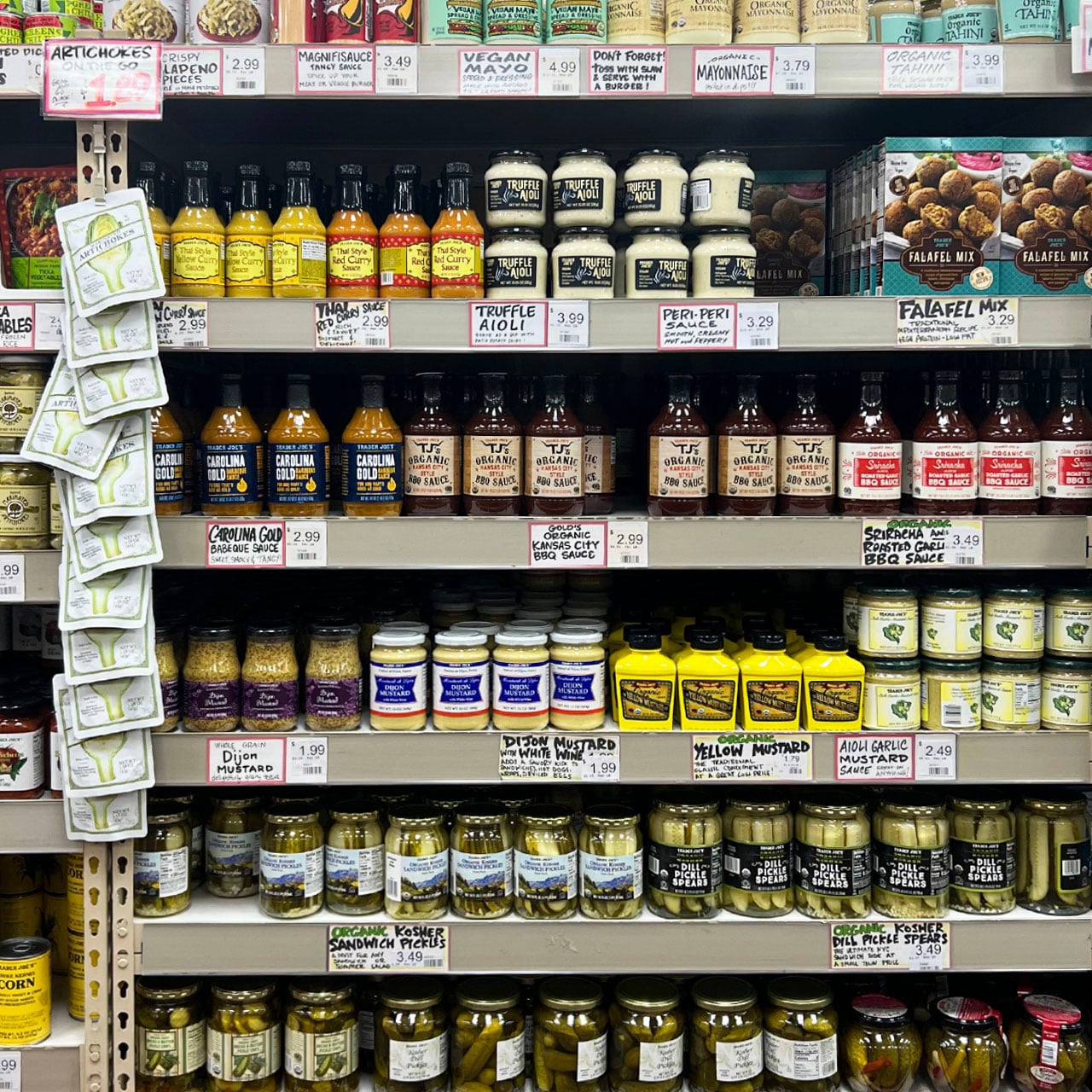
As spring approaches, it's important to be mindful of the condiments and sauces we consume, as many popular options can contribute to inflammation and weight gain. Dietitian Krutika Nanavati advises cutting out mayonnaise, ketchup, barbecue sauce, soy sauce, and creamy salad dressings due to their potential health risks. Instead, she recommends healthier alternatives such as avocado-based spreads, fresh tomato salsa, homemade barbecue sauces, coconut aminos, and simple olive oil and vinegar dressings to enjoy flavorful foods without compromising health goals.

"Snack Your Way to Fat Loss and Muscle Gain, Says Dietitian"

Originally Published 1 year ago — by Business Insider

Featured image for "Snack Your Way to Fat Loss and Muscle Gain, Says Dietitian"
Source: Business Insider

Megan, 34, seeks to build muscle and lose fat with minimal exercise and a routine of walking. Dietitian Alix Turoff advises incorporating strength training and adding more fruits and vegetables to meals. Turoff recommends regular meals, snacks every three to four hours, and tracking food intake to understand calorie consumption and adjust portions for body and goals. While challenging, it's possible to lose fat and build muscle simultaneously with a high-protein diet and strength training.

"The Impact of Late-Night Eating on Your Health"

Originally Published 1 year ago — by Health News Hub

Featured image for "The Impact of Late-Night Eating on Your Health"
Source: Health News Hub

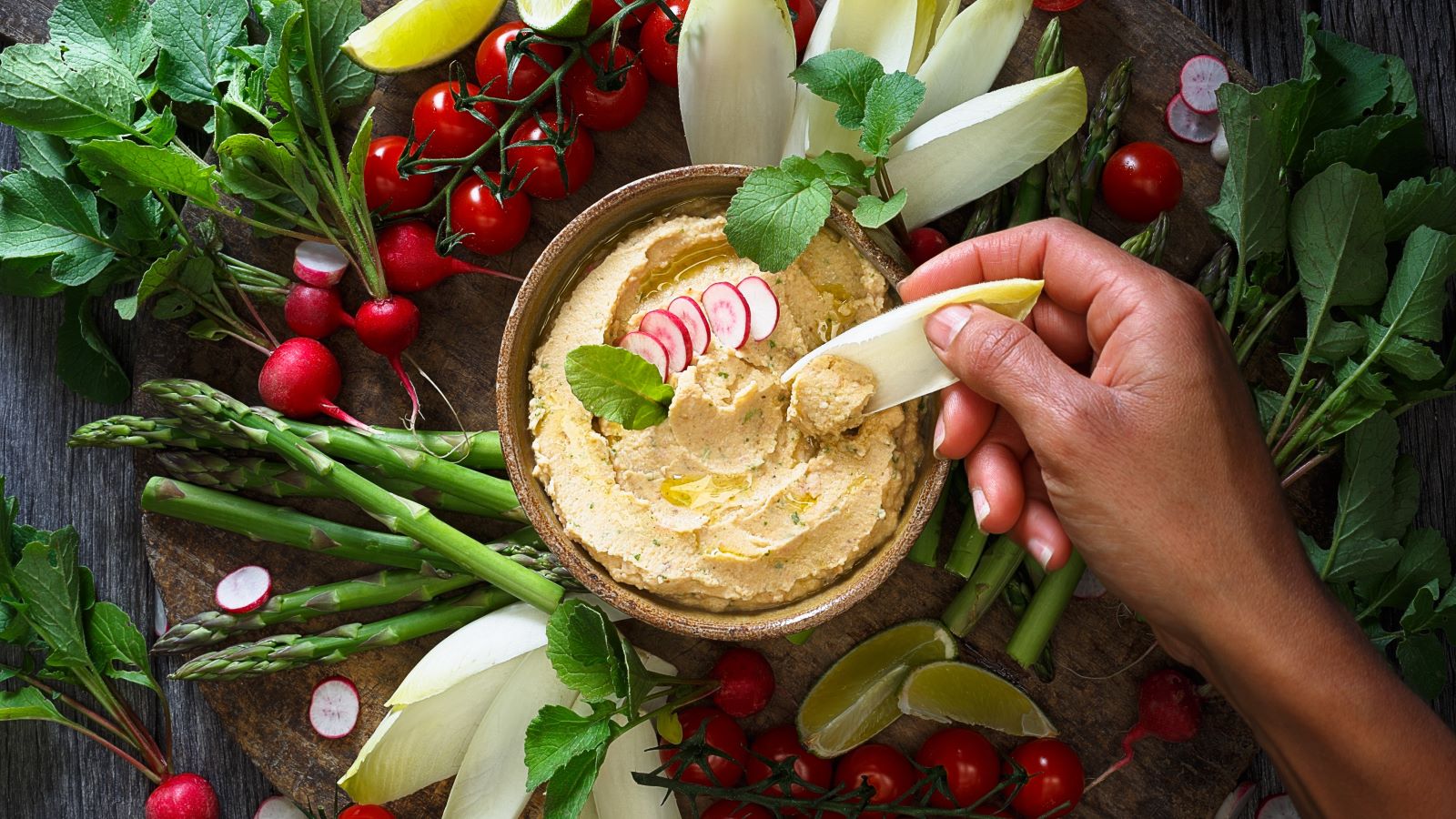
Eating right before bed can disrupt your circadian rhythm and lead to overeating or gastrointestinal discomfort, according to dietitian Elizabeth Barclay. It's best to consume enough calories during the day, focusing on protein and high fiber foods to avoid late night cravings. Foods to avoid before bed include high fat or high sugar snacks, citrus, tomatoes, peppermint, chocolate, alcohol, and caffeine, as they can disrupt sleep patterns and contribute to acid reflux. If late night snacking is unavoidable, Barclay recommends snacks like nuts or nut butter with fruit, Greek yogurt with dark chocolate chips, or veggies with hummus, all of which provide a balance of protein and healthy fats or complex carbohydrates.

"10 Texas Dietitian-Approved Recipes to Strengthen Your Immune System Against Cold and Flu"

Originally Published 2 years ago — by Fox News

Featured image for "10 Texas Dietitian-Approved Recipes to Strengthen Your Immune System Against Cold and Flu"
Source: Fox News

Texas registered dietitian Amy Goodson recommends ten immune-boosting recipes to combat seasonal illnesses like cold and flu. These recipes include nutrient-rich ingredients such as beef, mushrooms, turmeric, citrus fruits, yogurt, spinach, broccoli, almonds, sweet potatoes, and berries, which provide essential vitamins, minerals, antioxidants, and proteins to support immune health. Goodson emphasizes the importance of dietary diversity and includes seven dietary building blocks for strong immunity, highlighting the roles of vitamins, minerals, antioxidants, protein, gut health, omega-3 fatty acids, phytonutrients, and hydration in maintaining a robust immune system.