AP reports that Waymo is expanding its autonomous ride-hailing service to four additional major US cities, marking another step in its ongoing driverless-taxi rollout and broadening access beyond its current markets.
Dutch photographer Martin Roemers’ Homo Mobilis surveys about 200 vehicles across eight countries to explore how transport reveals owners’ identities, cultural values, and social inequalities—from rooftop gardens on cars in India to homeless-car living in the U.S.—and ends with depictions of scrapped vehicles to underscore mobility’s impermanence.
A Pilates instructor shares a seven-move, equipment-free routine designed for people over 40 to wake up the glutes and core, improve mobility and posture, and can be done 2–4 times a week with simple modifications.
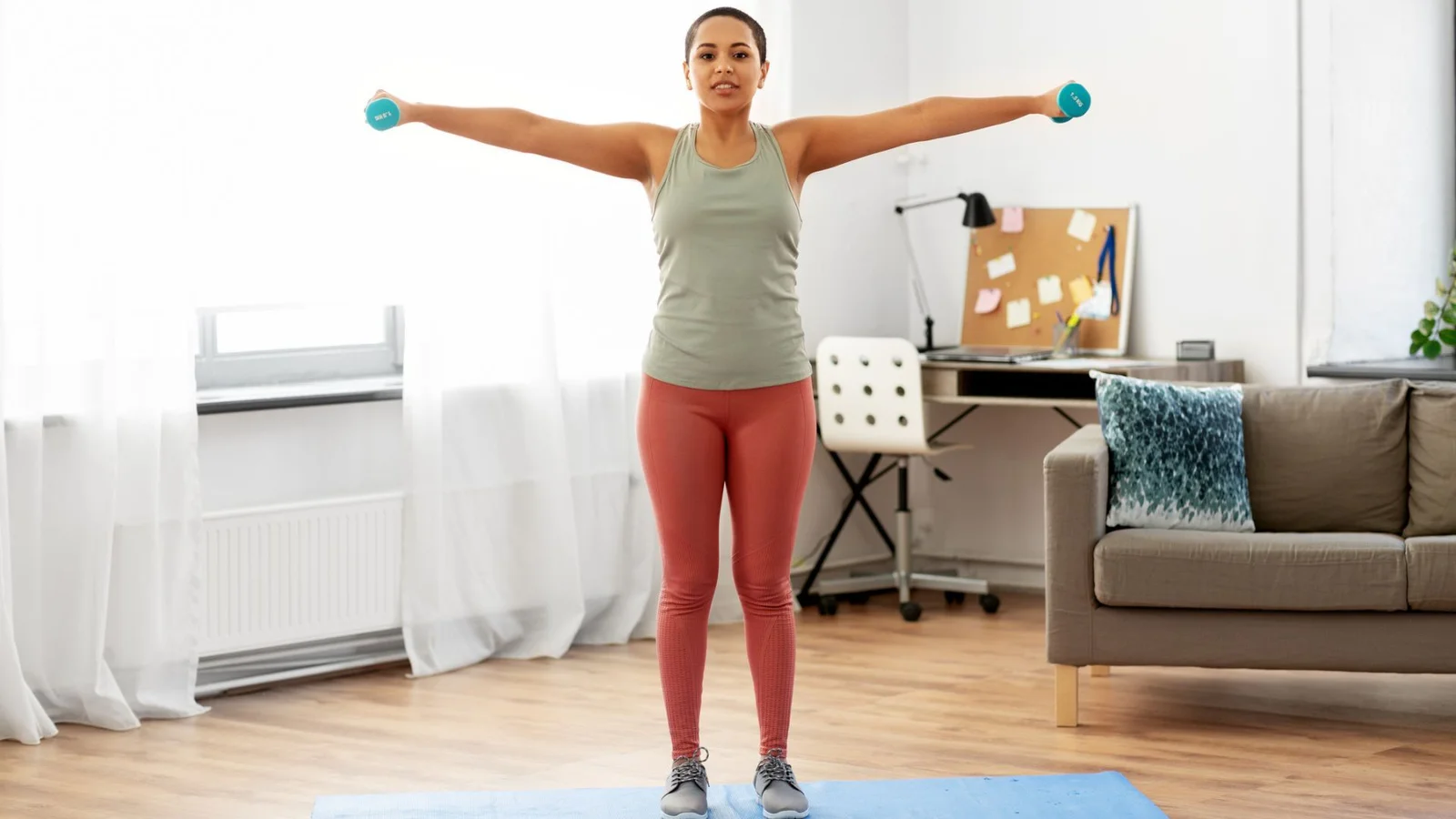
A trainer shares a quick five-minute upper-body routine you can do at home, with or without weights, to improve posture and shoulder mobility. The five one-minute moves—wall shoulder roll, wall push-up, alternating overhead reach and pull, lateral raise, and an isometric biceps hold with pulse—focus on controlled form and breathing, and are suitable for beginners as a morning shakeout, warm-up, or midday reset, to support daily activities like lifting and reaching.
Public health agencies in multiple countries are shifting from cardio-centric advice to recommending regular resistance-based strength training for adults over 60. Evidence shows that strength work preserves muscle mass, balance, and independence better than walking or swimming alone, reducing fall risk and delaying frailty. Accessible, home-friendly routines using bodyweight, bands, and simple props can be effective, prompting policy updates and wider access to programs for older adults.
Toyota reports a 43% quarterly profit drop amid tariff pressures and higher costs, as CFO Kenta Kon is named the new CEO and president, replacing Koji Sato who will stay on as vice chairman. The company sticks to its full-year forecast despite weaker nine‑month profits, and shares climbed about 2% on the leadership announcement.
Experts recommend six low-load daily exercises (dumbbell goblet squats, step-ups, alternating split squats, planks, clamshells, and banded glute bridges) to restore hip strength and improve balance for people over 55, highlighting that these movements support mobility and should complement—not replace—heavier resistance training.
Toyota announces a new adventure starting February 10, underscoring its commitment to sustainable mobility and highlighting its large U.S. manufacturing footprint and North Carolina battery production for electrified vehicles.
92-year-old Edna Giordano trains four days a week with hour-long strength sessions, cardio warm-ups, and mobility work, finishing with stretches, while staying active daily through NEAT like walking and gardening. She uses light weights, emphasizes consistency, and reports improved mood, sleep, posture, and independence, supported by a protein-forward diet and supplements. Experts say strength training can offset age-related muscle loss and that NEAT significantly contributes to daily energy expenditure, highlighting that staying active overall is key to healthy aging.
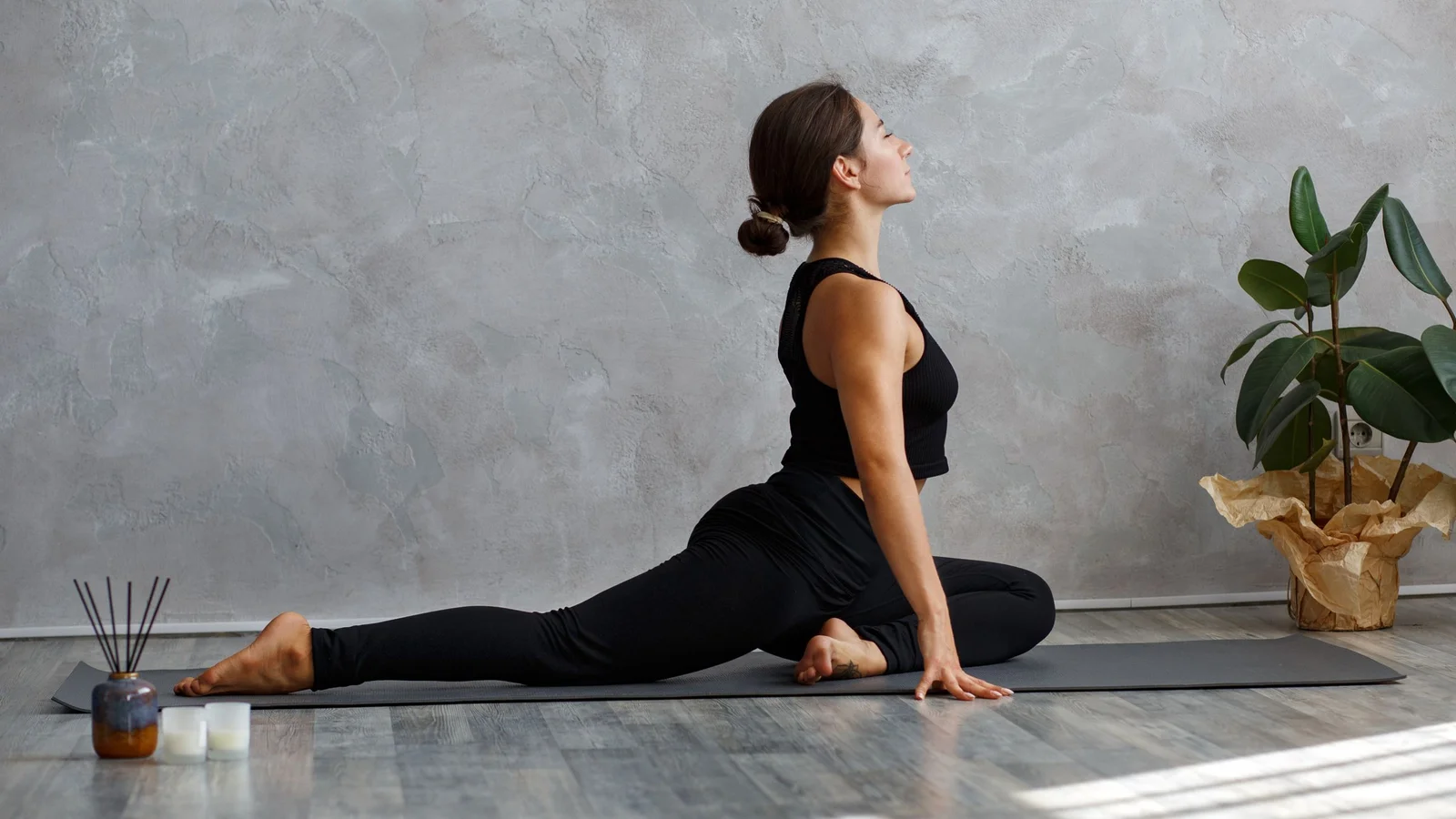
A yoga teacher highlights the pigeon pose as an effective hip-opening stretch for relieving tight hips and emotional tension, outlining step-by-step how to perform it, safe hold times of 1–3 minutes, modifications, and the mental and physical benefits, including reduced lower-back strain and a calmer nervous system.
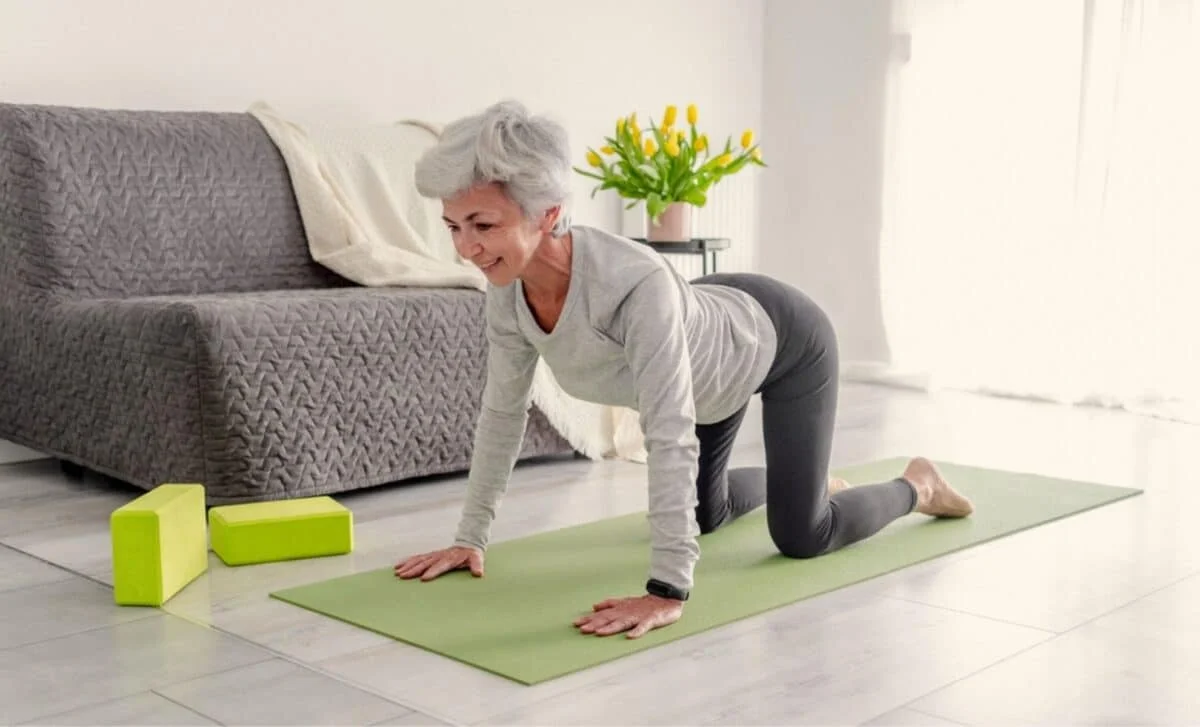
A mobility coach promotes a simple 3-minute morning hip-mobility move—performed in a tabletop position with external hip rotation and a step outward—to open tight hips, improve range of motion, and potentially ease lower back pain, with guidance to do 2–3 sets of 6–8 reps per leg and progress gradually for lasting benefits.
Five-workout mobility plan: a nine-minute dynamic warm-up before exercise, a 10-minute midday yoga boost, a 15- to 30-minute mobility session, a 10- to 15-minute Pilates routine to strengthen the spine and pelvis, and a 20-minute running-focused routine to loosen joints and prevent injuries—designed to train flexibility and strength as you age, with guidance on consistency and watching for movement asymmetries.
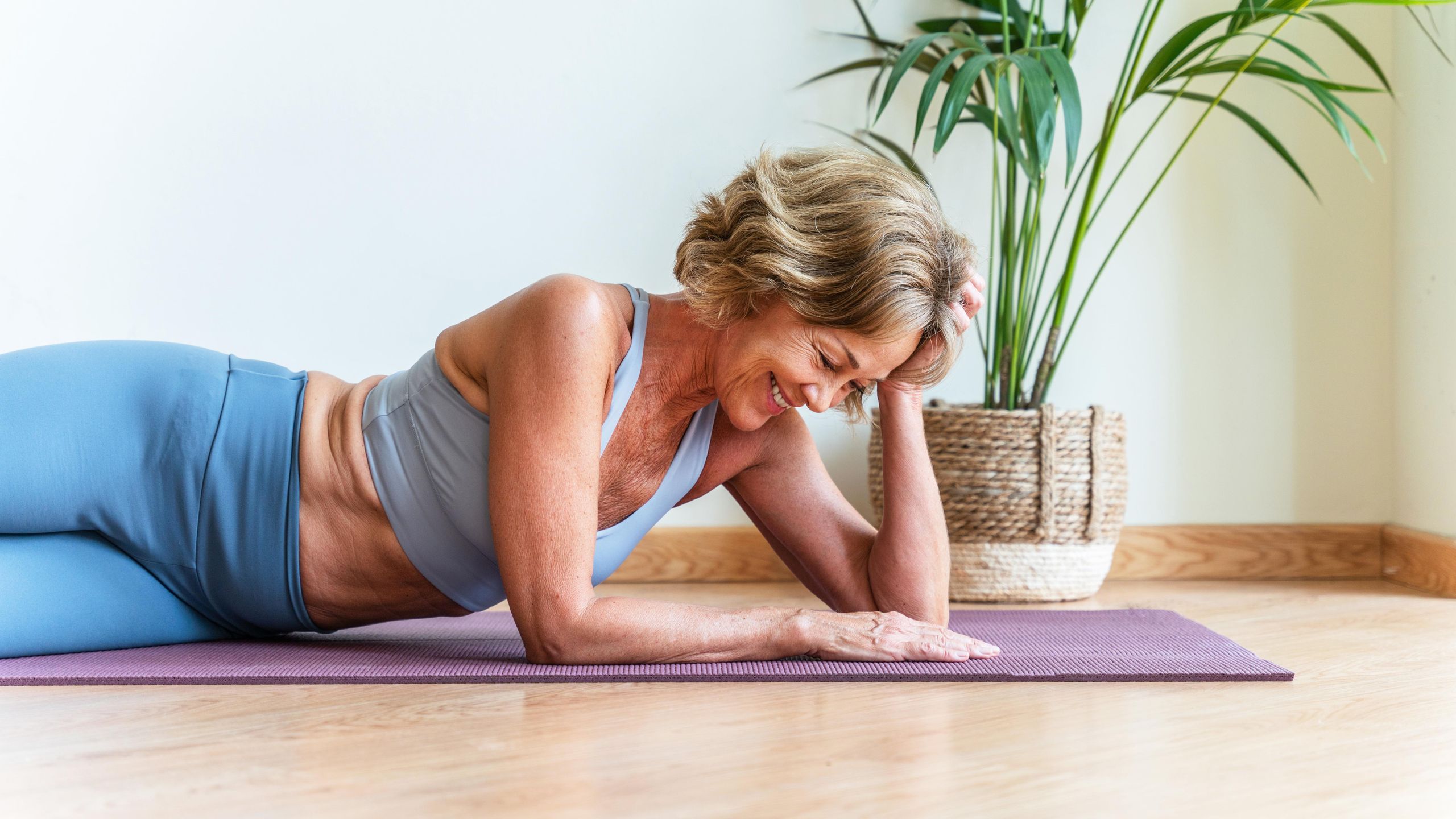
Experts say a safe, eight-minute bed routine can restore hip strength in adults 65+ by providing low-load resistance on a supportive surface, improving neuromuscular control and daily mobility while avoiding balance problems common with floor workouts. The sequence includes posterior pelvic tilts, a pelvic-floor hip adduction squeeze, modified bridges, side-lying clamshells, and hip windshield wipers, all done slowly and pain-free, daily for best results.
Sitting on the ground, especially in cross-legged positions, can improve mobility, flexibility, and core strength, which are beneficial as we age. However, it may not be suitable for everyone, particularly those with joint issues or recovering from injuries. Incorporating varied sitting and movement practices can help maintain overall health and prevent falls in older adults.
A simple, no-equipment 5-move workout designed for people over 60 to improve strength, mobility, and overall health, emphasizing the importance of consistent strength training for aging well.