politics8.425 min read
Oval Office press conferences retreat as foreign visits go behind closed doors
13 minutes ago•Source: Politico

The latest politics stories, summarized by AI
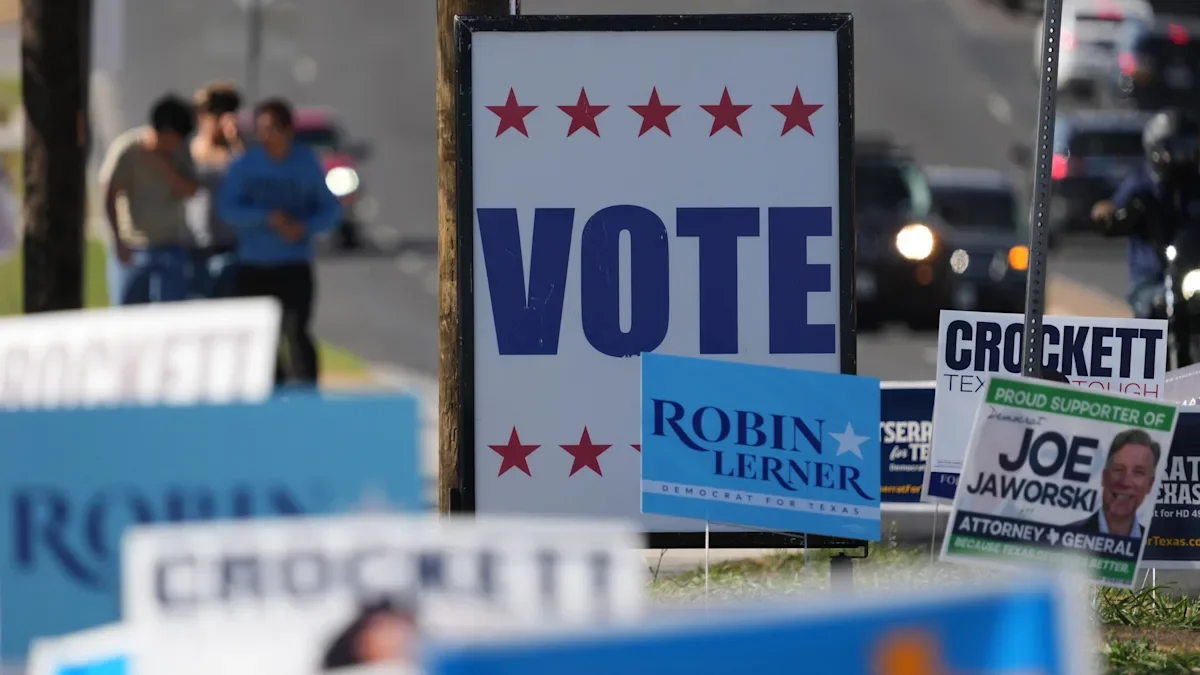
Voters in Texas, North Carolina and Arkansas vote in the first primaries of the 2026 midterm cycle, a preview of who will contest key seats this fall. In Texas, the Senate race between incumbent John Cornyn and Ken Paxton (with Wesley Hunt in the mix) dominates attention, while Democrats James Talarico and Jasmine Crockett vie for the party’s blue seat; down-ballot, Rep. Tony Gonzales faces resignation-pressure chatter and Rep. Dan Crenshaw fends off conservative challengers, with a pair of incumbent Democrats (Al Green and Christian Menefee) in a newly drawn district. In North Carolina, the open Senate contest and a pair of House primaries offer signals as Roy Cooper and Michael Whatley lead their respective party tickets amid redistricting. Arkansas should be quieter, with Sen. Tom Cotton seen as likely to win easily and Gov. Sarah Huckabee Sanders unopposed, though Democratic primaries may offer early indicators for November. No seats flip on Tuesday, but results will set up crucial fall contests and gauge party footing across the map.
CounterPunch.org•2 hours ago
The Texas Senate primary has become the most expensive in U.S. history, with AdImpact reporting more than $125 million spent on campaign ads. Republican John Cornyn has heavily outspent Ken Paxton, while Democrat James Talarico has outraised Jasmine Crockett; both sides rely on deep-pocket donors and dark-money groups. The race appears headed for a May runoff after the entry of Wesley Hunt, and Trump’s endorsement status remains a pivotal factor in the outcome.
The White House circulated a memo to Hill Republicans stating that “America will win” and that the Iranian regime will be defeated as part of four military objectives in the Iran strike, including annihilating Iran’s navy and preventing a nuclear weapon. The memo says the regime’s elimination would be a byproduct of the operation, which is described as not necessarily a war but could have that outcome. Officials say the mission should last about 4-5 weeks and refrain from promising ground troops, prompting GOP discussions about congressional authorization and looming war-powers votes, while Capitol Hill also faces security updates and related political actions.
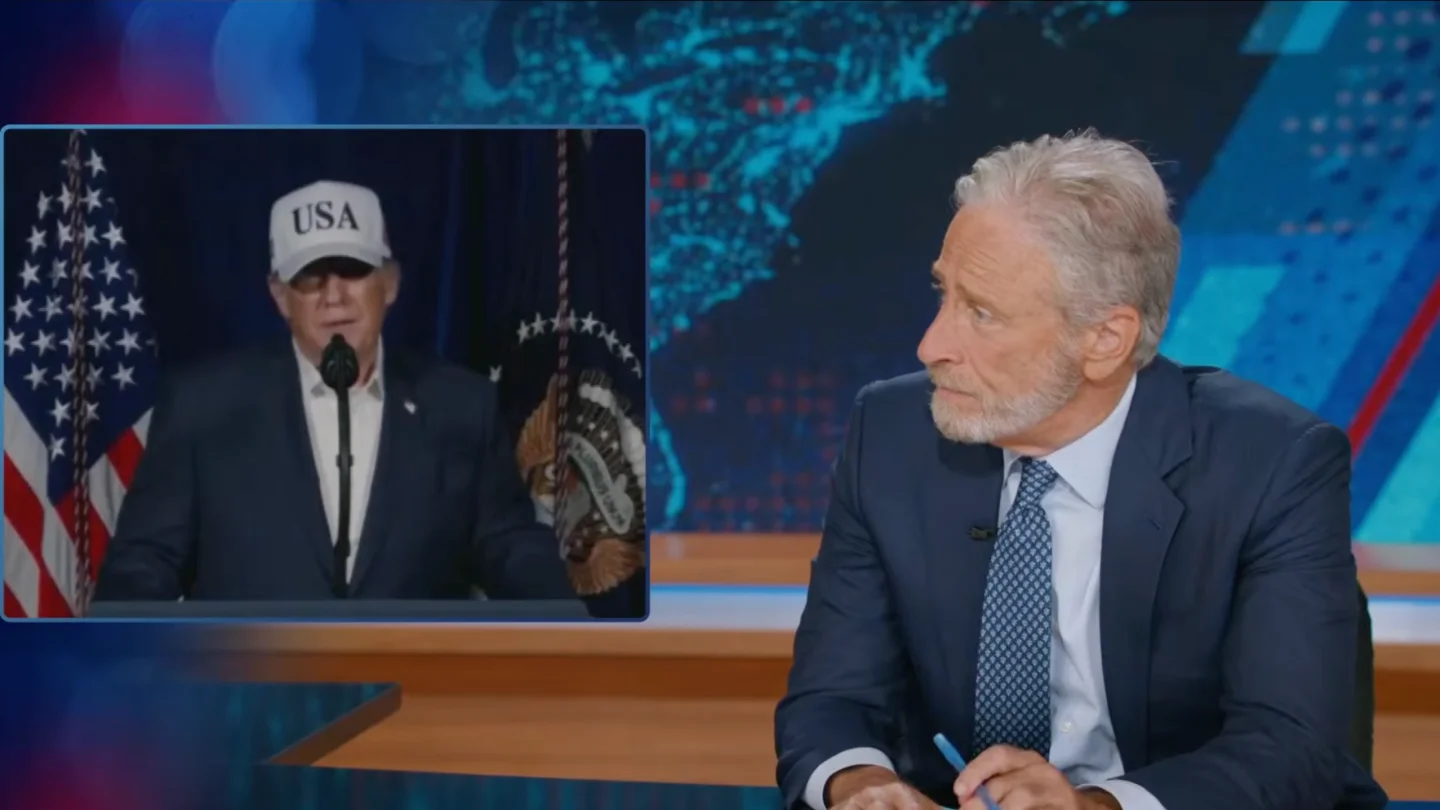
Jon Stewart skewers Trump's Iran strike on The Daily Show, blasting the messaging, the lack of congressional authorization, and the shift from 'peace through strength' to war, while lampooning 'Operation Epic Fury' and the ongoing war-powers debate.
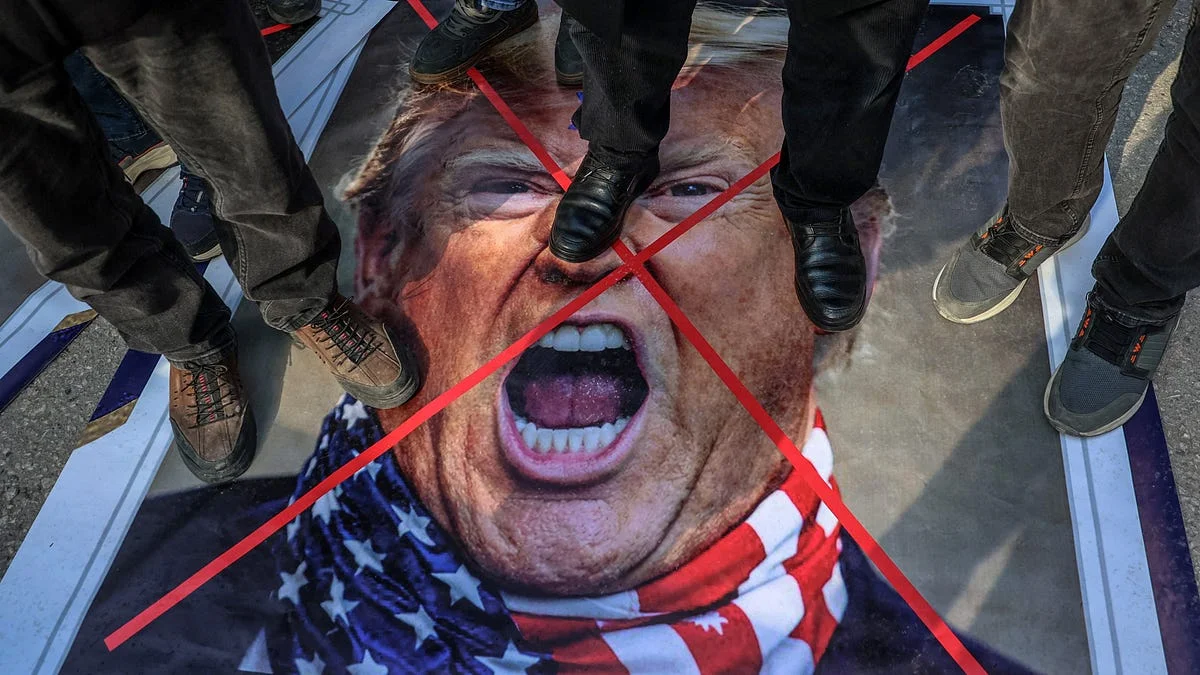
The Bulwark reports that support for Trump’s Iran strikes within MAGA circles is fraying: after initial praise, prominent right-wing voices—from Megyn Kelly and Marjorie Taylor Greene to Tucker Carlson—express doubts or blame Israel’s influence, with Rubio explicitly tying the action to an Israeli-triggered scenario. A New York Times poll shows only 21% public backing for the campaign, and many allies criticize the White House for lacking a clear objective or message. While a minority still backs the war, the overall MAGA mood on Iran has cooled as casualties mount (at least six U.S. service members have died).
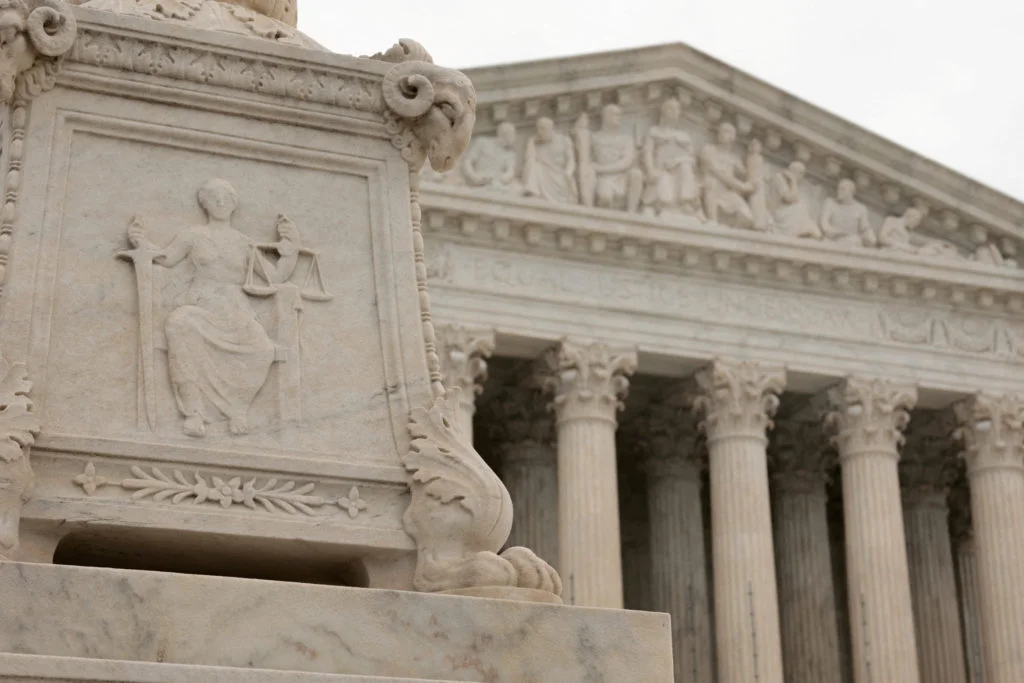
The Supreme Court, in a conservative-majority ruling, blocked a New York state court’s order to redraw the district held by Rep. Nicole Malliotakis (Staten Island and part of Brooklyn), preserving the GOP seat for the 2026 elections. Justice Alito said the lower court’s ruling amounted to racial discrimination, while Justice Sotomayor dissented from the stay. This move underscores the ongoing national contest over redistricting as maps in California and Texas have already been allowed for use in elections, potentially impacting control of the House.
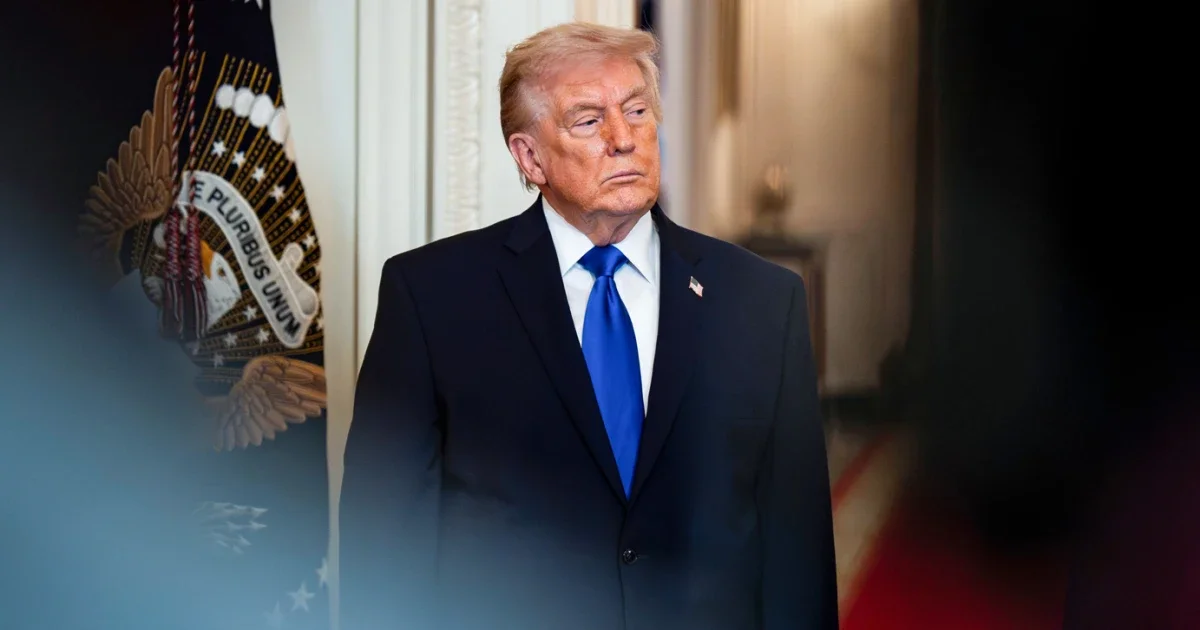
The Justice Department dropped lawsuits against Perkins Coie, WilmerHale, Susman Godfrey, and Jenner & Block after federal judges unanimously ruled Trump's executive orders targeting those firms unconstitutional, vindicating the firms' challenge and upholding the constitutional right to counsel and the rule of law. Some firms had previously agreed to pro bono deals or other concessions, a move that drew criticism from parts of the legal community and praise from opponents of the orders.
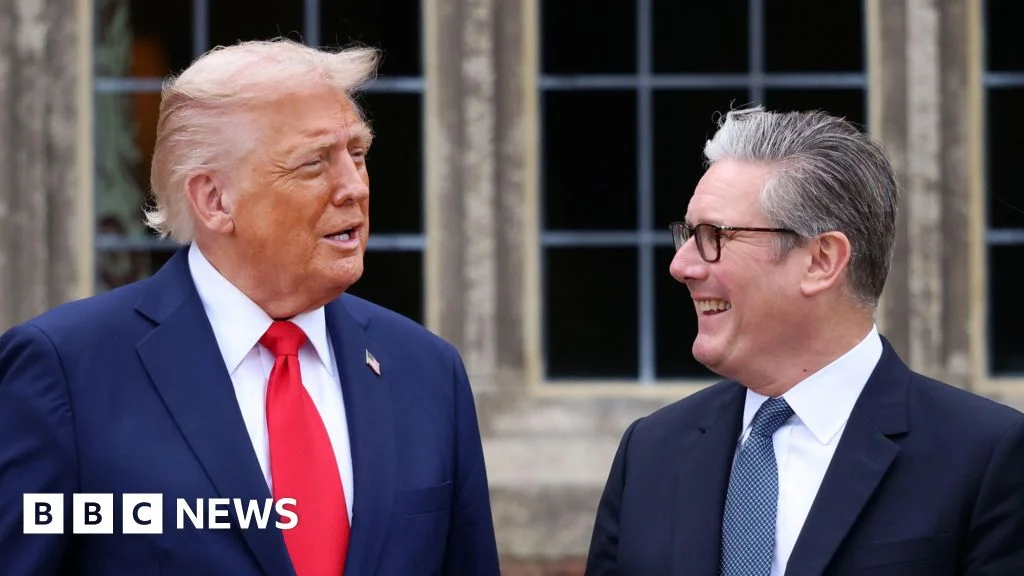
In the Commons, Labour leader Keir Starmer criticised the US/Israel strikes on Iran as not right and not clearly lawful, while Labour backed the government’s position allowing US forces to use UK airbases to strike Iranian missile sites to shield Gulf allies. The prime minister reiterated a stance against “regime change from the skies,” signaling a notable disagreement with Trump. The debate touched on international law and Iraq-era memory, with Reeves poised to deliver a low-key Spring Statement amid ongoing global shocks.
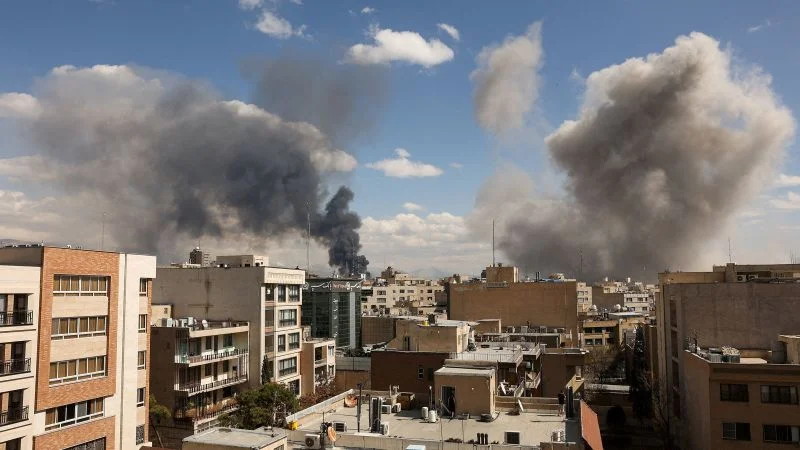
A CNN poll finds 59% of Americans disapprove of the Iran strikes and 56% see a long‑term conflict as likely, with doubts about Trump’s handling and a majority wanting congressional approval before further military action.
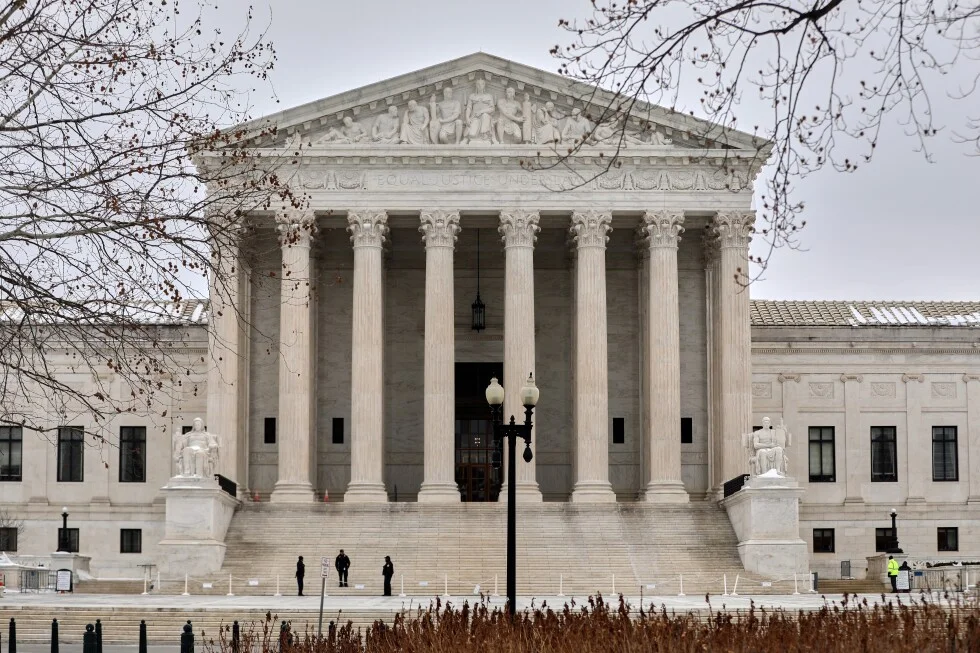
The Supreme Court blocked/paused a California school policy related to transgender students, delaying its enforcement as litigation over transgender rights in education proceeds.
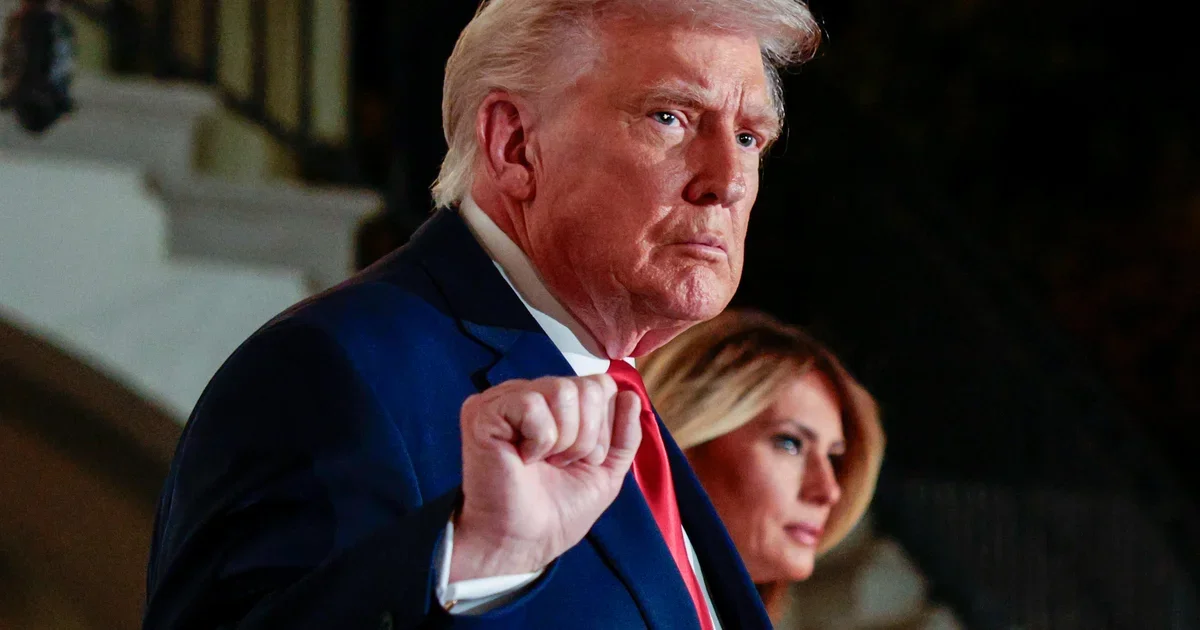
The Justice Department said it will drop defending Trump-era executive orders that targeted several law firms, voluntarily dismissing appeals after federal judges ruled the measures unconstitutional and unenforceable; none of the orders took effect, but the DOJ had struck pro bono deals with other firms, and the move comes amid hundreds of related lawsuits—including challenges by the American Bar Association—against various aspects of Trump’s agenda.