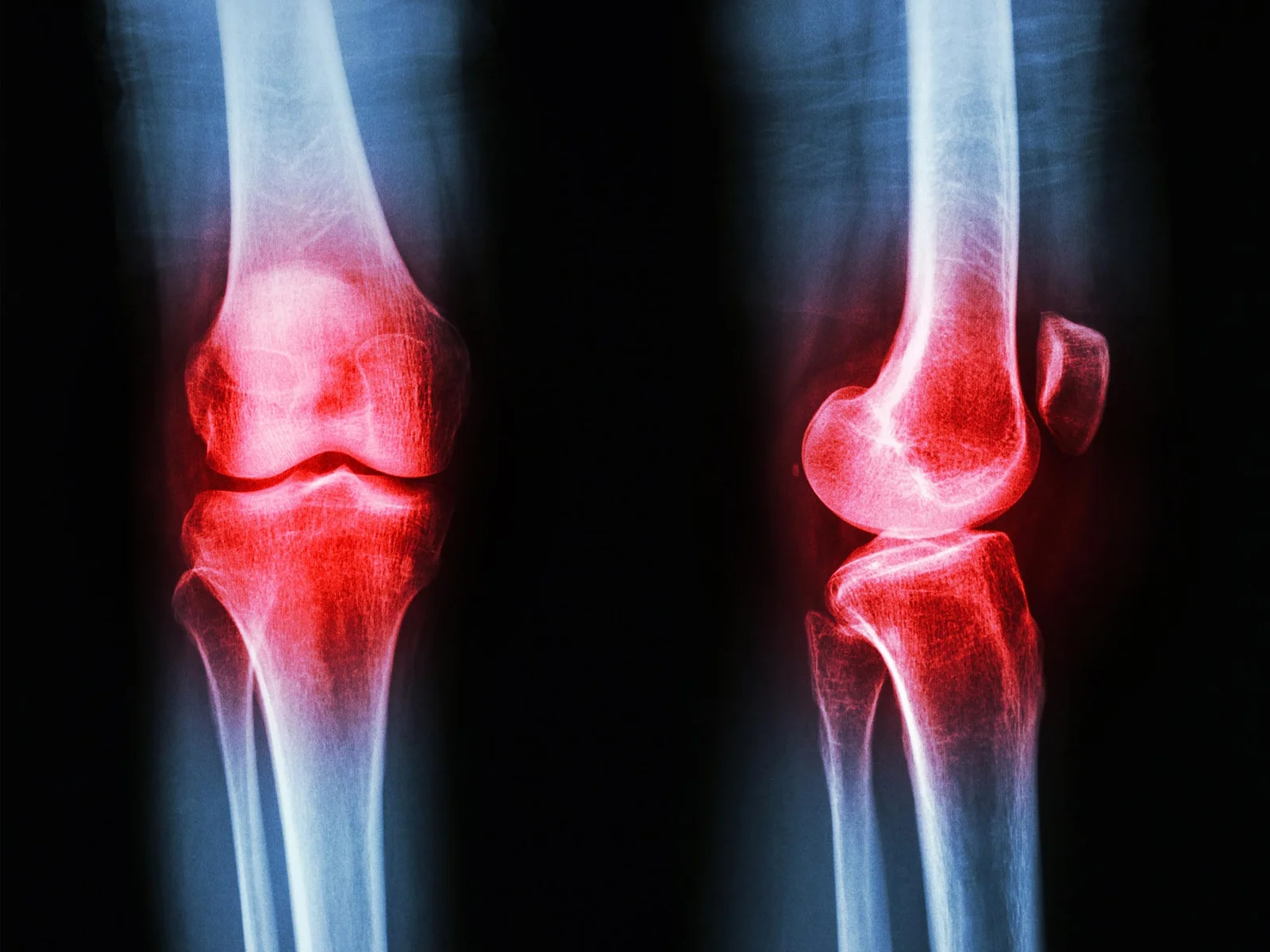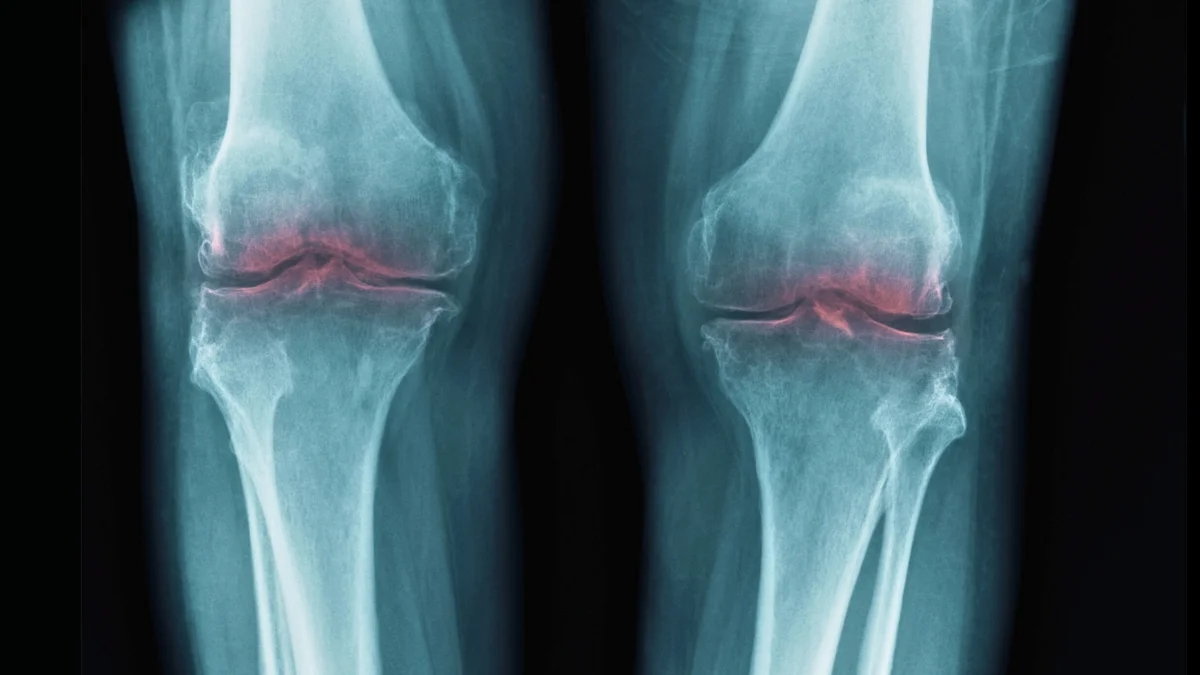
Researchers at Stanford have discovered that inhibiting the protein 15-PGDH can promote cartilage regeneration and prevent osteoarthritis in mice, offering hope for non-surgical treatments for aging and injury-related joint damage, with promising initial results on human tissue samples.,
The article discusses the rising popularity of mobility training, emphasizing its benefits for performance, injury prevention, and longevity. It explains the difference between mobility and flexibility, highlights various exercises and programs, and shares personal experiences and expert advice on improving joint movement and overall body agility.
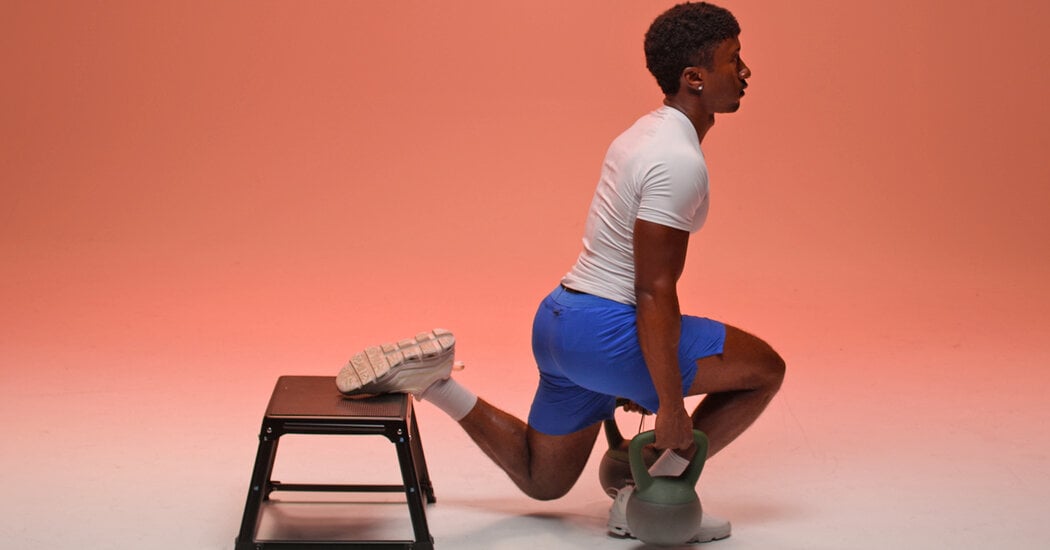
This article provides a joint-friendly workout plan for clients over 50, focusing on low-impact plyometric exercises like sit-to-stands with a hop, step-up hops, heel raises with mini hops, and side-to-side line hops to improve strength, balance, and agility while protecting joint health.
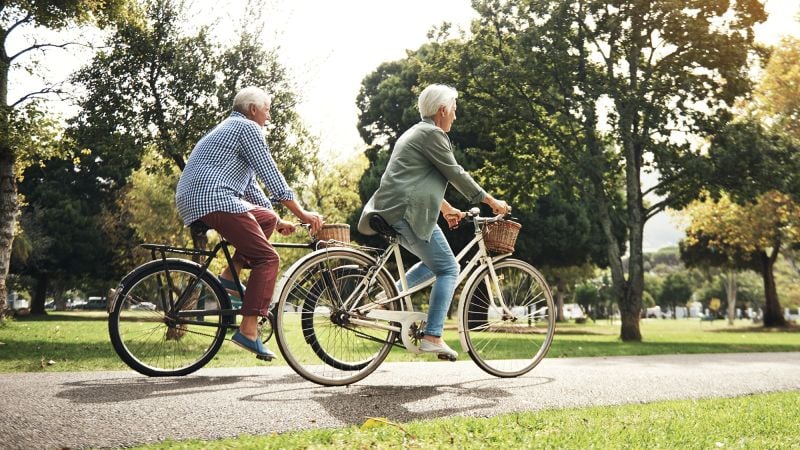
Aerobic exercise, such as walking, cycling, and swimming, can significantly reduce knee pain, improve mobility, and enhance quality of life for those with osteoarthritis, with low to moderate-impact activities recommended for managing symptoms effectively.
A comprehensive review suggests that aerobic exercises like walking, cycling, and swimming are most effective for reducing pain and improving function in people with knee osteoarthritis, with other exercise types offering additional benefits. Regular aerobic activity is recommended as a primary treatment, but individuals should consult their doctors before starting new routines.
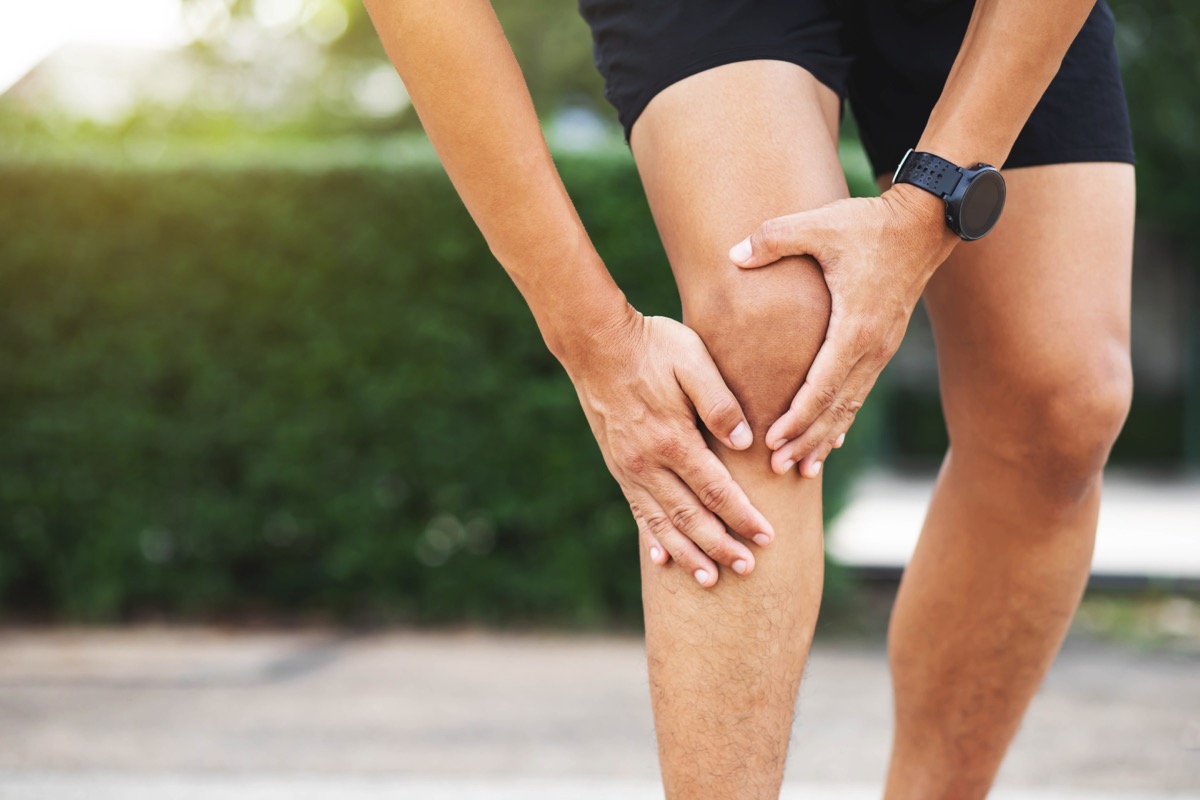
A weekly workout focusing on strengthening the muscles around the knees can help prevent or reduce knee pain, which is common due to overuse or osteoarthritis. Maintaining muscle strength, flexibility, healthy weight, and proper footwear are key strategies for knee health.
The article emphasizes the importance of a 10-15 minute morning exercise routine for women over 45 to maintain strength, mobility, and overall health, highlighting exercises like Cat-Cow, glute bridges, bird-dogs, bodyweight squats, arm circles, wall pushups, and planks to combat age-related muscle loss and joint stiffness.
A study suggests that changing the angle of your feet while walking can reduce knee osteoarthritis pain and slow cartilage degeneration, offering a potential non-pharmacological treatment option that could be as effective as medication, though it requires specialized training and technology for implementation.
A study suggests that adjusting the angle of your feet while walking can slow cartilage degeneration and reduce pain in people with knee osteoarthritis, potentially delaying the need for knee replacement surgery. This personalized approach to gait modification could be a simple, effective way to manage the condition and improve joint health.
Regular movement, proper stretching, cautious use of supplements, and lifestyle changes like weight management and avoiding prolonged sitting are key to maintaining healthy joints and preventing pain, especially with age.
The article highlights five common lifting mistakes that can harm joints after 40, including poor form, risky lifts, lifting too heavy too soon, ignoring pain, and not adjusting range of motion, emphasizing the importance of proper technique and caution to protect joint health as you age.
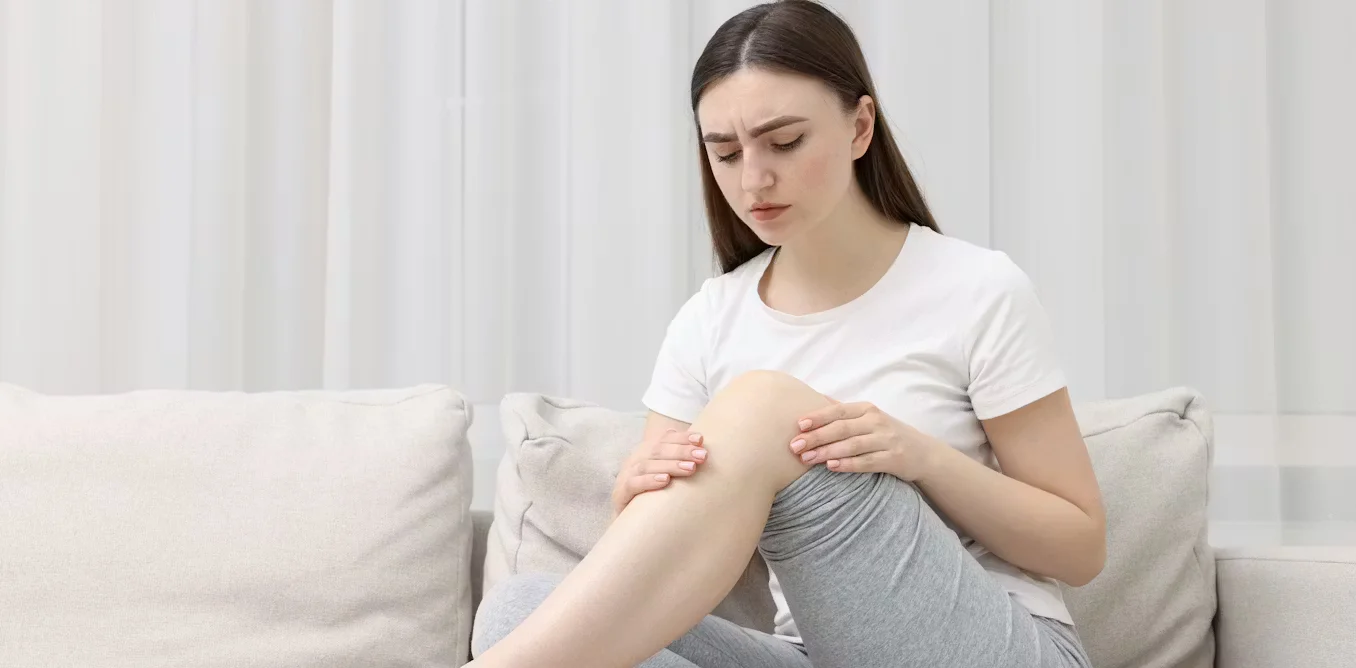
Knee damage is increasingly occurring in people in their 30s, often without pain, due to factors like obesity, genetics, and lifestyle. Early signs include stiffness, swelling, clicking sounds, and difficulty with movement. Preventive measures include maintaining a healthy weight, exercising gently, strengthening surrounding muscles, practicing good posture, and early screening, which can help delay or prevent long-term joint issues.
Collagen supplements, especially Type II, may support joint health by helping maintain or rebuild cartilage, but more research is needed to confirm their effectiveness. While generally safe, they should complement a balanced diet, exercise, and weight management, which are proven ways to protect joints. Consulting a healthcare provider before starting supplements is recommended.
Broccoli is considered the top vegetable for managing arthritis due to its high content of vitamins C and K, sulforaphane, and fiber, which help reduce inflammation, support joint and bone health, and improve gut health. Incorporating broccoli into your diet through various cooking methods can aid in alleviating arthritis symptoms alongside other lifestyle strategies.
Joint sounds like cracking and popping are usually harmless, but when accompanied by pain or stiffness, they may indicate early arthritis, which can be influenced by age, lifestyle, diet, and inflammation. Preventative measures include maintaining a healthy weight, eating anti-inflammatory foods, exercising regularly with low-impact activities, and strengthening muscles to support joints. Early intervention can help manage or delay joint deterioration.