A study in the Journal of Clinical Oncology found that consuming two ounces or more of tree nuts weekly can reduce the risk of colon cancer recurrence and death by nearly 50% in stage III patients, highlighting the potential benefits of including nuts like almonds and walnuts in a healthy diet for cancer patients.
Dietary cysteine enhances intestinal stem cell function by promoting CD8+ T cell-derived IL-22, which supports intestinal regeneration and homeostasis.
A study from the University of Michigan suggests that restricting amino acids like serine and glycine in diets can slow glioblastoma growth and improve treatment outcomes by targeting the tumor's unique sugar metabolism pathways, offering hope for new metabolic-based therapies.
Researchers developed a machine learning-based dietary plan called MODERN that significantly reduces the risk of dementia by promoting brain-healthy foods and limiting detrimental ones, showing promise for future public health applications and further validation.
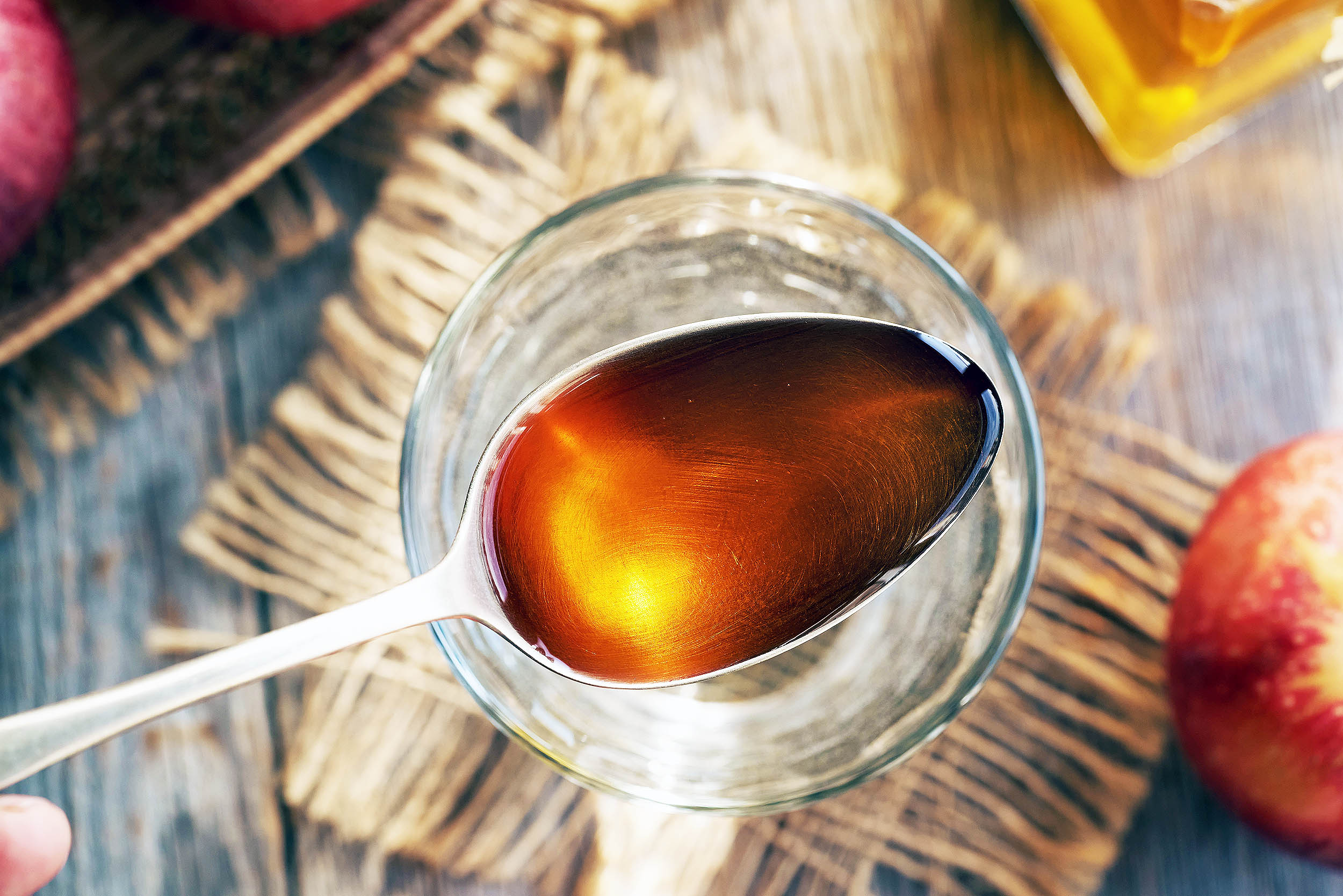
A small clinical trial suggests that daily intake of vinegar may significantly reduce depressive symptoms in healthy adults, potentially through metabolic pathways involving vitamin B3 and cellular energy production, highlighting a simple, low-cost dietary approach to support mental health alongside traditional treatments.
Research suggests that drinking a glass of beetroot juice daily can significantly lower blood pressure in hypertensive patients, potentially offering a natural alternative to medication, though further studies are needed for official recommendations.
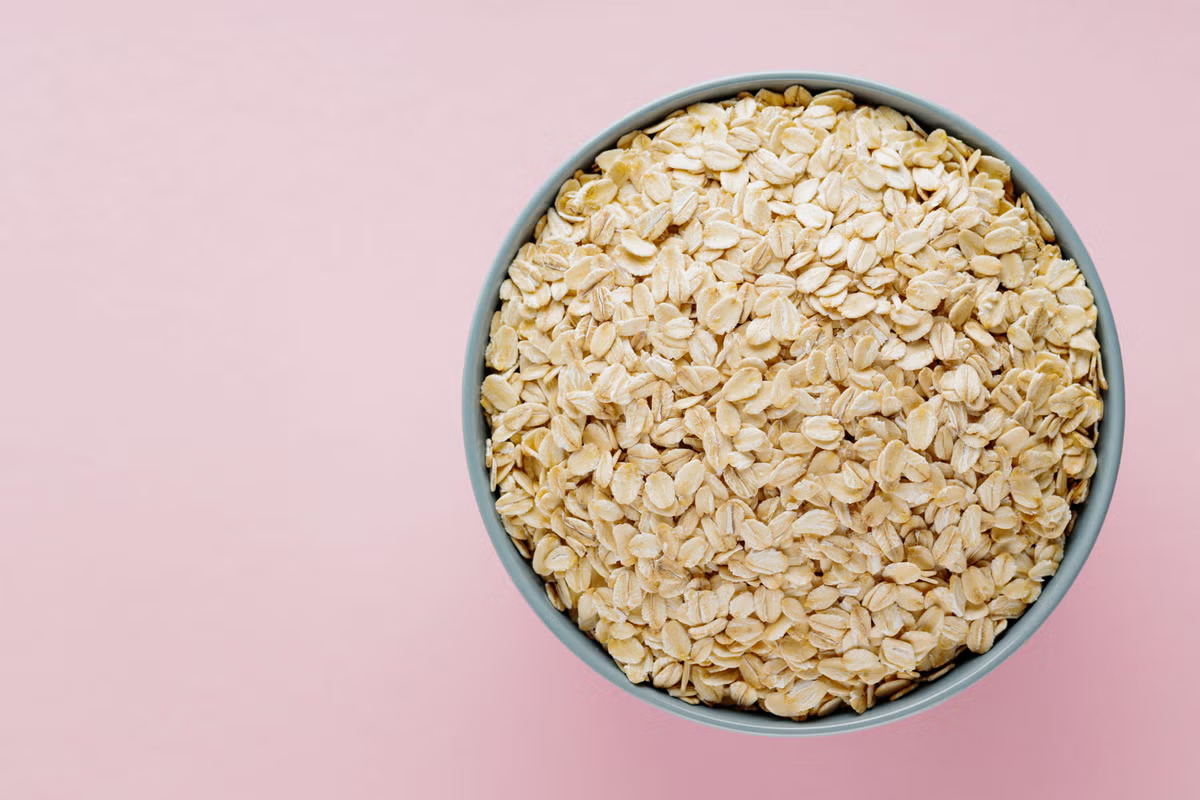
A study suggests that beta-glucan fibre in oats, barley, and rye can bind to and help remove PFAS 'forever chemicals' from the body, with a nearly 10% reduction observed after four weeks of pre-meal supplementation, though further research is needed.
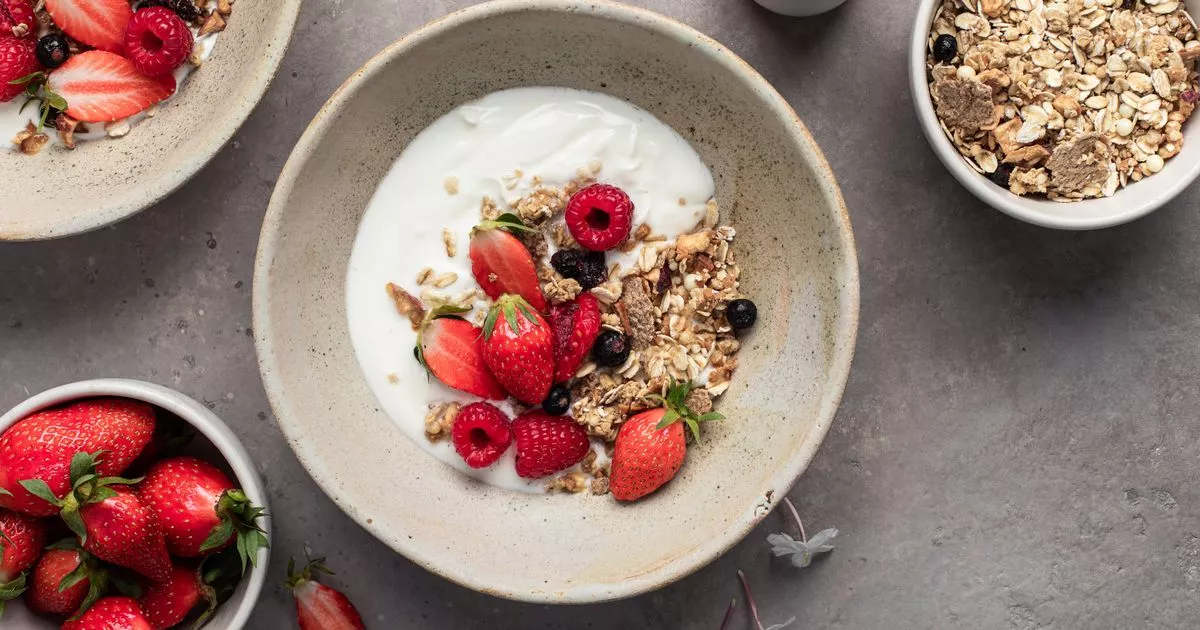
Researchers at the University of Massachusetts Amherst have found that consuming strawberries can significantly reduce inflammation and symptoms of inflammatory bowel disease (IBD), which affects over 300,000 people in Britain. The study, led by Professor Hang Xiao, suggests that incorporating whole strawberries into the diet could improve gut health by reversing harmful gut bacteria and reducing colonic inflammation. The findings highlight the potential of dietary interventions in managing IBD, which is typically treated with surgery and medication.
A study published in The American Journal of Medicine highlights the benefits of incorporating more fruits and vegetables into the diet for individuals with high blood pressure and chronic conditions. Over five years, participants with hypertension and early kidney damage showed improved kidney health and lower systolic blood pressure when consuming more fruits and vegetables, compared to those receiving standard care. The study suggests that dietary changes can be an effective foundational treatment for hypertension and chronic kidney disease, emphasizing the need for healthcare professionals to recommend and facilitate healthier diets.
A study published in BMJ Nutrition, Prevention & Health found that daily consumption of apple cider vinegar can help overweight individuals lose up to 18 pounds in three months, while also improving metabolic health markers such as BMI, blood glucose, and cholesterol levels. The research involved 120 young participants who consumed varying doses of apple cider vinegar before meals, with the highest dose yielding the most significant weight loss. Although promising, the study's small sample size and short duration suggest further research is needed to confirm these findings and explore long-term effects.
Introducing peanut products to children from infancy until age five significantly reduces the risk of developing peanut allergies by early adolescence, according to a study. Regular consumption of peanut pastes or snacks from four to six months onwards can cut the risk by 71% at age 13, potentially preventing thousands of cases annually. Early exposure to peanuts offers long-term protection and easier treatment for those who still develop the allergy.
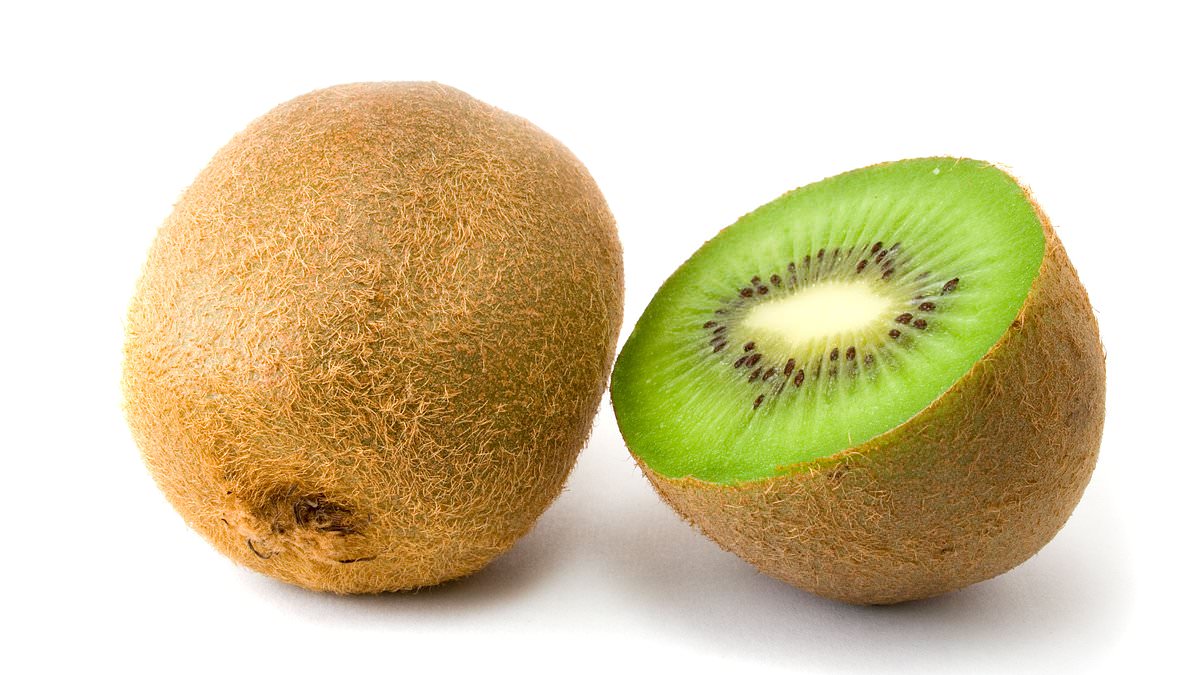
A study from the University of Otago, New Zealand, has found that consuming two kiwi fruits daily can significantly improve vitality and mood within just four days, providing a faster and longer-lasting boost than vitamin C supplements. The research, published in the British Journal of Nutrition, involved an eight-week dietary intervention with 155 adults and suggests that what we eat can have a relatively fast impact on how we feel.
A study conducted by researchers from the University of Auckland and the University of Otago suggests that consuming kiwifruit, and to a lesser extent vitamin C supplementation, can lead to mood-related improvements in as little as four days, particularly in individuals with low vitamin C levels. The study, which involved 155 adults with low vitamin C, found that kiwifruit supplementation improved vitality and mood within four days, peaking around 14-16 days, while vitamin C marginally improved mood until day 12. The findings highlight the potential benefits of vitamin C-rich foods and supplements on mental health and emphasize the importance of incorporating nutrient-rich foods into one's diet for overall well-being.
A new study published in the journal Microbiology Spectrum suggests that flaxseeds, which are high in fiber and omega-3 fatty acids, may lower the risk of breast cancer by altering the microorganisms in the gut. The study found that flaxseed lignans change the relationship between gut microorganisms and mammary gland microRNAs, which regulate genes involved in breast cancer cell growth and migration. If confirmed, this discovery could lead to dietary interventions targeting the microbiota to prevent breast cancer. Flaxseeds are also known to improve digestive health, lower cholesterol levels, and can be easily incorporated into various meals.
A new study has identified five key plant-based foods that can lower the risk of chronic diseases and increase lifespan. The study used the Planetary Health Diet Index (PHDI) to assess the impact of foods on human and environmental health. The results showed that individuals consuming a more environmentally sustainable diet were 25% less likely to die within a 30-year follow-up period. The five foods associated with low risk of chronic diseases and low environmental impact are whole grains, fruit, non-starchy vegetables, nuts, and unsaturated oils. The findings can inform dietary interventions, policy decisions, and individual meal planning to promote better health outcomes and reduce environmental impact.