Researchers have developed a noninvasive nasal drop treatment using nanotechnology to target glioblastoma, an aggressive brain cancer, showing promising results in mice and potentially offering a safer, more effective therapy in the future.
Adam Hayden, a passionate advocate and writer who lived with terminal brain cancer for nine years, passed away at 43. His openness about his illness and dedication to raising awareness helped many, and his final days were marked by family, humor, and reflection on kindness. His story highlights the personal and systemic challenges faced by those with terminal illnesses.
A small study suggests that a supplement mix of resveratrol and copper may reduce the aggressiveness of glioblastoma brain tumors by altering cancer biomarkers, supporting a shift from traditional tumor-killing approaches to tumor healing and modulation of cancer biology. The treatment was well-tolerated with no side effects, but further research is needed to validate these findings.
Michael Bolton, diagnosed with glioblastoma in December 2023, is in very good health according to his daughters, who are his primary caregivers. Despite the challenges of his aggressive brain cancer and surgeries, Bolton remains strong and grateful, cherishing family moments and support from fans.
A woman diagnosed with terminal brain cancer experienced a miraculous disappearance of her tumor after treatment, leading doctors to consider her a medical anomaly, as her scans now show no signs of cancer.
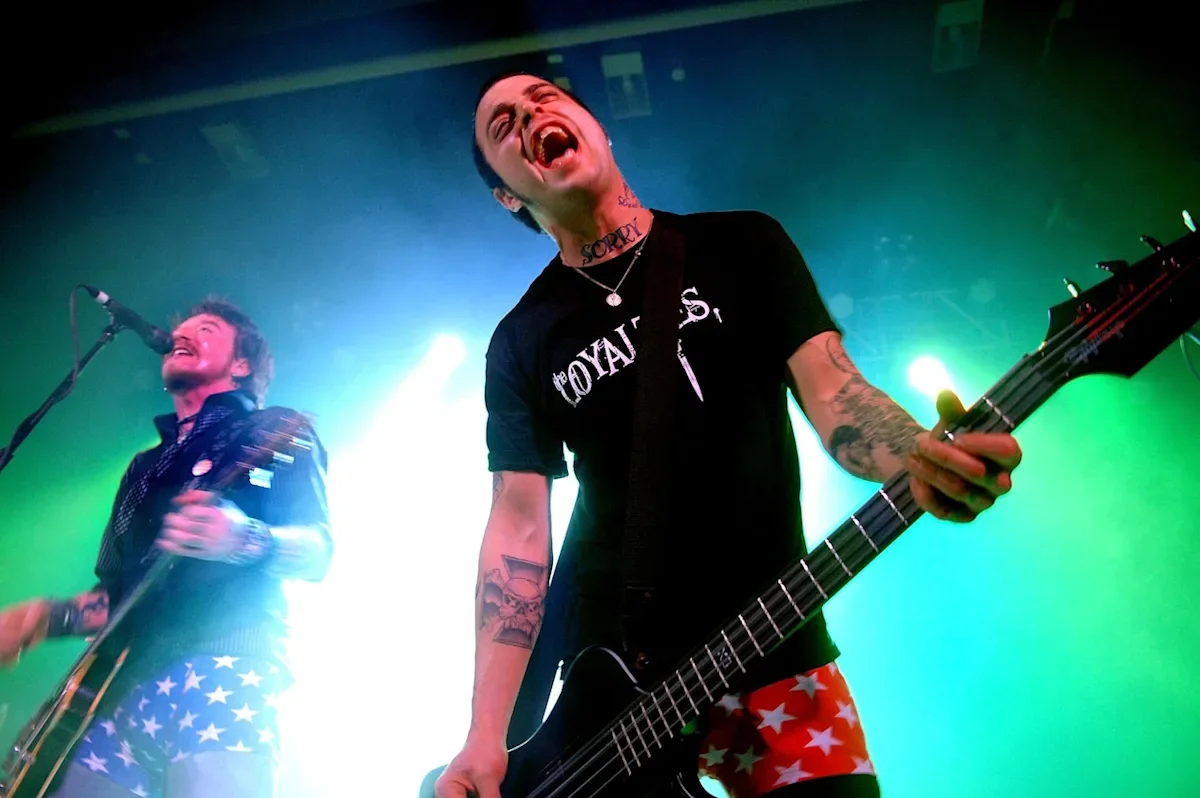
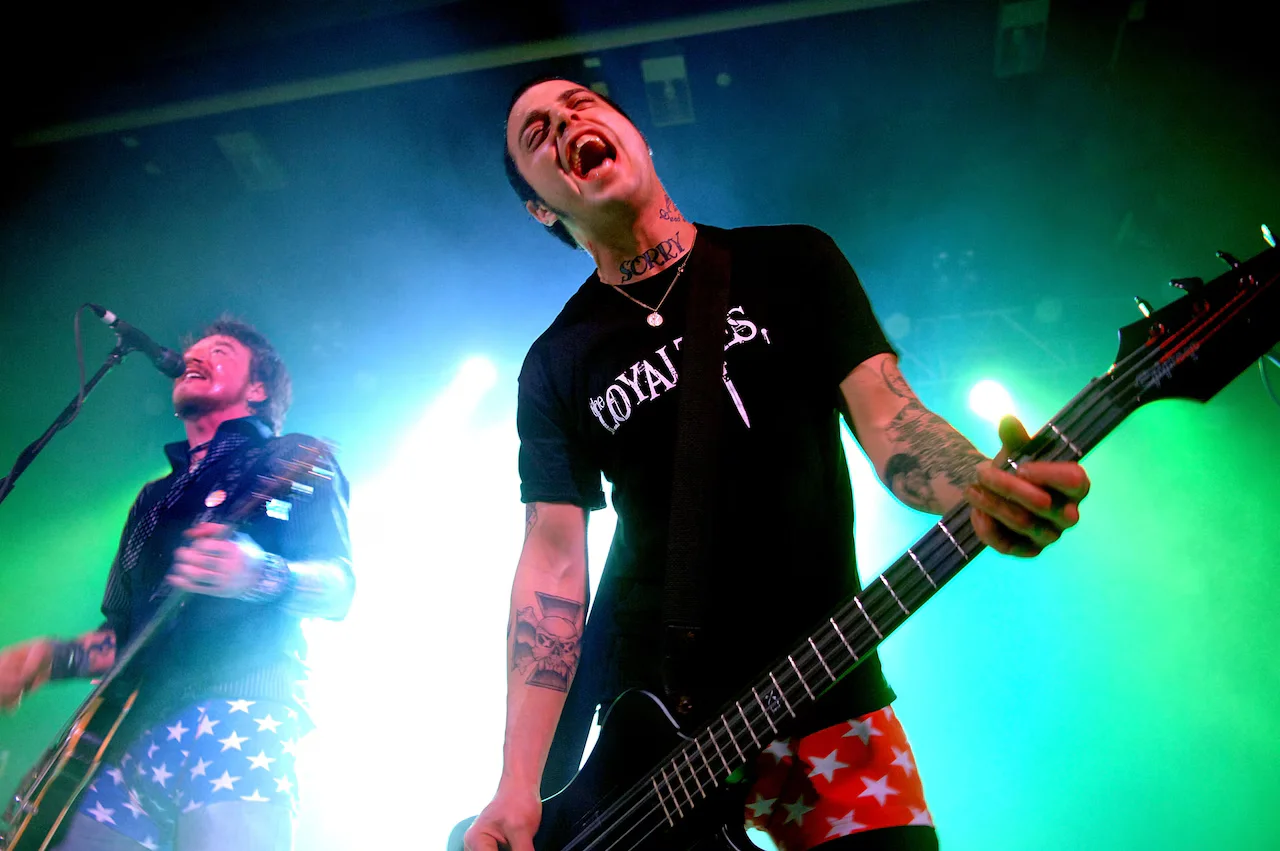
Scott Sorry, a former member of several 90s rock bands including Amen and The Wildhearts, died of brain cancer on his 47th birthday, after battling glioblastoma since 2018 and making a notable return to touring in 2022.
Scott Sorry, a renowned musician known for his work with bands like The Wildhearts, Amen, and Sorry and the Sinatras, died of brain cancer on his 47th birthday, after battling glioblastoma since 2018, leaving behind his family and a legacy in rock music.
The article outlines seven subtle warning signs of brain cancer, such as difficulty finding words, brain fog, numbness, visual disturbances, messy handwriting, personality changes, and persistent headaches, emphasizing the importance of early detection and consulting a doctor if these symptoms are persistent or unusual, as they often resemble less serious conditions.
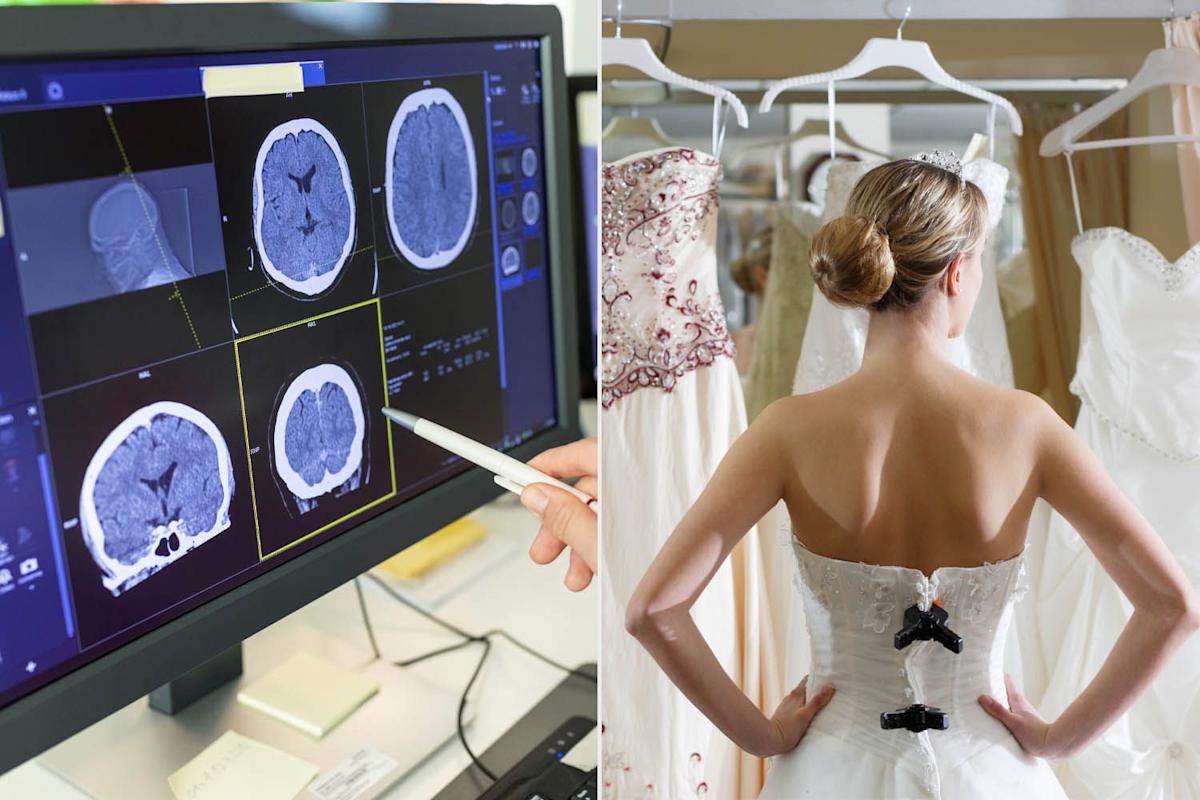
Shinae Ann, a 28-year-old Australian influencer, was diagnosed with an incurable grade 2 astrocytoma brain tumor, which has impacted her wedding plans and fertility treatments. Despite the prognosis, she remains optimistic, undergoing treatment and advocating for regular medical checkups. She emphasizes the importance of listening to one's body and taking health seriously.
A study suggests that reducing dietary serine may make glioblastoma brain cancer more vulnerable to treatments by disrupting its metabolic processes, extending survival in mice when combined with chemoradiation, and paving the way for potential clinical trials in humans.
Sheinelle Jones publicly opened up about her profound grief following her husband Uche Ojeh's death from brain cancer, sharing her emotional journey of mourning, finding moments of joy, and supporting her children through their loss, as she resumes her role on the Today show.
A study from the University of Michigan suggests that restricting amino acids like serine and glycine in diets can slow glioblastoma growth and improve treatment outcomes by targeting the tumor's unique sugar metabolism pathways, offering hope for new metabolic-based therapies.
Research suggests that depriving glioblastoma, an aggressive brain cancer, of the amino acid serine could slow tumor growth and potentially improve the effectiveness of chemotherapy by exploiting a metabolic vulnerability specific to the cancer.
Rebecca Feinglos, a Durham native and daughter of a brain cancer patient, donated $250,000 to Duke's Preston Robert Tisch Brain Tumor Center to establish a grief support program for patients, families, and caregivers, aiming to address the emotional challenges associated with brain cancer and serve as a model for other healthcare systems.
A man with glioblastoma experienced a complete disappearance of his tumor after receiving an experimental immunotherapy drug, ipilimumab, in a trial, offering new hope for this aggressive cancer.