Scientists at Binghamton University have developed a safe, self-destructing battery using probiotic bacteria and water-soluble paper, which can operate for 4 to 100 minutes before safely disintegrating, offering a promising solution for environmentally friendly and disposable electronics.
The article explores the provocative idea that Earth could develop a planetary brain powered by AI, creating a global consciousness that could help manage environmental crises and guide humanity toward sustainability, raising ethical questions about human control and the role of technology in our future.
Billie Eilish criticizes artists, without naming names, for repeatedly re-releasing their music on various formats, particularly vinyl, calling it a cash grab and environmentally wasteful. Many interpret her comments as aimed at Taylor Swift, known for releasing multiple versions of her albums, with some seeing it as a potential new feud in the making. Billie herself has released hard copy versions of her work but has made efforts to ensure they are eco-friendly.
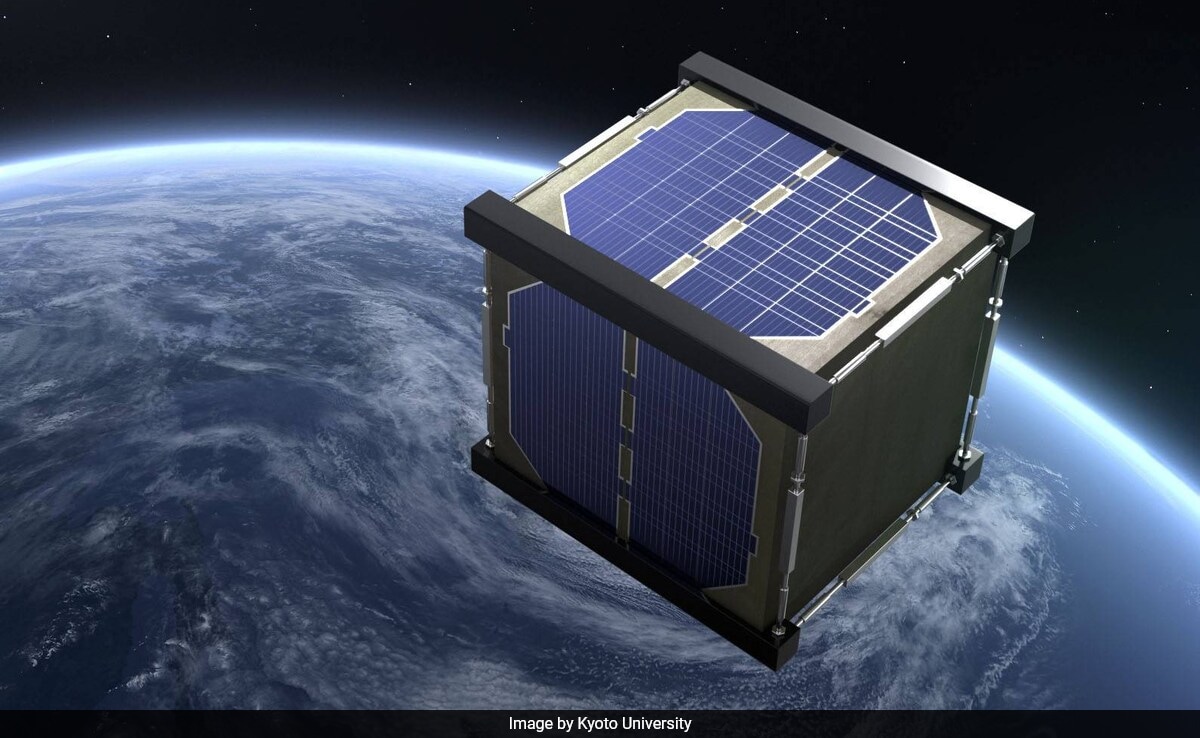
Japanese scientists are set to launch the world's first wooden satellite, the LignoSat probe, made of magnolia wood, to test the viability of using biodegradable materials in spacecraft construction. The satellite, developed by researchers from Kyoto University and Sumitomo Forestry, aims to address the environmental impact of traditional metal satellites by emitting biodegradable ash when it re-enters the atmosphere. The wood's resilience to space conditions has been tested, and the satellite is expected to stay in orbit for at least six months before re-entering the atmosphere.
Greenpeace CTO Priscilla Chomba-Kinywa emphasizes the urgent need for the tech industry to prioritize environmental care, citing the climate crisis and the detrimental impact of current platforms. She urges investment in green, ethical, and value-based alternatives, applauds companies taking action, and stresses the importance of data-driven pressure to drive change. Additionally, she advocates for collaboration with affected communities and emphasizes the need to consider the environmental cost of AI in discussions about its potential benefits.
The flexitarian diet, which focuses on plant-based foods with occasional meat consumption, offers health benefits including improved heart health, weight management, reduced risk of chronic diseases, better digestive health, and environmental sustainability through reduced animal product consumption.
A new study led by the University of Maine suggests that human evolutionary traits, particularly cultural adaptation, could hinder efforts to address global environmental challenges like climate change. The research highlights the need for innovative global governance strategies and further exploration of how human evolution may impede environmental sustainability. The study emphasizes the necessity of understanding the drivers of cultural evolution and finding ways to reduce global environmental competition, as well as the potential for modifying adaptive change among corporations and nations as a powerful approach to addressing global environmental risks.
The International Thermonuclear Experimental Reactor (ITER) in southern France is working on harnessing fusion reactions to provide a cleaner alternative to fossil fuels and nuclear fission. Fusion, the same energy source that powers the sun, could potentially offer unlimited energy without producing radioactive waste. The project, which has faced setbacks and increased costs, aims to achieve fusion power by 2035. Meanwhile, American company Westinghouse is developing a small fission reactor set to go online in 2029, offering a portable and sustainable energy solution.
The iconic Patagonia Retro Pile and Retro-X fleece jackets have a fascinating origin story, starting with founder Yvon Chouinard's quest for a lightweight, warm, and water-shedding material in the 1970s. The jackets evolved from a prototype made with fuzzy polyester fabric intended for toilet seat covers to the durable fleece we know today, with the first Retro Pile launching in 1988. Despite minimal design changes, Patagonia has prioritized environmental sustainability, using 100% recycled polyester and implementing initiatives to reduce microplastic shedding. The enduring popularity of these jackets reflects their timeless functionality and fashion appeal, making them a staple for the brand.
The owner of De Beers, the world's leading diamond company, saw a 20% drop in shares after announcing production cuts at its mines, as lab-grown diamonds gain popularity among environmentally conscious consumers. Lab-created gems, regarded as more ethical and sustainable, have seen a significant increase in sales, with 10% of diamonds sold in 2022 being lab-grown compared to 2% in 2018. The lab-grown variety offers a larger diamond for the same budget and avoids the environmental and ethical concerns associated with mining. However, concerns remain about the energy expenditure involved in creating lab-grown diamonds and the need for industry regulation.
The race to develop generative artificial intelligence (AI) models, such as OpenAI's ChatGPT, is leading to an increase in water consumption by tech giants like Microsoft and Google. Researchers have found that ChatGPT alone consumes 500 milliliters of water for every 10 to 50 prompts. The growing water footprint of AI models poses a significant environmental challenge and could hinder the socially responsible and sustainable use of AI in the future. Microsoft and Google, among others, are working to reduce their water footprint and become "water positive," but the launch of their own AI models could lead to even higher levels of water use. Efforts are being made to measure and reduce the energy, water, and carbon impact of AI, but the increasing demand for AI computing is raising concerns about its hidden costs in terms of energy, carbon emissions, and water consumption.
K-pop group BLACKPINK was honored as esteemed guests at the South Korea-UK State Banquet held at Buckingham Palace, attended by British and Korean dignitaries, including Prime Minister Rishi Sunak and members of the royal family. As ambassadors of COP26, they were recognized for their efforts in promoting environmental sustainability and raising awareness about climate change. Videos of their participation at the banquet and meeting with King Charles III were shared online.
Researchers are exploring the use of biomining, a process that utilizes microorganisms to extract rare-earth metals (REEs) from various sources such as rocks, electronic waste, and mining tailings. These metals, which are used in a wide range of applications, are difficult to purify using conventional methods and are often separated using hazardous chemicals. Biomining offers a more environmentally friendly and cost-effective alternative. Microbes can secrete acids to solubilize metals and produce proteins that specifically interact with REEs, allowing for their isolation. However, scaling up the process and achieving industrial viability pose significant challenges. Researchers are working on optimizing microorganisms and developing tools such as lanmodulin, a lanthanide-binding molecule, to improve the efficiency of REE extraction and purification.
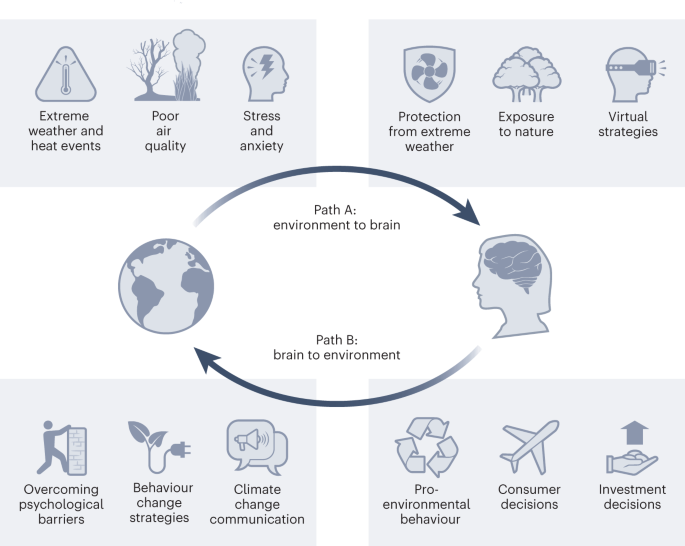
Leveraging neuroscience methodologies can provide valuable insights into understanding human behavior and responses to climate change. Studies have shown that factors such as socioeconomic status, affect and emotions, partisan identities, and climate anxiety play a role in shaping individual and collective actions towards climate change mitigation and adaptation. By integrating neuroscience with traditional psychological methods, researchers can predict long-term behavior and bridge the gap between laboratory research and real-world applications. Additionally, the impact of nature exposure on the brain has been explored, highlighting the potential of green spaces to improve mental well-being and promote pro-environmental behaviors. Virtual reality and immersive technologies are also being utilized to study the effects of climate change and enhance climate change communication.
Mushrooms and their underground network of mycelium have the potential to play a crucial role in saving the planet. They can help combat climate change by sequestering carbon dioxide, breaking down pollutants, and restoring damaged ecosystems. Additionally, mushrooms offer sustainable alternatives to materials like plastic and leather, and can even be used to create renewable energy. Harnessing the power of mushrooms could contribute to environmental sustainability and biodiversity conservation.