Tag

Cd8 T Cells

All articles tagged with #cd8 t cells

Brain Parasite Toxoplasma gondii Is Stopped by Immune Cells' Self-Destruct Switch
health-and-medicine11 days ago

Brain Parasite Toxoplasma gondii Is Stopped by Immune Cells' Self-Destruct Switch

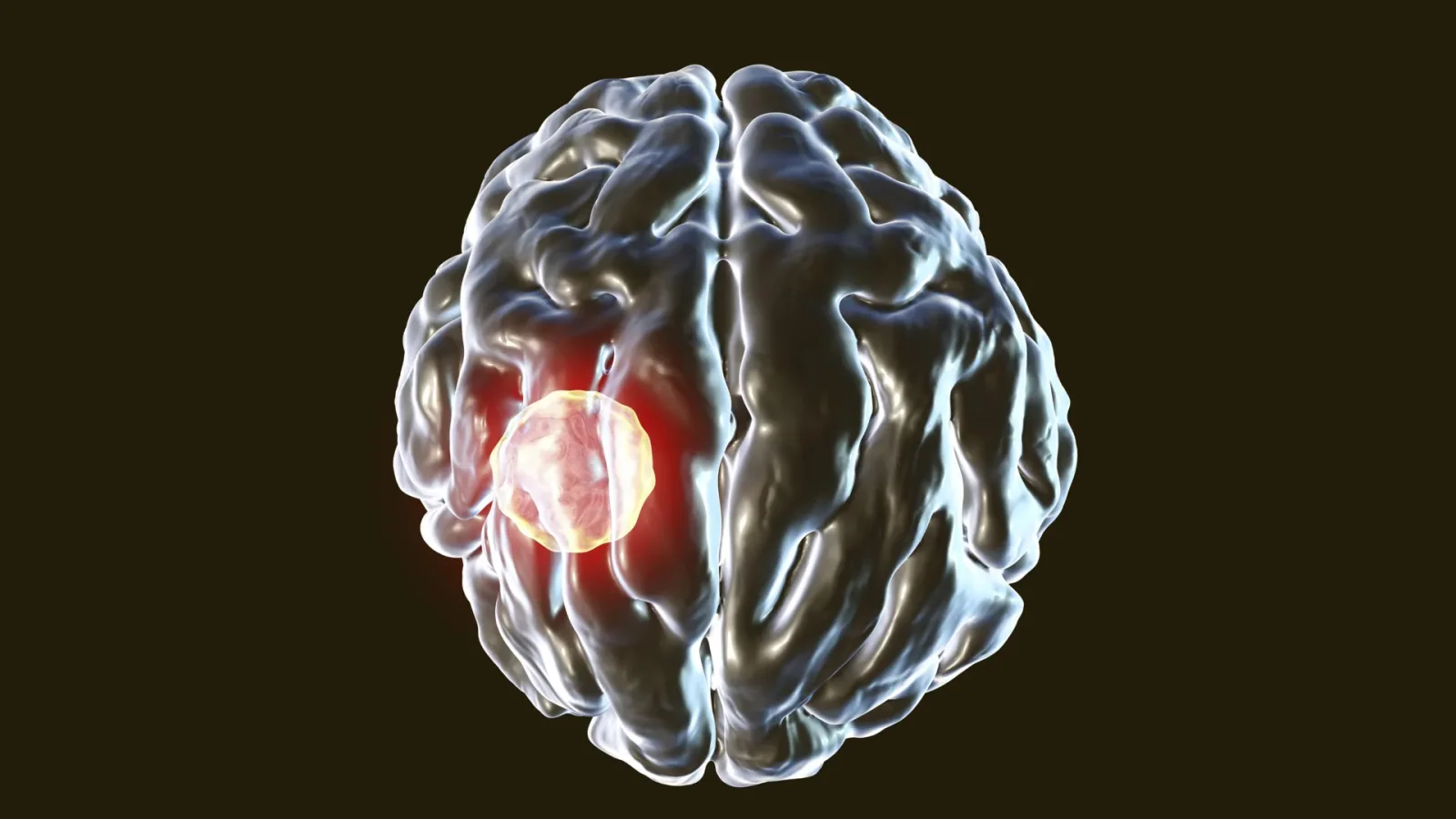
Researchers at UVA Health found that the brain parasite Toxoplasma gondii can infect CD8+ T cells, but these immune cells use the enzyme caspase-8 to trigger a self-destruct mechanism that kills the infected cell and the parasite inside. In mice lacking caspase-8 in their T cells, brain parasite levels were higher and outcomes worse, indicating caspase-8 is crucial for limiting brain infection. With about a third of people believed to carry T. gondii, most cases are asymptomatic, though toxoplasmosis remains a risk for the immunocompromised. The study, published in Science Advances, enhances understanding of how the immune system controls the parasite and why T cells’ self-destruction can prevent brain persistence.
Atlas-guided transcription-factor map unlocks CD8+ T cell programming for immunotherapy
science23 days ago

Atlas-guided transcription-factor map unlocks CD8+ T cell programming for immunotherapy

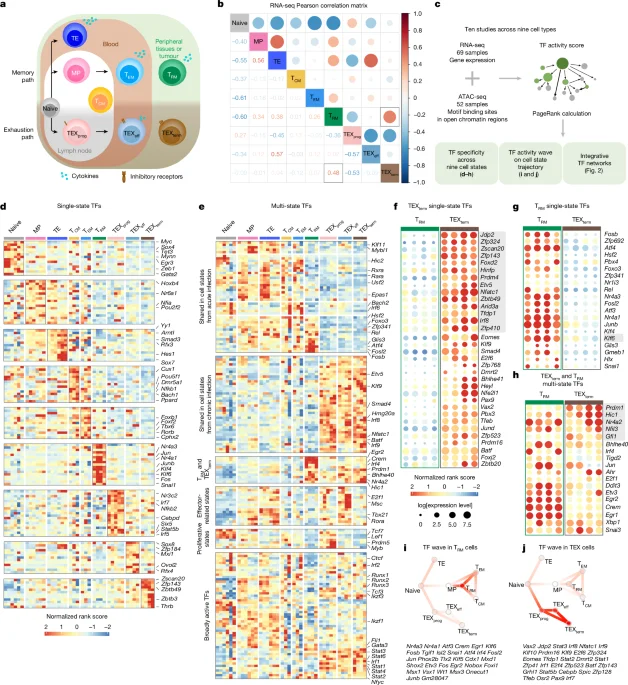
A multi-omics atlas of nine CD8+ T cell states (RNA-seq and ATAC-seq) analyzed with the Taiji network approach reveals state-selective transcription factors that drive protective tissue-resident memory (TRM) versus terminally exhausted (TEXterm) states. The study identifies new TEXterm TFs (e.g., ZSCAN20, JDP2) and shared regulators (HIC1, GFI1), maps TF–TF networks and “waves” coordinating state transitions, and uses in vivo Perturb-seq CRISPR screens to show TEXterm TFs govern exhaustion while preserving TRM formation. Deleting TEXterm-selective TFs enhances tumor control and augments immune checkpoint blockade, with human T cells showing improved effector function upon TF disruption. Overall, the Atlas enables precise engineering of T cell states to design more effective cellular immunotherapies.

Brain Parasite Hijacks Immune Cells, Then Is Stopped by a Self-Destruct Switch
science1 month ago

Brain Parasite Hijacks Immune Cells, Then Is Stopped by a Self-Destruct Switch

Researchers at UVA Health found that Toxoplasma gondii can infect CD8+ T cells in the brain. Caspase-8 triggers the infected cells to die, cutting off the parasite's life cycle. Mice lacking caspase-8 show higher brain parasite loads and worse outcomes, while normal mice clear the infection. The finding highlights a brain-specific immune defense and a potential target for treatment in at-risk individuals.

"Trans-vaccenic acid enhances CD8+ T cells for improved anti-tumour immunity"
health2 years ago

"Trans-vaccenic acid enhances CD8+ T cells for improved anti-tumour immunity"

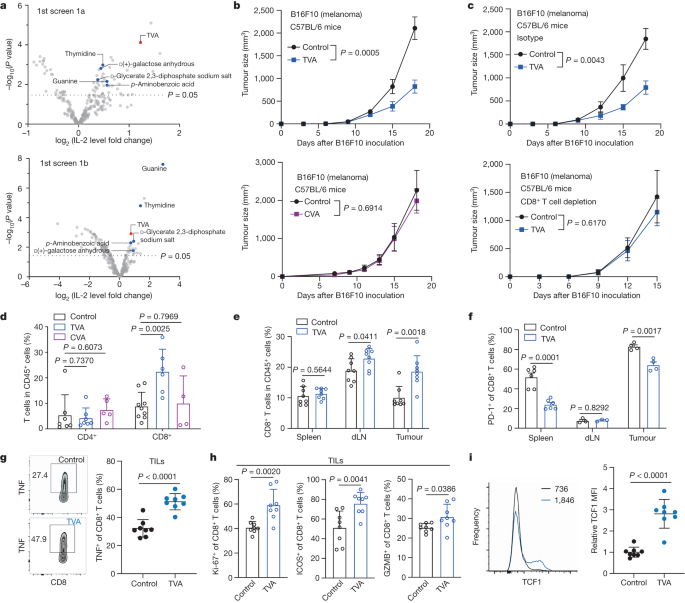
A study has found that trans-vaccenic acid (TVA), a dietary nutrient found in certain foods, enhances the function of CD8+ T cells and promotes anti-tumour immunity. TVA activates the GPR43 receptor and increases cAMP levels, leading to the activation of the CREB pathway. This results in enhanced production of cytokines, increased proliferation, and reduced exhaustion of CD8+ T cells. The findings suggest that TVA could be used as a dietary supplement to boost immune responses against cancer.

"Beef and Dairy: Boosting Immune Response to Cancer with a Powerful Nutrient"
health2 years ago

"Beef and Dairy: Boosting Immune Response to Cancer with a Powerful Nutrient"

A study by researchers from the University of Chicago has found that trans-vaccenic acid (TVA), a fatty acid found in meat and dairy products from grazing animals, improves the ability of CD8+ T cells to infiltrate tumors and kill cancer cells. Patients with higher levels of TVA in their blood responded better to immunotherapy, suggesting its potential as a nutritional supplement to complement cancer treatments. The study highlights the importance of focusing on specific nutrients and metabolites derived from food to understand their impact on health and immunity.

"The Hidden Defense: Unveiling the Human Body's Secret Weapon Against SARS-CoV-2"
health2 years ago

"The Hidden Defense: Unveiling the Human Body's Secret Weapon Against SARS-CoV-2"

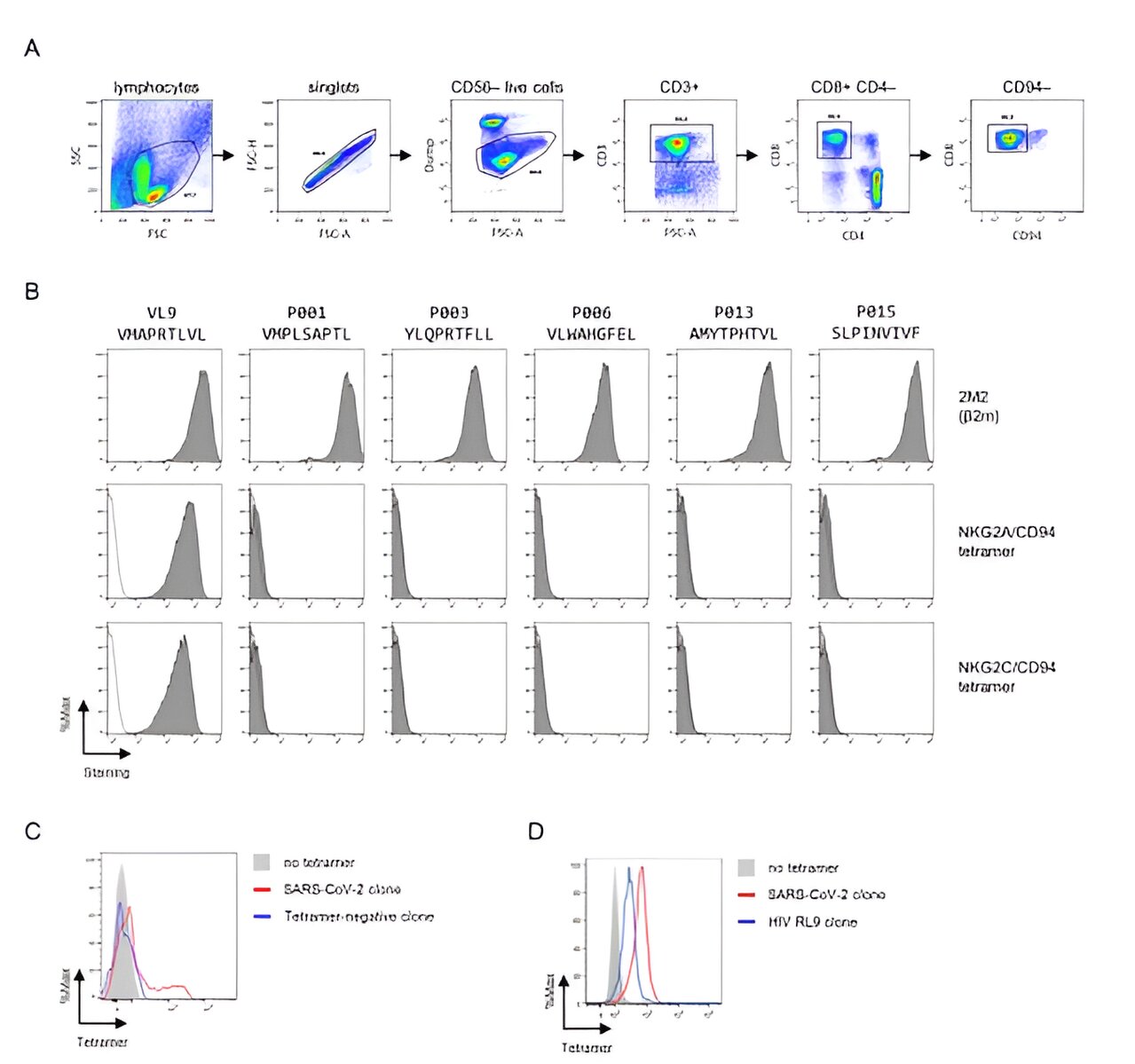
Scientists at the University of Oxford have discovered that a subset of HLA class I molecules, known as HLA-E, may hold the key to a covert immune response against SARS-CoV-2. HLA-E-restricted CD8+ T cells, which are capable of suppressing viral replication, were found to persist at a robust level in COVID-19 patients. This finding suggests that increasing the activity of HLA-E-restricted molecules could be exploited through a targeted vaccine, particularly for immunocompromised individuals. The study provides new insights into the HLA complex and its unique response during SARS-CoV-2 infection.

PD-1 preserves skin cancer immunity in CD8 T cells.
medical-research2 years ago

PD-1 preserves skin cancer immunity in CD8 T cells.

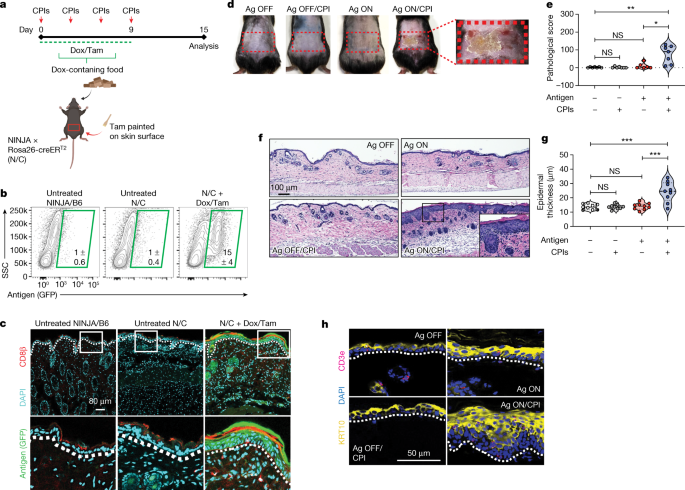
A mouse model was developed to study the role of PD-1 in maintaining peripheral tolerance towards skin-specific antigens. PD-1 prevented tissue-infiltrating antigen-specific effector CD8 T cells from acquiring a pathogenic differentiation state, secreting effector molecules, and gaining access to epidermal antigen-expressing cells. In the absence of PD-1, epidermal antigen-expressing cells were eliminated by antigen-specific CD8 T cells, resulting in local pathology. The study supports a model of peripheral T cell tolerance in which PD-1 allows antigen-specific effector CD8 T cells to co-exist with antigen-expressing cells in tissues without immunopathology.

"Insights into Long COVID: Immune Dysregulation, Genetic Impact, and CBT Benefits"
neurology2 years ago

"Insights into Long COVID: Immune Dysregulation, Genetic Impact, and CBT Benefits"

A small cohort study conducted by the National Institute of Neurological Disorders and Stroke (NINDS) of the NIH in Bethesda, Maryland, found that people with long COVID neurologic symptoms had broad immune dysregulation in their cerebrospinal fluid (CSF), with lower levels of CD4+ and CD8+ T cells and increased B cells and other types of immune cells. Autonomic testing also showed dysfunction. The findings suggest that immune dysregulation may play a role in mediating long COVID and call for further investigations to confirm these changes and evaluate the role of immunomodulatory agents in clinical trials.

COVID-19 Impacts Immune Response and Long-Term Health Risks.
health2 years ago

COVID-19 Impacts Immune Response and Long-Term Health Risks.

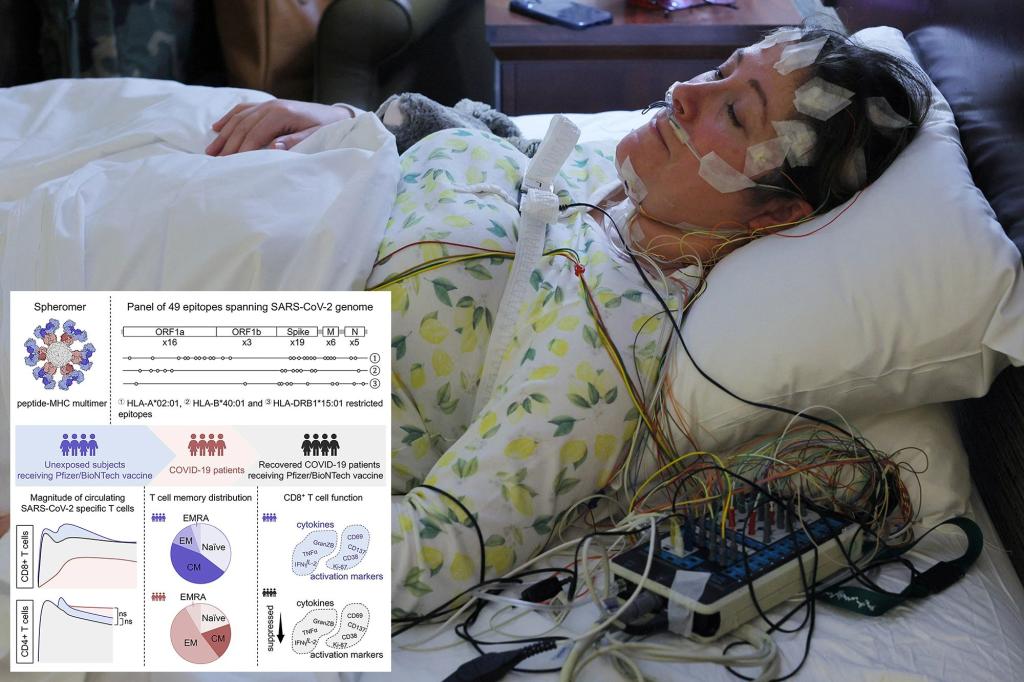
Stanford University researchers have found that people who contracted COVID-19 before getting vaccinated appear to have damaged a key part of their immune-cell response, with a "major reduction" in the body's quantity and quality of CD8+ T cells. The study analyzed blood samples from three groups of volunteers and found that people who had survived a COVID-19 infection before vaccination produced spike-specific CD8+ T cells at considerably lower levels compared to vaccinated people who had never been infected. Researchers emphasized the need to develop vaccination strategies to specifically boost antiviral CD8+ T-cell responses in people previously infected with COVID-19.