MIT research shows that dietary cysteine can activate immune signaling to promote intestinal regeneration, potentially aiding recovery from radiation and chemotherapy damage, with implications for human health and tissue repair.
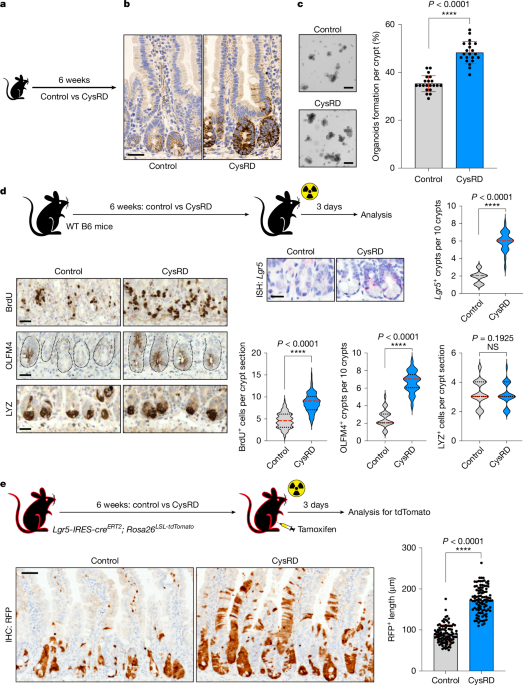
MIT researchers discovered that a diet high in the amino acid cysteine can activate immune pathways that promote stem cell regeneration in the small intestine, potentially aiding in tissue repair after radiation or chemotherapy damage. The study, conducted in mice, suggests that increasing cysteine intake through diet or supplements could enhance intestinal healing, with implications for cancer treatment recovery.
Dietary cysteine enhances intestinal stem cell function by promoting CD8+ T cell-derived IL-22, which supports intestinal regeneration and homeostasis.
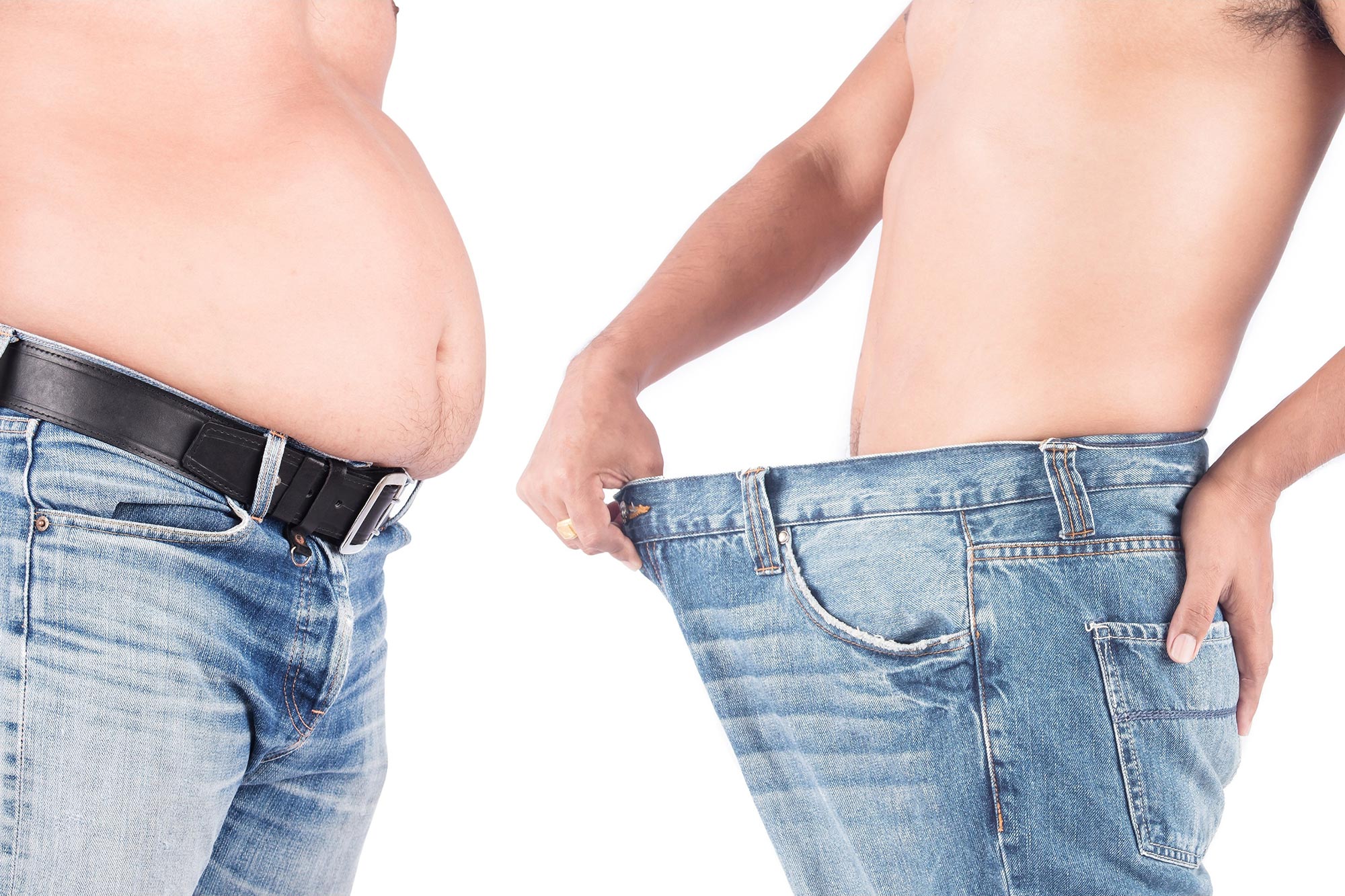
Scientists have discovered that reducing the amino acid cysteine in fat tissue can trigger the transformation of white fat into calorie-burning brown fat, leading to significant weight loss and increased fat burning, suggesting new strategies for weight management beyond calorie restriction.
Reducing cysteine levels in fat tissue may promote the transformation of white fat into metabolically active brown fat, leading to increased fat burning and weight loss, suggesting new approaches beyond calorie restriction.
Research shows that restricting dietary cysteine can promote weight loss by converting white fat to energy-burning brown fat and reducing inflammation, offering a potential new approach to metabolic health beyond calorie restriction.
Scientists discovered that depleting cysteine in mice causes rapid, significant weight loss by disrupting energy metabolism and activating stress responses, highlighting cysteine's crucial role in cellular energy production and potential implications for future weight loss strategies.