Science in 2025 highlights new insights into health, including collagen's role in muscle strength, beetroot juice's benefits for blood pressure, exercise's potential to combat internet addiction, and the importance of hydration and timing in coffee consumption for heart health, alongside findings on the impacts of sedentary behavior and sexual activity on mental well-being.
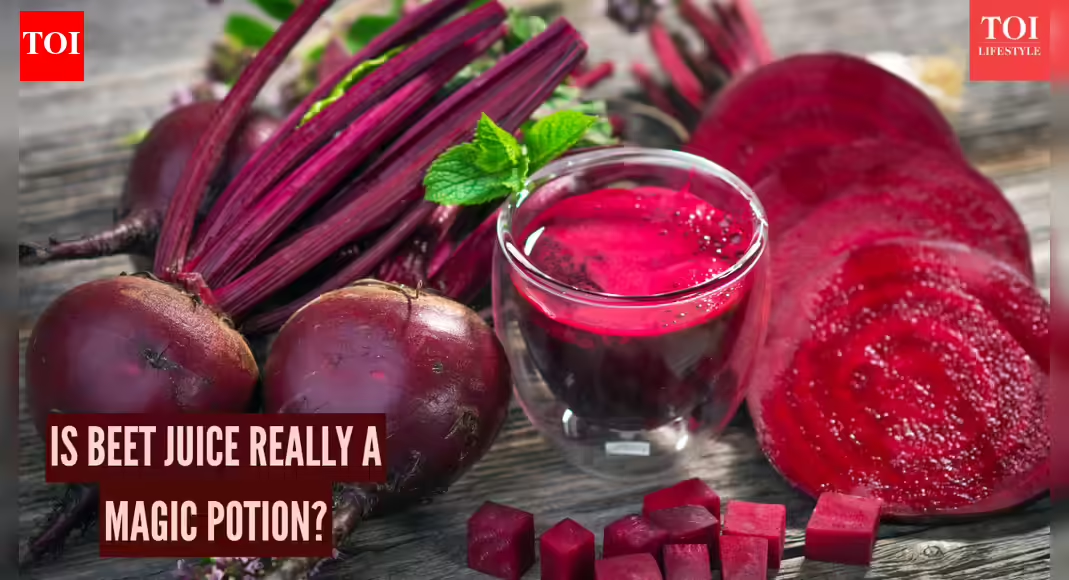
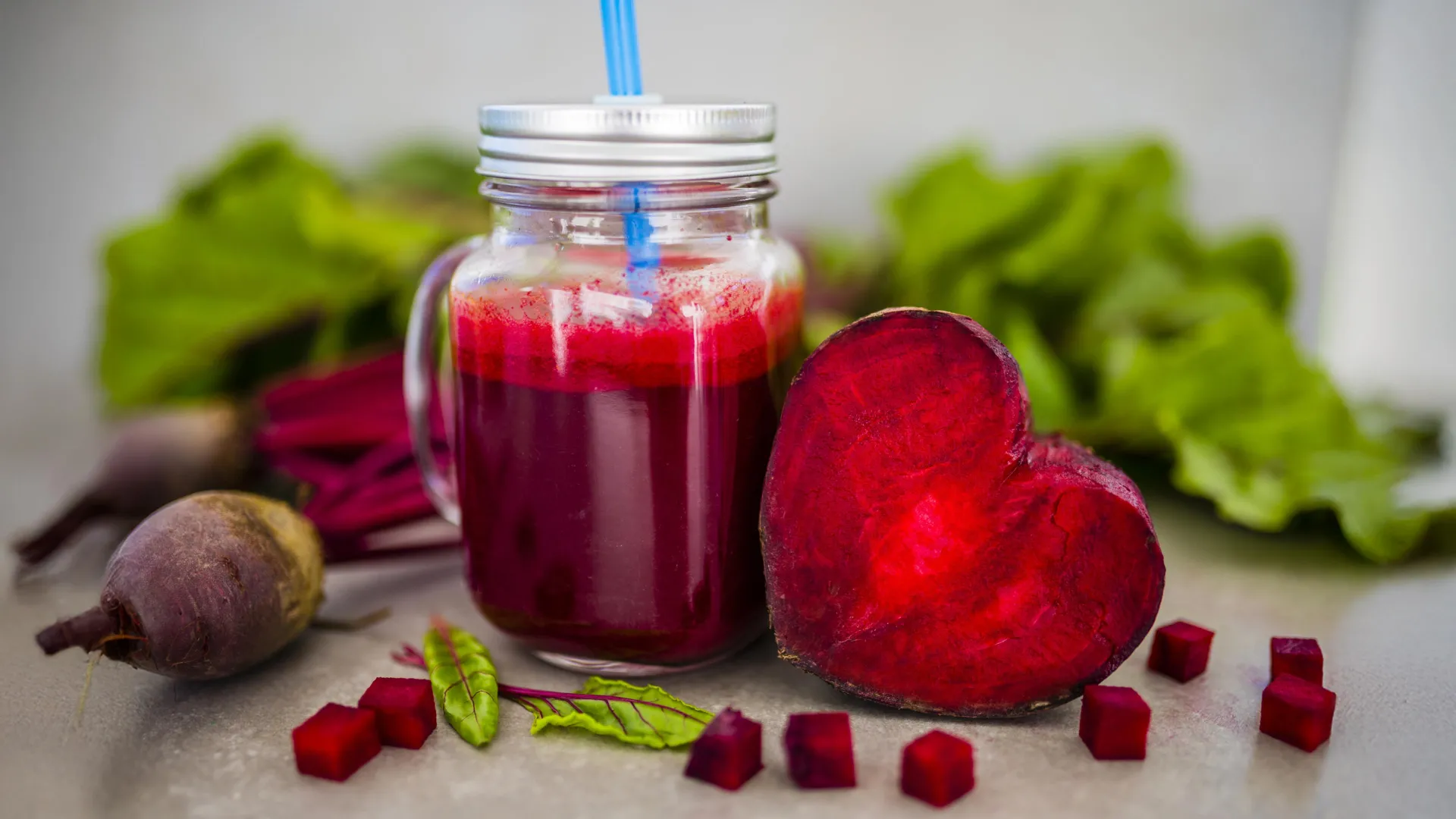
Drinking beetroot juice daily can improve heart health, lower blood pressure, and boost endurance, but should be consumed in moderation and with caution, especially for those with low blood pressure, kidney stones, or on certain medications. It is not a magic cure but can be part of a healthy lifestyle when used wisely.
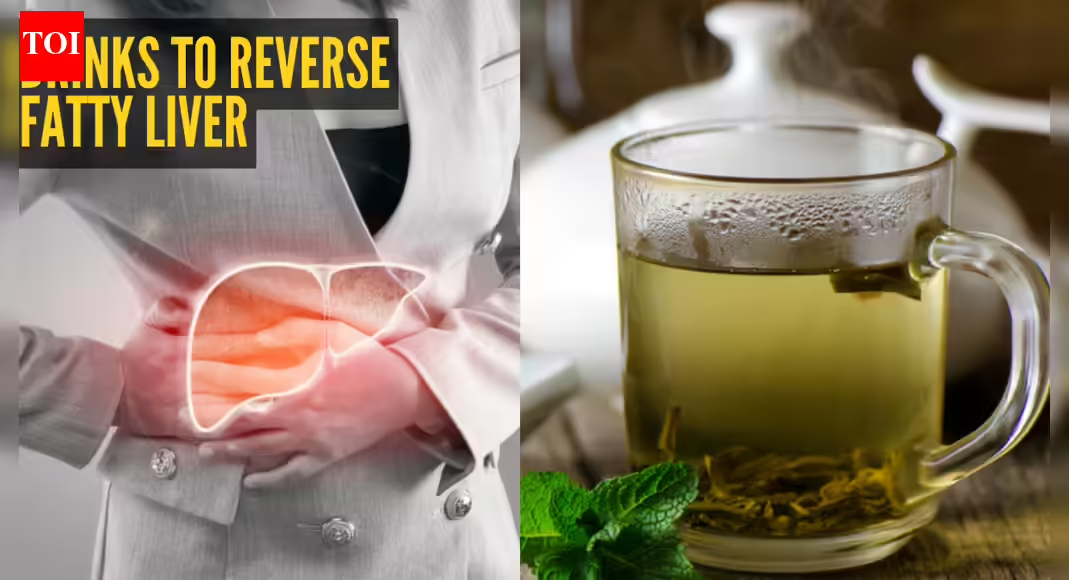
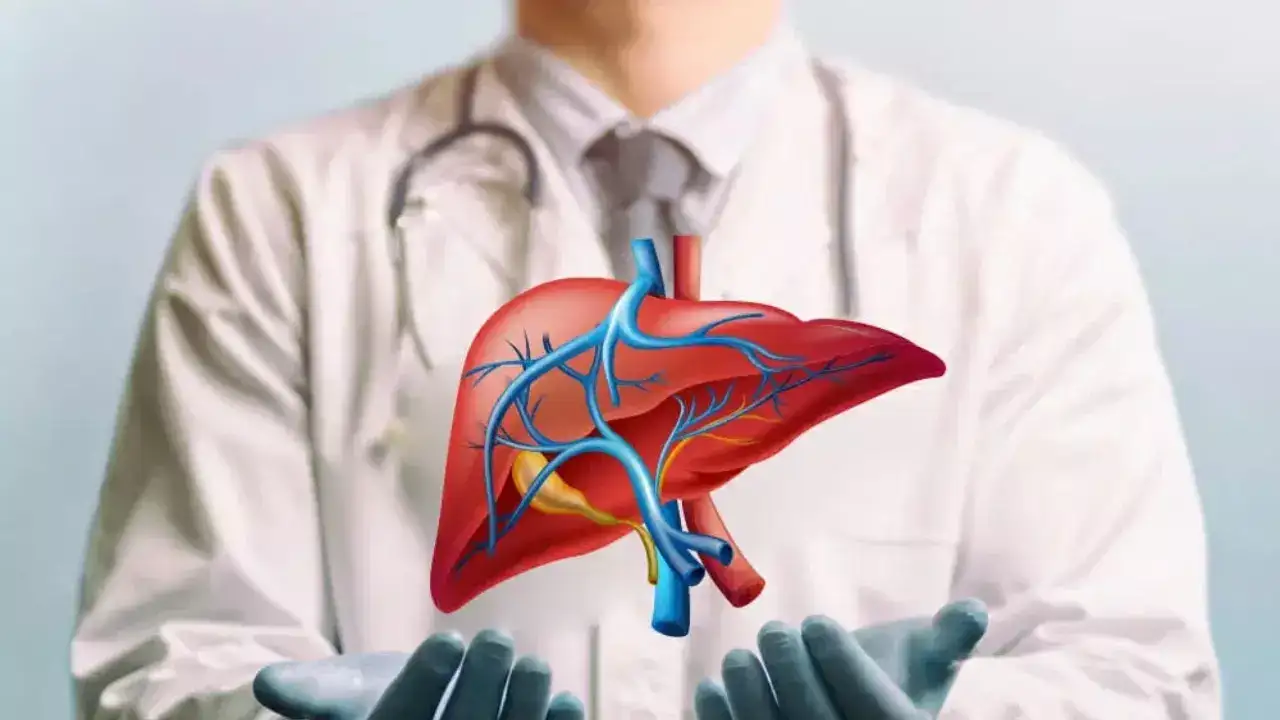
A top gastroenterologist recommends three drinks—black coffee, green tea, and beetroot juice—that can help reverse fatty liver by reducing inflammation, improving fat metabolism, and supporting liver detoxification, emphasizing small daily habits for long-term liver health.
Expert advice suggests that consuming black coffee, green tea, and beetroot juice in appropriate quantities can help reverse fatty liver naturally by reducing inflammation, improving fat metabolism, and supporting liver detoxification. Regular intake of these beverages, along with a healthy lifestyle, may lead to significant liver health improvements within weeks.
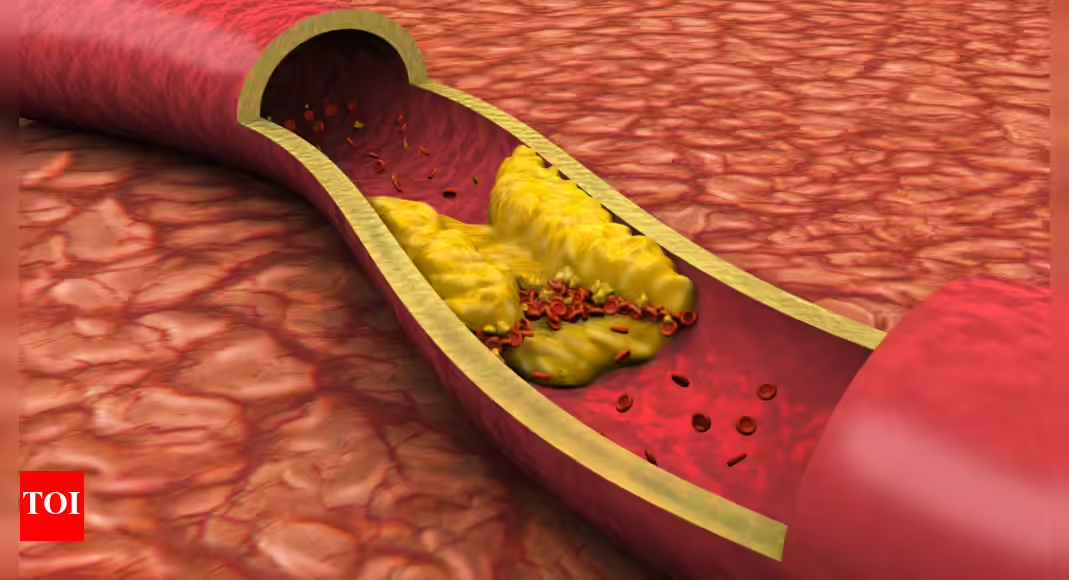
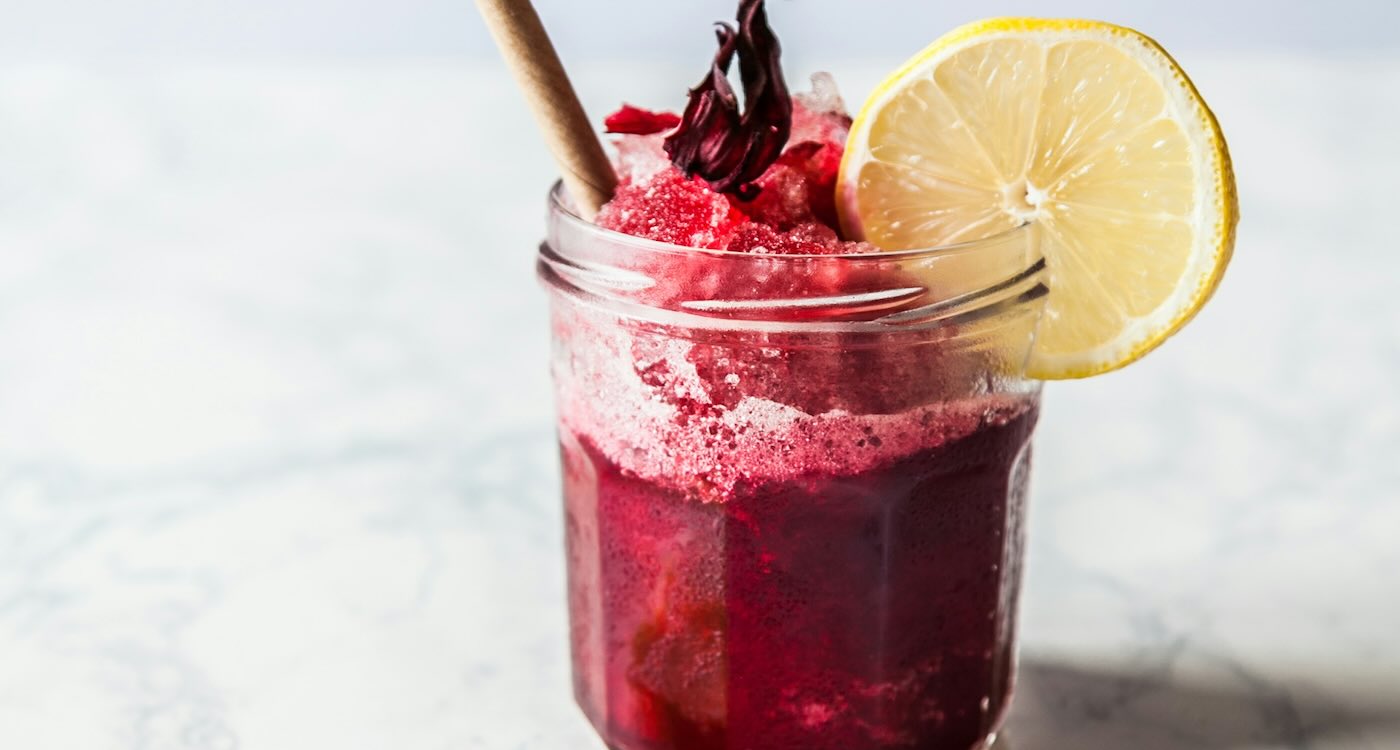
Certain natural drinks like green tea, pomegranate juice, beetroot juice, turmeric milk, and hibiscus tea can help prevent artery plaque buildup and promote heart health when combined with a healthy diet and exercise, though they do not reverse existing plaque.
Consuming specific drinks like green tea, pomegranate juice, beetroot juice, and turmeric milk can support heart health by reducing inflammation, lowering bad cholesterol, and improving blood flow, although they do not eliminate existing plaque.
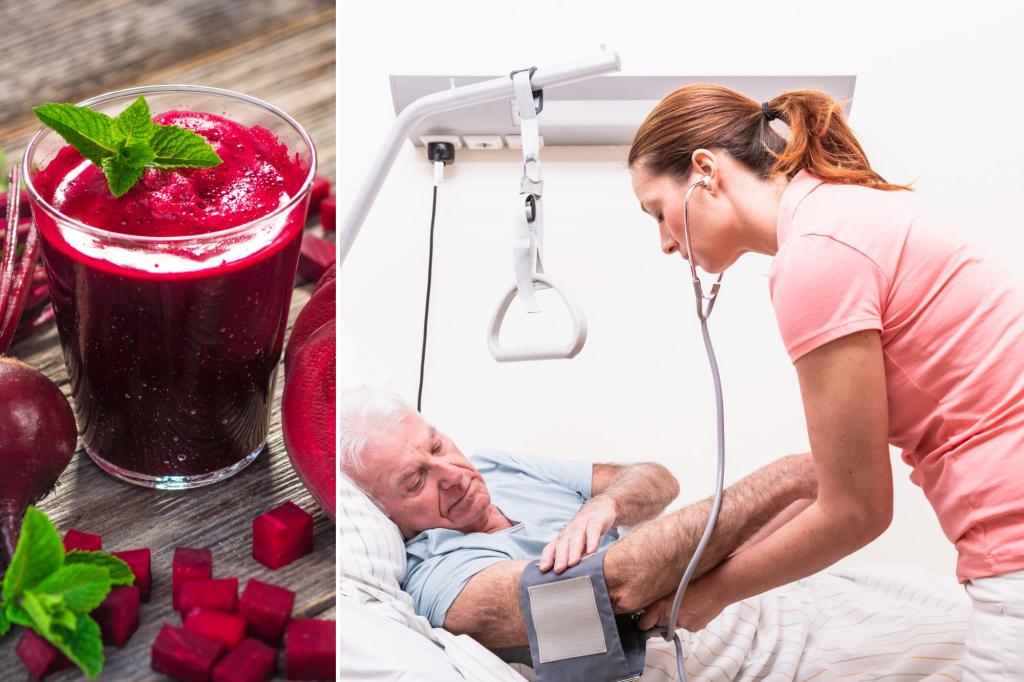
A study by the University of Exeter found that drinking nitrate-rich beetroot juice can lower blood pressure in older adults by improving vascular health and altering oral bacteria, with potential benefits for healthy aging. More research is needed, and individuals should consult healthcare providers before making dietary changes.
A study from the University of Exeter found that drinking nitrate-rich beetroot juice can lower blood pressure in older adults by altering their oral microbiome, specifically reducing harmful bacteria and increasing beneficial ones, which enhances nitric oxide production crucial for vascular health.
A study by the University of Exeter found that drinking nitrate-rich beetroot juice for two weeks can lower blood pressure in older adults, likely due to changes in their oral microbiome that enhance nitric oxide production, which benefits blood vessel health. The effect was not observed in younger adults, highlighting age-related differences in microbiome response to dietary nitrate.
Research indicates that drinking nitrate-rich beetroot juice twice daily can lower blood pressure in older adults by altering the oral microbiome, which may improve nitric oxide production and vascular health, offering a natural alternative to medication for hypertension management in seniors.
The article highlights five drinks—coffee, green tea, beetroot juice, tea, and lemon water—that can help boost liver health when combined with a healthy lifestyle, including balanced diet and exercise. These beverages contain antioxidants and nutrients that support liver detoxification, reduce inflammation, and protect against liver diseases like NAFLD.
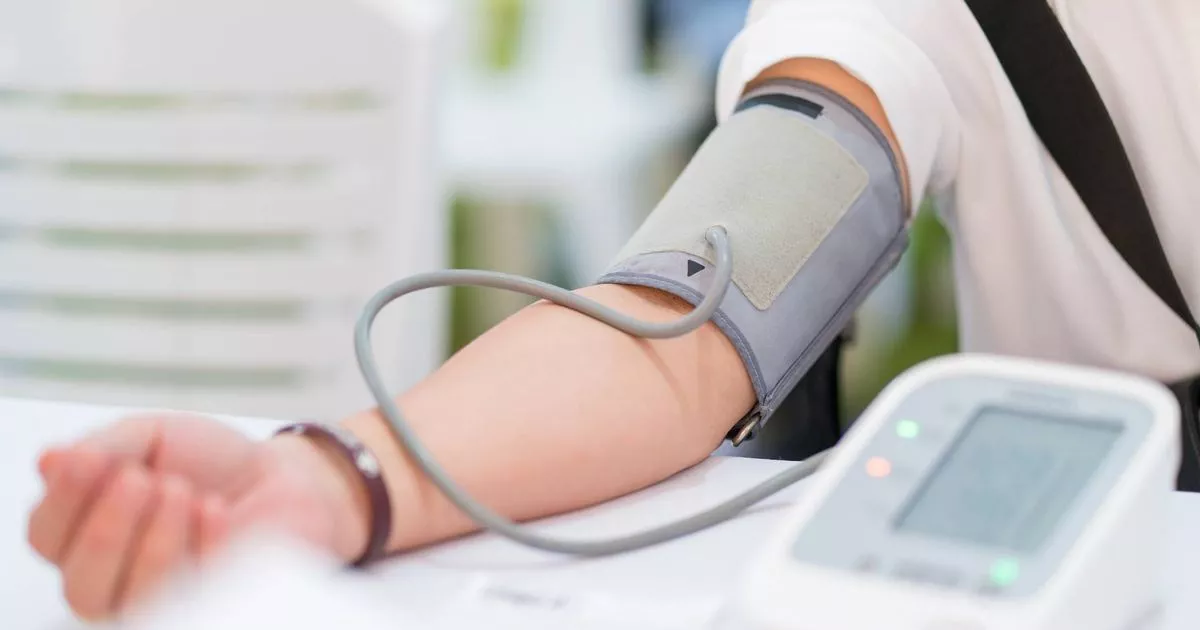
Research suggests that drinking a glass of beetroot juice daily can significantly lower blood pressure in hypertensive patients, potentially offering a natural alternative to medication, though further studies are needed for official recommendations.
The British Heart Foundation recommends drinking beetroot juice daily to help lower blood pressure and reduce the risk of cardiovascular diseases like heart attacks and strokes. Beetroot juice, rich in nitrates, has been shown to normalize blood pressure in people with hypertension. While beetroot juice is effective, other nitrate-rich foods like leafy greens and potassium-rich fruits can also help manage blood pressure. However, those with low blood pressure should monitor their intake. Homemade beetroot juice can be made by blending or juicing beetroot, with optional flavor additions like ginger or lime.
A new study conducted by researchers at Imperial College London has found that beetroot juice supplements can lower blood pressure and improve fitness in people with serious lung conditions, specifically chronic obstructive pulmonary disease (COPD). The study showed that COPD patients who consumed a daily beetroot juice supplement for 12 weeks experienced a reduction in blood pressure and an increase in the distance they could walk in 6 minutes. The nitrate-rich beetroot juice was found to increase the availability of nitric oxide, which helps relax blood vessels and improve muscle efficiency. Further research is needed to confirm these findings in larger, longer-term studies.
Beetroot juice, which is a rich source of dietary nitrates, can help improve blood flow and significantly decrease blood pressure within three to six hours. Nitric oxide, a signalling molecule that plays a crucial role in vasodilation, widens and relaxes blood vessels, resulting in reduced peripheral resistance, improved blood flow, and ultimately, a decrease in blood pressure. However, individuals should consult their doctor before adding beetroot juice to their dietary regime if they already take medication that lowers their blood pressure.