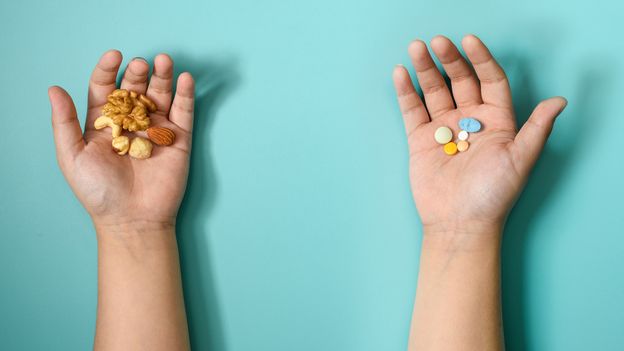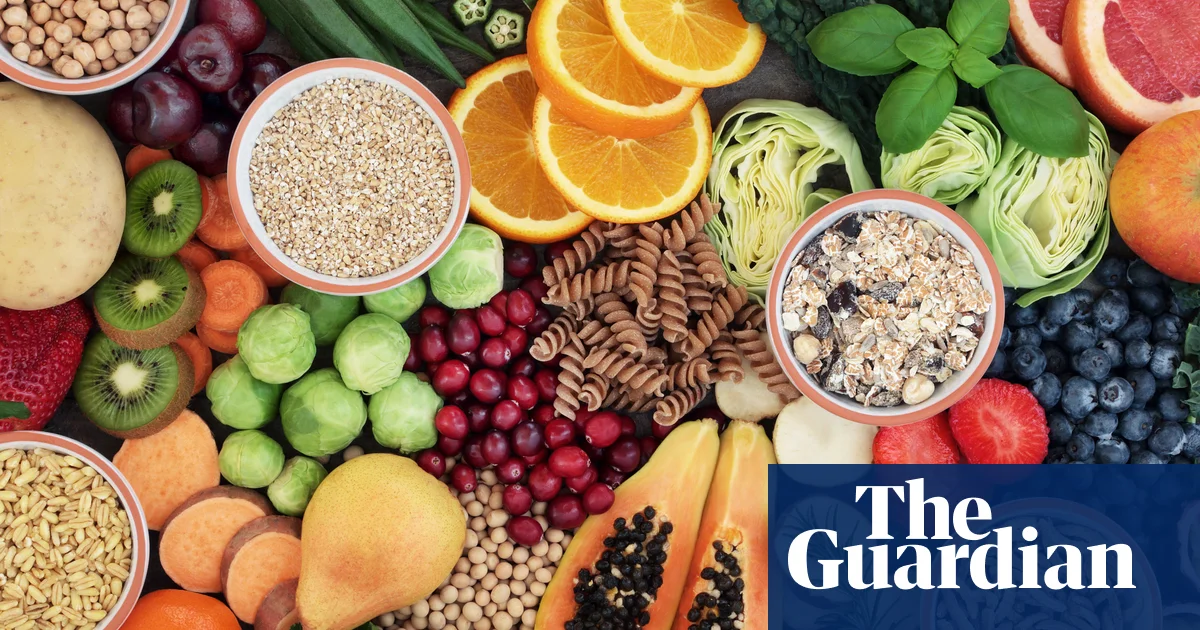
While drugs like Ozempic effectively aid weight loss by reducing appetite through GLP-1 hormone regulation, mimicking their effects with diet is possible by consuming foods rich in fibre, polyphenols, and monounsaturated fats, which naturally stimulate GLP-1 production. However, the most effective approach varies among individuals, and whole foods remain the best foundation for a healthy weight management strategy.
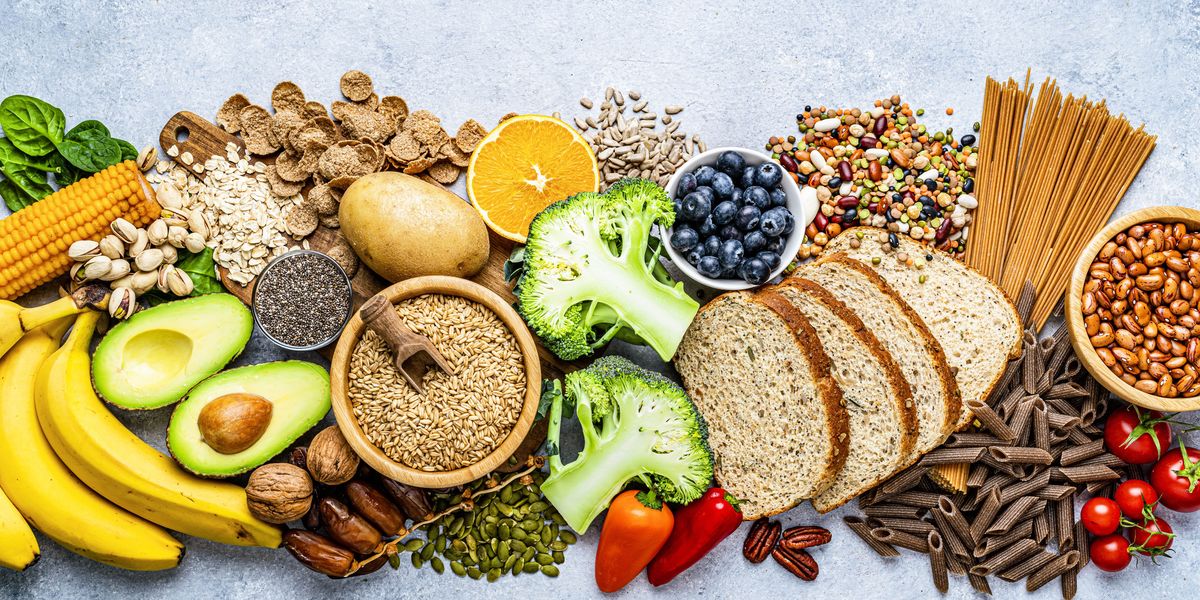
Fibremaxxing is a TikTok wellness trend where users promote high-fibre foods like chia seeds and whole grains, supported by evidence showing that a fibre-rich diet can significantly reduce risks of heart disease, stroke, diabetes, and cancer, and promote gut and brain health.
A gastroenterologist emphasizes the importance of increasing fibre intake for better weight control, cholesterol, and gut health, highlighting that most people are fibre-deficient and recommending psyllium as an effective supplement for irritable bowel syndrome (IBS). He advises adding fibre gradually to avoid bloating and explains the different roles of soluble and insoluble fibre in managing diarrhea and constipation.
A study suggests that beta-glucan fibre in oats, barley, and rye can bind to and help remove PFAS 'forever chemicals' from the body, with a nearly 10% reduction observed after four weeks of pre-meal supplementation, though further research is needed.
Dr. Michael Mosley emphasized the importance of maintaining a healthy gut for overall well-being, offering four key tips: adopting a Mediterranean-style diet, focusing on dietary diversity, increasing fibre intake, and incorporating prebiotics and probiotics. These practices support a diverse gut microbiome, which is crucial for heart, immune, and brain health. Following Dr. Mosley's passing, his family launched the Michael Mosley Memorial Research Fund to continue his legacy in researching obesity, diabetes, and metabolic health.
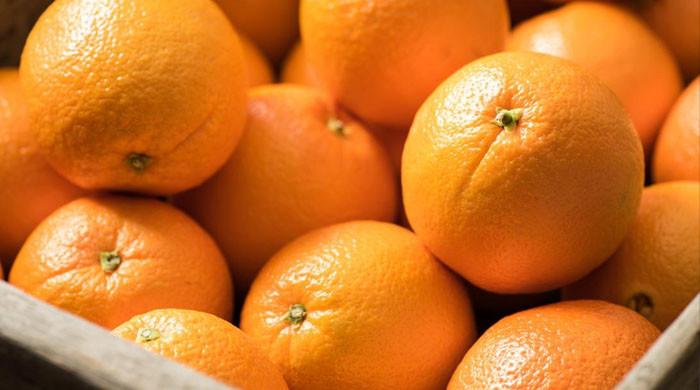
Social media claims that eating whole oranges, including the peel, with cinnamon and cayenne powder can help induce bowel movements, but while oranges are a good source of fiber and water, the effectiveness of this method is not scientifically proven. While oranges can contribute to a healthy diet, there are other foods and lifestyle factors, such as staying hydrated, that can also promote regular bowel movements.
Nutritionists emphasize the importance of incorporating high-fibre foods into daily diets due to their numerous health benefits, including improved digestion, weight management, and disease prevention. Despite the recommended daily intake of 30g, most adults in the UK only consume about 20g of fibre per day. To gradually increase fibre intake, individuals are encouraged to integrate a variety of high-fibre foods such as pinto beans, soybeans, acorn squash, guava, and spring greens into their meals.
A study conducted by Iranian researchers found that consuming more nuts and fibre can potentially add years to one's life. The study revealed that people who ate more fibre were 23% less likely to die early from any cause, while the specific fibre found in nuts reduced the risk of dying from heart disease by 43%. Increasing fibre intake can be achieved by snacking on nuts, choosing high-fibre breakfasts, and incorporating more vegetables into daily meals. The research also showed that overall, eating more fibre reduced the risk of dying from heart disease by 26% and from cancer by 22%.
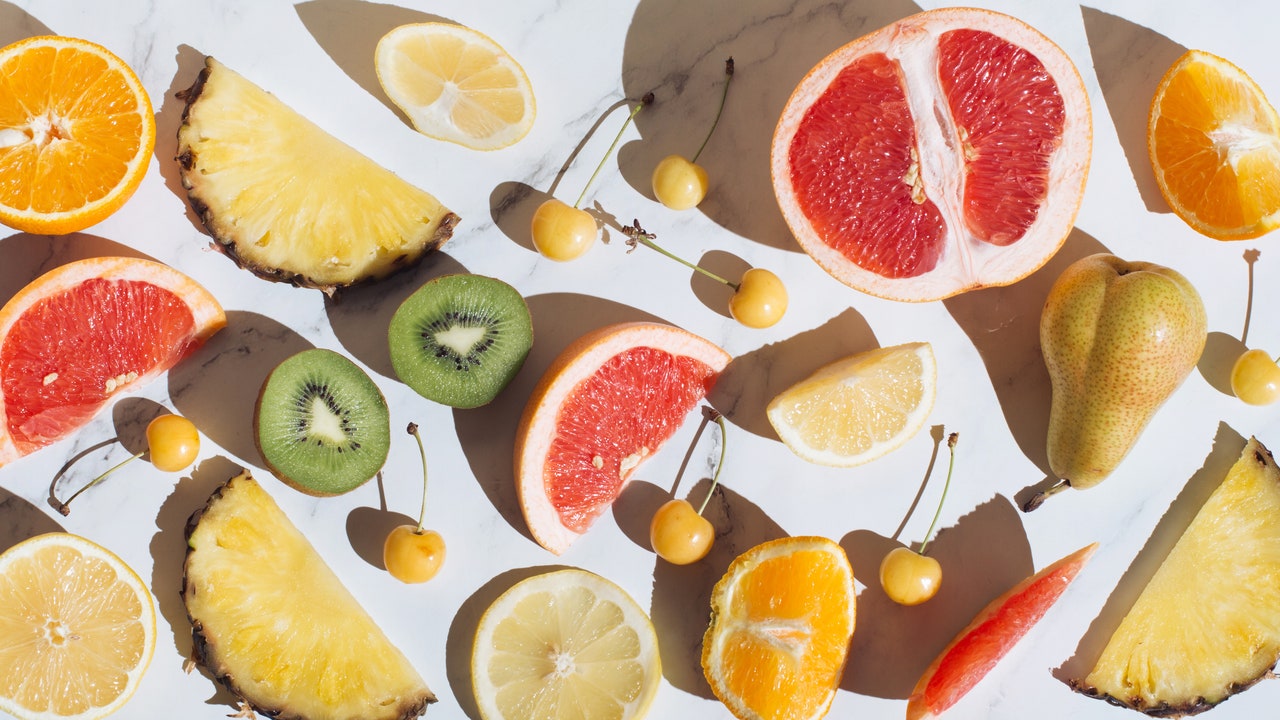
A study on the healthiest foods has found that fruits rank lower in terms of nutrient density compared to vegetables. Among the top 41 healthiest foods, only seven fruits made the list. The healthiest fruit is the lemon, followed by strawberries, oranges, limes, red and pink grapefruit, blackberries, and white grapefruit. These fruits are rich in vitamin C, calcium, potassium, magnesium, and fibre. Citrus fruits can be enjoyed in various ways, such as in salads, juices, and desserts, while berries are great as snacks or in smoothies.
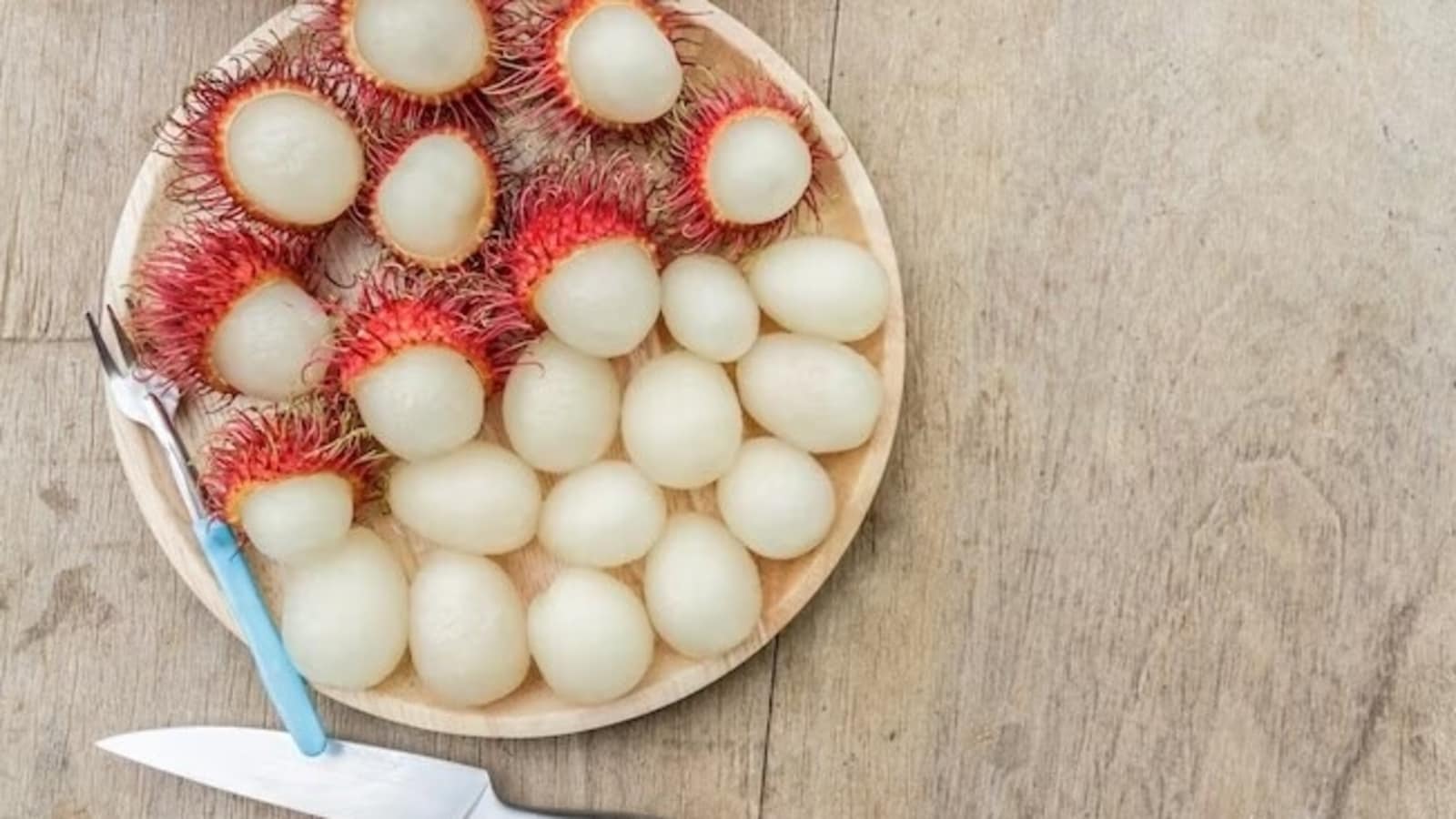
Rambutan fruit, known for its sweet taste and resemblance to lychee, offers several health benefits. It is a good source of soluble and insoluble fiber, aiding in digestion and preventing constipation. The fruit's low-calorie content and high water and fiber content can also help with weight loss by promoting feelings of fullness and preventing overeating. Rambutan is rich in vitamins and antioxidants, including vitamin C, which supports the immune system and fights aging. Additionally, the compound geraniin found in rambutan rind has potential health benefits, such as reducing metabolic dysfunction caused by a high-fat diet.
For a diet to work, there has to be a calorie deficit. The vast majority of diets that show some evidence of working all share one or more of these three characteristics: they explicitly restrict calories, they are high in protein, or they are high in fibre. Protein takes longer to digest and is more satiating than fat or carbs, so diets high in protein work for many people trying to lose weight. Fibre slows down the rate of digestion, resulting in a reduction in the absolute amount of calories absorbed, making diets high in fibre effective for weight loss.
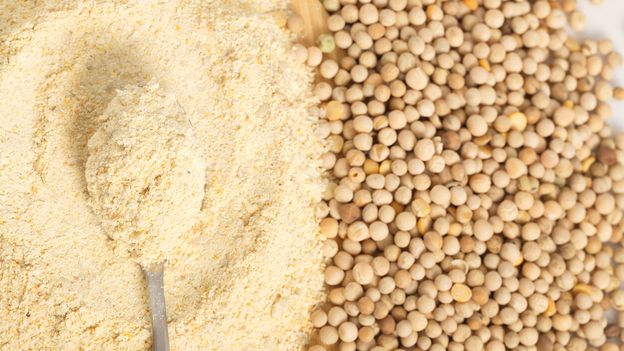
Manufacturers have introduced higher fibre alternatives to many of our traditionally low-fibre staples, including pastas, crisps, breakfast cereals and cereal bars. One of the alternatives is pasta made partly with chickpea flour, which contains 1.5 times more protein, 3.2 times more fibre and eight times more essential fatty acids than traditional pasta made with durum wheat flour. However, pulse-based pasta is unlikely to be a match for whole pulses because of the processing required to make pulses into pasta.
Start your day with a nutritious breakfast that includes protein, vitamins, healthy fats, and fibre. Options include Greek yoghurt with berries and nuts, avocado toast, overnight oats, smoothies, veggie omelette, and peanut butter and banana toast. These breakfast meals provide energy and nourishment to help you conquer the day ahead.
Despite being considered unhealthy for years, nutritionists have given beans on toast their backing as it can form part of a healthy diet. The meal is low in calories, full of fibre, high in protein, low in sugar, and contains important nutrients such as iron, zinc, B vitamins, and potassium. It is also a convenient and affordable source of a balanced meal. Although both components are technically ultra-processed foods, the British Nutrition Foundation insists that beans on toast is a source of important nutrients.
Experts recommend consuming a well-balanced diet rich in essential nutrients to keep the heart healthy. These include Omega-3 Fatty Acids, Fibre, Potassium, Magnesium, and Vitamin D. Limiting the consumption of unhealthy fats, salt, and added sugars, regular physical activity, and maintaining a healthy weight are also important for maintaining good heart health.