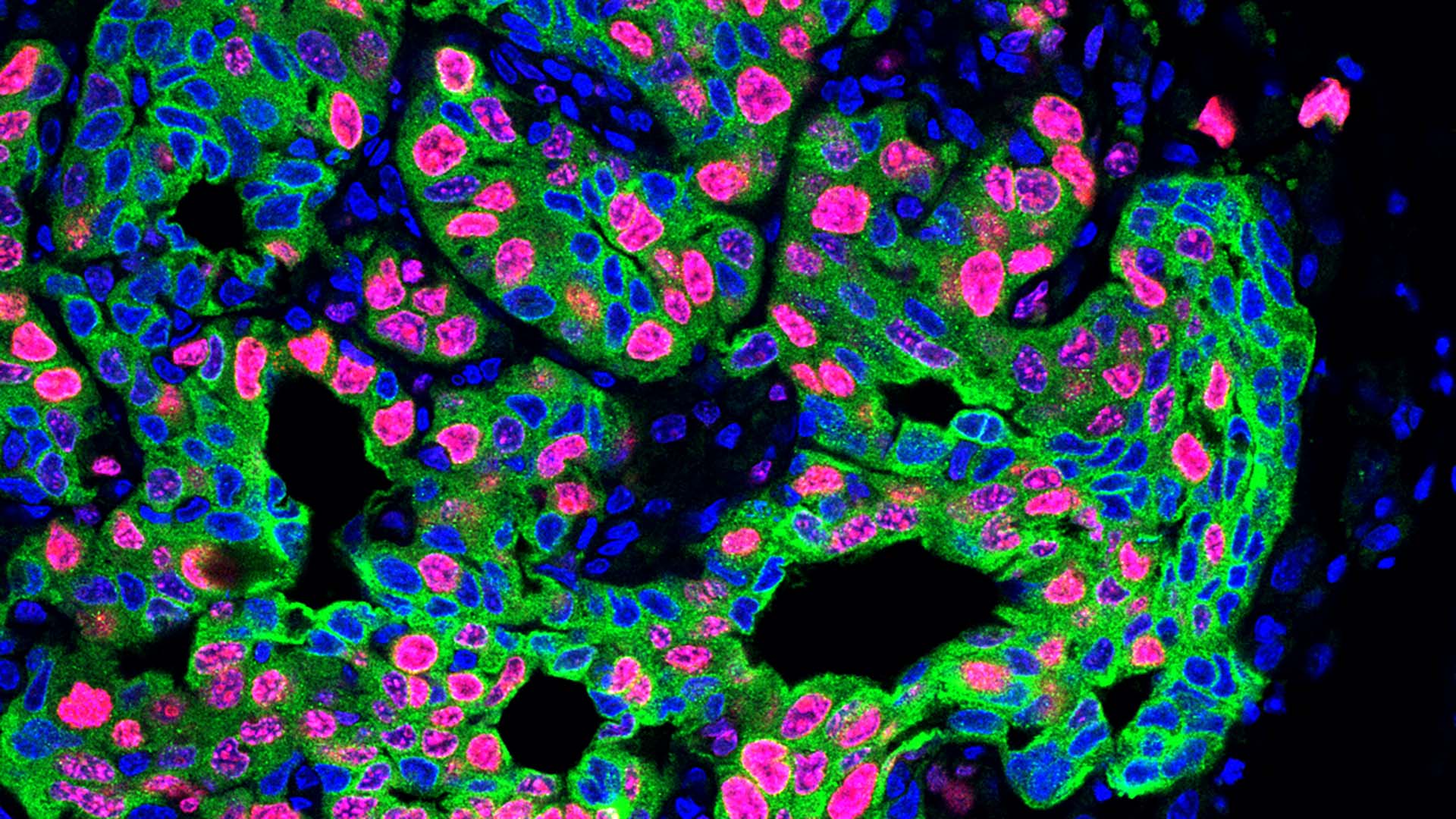
Scientists have identified a protein called Reelin that could potentially treat both leaky gut and depression by restoring gut integrity and reducing brain inflammation, offering a promising new approach for managing major depressive disorder linked to gut health issues.
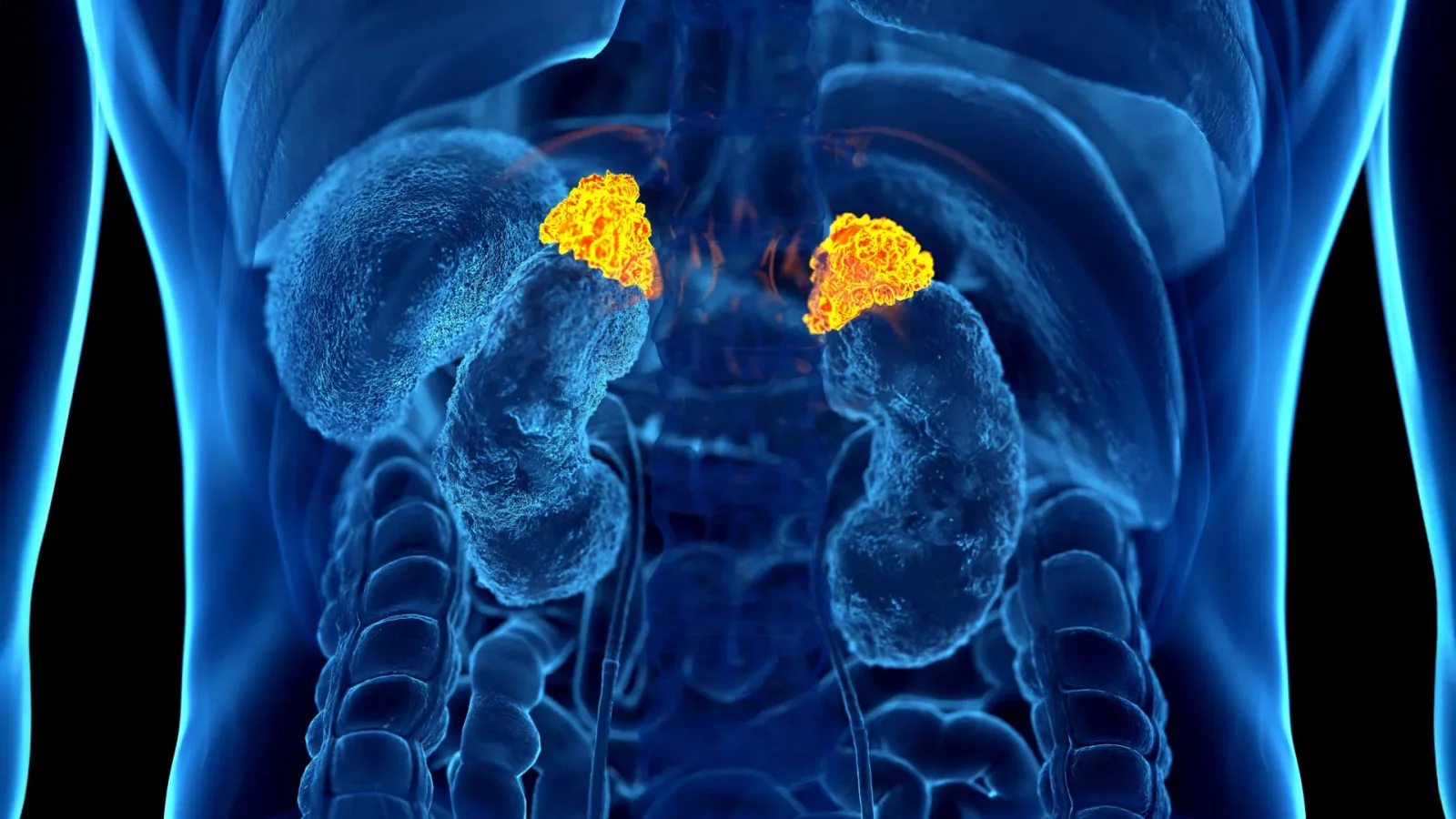
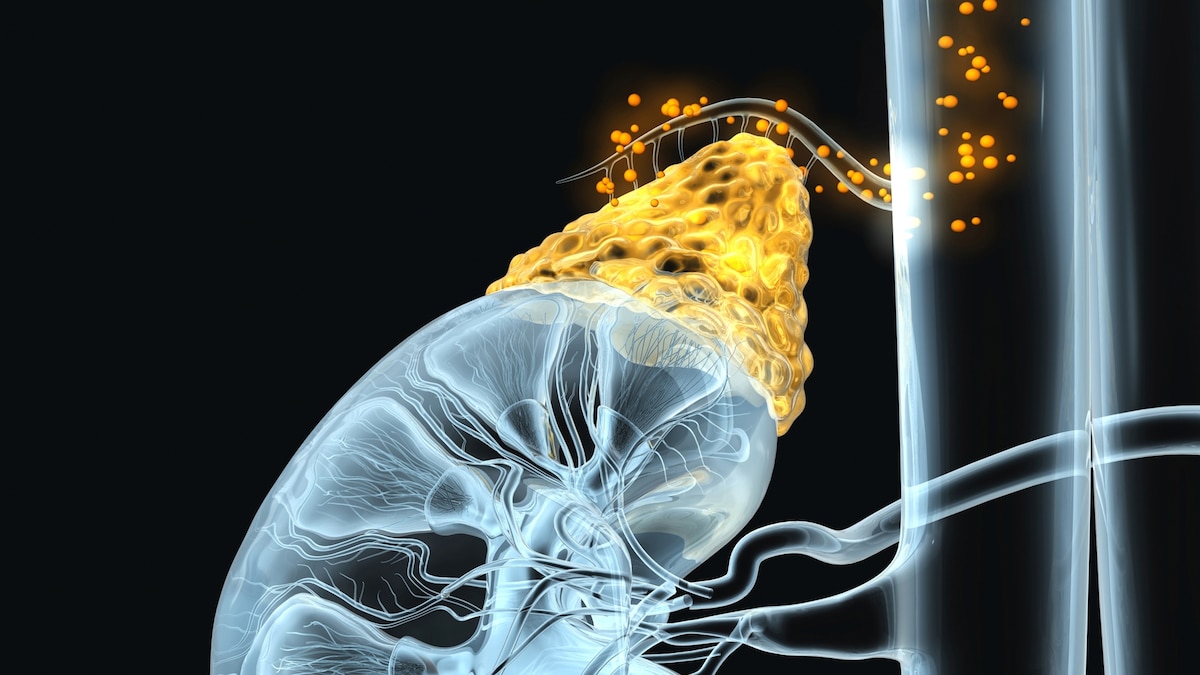
Researchers used AI to identify a new biomarker of chronic stress visible on standard CT scans by measuring adrenal gland size, which correlates with stress levels and predicts cardiovascular risk, offering a practical tool for assessing long-term stress effects in clinical settings.
Longevity expert Dr. Matt Kaeberlein emphasizes that chronic stress accelerates aging and increases the risk of age-related diseases. He suggests managing stress through regular exercise, especially weightlifting, and limiting social media use to reduce negative stimuli and cortisol levels. Monitoring stress levels with tools like heart rate variability can also help identify and address chronic stress for better health outcomes.
An anti-inflammatory diet, rich in fruits, vegetables, whole grains, and healthy fats, can help reduce chronic inflammation linked to stress and improve both physical and mental health. Foods like Greek yogurt, avocados, and turmeric can aid in managing stress hormones and promoting gut health. While diet alone isn't a quick fix, consistent anti-inflammatory eating can lead to significant health benefits over time.
A study published in Psychoneuroendocrinology suggests that sexual activity may help protect mothers from the metabolic consequences of chronic stress, particularly those caring for children with Autism Spectrum Disorder (ASD). The research found that sexually active mothers had healthier levels of key metabolic hormones compared to their sexually inactive counterparts, indicating that sexual activity might mitigate the adverse metabolic effects of chronic stress. The study highlights the unique role of sexual activity in maintaining metabolic health, independent of physical activity and relationship satisfaction.
The concept of adrenal fatigue, characterized by symptoms like chronic fatigue, stress intolerance, and sleep issues, is a subject of controversy in the medical community. While some experts argue that it lacks scientific basis, others in functional medicine recognize and diagnose it. Regardless, chronic stress can have a significant impact on health, and individuals experiencing stress-related symptoms should seek a wide range of opinions from various doctors or experts and prioritize finding the root cause of any symptom. Treatment options include working with a functional doctor, reducing triggers to the nervous system, increasing nutrition, optimizing circadian rhythm, and finding balance in workout routines.
A study in Columbus found that Black youth feel less safe when visiting predominantly white areas of the city, with those spending the most time in such areas feeling the least safe. The perception of being less safe in white neighborhoods may have real-life health consequences for Black youth, as high levels of chronic stress were found to have negative effects on their health. This study sheds light on the unique challenges Black youth face when trying to access resources often located in predominantly white neighborhoods in American cities.
Cortisol, known as the "stress hormone," plays a vital role in regulating various bodily functions, but imbalanced cortisol levels are rare despite claims of "adrenal fatigue" by some. Conditions like Cushing’s syndrome and Addison’s disease are associated with too much or too little cortisol, but are considered rare disorders. While stress can have real effects on health, attempting to "balance" hormones at home is not recommended. Lifestyle modifications such as regular exercise, a healthy diet, meditation, and enough sleep can help manage stress and prevent various health conditions often mistaken for cortisol issues.
A study by researchers at Cold Spring Harbor Laboratory has revealed that chronic stress can increase the spread of cancer by causing certain white blood cells called neutrophils to form sticky web-like structures, making body tissues more susceptible to metastasis. The team's experiments on mice showed a significant increase in metastatic lesions in stressed animals, which was attributed to stress hormones acting on neutrophils to form these structures. The findings suggest that reducing stress and developing drugs to prevent the formation of these structures could be important components of cancer treatment and prevention.
A study published in JAMA found that the mortality rate among renters facing eviction during the first two years of the pandemic was twice as high as expected, with the risk of death for these renters being 2.6 times greater than the general population. Chronic stress from housing instability is believed to be a significant factor contributing to this excess mortality, with potential impacts on physical and mental health. The study also highlighted the cyclical relationship between housing insecurity and health, as well as the potential for inferior housing environments to increase health risks. As public assistance programs like eviction moratoriums end, experts warn that deadly health risks may grow, particularly as rent burdens remain high and eviction filings surpass historical averages.
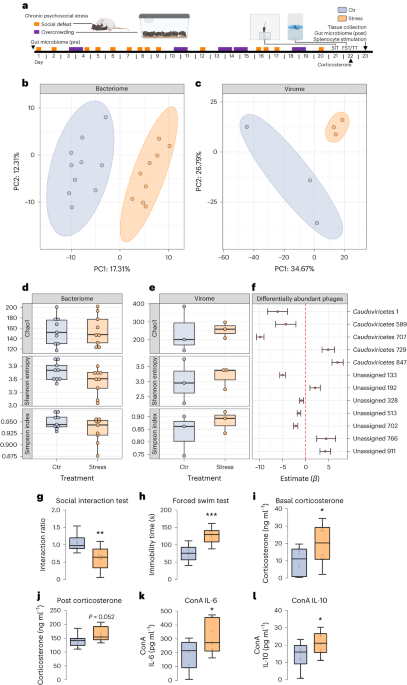
A study on mice suggests that chronic social stress alters the gut virome and bacteriome composition, leading to changes in behavior and immune responses. The researchers found that an autochthonous faecal virome transplant (FVT) from healthy mice prevented the manifestation of stress-related behavioral, immune, and neurobiological changes in the stressed mice. The FVT treatment modulated the microbiota and improved stress-related behavioral sequelae, indicating the potential of virome interventions in mitigating the effects of chronic stress.
A study from the UK found that financial strain can lead to long-term changes in key health markers, including those associated with the immune, nervous, and hormonal systems. Financial stress was found to be the most detrimental form of stress to biological health, with associations remaining significant irrespective of genetics, socioeconomics, age, sex, or lifestyle factors. The study suggests that chronic stress, particularly related to finances, can disrupt the immune and neuroendocrine systems, leading to potential long-term health issues.
Dr. Aditi Nerurkar's new book, "The 5 Resets," provides science-backed strategies to manage chronic stress and burnout, a growing issue exacerbated by the COVID-19 pandemic. The book outlines five key resets: identifying personal values, setting digital boundaries, utilizing the mind-body connection, taking breaks, and quieting negative self-talk, with an emphasis on small, achievable goals and gratitude journaling. Nerurkar advises adopting only two changes at a time, following the "Resilience Rule of Two," to work with the brain's response to change and increase the likelihood of forming lasting habits.
A survey conducted by the American Heart Association reveals that the holiday season is more stressful than tax season for many Americans, impacting their mental and physical health. Balancing work, family, finances, and festive events becomes overwhelming, leading to chronic stress. The survey found that 63% of respondents consider the holidays more stressful, and 71% regret not taking time to relax. Recovery from holiday stress can take weeks or even a month. The American Heart Association recommends maintaining healthy habits like eating smart, moving more, and sleeping well to manage holiday stress.
A major study conducted in Sweden found that individuals with hypochondriasis, an anxiety disorder characterized by excessive fear of illness, have a shorter life expectancy compared to those without the condition. Researchers tracked 42,000 people over two decades, including 1,000 with hypochondriasis, and found that worriers lived an average of five years less. Hypochondriasis patients were also nearly four times more likely to die by suicide and had a higher risk of death from respiratory, circulatory, or neurological problems. The study suggests that chronic stress caused by perpetual worry and anxiety may contribute to physical health problems. Improved detection and access to evidence-based care are recommended.