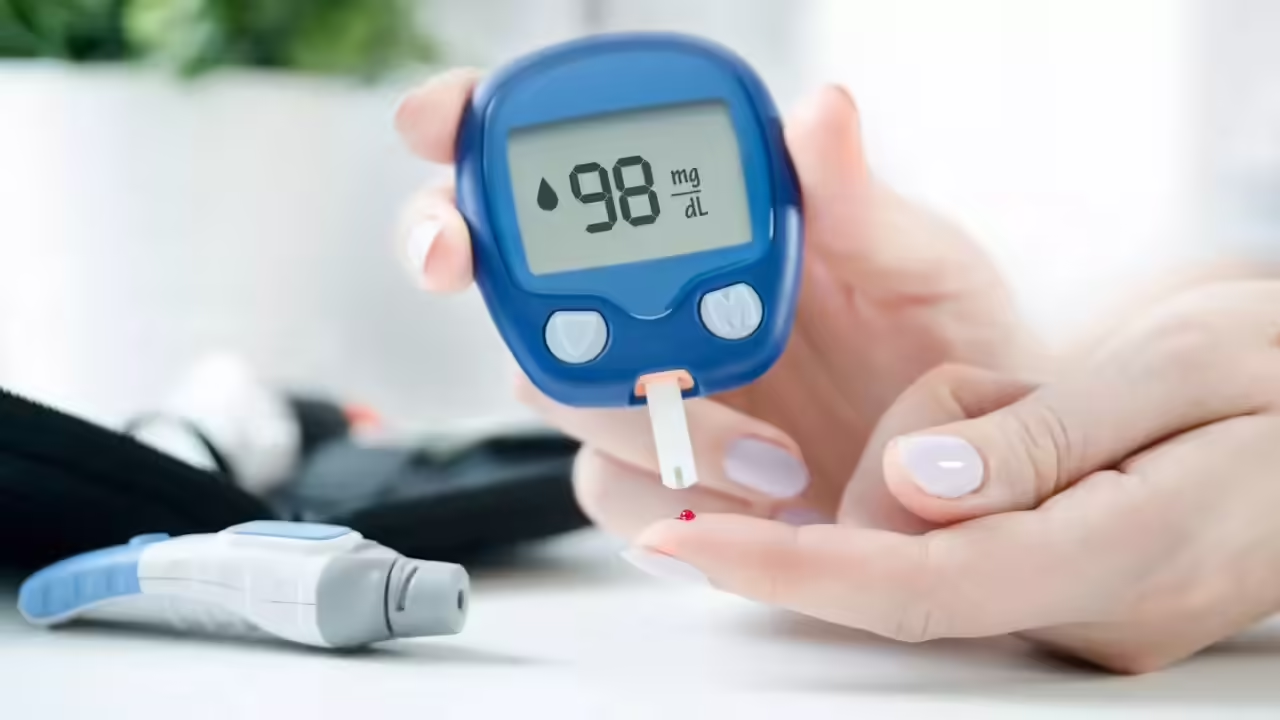
Diabetes remission is achievable mainly through intensive lifestyle changes such as weight loss, healthy diet, exercise, sleep, and stress management, especially in early-stage type 2 diabetes, though it is not a complete reversal but rather remission that requires ongoing management.
Dr. Sudhir Kumar suggests five lifestyle changes—weight loss, regular exercise, a low-carb diet, time-restricted eating, and increased daily activity—to lower HbA1c levels by 1-2%, comparable to medication effects, emphasizing consistency and simple habits for long-term health management.
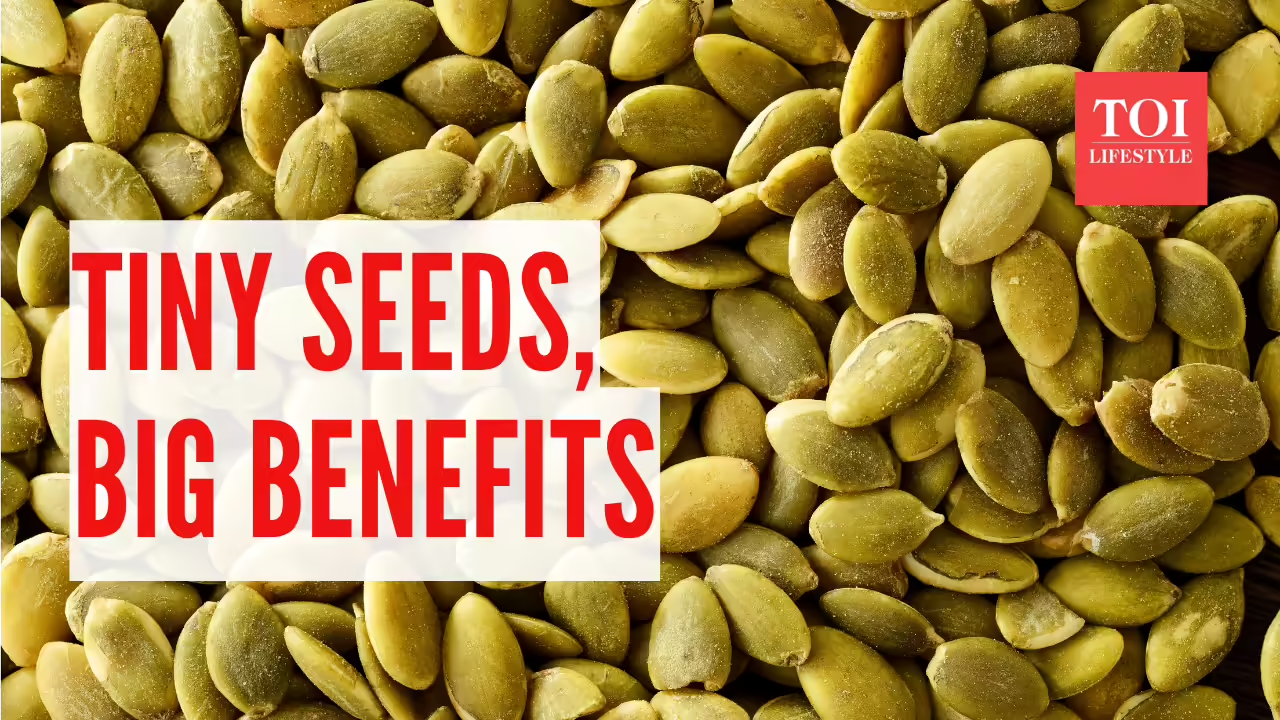
Pumpkin seeds are a highly nutritious snack that support heart health, blood sugar regulation, better sleep, hormonal balance, and overall nutrient intake, making them a valuable addition to a healthy diet.
A metabolic doctor shares an 8-step plan to reverse pre-diabetes in 21 days, emphasizing a protein-rich breakfast, meal sequencing, fiber-rich grains, early dinner, adequate sleep, stress management, and regular monitoring to improve blood sugar levels naturally.
Certain types of bread, such as whole-grain, sourdough, keto-friendly, rye, and sprouted-grain, can support weight loss and blood sugar management when chosen wisely, with sprouted-grain bread being the top recommended option for its nutritional benefits and gut health support.
Walking after meals, especially 10-15 minutes post-eating, can help lower blood sugar levels and improve diabetes management. It's recommended to walk at a moderate pace for 10-20 minutes, avoiding immediate post-meal walking to prevent discomfort. Proper footwear, posture, consistency, and variation in routes enhance the benefits of walking as a simple yet effective health habit.
Eating protein throughout the day, especially at breakfast and post-workout, can boost satiety, support muscle growth, and help regulate blood sugar levels. The ideal amount varies based on individual goals, but generally around 1 g per kg of body weight is recommended, with higher needs for athletes. Signs of insufficient protein include fatigue, muscle loss, and weak nails, so spreading intake evenly is beneficial.
The article provides eight doctor-recommended tips to naturally control blood sugar levels within 14 days, including avoiding sugary drinks and white carbs, incorporating cinnamon and bitter gourd juice, eating fiber-rich salads, choosing complex carbs, walking after meals, replacing sugar with natural sweeteners, and eating small frequent meals, emphasizing lifestyle and dietary changes over medication.
A recent study suggests that low-calorie diets, including the 5:2 diet, time-restricted eating, and continuous energy restriction, can help people with obesity and type 2 diabetes lose weight and improve blood sugar control, with the 5:2 diet showing slightly more benefits and higher adherence. Experts recommend choosing a dietary approach that fits individual lifestyles and preferences for better long-term success.
A recent real-world study shows that a 5-day fasting-mimicking diet can improve blood sugar control, promote weight loss, and reduce medication reliance in people with type 2 diabetes, when supervised by healthcare professionals. The diet, which involves periodic calorie restriction, appears safe for most individuals but should be undertaken with medical guidance due to potential side effects and contraindications.
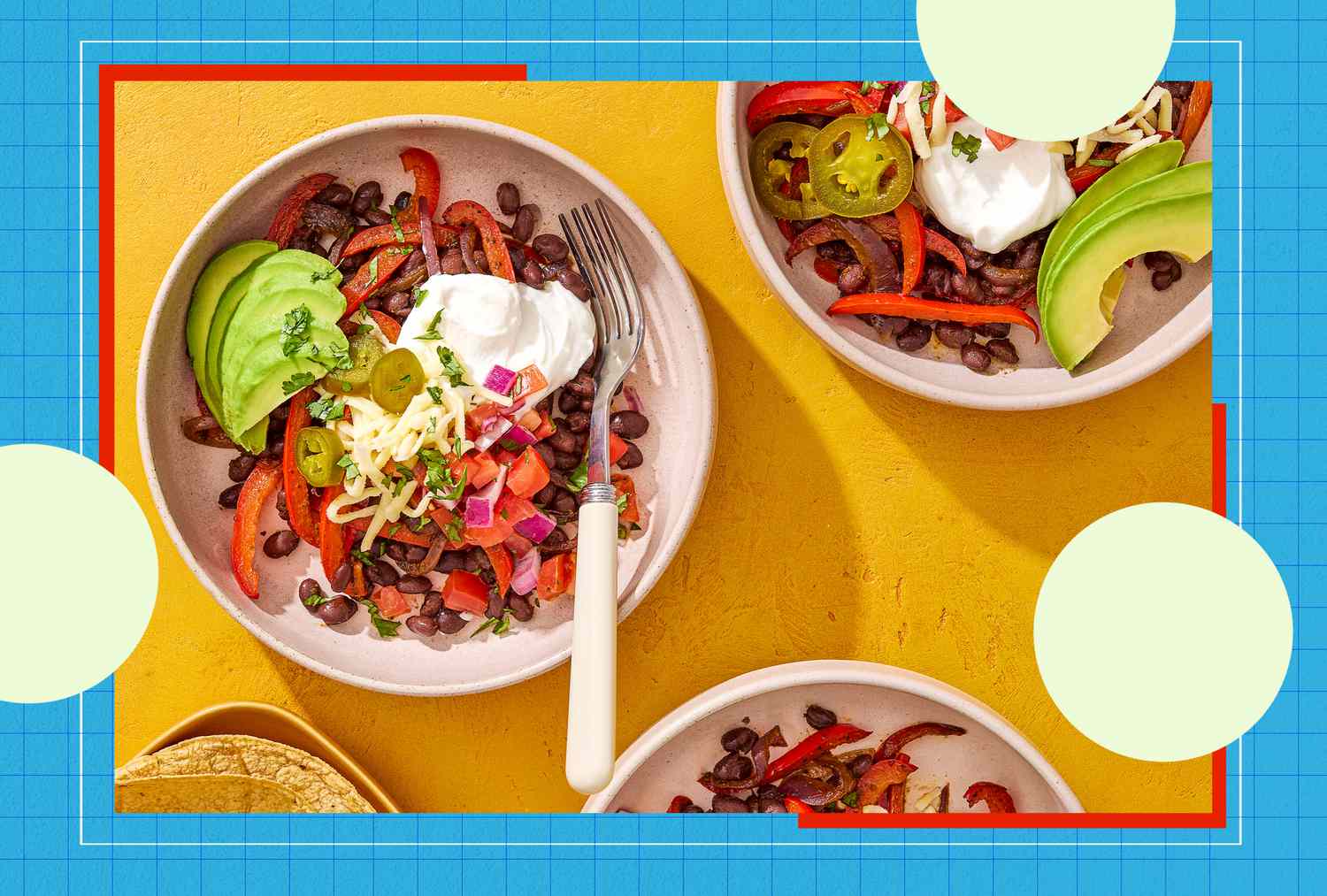
Many high-protein foods traditionally avoided by people with diabetes, such as full-fat Greek yogurt, pistachios, shellfish, lean beef, soy, and beans, can actually support muscle growth, improve insulin sensitivity, and help manage blood sugar levels when incorporated into a balanced diet and combined with resistance training.
Health experts recommend taking a brief five-minute walk after meals to boost energy, improve digestion, and regulate blood sugar levels, especially during the holiday season. This simple activity can prevent post-meal slumps and promote a more active lifestyle, even in colder months. Walking as little as 500 extra steps daily is linked to better heart health and reduced illness risk, making it a beneficial habit to incorporate into festive routines.
An 18-month international study suggests that a Green Mediterranean diet, which enhances blood sugar control, can slow brain aging and reduce cognitive decline risks. The study, part of the DIRECT PLUS Brain MRI trial, found that improved glycemic control is linked to positive changes in brain regions affected by age-related atrophy. The diet, rich in polyphenols from plant-based sources, may protect brain structure and function, offering a potential pathway to mitigate age-related cognitive decline.
Dietary fiber is identified as the top nutrient to improve insulin resistance, according to dietitians. Fiber helps slow carbohydrate digestion, enhancing insulin sensitivity and blood sugar control. Foods rich in both soluble and insoluble fiber, such as beans, oats, and vegetables, are recommended. Incorporating more fiber into the diet, along with maintaining a balanced diet, regular physical activity, and stress management, can significantly reduce the risk of insulin resistance and type 2 diabetes.
Apple cider vinegar (ACV) is gaining popularity on platforms like TikTok for its potential health benefits, including blood sugar control, weight loss, and cholesterol improvement. It has antimicrobial properties and can be used in cooking, cleaning, and personal care. However, its high acidity can cause side effects like tooth enamel erosion and throat damage if consumed undiluted. Experts recommend diluting ACV and consulting a doctor before use, emphasizing that it is not a substitute for a balanced diet and healthy lifestyle.