Tag

X Ray Telescope

All articles tagged with #x ray telescope

science-and-technology1 year ago

China's Einstein Probe Unveils Mysterious Celestial Phenomena

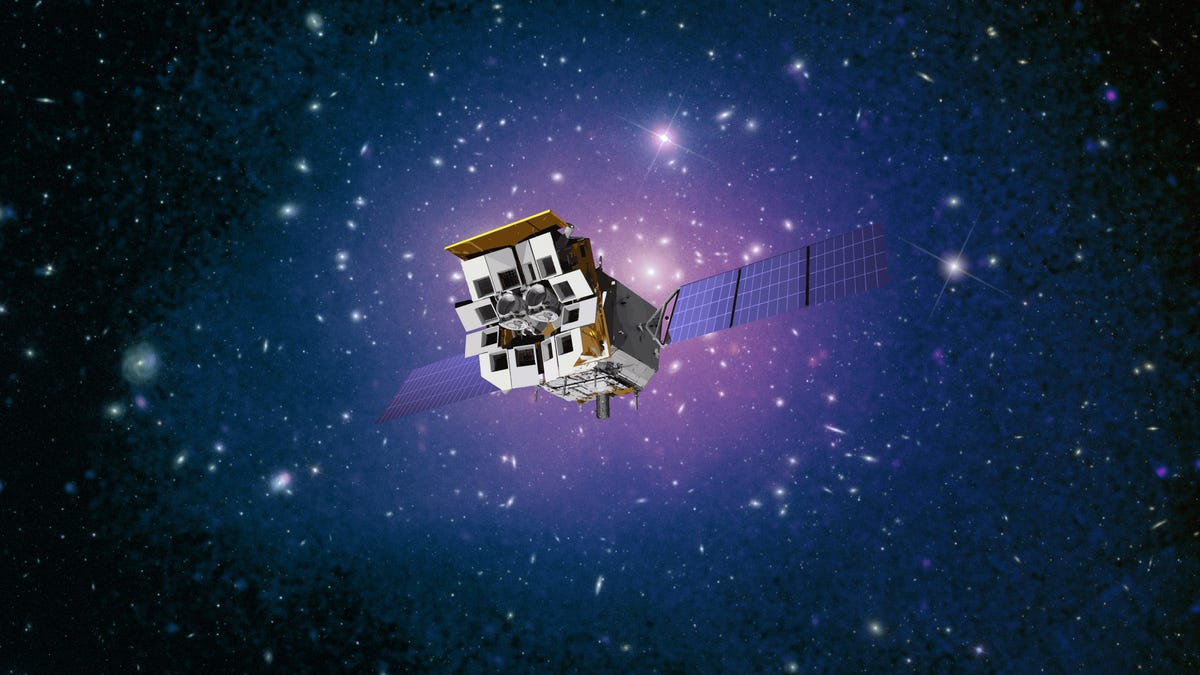
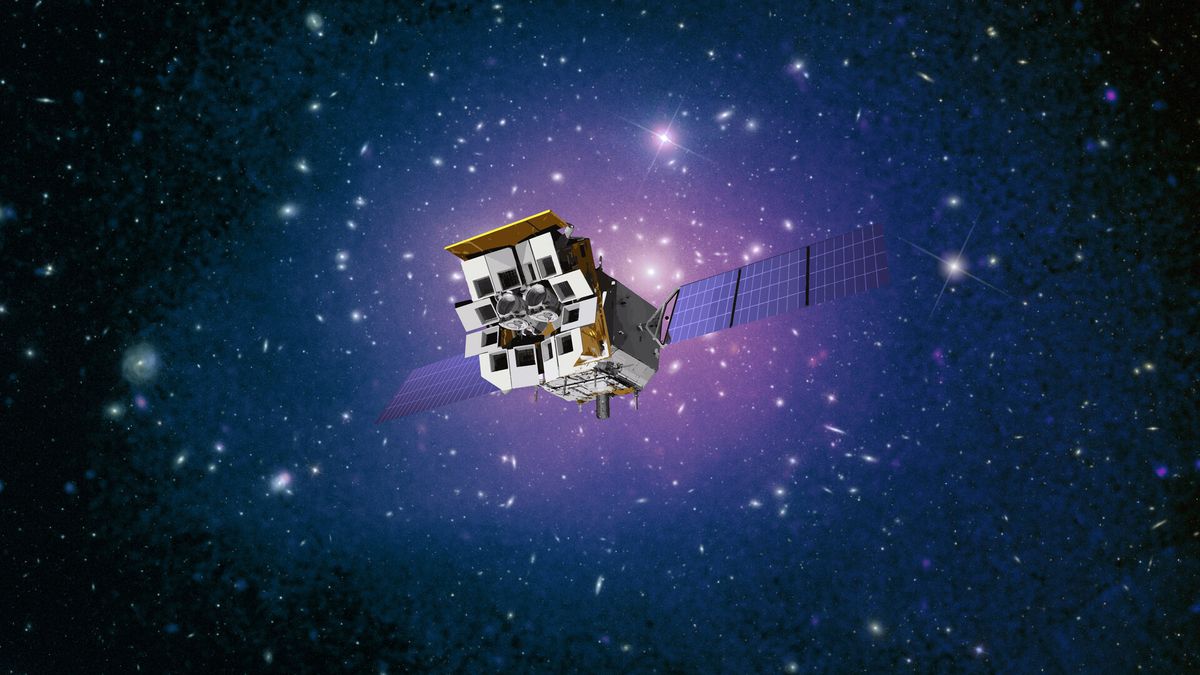
The Einstein Probe, a Chinese X-ray space telescope with lobster-eye optics, has made significant discoveries during its commissioning phase, including detecting around 60 strong transient celestial objects and nearly 500 stellar flares. It also observed a gamma-ray burst from the early universe, showcasing its sensitivity. The probe, now named "Tianguan," may have identified a new class of transients, potentially caused by a white dwarf disrupted by a black hole. The observatory is set to operate for three years, with a possible two-year extension.
astronomy1 year ago

"Dancing Black Holes: Unraveling the Mystery of Galactic Hiccups"

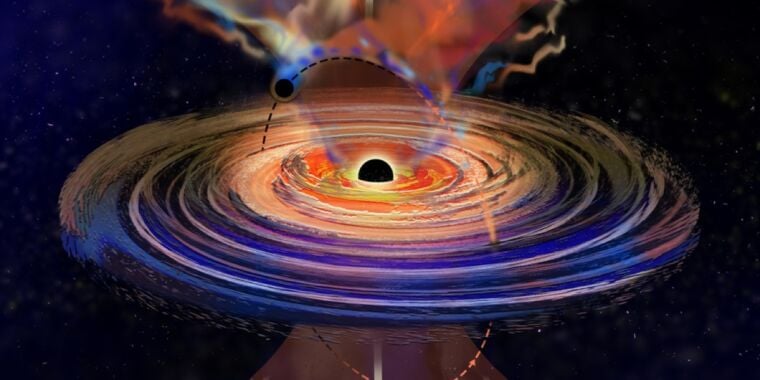
Astronomers have discovered the cause of an unusual burst of light from a supermassive black hole 848 million light-years away, which exhibited periodic energy dips akin to celestial hiccups. They found that the black hole is orbited by a smaller black hole that periodically punches through its accretion disk, releasing plumes of gas. This challenges the traditional understanding of black hole accretion disks and suggests a significant population of similar binary black hole systems in the universe.

space-and-astronomy1 year ago

"NASA's Budget Cuts Threaten Future of Iconic Space Telescopes"

The Biden-Harris administration's budget for the 2025 fiscal year proposes to terminate NASA's flagship X-ray observatory, Chandra, despite its continued high-impact scientific contributions and potential for another decade of operation. The budget's reasons for this decision are factually inaccurate, and the fate of Chandra now rests with Congress. Without adequate funding, the loss of Chandra would significantly hinder X-ray astronomy, and efforts are underway to advocate for its preservation.

science-and-technology2 years ago

"Einstein's Telescope and Lobster-Eye Mission: Space-bound Innovations"

The Chinese Academy of Sciences is set to launch the Einstein Probe, an X-ray telescope named after Albert Einstein, next month. Built in collaboration with the European Space Agency (ESA) and the Max Planck Institute for Extraterrestrial Physics, the probe will use lobster-eye optics to observe 3,600 square degrees of the sky in a single shot. Over its three-year mission, the Einstein Probe aims to study black holes, gravitational waves, supernovas, and other cosmic phenomena, emitting alert signals to other telescopes to collect data on fleeting events.

space2 years ago

"X-ray Telescope Discovers Cosmic Black Widows: Spider Pulsars Devouring Stars"

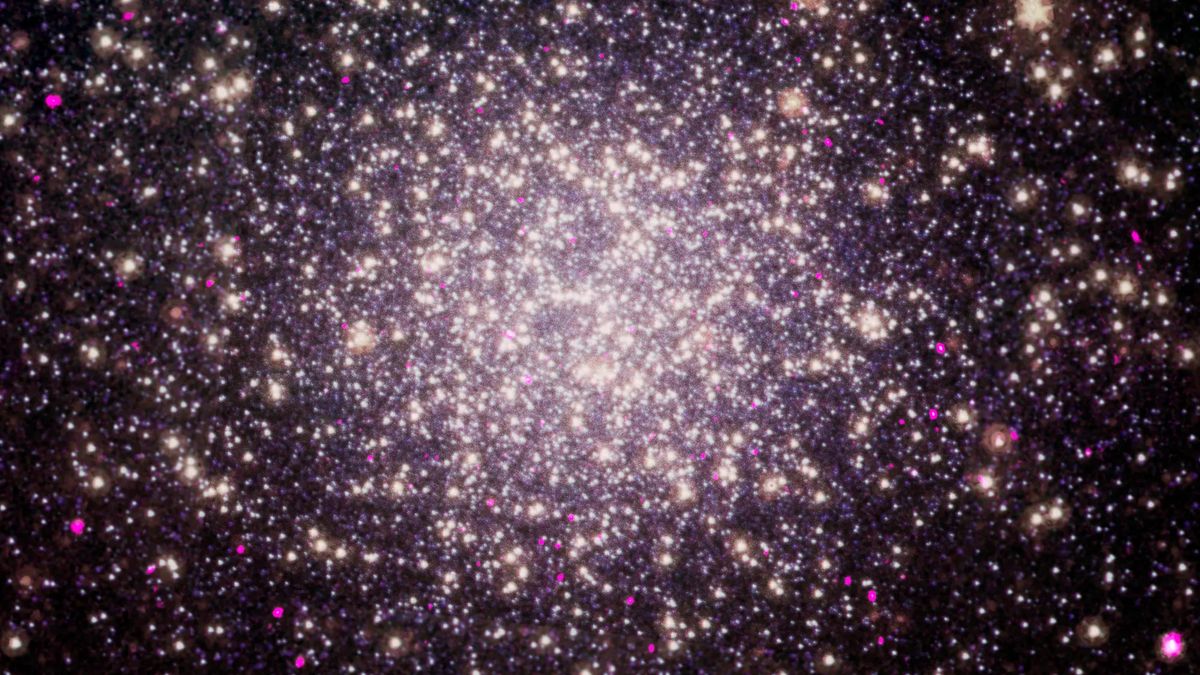
NASA's Chandra X-ray Observatory has observed a group of spider pulsars, rapidly spinning neutron stars, devouring their companion stars in the globular cluster Omega Centauri. The data collected could provide insights into how these cosmic "black widows" erode surrounding stars with intense radiation. The researchers found that redback pulsars, which devour larger stars, are brighter in X-rays than black widow pulsars, which consume smaller stars. The findings highlight the link between the mass of the stars being devoured and the radiation emitted. Chandra's sensitive X-ray vision is crucial for studying spider pulsars and other millisecond pulsars in globular clusters.

astronomy2 years ago

NASA Captures Eerie Image of Ghostly Cosmic Hand in Space

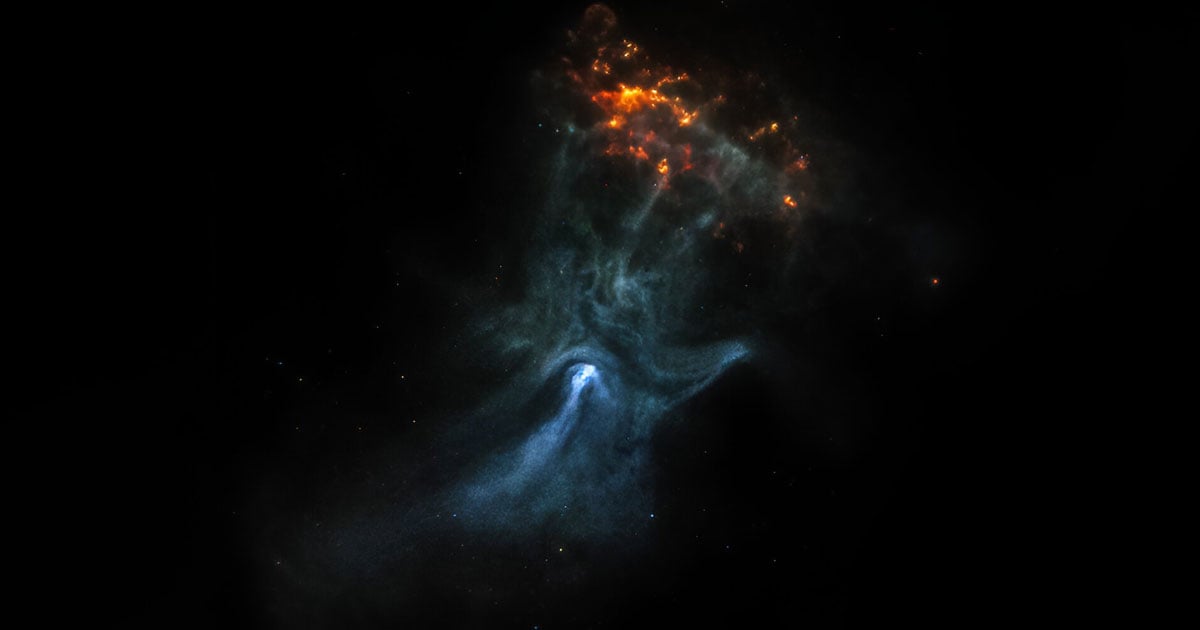
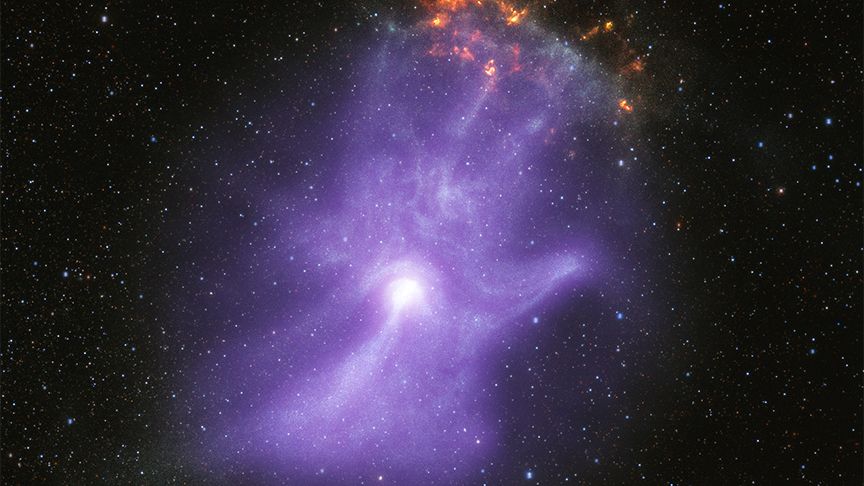
NASA's Imaging X-ray Polarimetry Explorer (IXPE) has captured an eerie image of a pulsar wind nebula resembling a ghostly skeleton hand floating in space, located 16,000 light-years away from Earth. The X-ray observation provides insights into the interaction between magnetic fields in pulsar wind nebulas and their surroundings, revealing the life history of energetic matter and antimatter particles around the pulsar. This Halloween-worthy image showcases the fascinating and spooky wonders of the universe.

science-and-astronomy2 years ago

NASA's X-Ray Telescopes Unveil the Haunting 'Ghostly Cosmic Hand'

NASA's X-ray space telescope has captured an eerie image of a stellar explosion known as MSH 15-52, which resembles a skeleton hand in deep space. The explosion left behind a pulsar, a fast-spinning, superdense stellar corpse that emits powerful jets of charged particles and intense wind, creating a pulsar wind nebula. Using NASA's Imaging X-ray Polarimetry Explorer (IXPE), scientists observed MSH 15-52 and discovered new details about its magnetic field and X-ray jets. The high polarization in certain regions of the nebula suggests little turbulence, while complex, turbulent regions give particles an "energy boost." The findings shed light on the life history of energetic matter and antimatter particles around pulsars.

science2 years ago

Japan's XRISM Telescope and SLIM Moon Lander Set for Launch

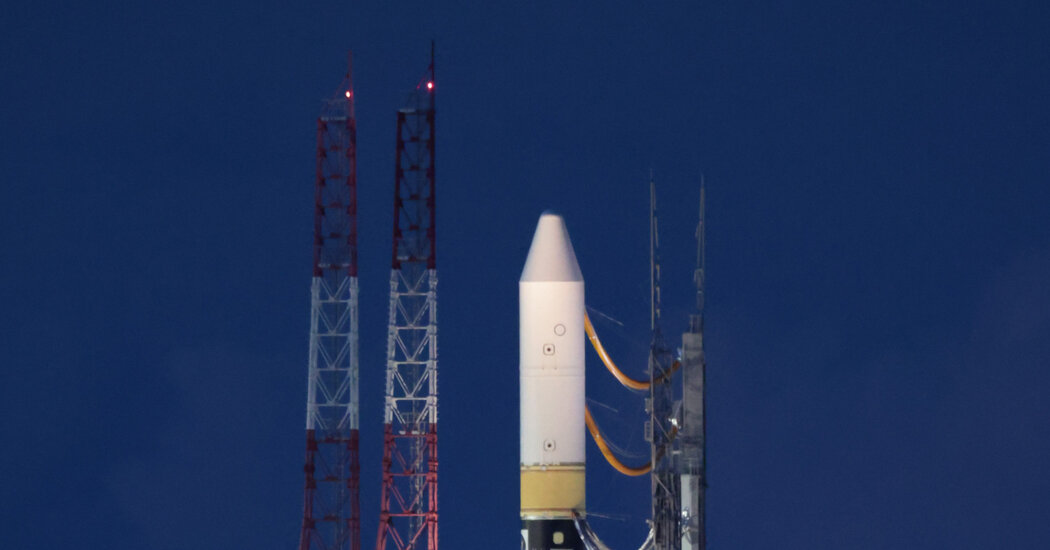
The launch of Japan's X-ray telescope, XRISM, and experimental moon lander, SLIM, has been postponed due to poor weather conditions. XRISM, a collaboration between JAXA, NASA, and the European Space Agency, will study cosmic X-rays to gather information on celestial objects' motion and chemistry. SLIM, a compact robotic moon lander, aims to demonstrate pinpoint navigation for future spacecraft landings. XRISM will be placed in orbit around 350 miles above Earth, while SLIM will take a roundabout journey of at least four months before attempting to land near the Shioli crater on the moon's near side.

astronomy2 years ago

Uncovering the Complexity of Galactic Bubbles

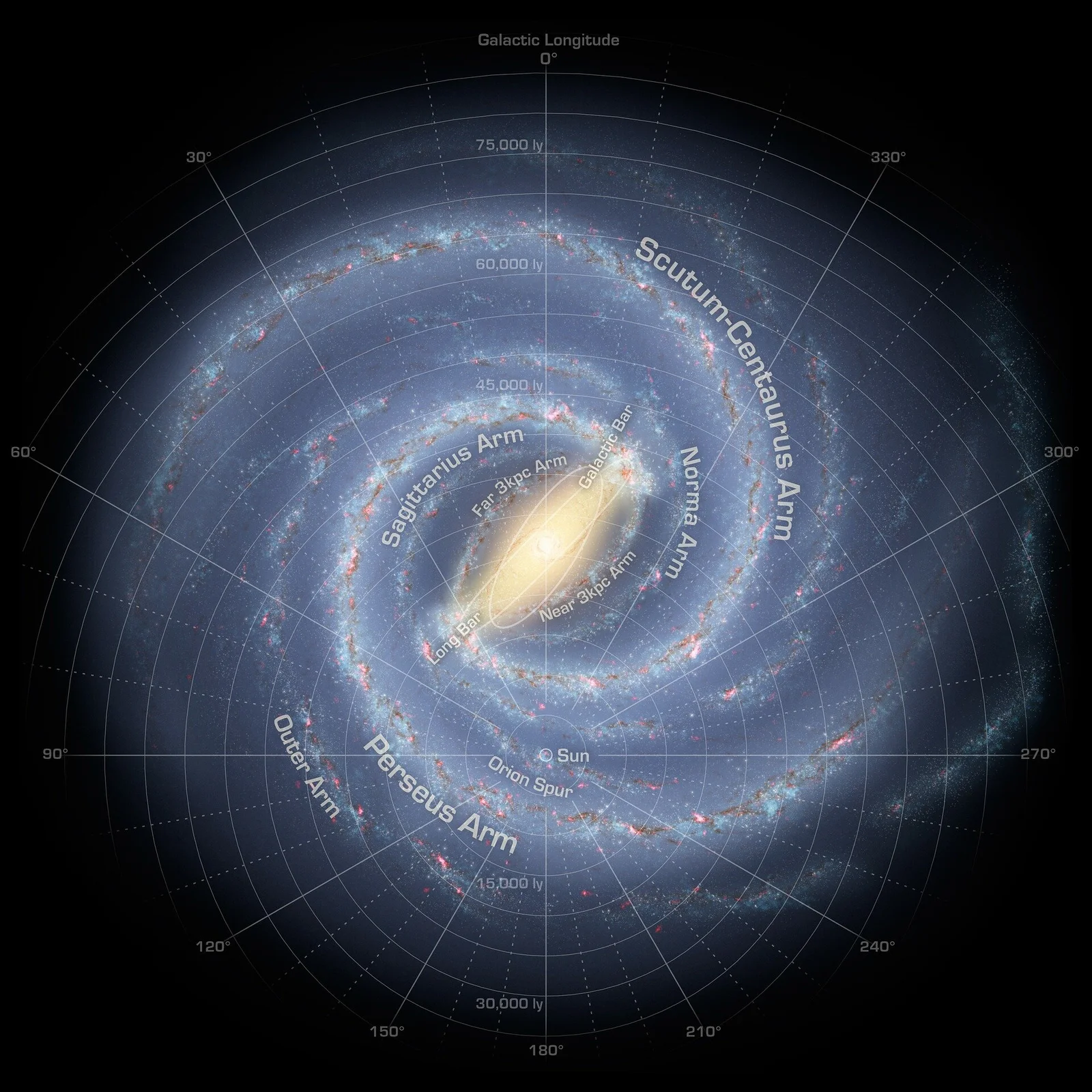
The eRosita X-ray telescope has revealed that the shells of the giant bubbles of high-energy gas that extend far above and below the Milky Way galaxy's center, known as "eRosita bubbles," are more complex than previously thought. These bubbles are larger and more energetic than their counterparts, the Fermi bubbles, and provide an exciting opportunity to study star formation history as well as reveal new clues about how the Milky Way came to be. The temperature of the gas within the bubbles isn't significantly different from the area outside of it, and the bubbles are so bright because they're filled with extremely dense gas, not because they are at hotter temperatures than the surrounding environment.

astronomy2 years ago

How Space Winds Impact Galaxy Evolution

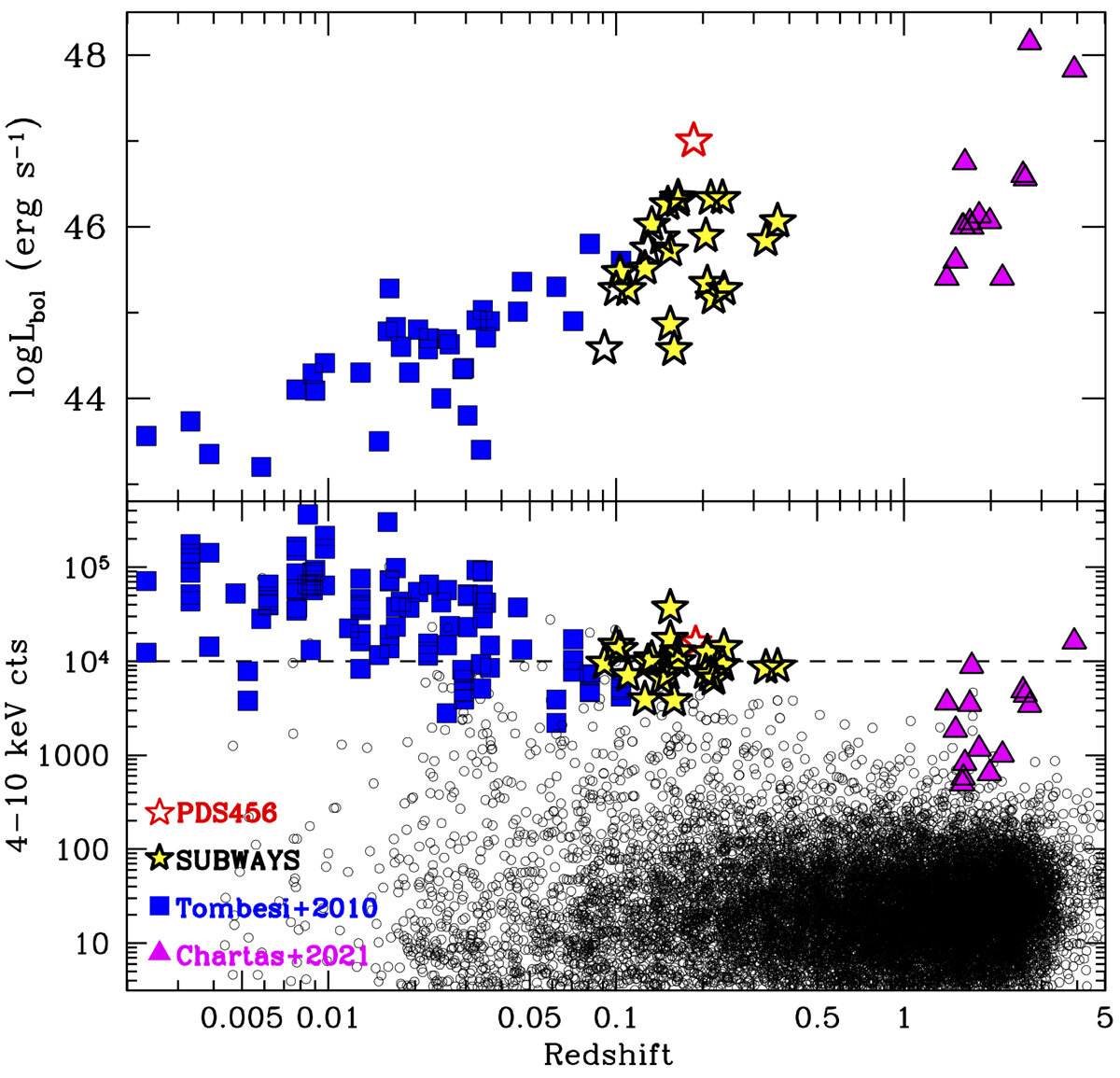
An international research team has analyzed ultra-fast outflows (UFOs) from active galactic nuclei (AGN) using ESA's XMM-Newton space telescope. They found that about 30% of the AGN analyzed had space winds traveling at speeds between 10% and 30% of the speed of light. These emissions are crucial to understanding the mechanisms regulating the behavior of supermassive black holes in their active phase and their role in shaping the evolution process of galaxies.

astronomy2 years ago

Uniform Distribution of Dark Energy and Detecting Dark Photons with Telescopes

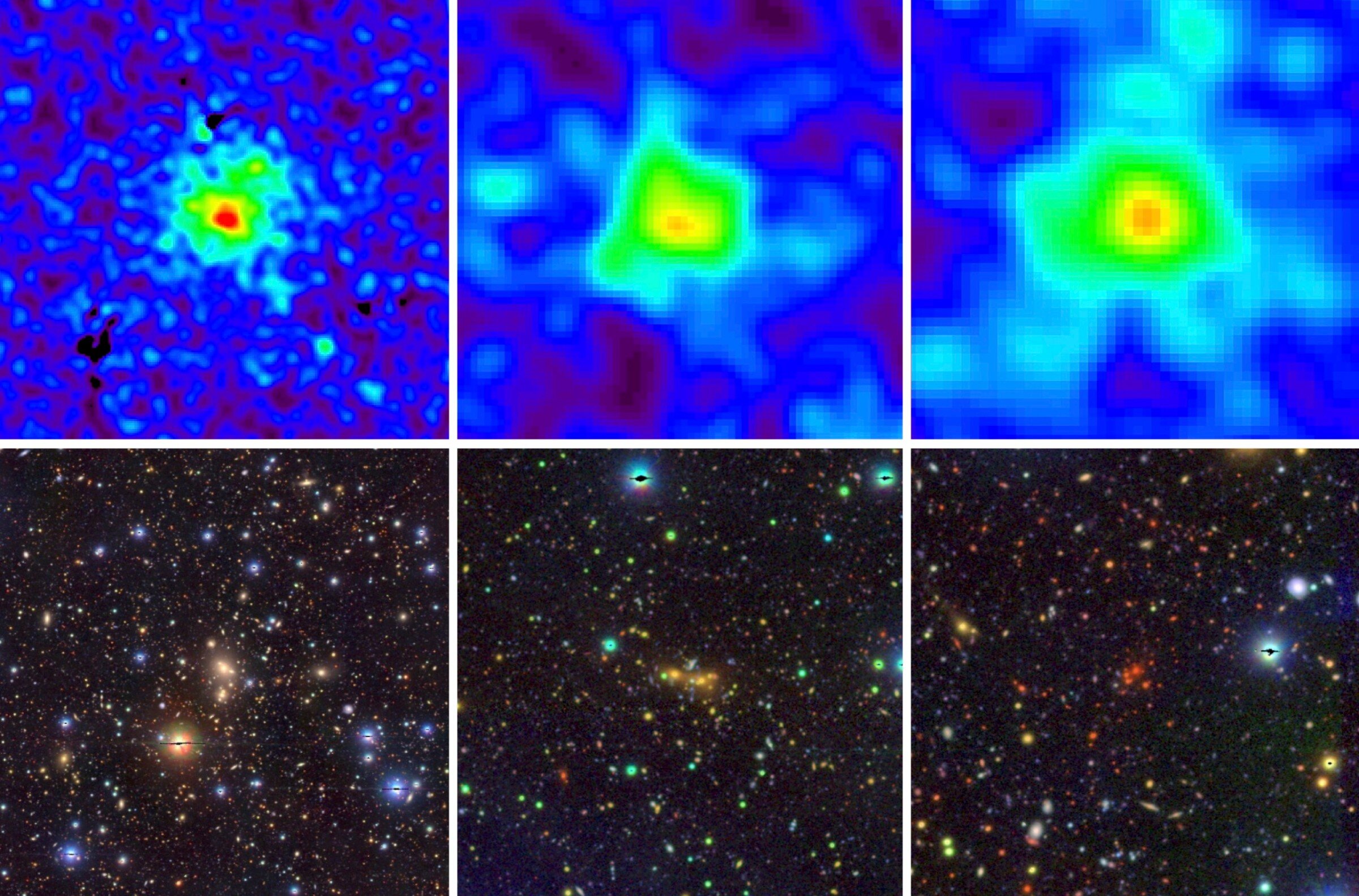
A study using the eROSITA X-ray telescope has found that dark energy, which causes the accelerating expansion of the universe, is uniformly distributed in space and constant in time. The study used data from the eFEDS survey, which found about 500 low-mass galaxy clusters, and optical data from the Hyper Suprime-Cam Subaru Strategic Program. The results suggest that dark energy makes up around 76% of total energy density in the universe and can be described by a simple constant, known as the cosmological constant.

science-and-astronomy2 years ago

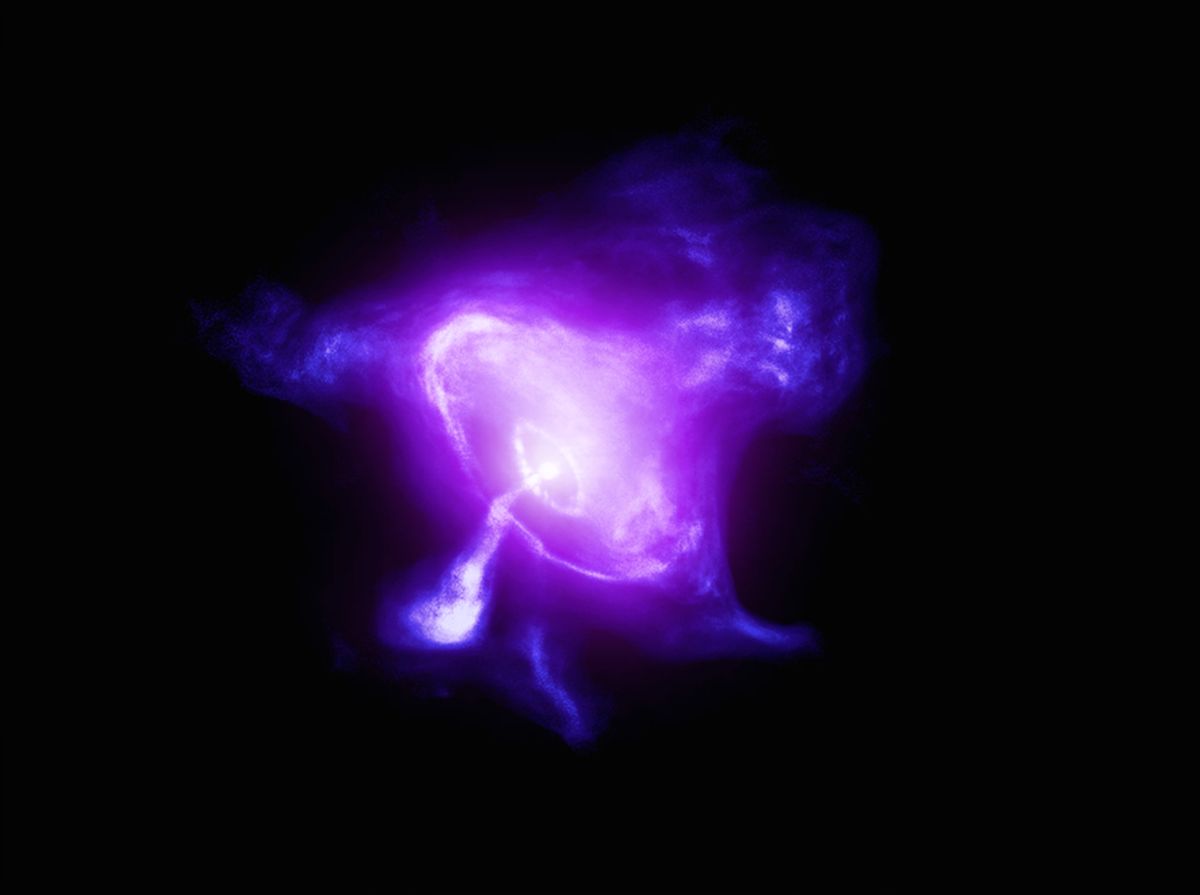
NASA's IXPE captures stunning new image of the Crab Nebula.

NASA's Imaging X-ray Polarimetry Explorer (IXPE) spacecraft has mapped the magnetic field of the Crab Nebula in greater detail than ever before, revealing unexpected patches and asymmetrical areas of turbulence. The Crab Nebula is the remnant of a massive supernova explosion that occurred in the year 1054 and left behind a dense object called the Crab Pulsar. The IXPE space telescope is designed to examine the polarization of cosmic X-rays, and by measuring the polarization of X-rays from the Crab Nebula, the researchers were able to map the direction of the magnetic field in different parts of the nebula.

astronomy2 years ago

Unprecedented Gamma Ray Burst Baffles Astronomers.

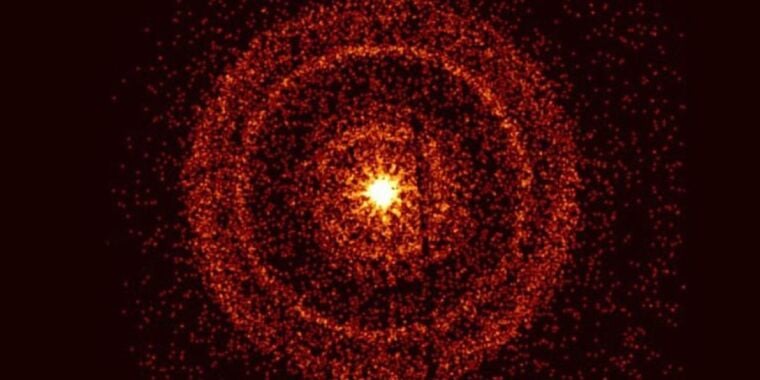
The brightest gamma-ray burst ever recorded, dubbed the BOAT, was likely the "birth cry" of a new black hole. However, follow-up observations have yielded surprising results that contradict current models of gamma-ray bursts. There is no evidence of an associated supernova, and radio data from the afterglow doesn't match predictions. Astronomers also detected rare extended rings of X-ray light echoes from the initial blast in distant dust clouds. The findings may lead to a significant overhaul of our current understanding of gamma-ray bursts.

astronomy2 years ago

Lobster Eye Imager Revolutionizes Astronomy.

Chinese researchers have developed an x-ray telescope called the Lobster Eye Imager for Astronomy (LEIA) inspired by the unique structure of a lobster's eyes, which offers a wider field of view, enabling scientists to observe a greater area of the universe at any one time. The telescope has already captured high-quality images of a distant galaxy, revealing the presence of a supermassive black hole at its center. The researchers hope that their work will inspire further innovations in the field of x-ray astronomy, enabling us to learn even more about our cosmos.