Tag

Science And Astronomy

All articles tagged with #science and astronomy

science-and-astronomy1 year ago

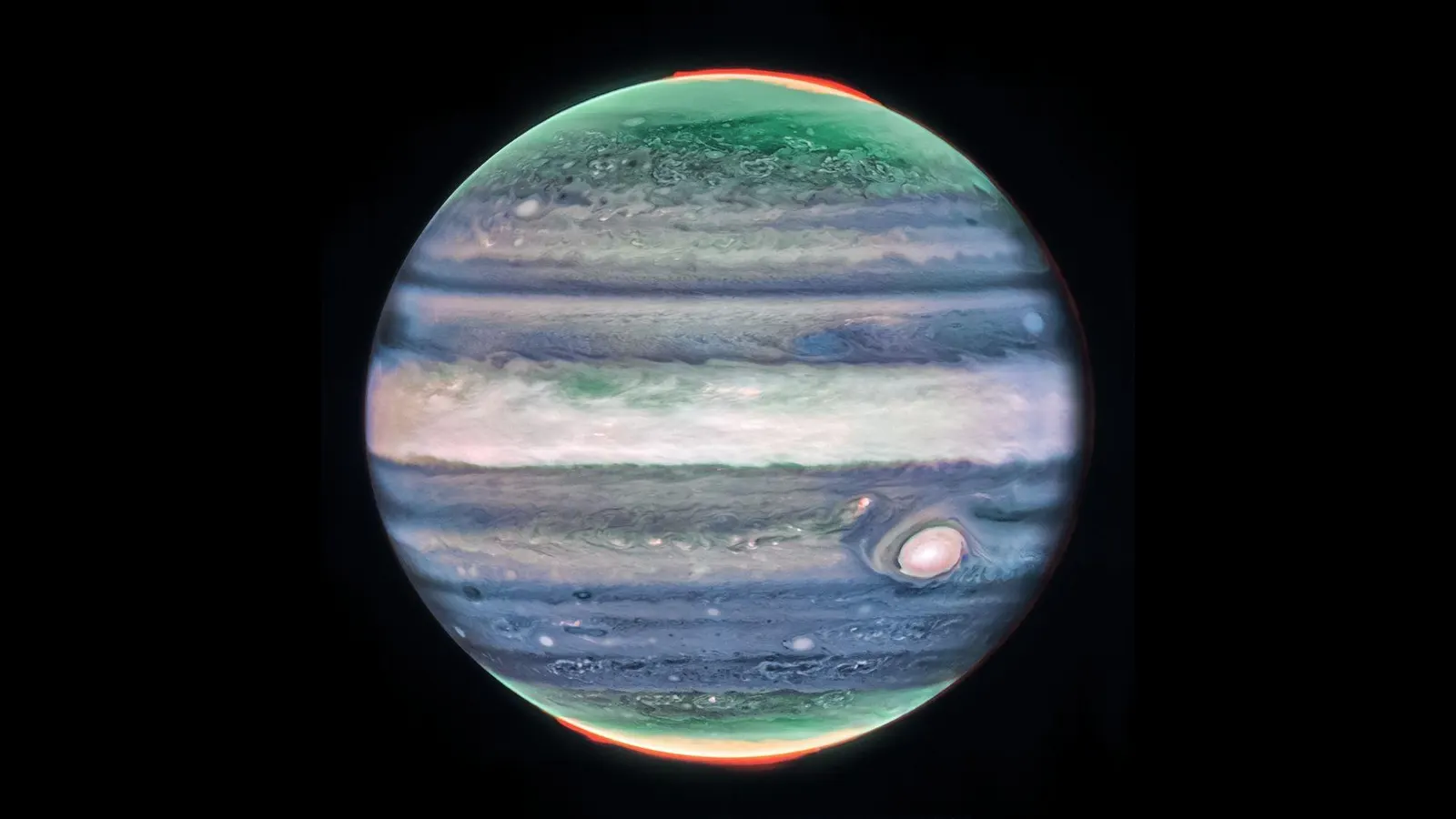
Jupiter Shines Brightest This Weekend: Don't Miss the 'Christmas Star'

Jupiter will be at its brightest and most visible from Earth on December 7, 2024, during its opposition, when Earth is directly between the sun and Jupiter. This event, occurring once every 13 months, offers the best opportunity to observe Jupiter with the naked eye, binoculars, or a telescope. The planet will be visible all night, rising in the southeast and setting in the west, and will be closest to Earth until 2026. Observers can see Jupiter's moons and cloud bands, and possibly its Great Red Spot, with the aid of a telescope.
science-and-astronomy1 year ago

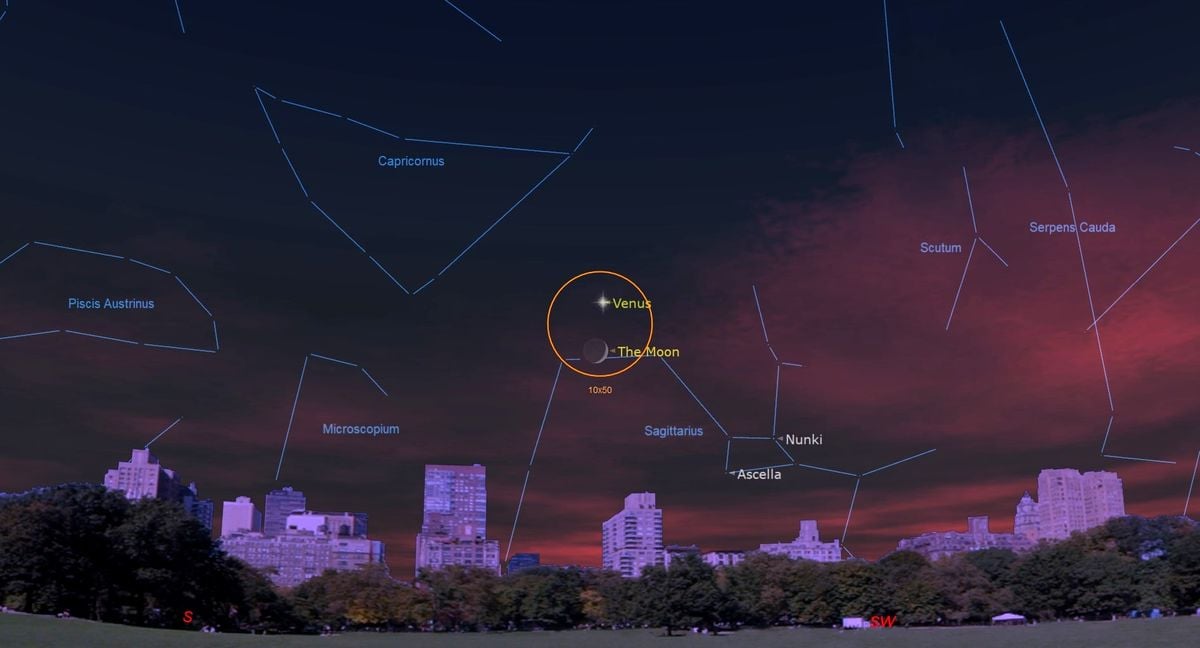
Crescent Moon and Venus Illuminate the Night Sky This Week

On Wednesday evening, skywatchers can enjoy a celestial event as the crescent moon and Venus, the two brightest objects in the night sky, appear close together. This alignment, visible in the south-southwest sky about 45 minutes after sunset, offers a striking view, with Venus appearing about 3 degrees above the moon. As Venus continues to climb higher in the sky through December and January, it will remain a prominent evening object, reaching its greatest eastern elongation on January 10.

science-and-astronomy1 year ago

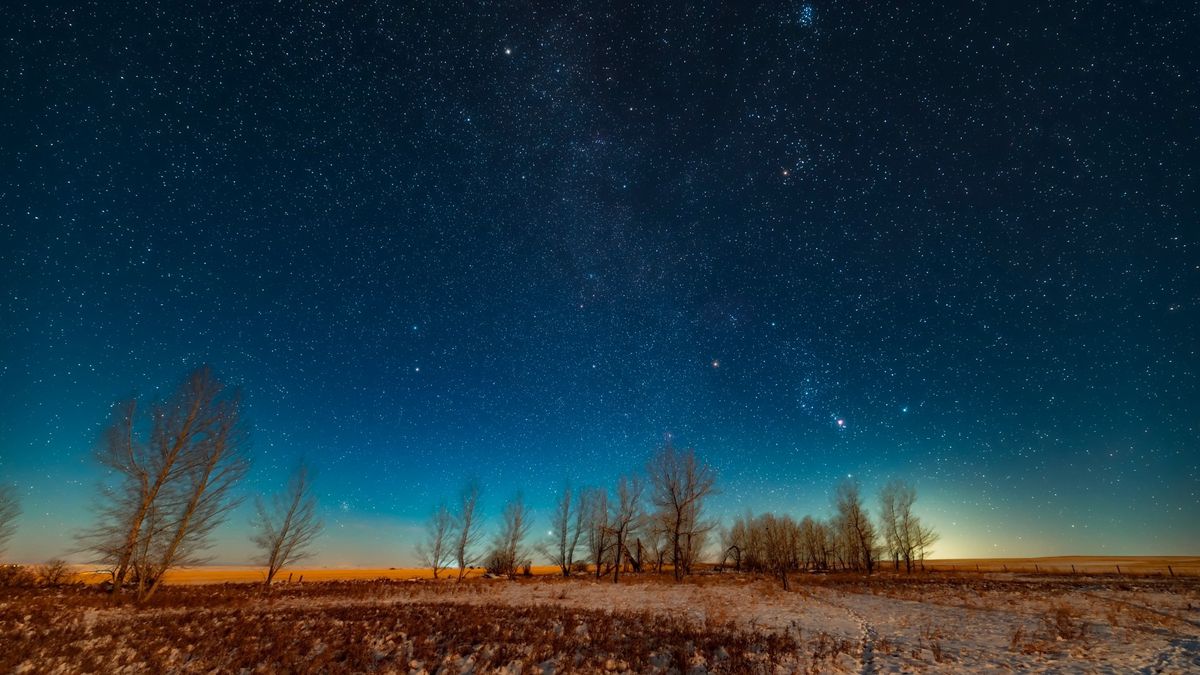
Celestial Trio Graces Thanksgiving 2024 Night Sky

This Thanksgiving, skywatchers can enjoy a celestial feast with Venus, Jupiter, and Saturn visible in the evening sky. Venus shines brightly in the southwest, while Saturn and Jupiter offer stunning views through telescopes, with Jupiter's Galilean moons visible. The night sky also features autumn constellations like the Summer Triangle and the Great Square of Pegasus. Observers can reflect on the historical journey of starlight, with some stars' light beginning its journey around the time of the first Thanksgiving in 1621.

science-and-astronomy1 year ago

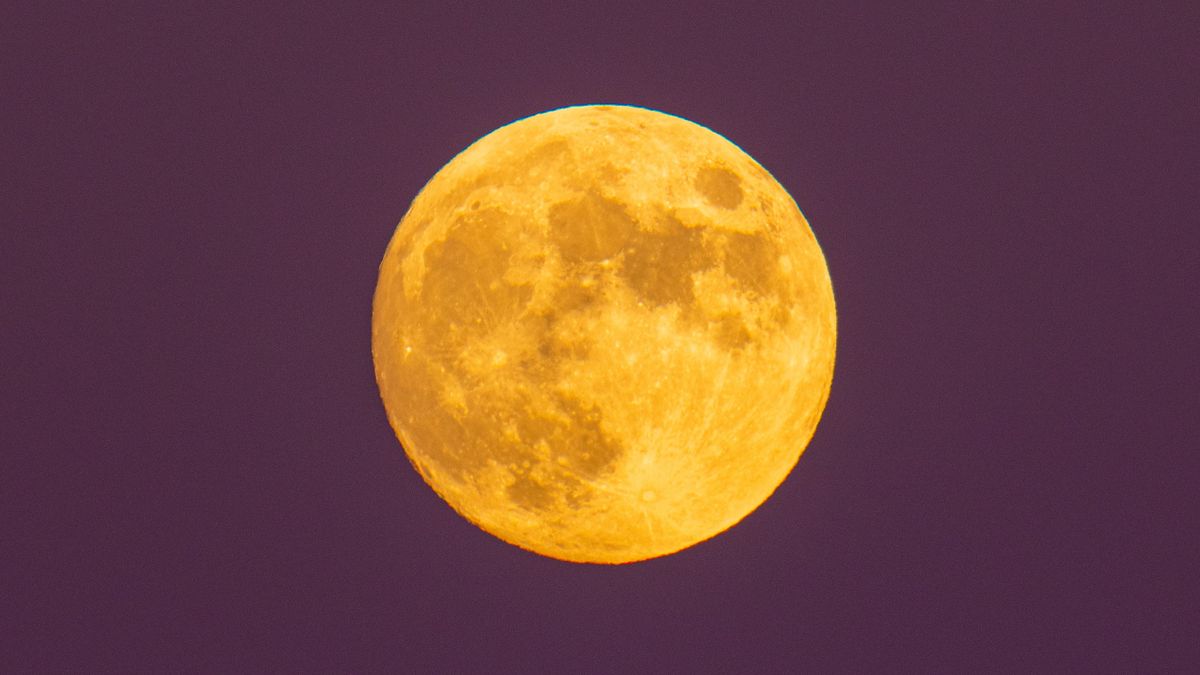
Catch 2024's Last Supermoon: The Beaver Moon Rises This Week

The final supermoon of 2024, known as the Beaver Moon, will be fully illuminated on November 15, but the best viewing time in North America is at moonrise on November 16. This supermoon will appear near the Pleiades star cluster, offering a spectacular sight. The Beaver Moon is named for the time when beavers build their winter dams, and it is the last of four supermoons in 2024. Observers can enhance their experience with binoculars or telescopes to see more lunar details.

science-and-astronomy1 year ago

"Delta Aquariids 2024: Prime July Meteor Shower Viewing"

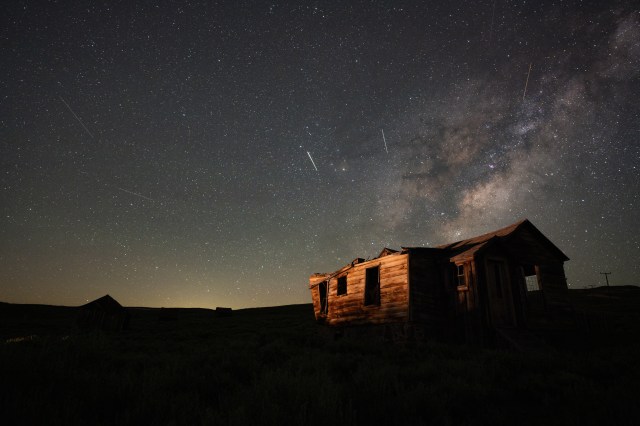
The Delta Aquariid meteor shower will peak on the night of July 29-30, 2024, offering ideal conditions for viewing due to the moon's phase. Active from July 18 to August 21, the shower's broad peak allows for several nights of optimal viewing. The Delta Aquariids, best seen from the Southern Hemisphere, will coincide with the Perseid meteor shower, making late July and early August a prime time for stargazing.

science-and-astronomy1 year ago

"Rare Star Explosion to Illuminate Skies Worldwide"

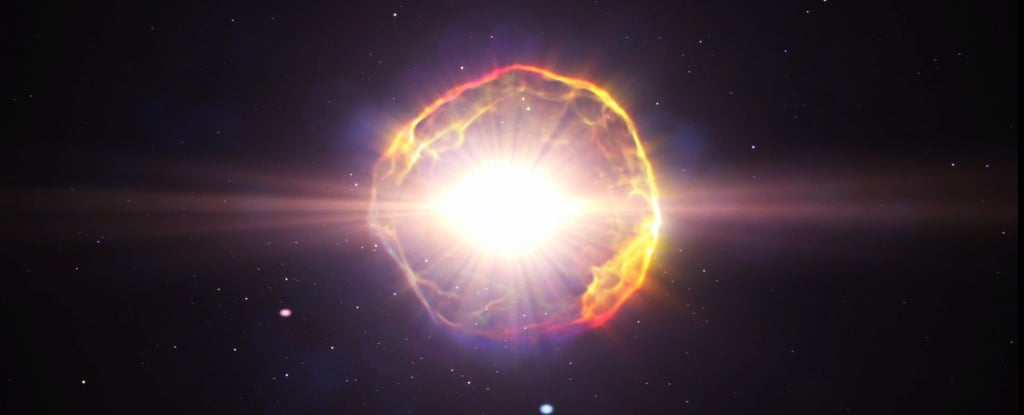
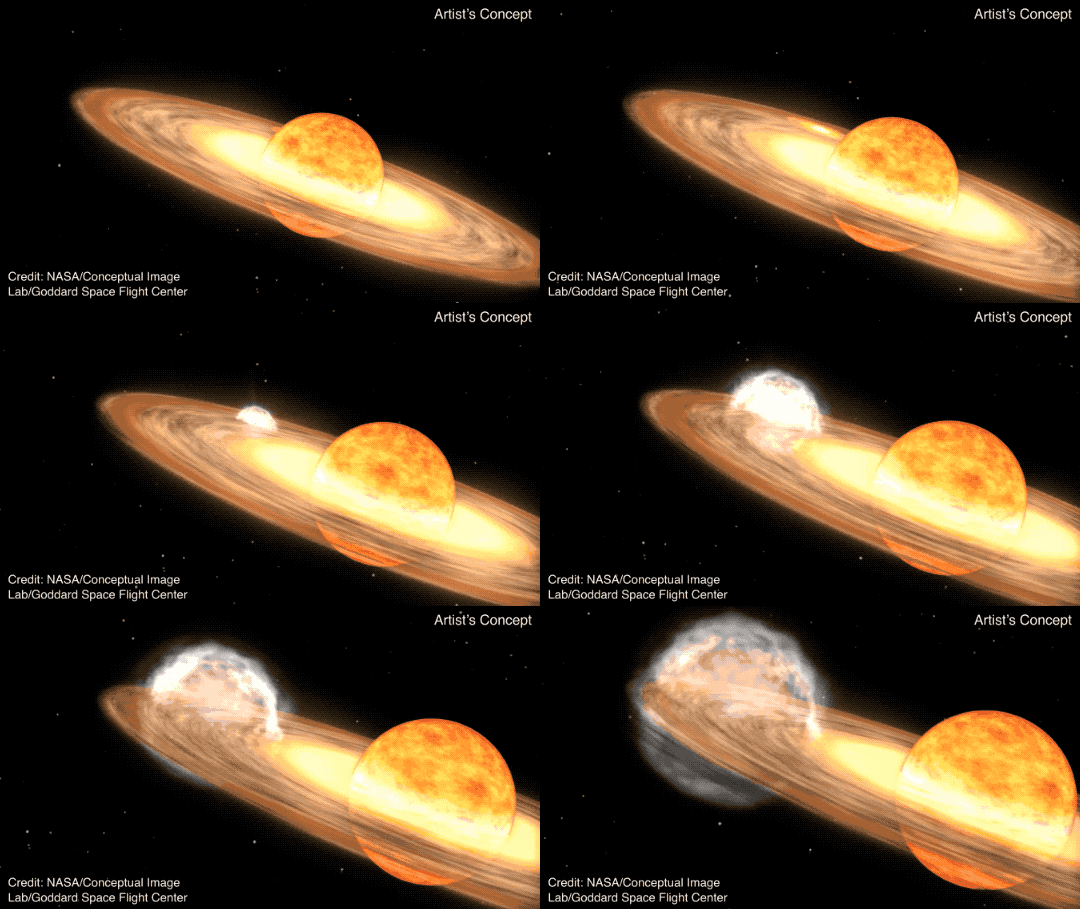
The star T Coronae Borealis, located in the constellation of the northern crown, is expected to erupt in a rare nova event, becoming visible in the night sky for a brief period. This recurrent nova, which erupts approximately every 80 years, will shine 1,500 times brighter than usual before quickly fading. Astronomers have predicted this event based on historical patterns and recent observations, making it a unique opportunity for stargazers.

science-and-astronomy1 year ago

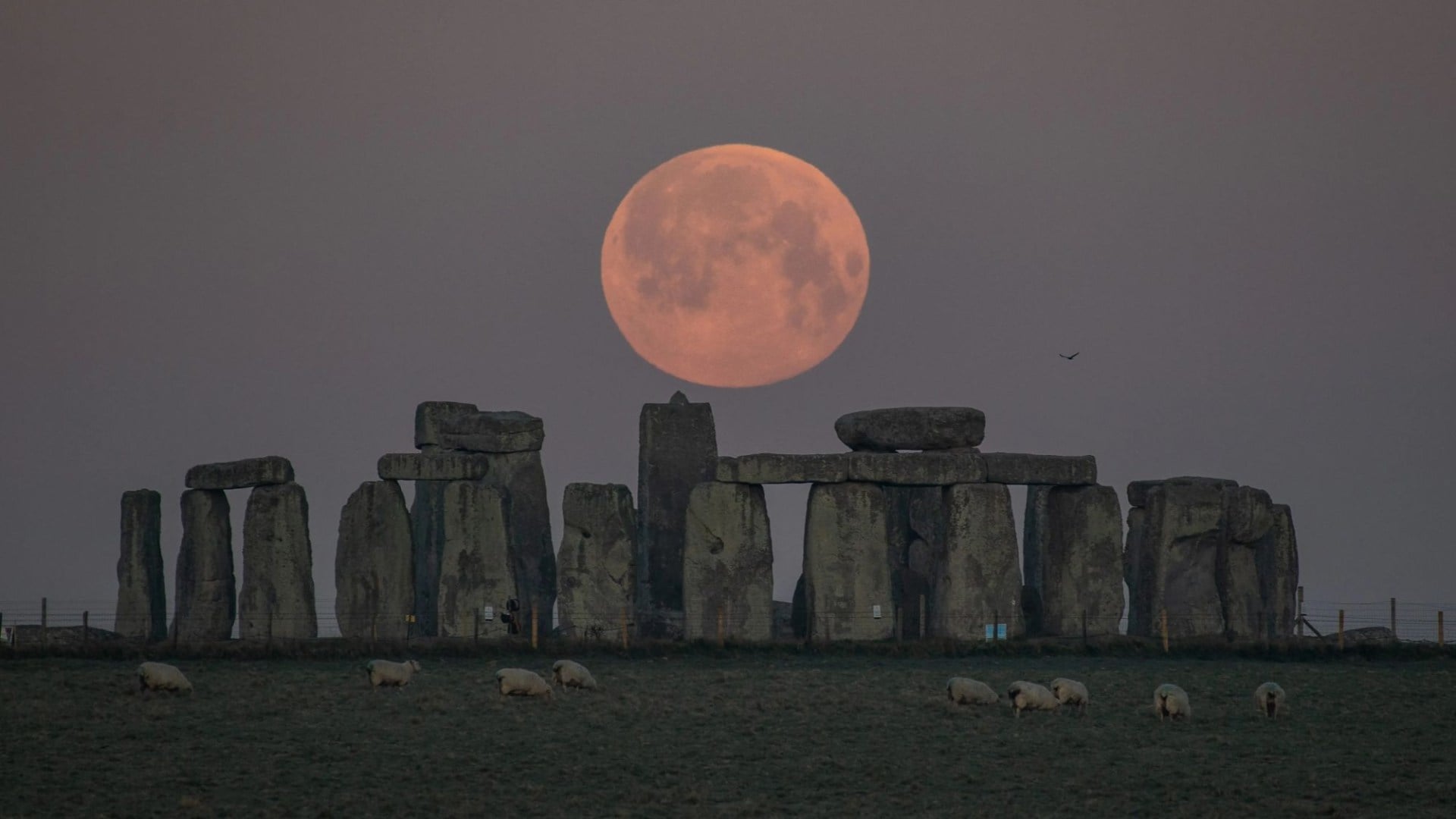
"Rare Lunar Standstill to Illuminate Stonehenge This Week"

A rare "major lunar standstill," occurring once every 18.6 years, will be visible tonight, offering stunning lunar views as the moon rises and sets at its most extreme points. This phenomenon, influenced by the moon's orbital tilt, will last around two years, peaking in late 2024 to early 2025. Researchers are particularly interested in observing the moon's alignment with Stonehenge during this period.

science-and-astronomy1 year ago

"How to Witness the 'Once in a Lifetime' Blaze Star Nova"

The Blaze Star, or T Coronae Borealis, a recurrent nova located 3,000 light-years away, is expected to brighten significantly and become visible to the naked eye between now and September 2024. This binary star system, consisting of a red giant and a white dwarf, follows an 80-year cycle of explosions, with the last visible outburst occurring in 1946. The star can be found in the Corona Borealis constellation, and its brightness will peak for several days, making it observable without telescopes.

science-and-astronomy1 year ago

"Stunning Planetary Parade Captured in Rare Alignment"

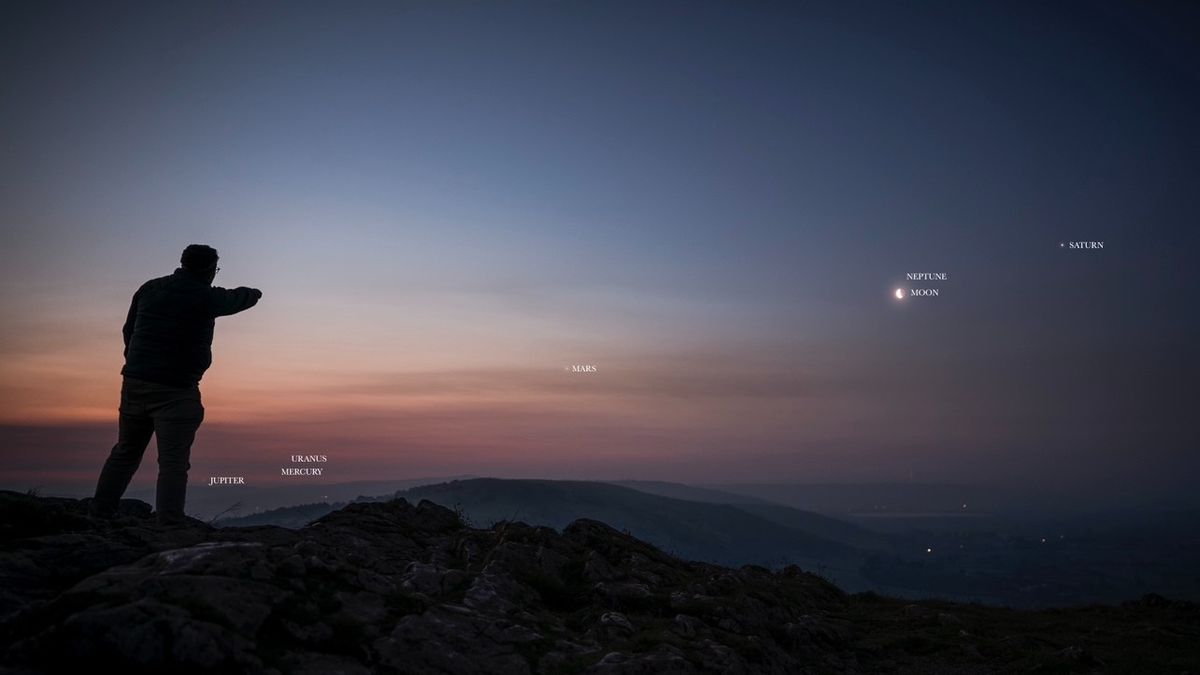
Astrophotographer Josh Dury captured a rare "parade of planets" on June 1, showing six planets—Mercury, Mars, Jupiter, Saturn, Uranus, and Neptune—aligned in the predawn sky over The Mendip Hills in the U.K. The stunning image, created using composite long exposures, also features a crescent moon and highlights the vast distances between the planets despite their apparent proximity from Earth's perspective.

science-and-astronomy1 year ago

Six-Planet Parade to Grace Morning Sky on June 3

NASA and Astronomers Without Borders advise stargazers to wait until June 29 for a better view of the planetary parade, as the alignment on June 3 will be obscured by the sun's light. Jupiter, Mercury, and Uranus will be too close to the horizon and difficult to see. The end of June will offer a clearer view of six planets, including Jupiter, Uranus, Mars, Neptune, and Saturn, along with the moon.

science-and-astronomy1 year ago

"Rare Six-Planet Alignment to Grace Morning Sky on June 3rd"

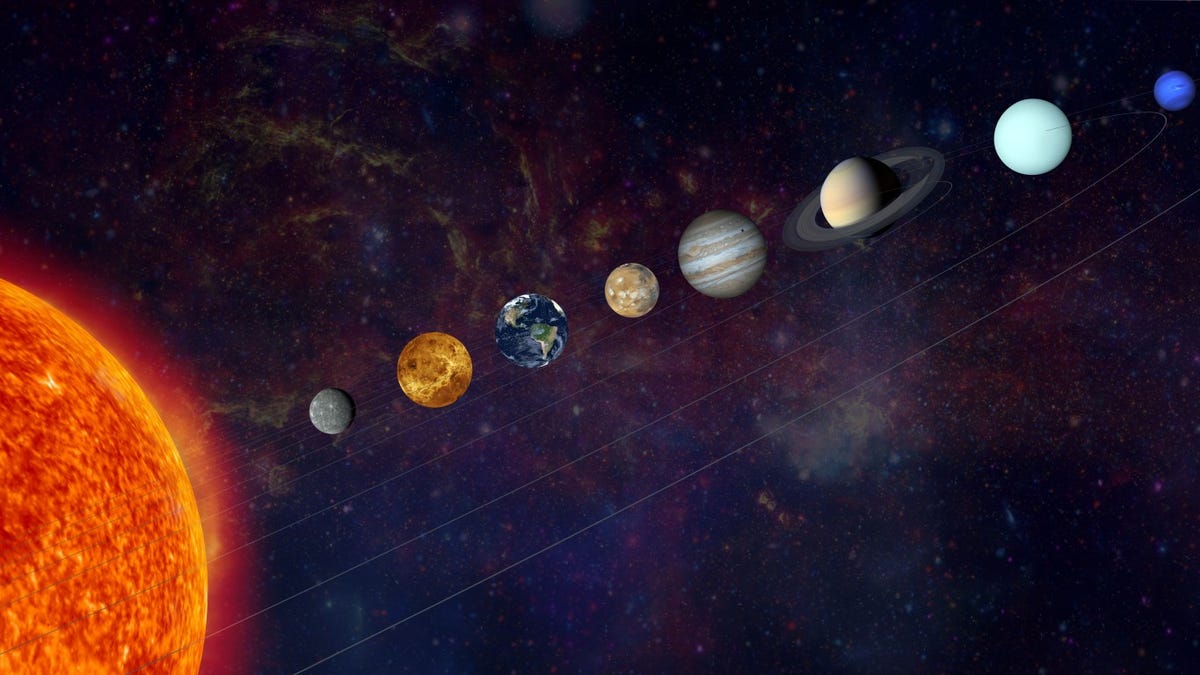
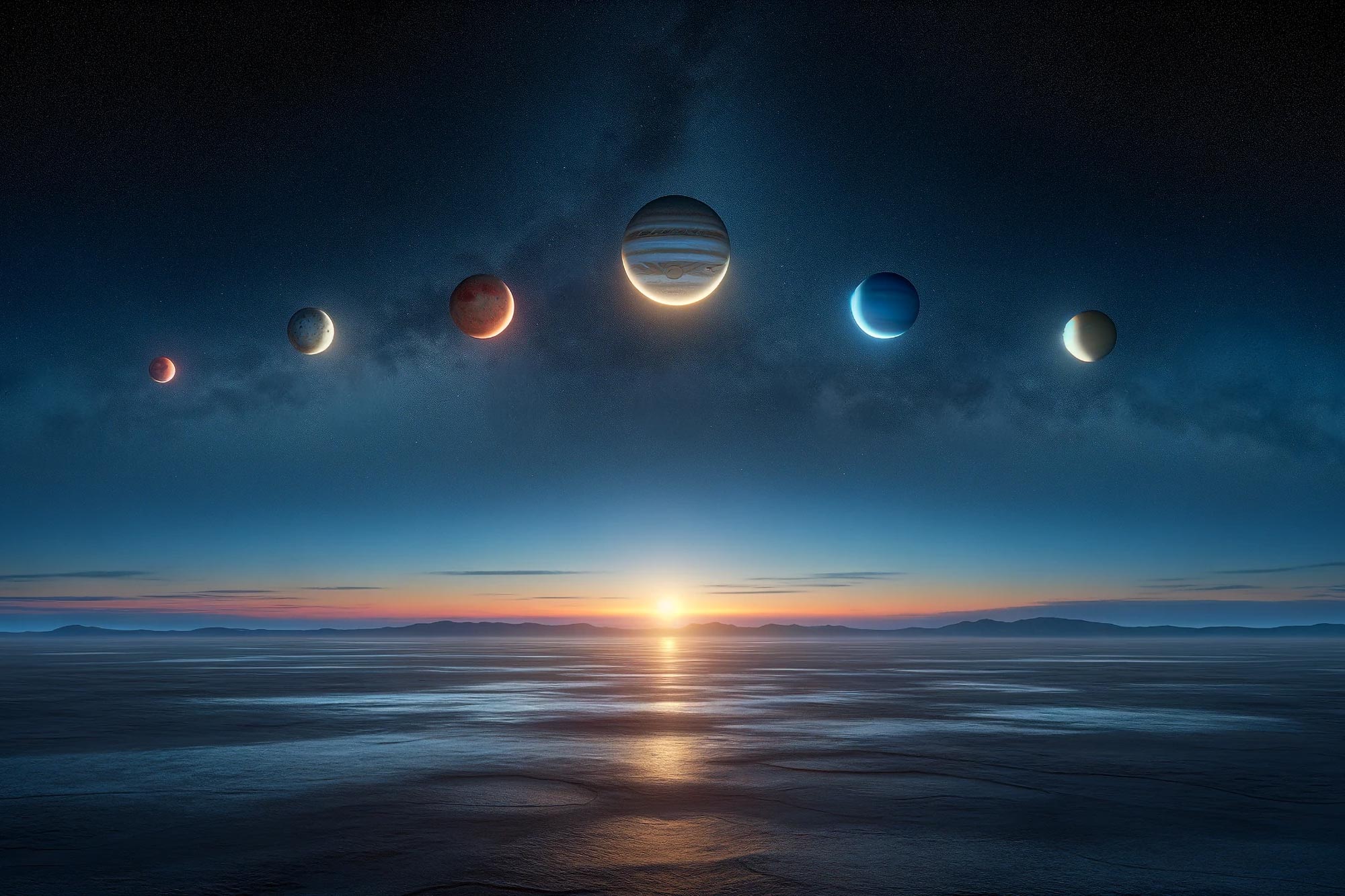
On June 3, a rare alignment of six planets—Mercury, Mars, Jupiter, Saturn, Uranus, and Neptune—will be visible shortly before sunrise from dark, elevated locations with minimal light pollution. While Mars and Saturn can be seen with the naked eye, optical aids like telescopes or high-powered binoculars are needed to view Uranus and Neptune. This uncommon event offers a captivating sight for stargazers, weather permitting.

science-and-astronomy1 year ago

"Six-Planet Alignment to Dazzle Skywatchers on June 3rd"

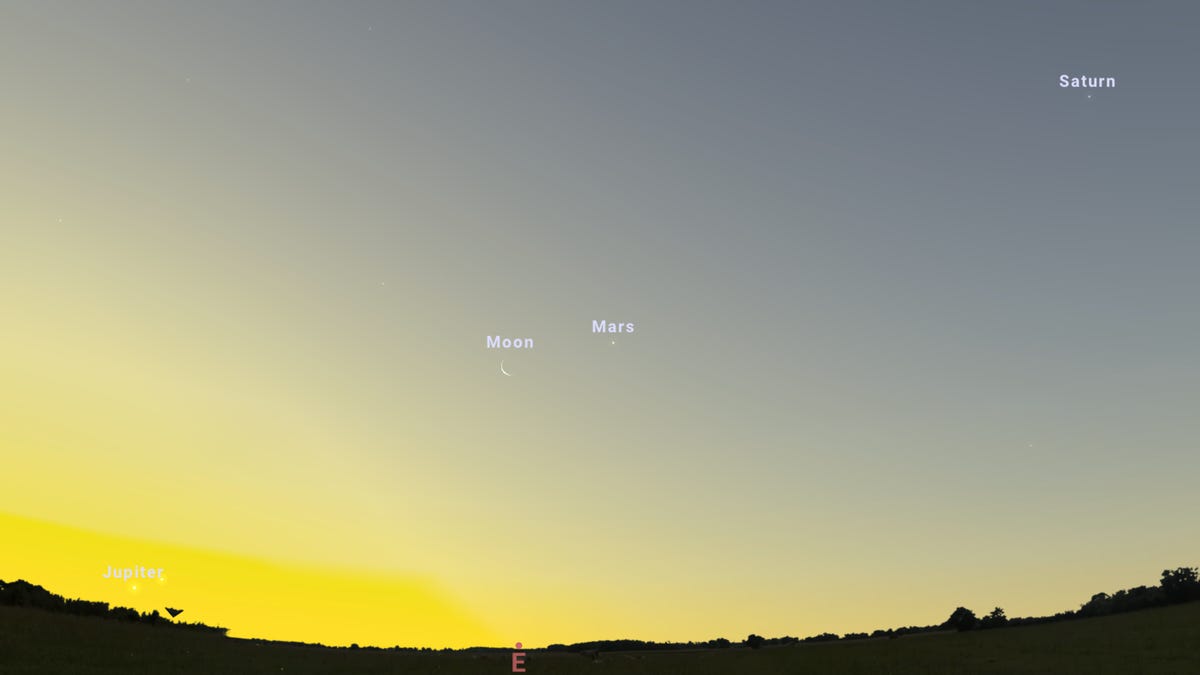
In June 2024, early morning skywatchers can observe Saturn, Mars, and later Jupiter, with notable events including Mars beneath the crescent Moon on June 2-3, and a close pairing of the Moon and Saturn on June 27. The "planet parade" on June 29 will feature Saturn, the Moon, Mars, and Jupiter lined up across the sky. Tips are provided for distinguishing planets from stars, satellites, and aircraft.

science-and-astronomy1 year ago

"Six-Planet Alignment to Grace Night Sky on June 3rd"

A "planetary parade" will see six planets align in the morning sky, with Mars, Saturn, and Jupiter visible to the naked eye. The best viewing time in Europe and North America is Sunday, half an hour before sunrise. Binoculars or a telescope can help spot Uranus and Neptune. This alignment is a common occurrence and not a true spatial alignment of planets.