Astronomers may have observed the first superkilonova, a hybrid explosion involving both a supernova and a kilonova, suggesting new insights into star death and heavy element formation, though confirmation is pending.
Astronomers may have observed a new type of astrophysical event called a superkilonova, where a star splits in half, leading to a double explosion involving neutron stars, based on observations of the event AT2025ulz, which showed signs of both supernova and kilonova phenomena.
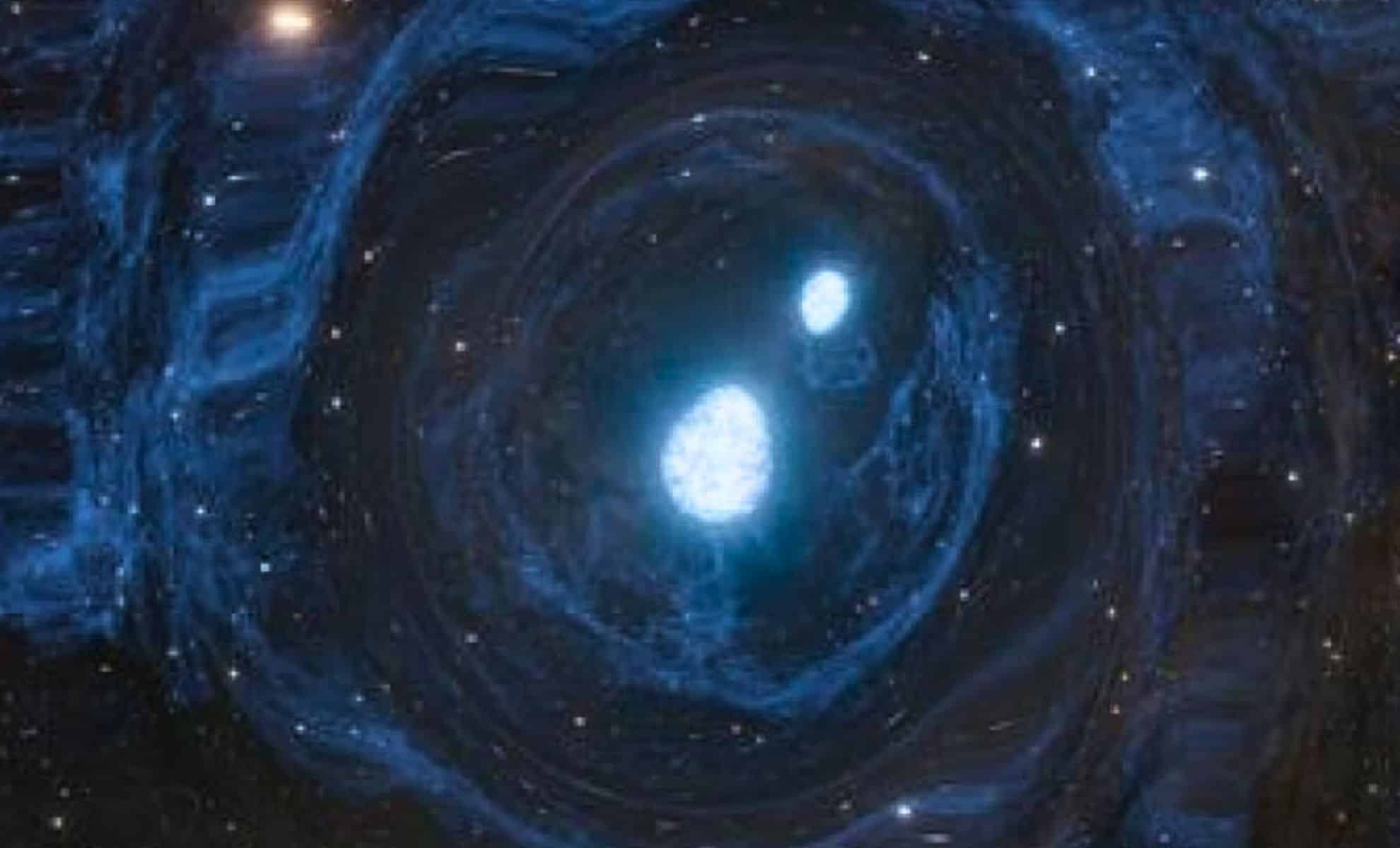
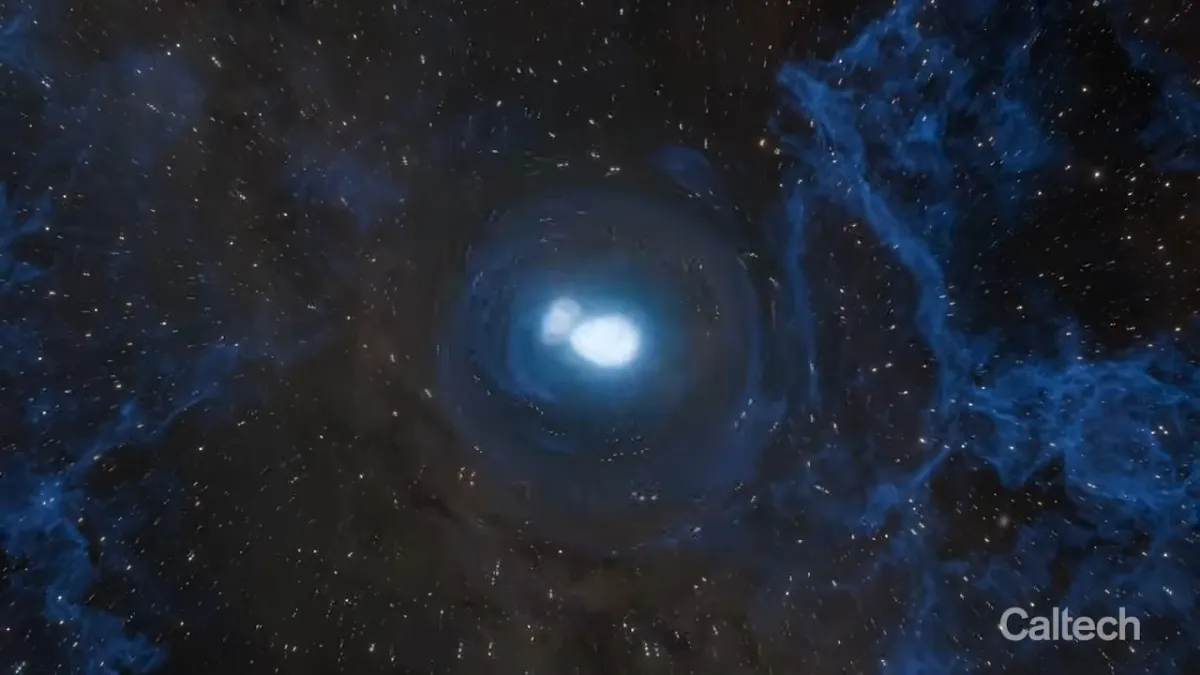
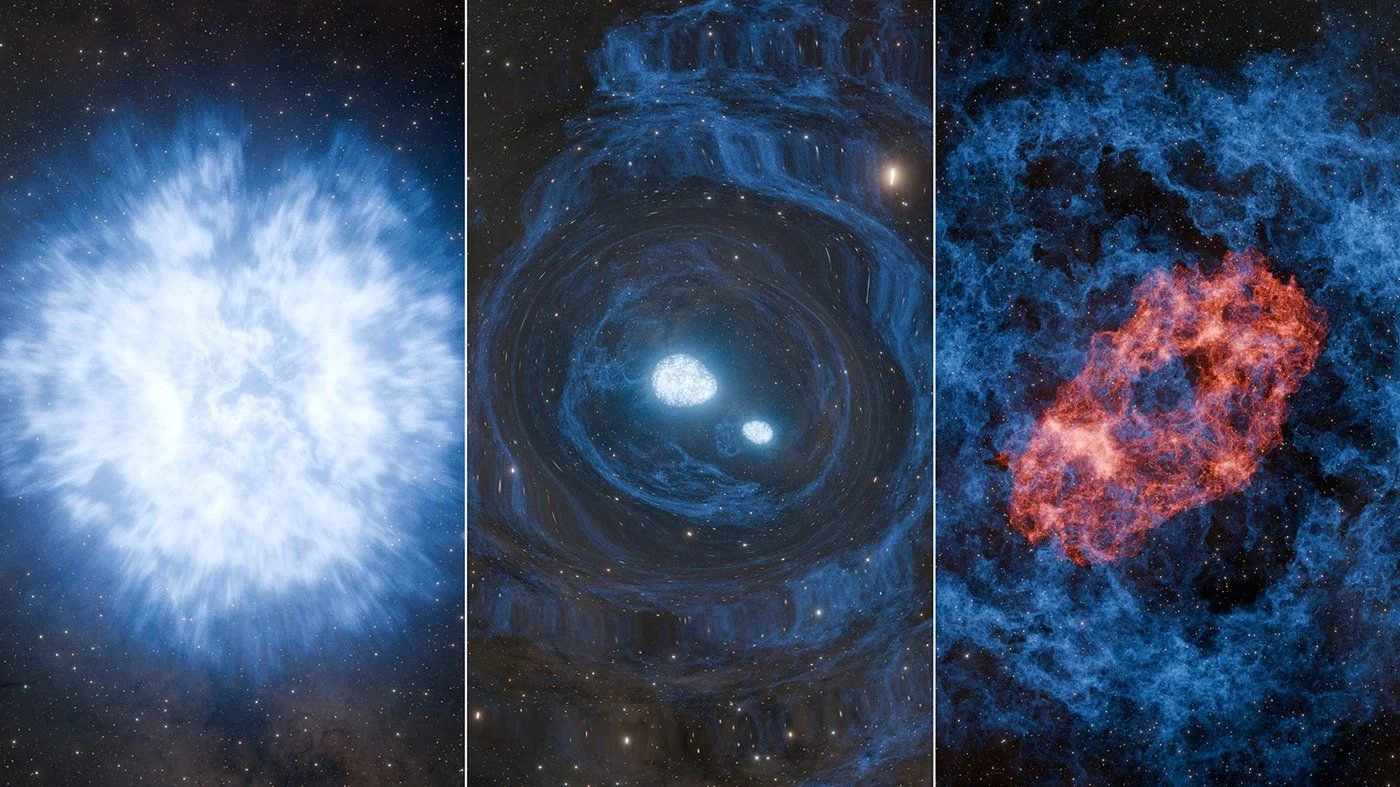
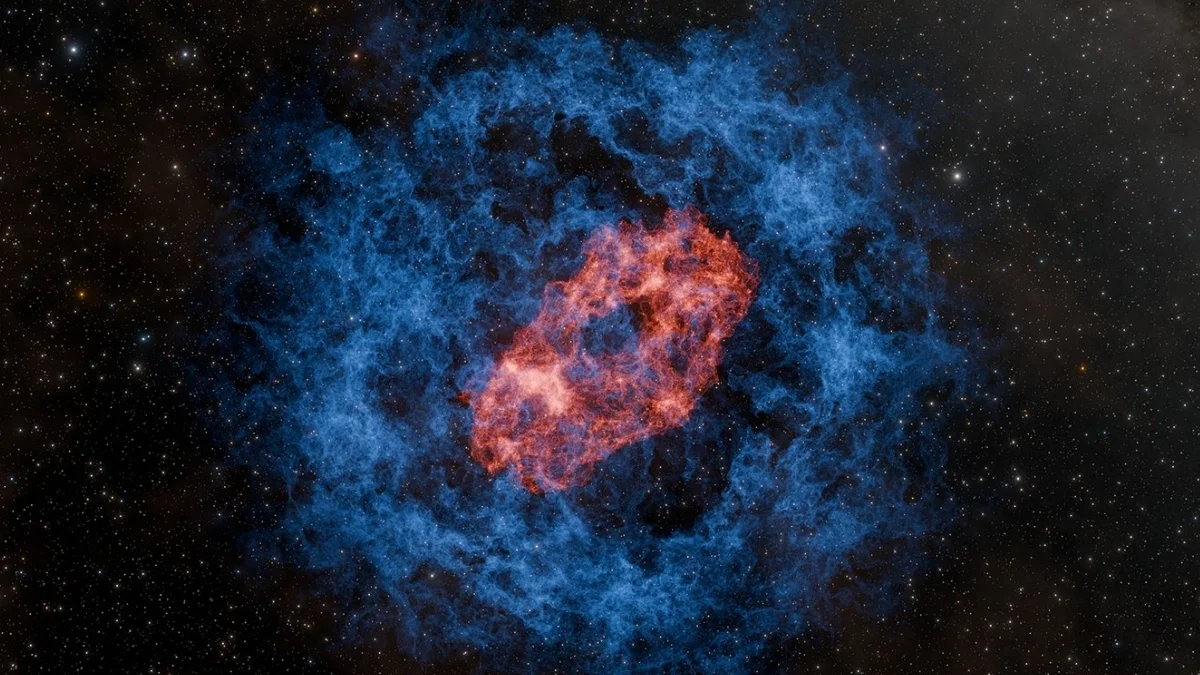
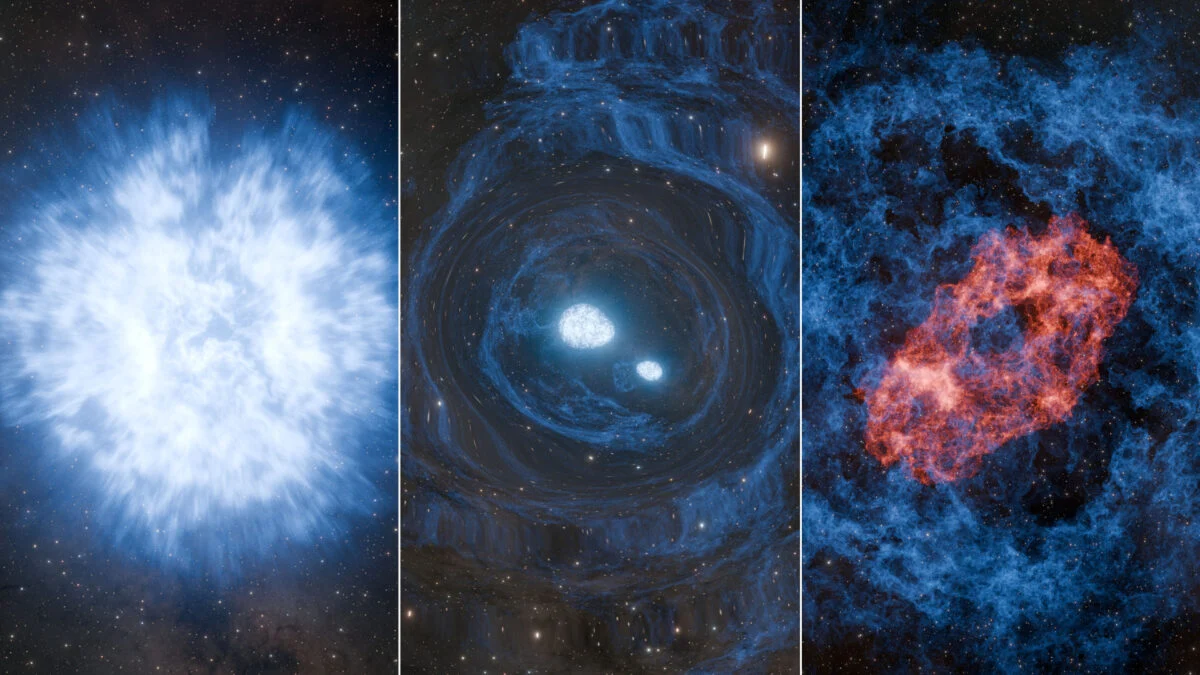
Scientists observed a unique cosmic event where a massive star first exploded as a supernova, then its core split into two neutron stars that collided, creating a hybrid 'superkilonova' explosion, challenging existing stellar physics and offering new insights into heavy element formation.
Caltech researchers may have discovered the first superkilonova, a rare event where a star explodes twice in different ways, involving the formation of low-mass neutron stars within a supernova, followed by their merger producing a kilonova, challenging previous understanding of stellar explosions.
Astronomers have observed a rare stellar explosion, dubbed AT2025ulz, which appears to be a 'superkilonova'—a complex event involving both a supernova and a kilonova, resulting from the birth and merger of two neutron stars, challenging existing theories and potentially marking only the second such detection.
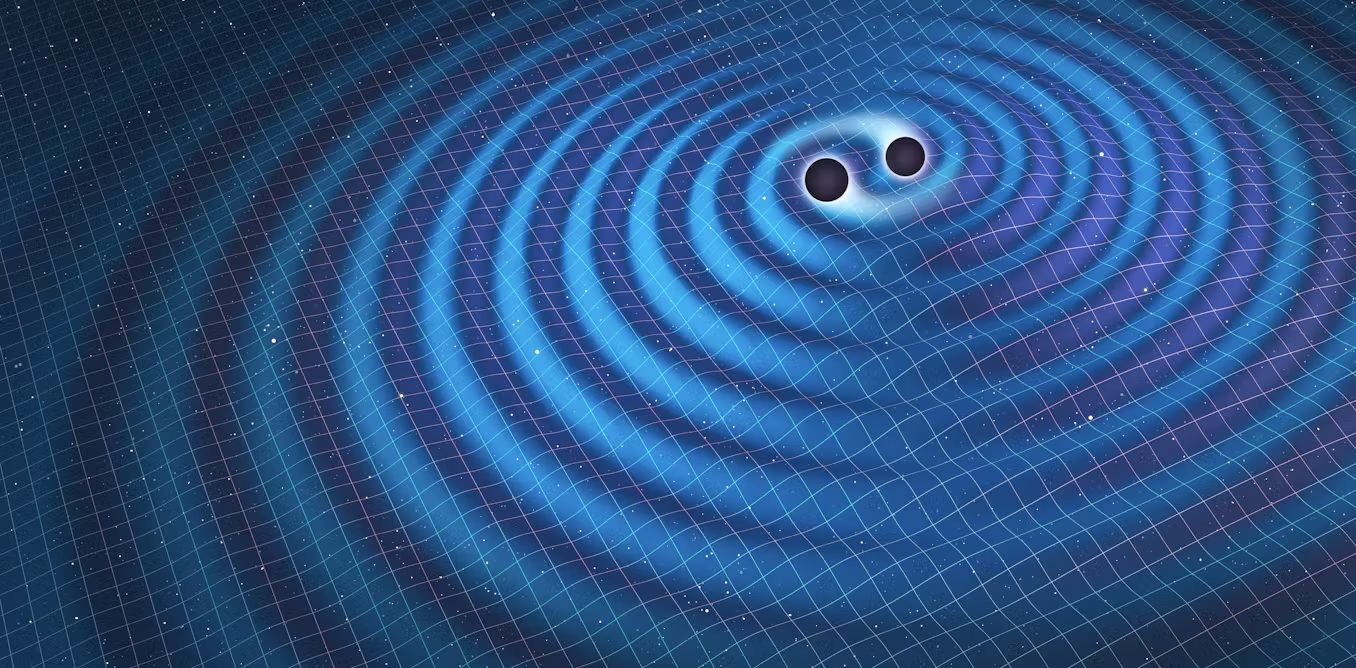
Astronomers may have detected the first superkilonova, a rare cosmic event involving the merger of two neutron stars, evidenced by a gravitational wave signal and unusual electromagnetic observations, suggesting a complex explosion that could involve sub-solar mass neutron stars. More data is needed to confirm this groundbreaking discovery.
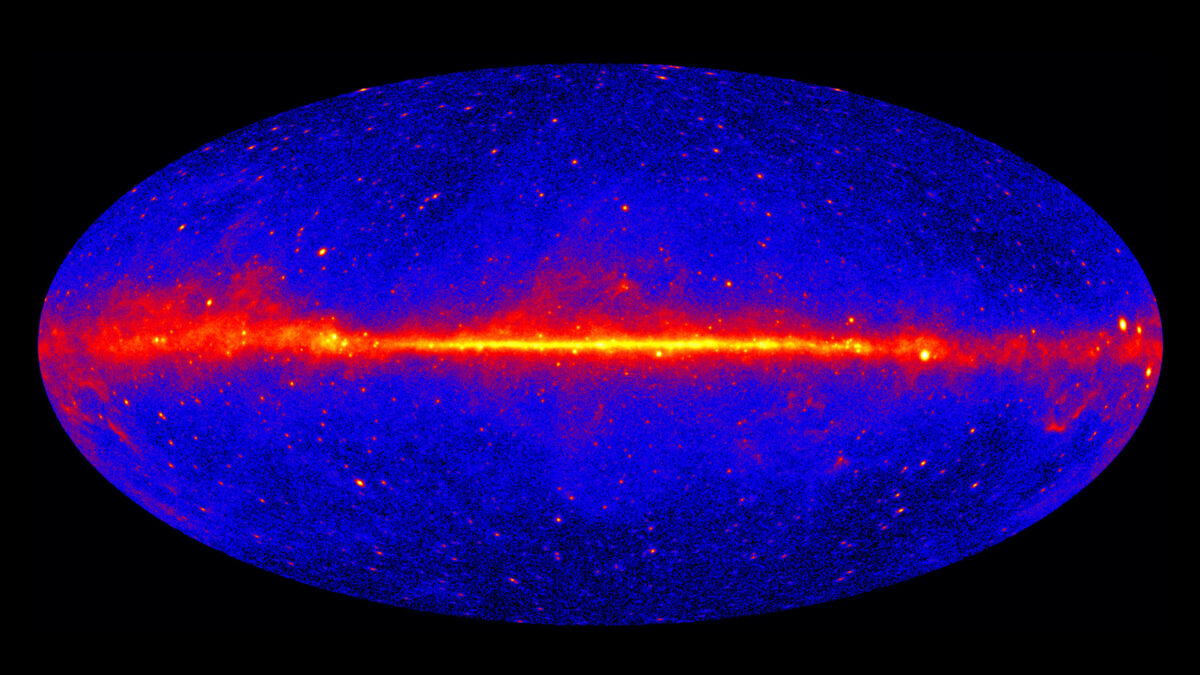
Scientists are investigating a mysterious gamma-ray glow near the center of the Milky Way, which could either be caused by neutron stars or potentially be the first evidence of dark matter particles colliding, though conclusive proof remains elusive and further observations are planned.
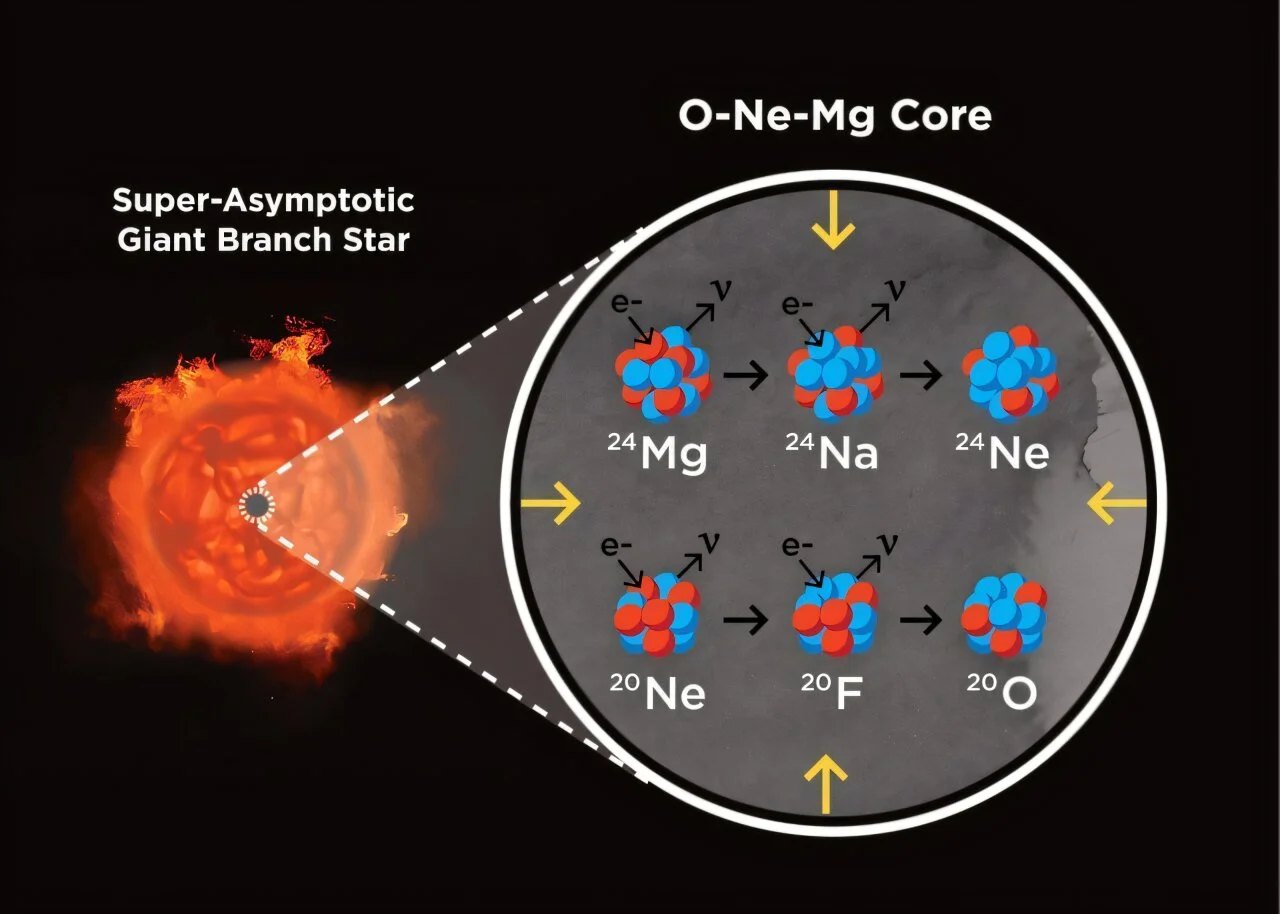
Researchers have developed a new model showing that dark matter, specifically asymmetric dark matter, can influence the collapse of stars in the 8-10 solar mass range, potentially leading to the formation of unusually low-mass neutron stars and affecting supernova energetics, offering new insights into dark matter's role in stellar processes.
Since their first detection in 2015, gravitational waves have revolutionized astrophysics by revealing dark objects like black holes and neutron stars, with recent discoveries including the most massive black hole merger and the clearest gravitational wave detection yet, promising a bright future for understanding the universe's dark side.
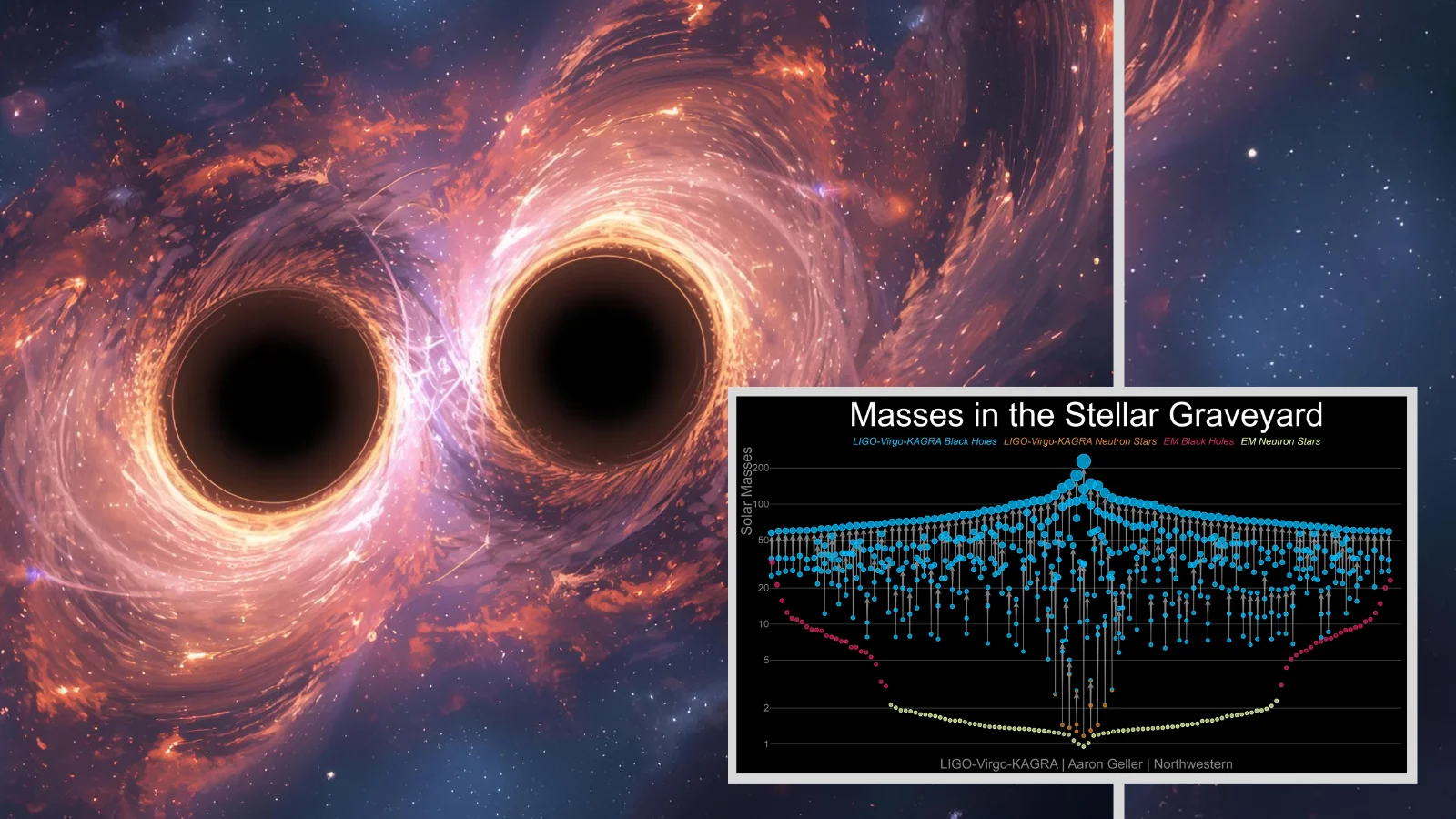
Using gravitational wave detectors LIGO, Virgo, and KAGRA, scientists have identified a 'stellar graveyard' filled with mergers of black holes and neutron stars, including the heaviest black holes observed to date, which enhances understanding of stellar evolution and the universe's expansion rate. The data also tests Einstein's theory of gravity and improves measurement of the Hubble Constant.
New research suggests collapsing stars could reveal hidden neutrino interactions, which may influence whether a star ends as a neutron star or black hole, with potential to test these theories through upcoming neutrino experiments and gravitational wave observations.
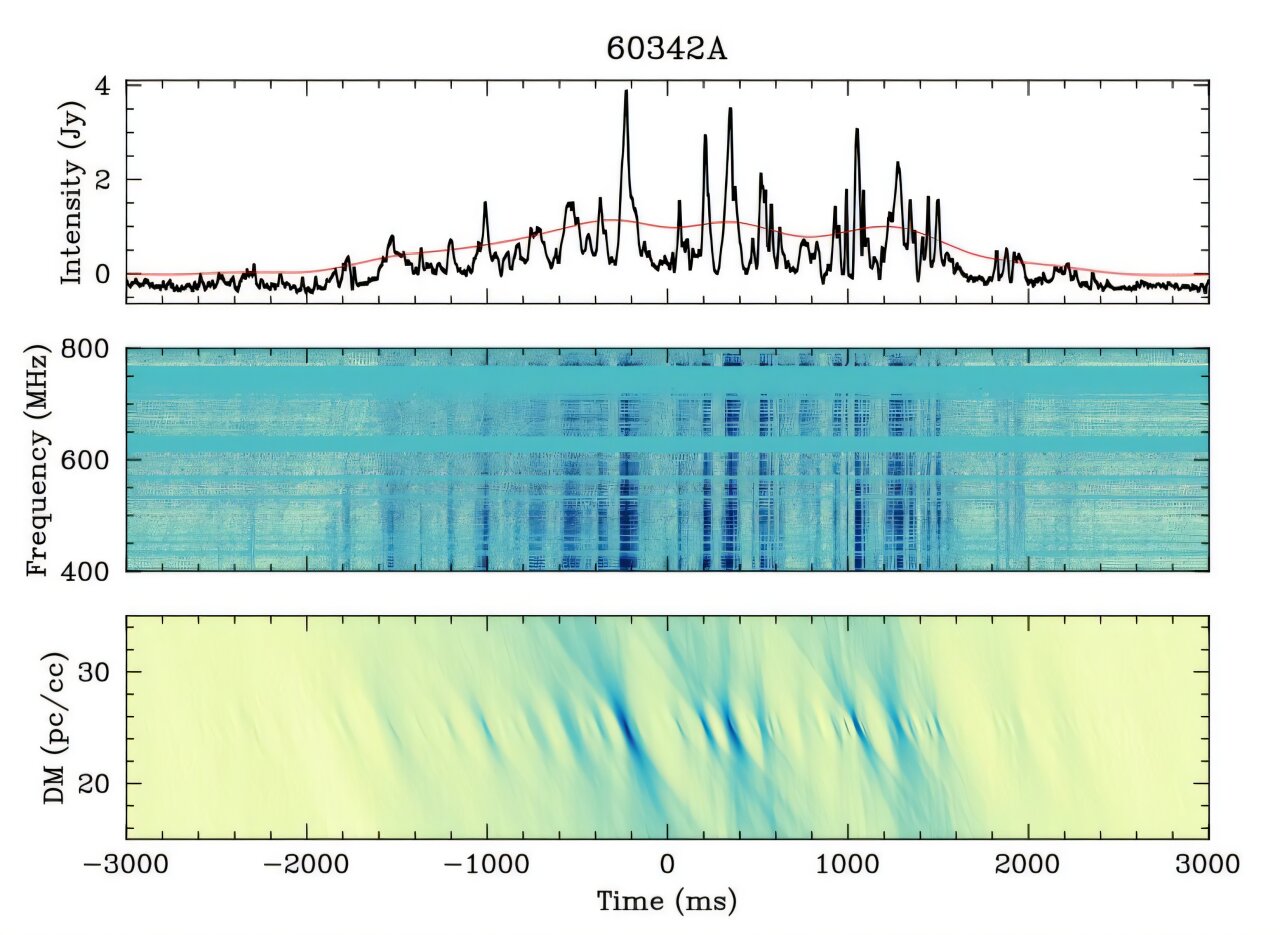
Scientists have discovered a unique Long Period Radio Transient, CHIME J1634+44, which challenges current understanding of neutron stars by exhibiting a spin-up behavior and unusual polarization, suggesting it may be part of a binary system and opening new avenues in astrophysics research.
Astronomers have discovered a new long-period radio transient, CHIME J1634+44, notable for its circular polarization and accelerating spin period, which may be linked to binary activity or gravitational waves, providing new insights into the nature of such transients.
A new study proposes that the most energetic cosmic rays are generated during the magnetic chaos of merging neutron stars just before they collapse into black holes, potentially explaining their extreme energies and linking them to gravitational wave events and neutrino bursts. This model offers a testable hypothesis that could unify observations of cosmic rays, gravitational waves, and neutrinos, advancing our understanding of high-energy astrophysical phenomena.
New research suggests the universe could end in about 10^78 years due to Hawking-like radiation, which is much sooner than previous estimates, with objects like white dwarfs, neutron stars, and even humans potentially evaporating over this timescale.