A study by the Chinese Academy of Sciences confirms impulsivity as a stable and measurable personality trait, identifying a general impulsivity factor, I, and developing the Adjustable Impulsivity Scale (AIMS) for precise measurement. This research enhances the understanding and measurement of impulsivity, showing it as a valid and predictive psychological construct.
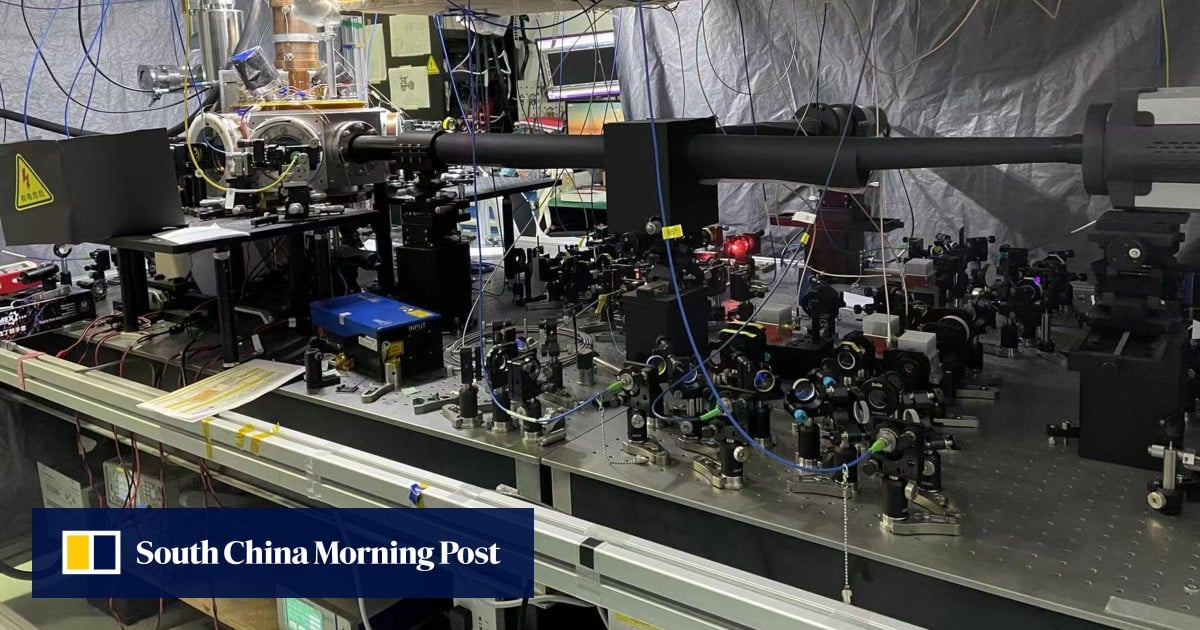
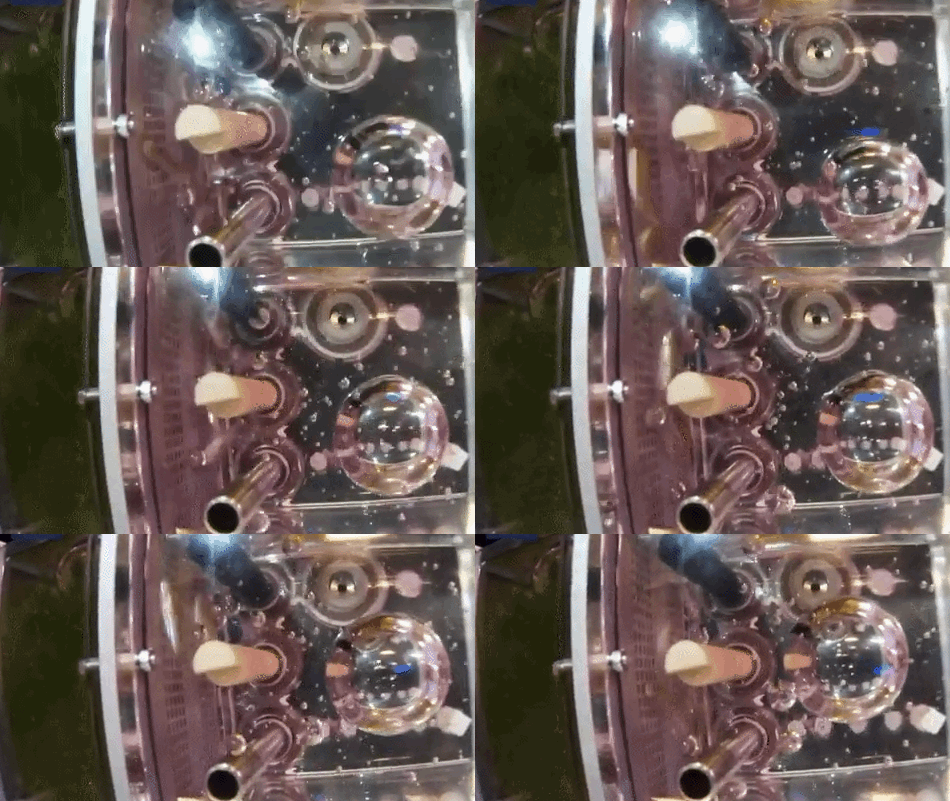
Chinese researchers have developed the first quantum engine powered by quantum entanglement, demonstrating enhanced energy efficiency and potential for future quantum technologies. The study, published in Physical Review Letters, shows that entanglement can serve as a type of "fuel," potentially revolutionizing energy conversion and powering large-scale quantum computers and circuits.
Chinese scientists have demonstrated the first experimental realization of a quantum engine using entangled states as fuel, showing that quantum entanglement can significantly enhance mechanical efficiency. This breakthrough could lead to highly efficient quantum engines capable of powering large-scale quantum computers and circuits, potentially surpassing classical thermodynamic limits.
Four zebrafish sent to China's Tiangong space station are thriving after nearly a month in orbit, as part of a research project by the Chinese Academy of Sciences to study the effects of microgravity on vertebrates. The zebrafish, along with goldfish algae, are in good condition and are being observed for unusual behaviors and developmental changes. This research aims to understand the impact of space conditions on biological systems and has implications for long-duration space missions.
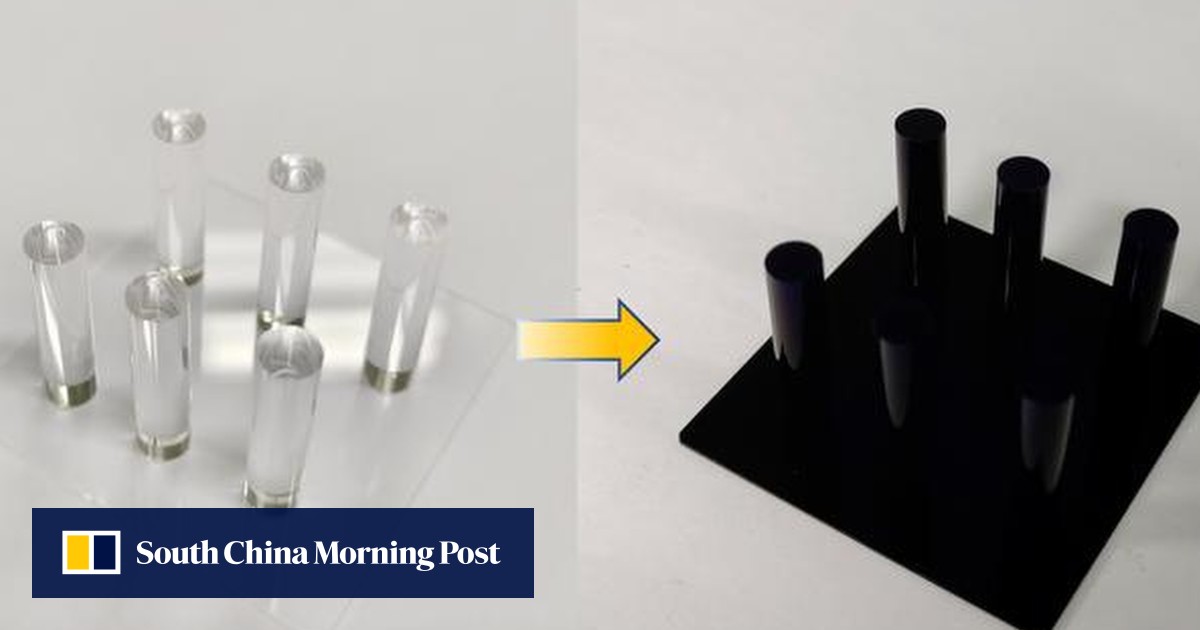
A team of scientists from the Chinese Academy of Sciences has developed an ultra-black coating that can absorb 99.3% of light across a wide range of wavelengths, potentially improving image quality for cameras and space telescopes. The thin film, made of titanium-aluminium-carbon composite and silicon dioxide, can prevent unwanted scattered light from entering camera lenses and creating glare or bright spots in photos. The material is highly durable and can withstand extreme temperature changes and friction, making it suitable for various applications in precision optics.
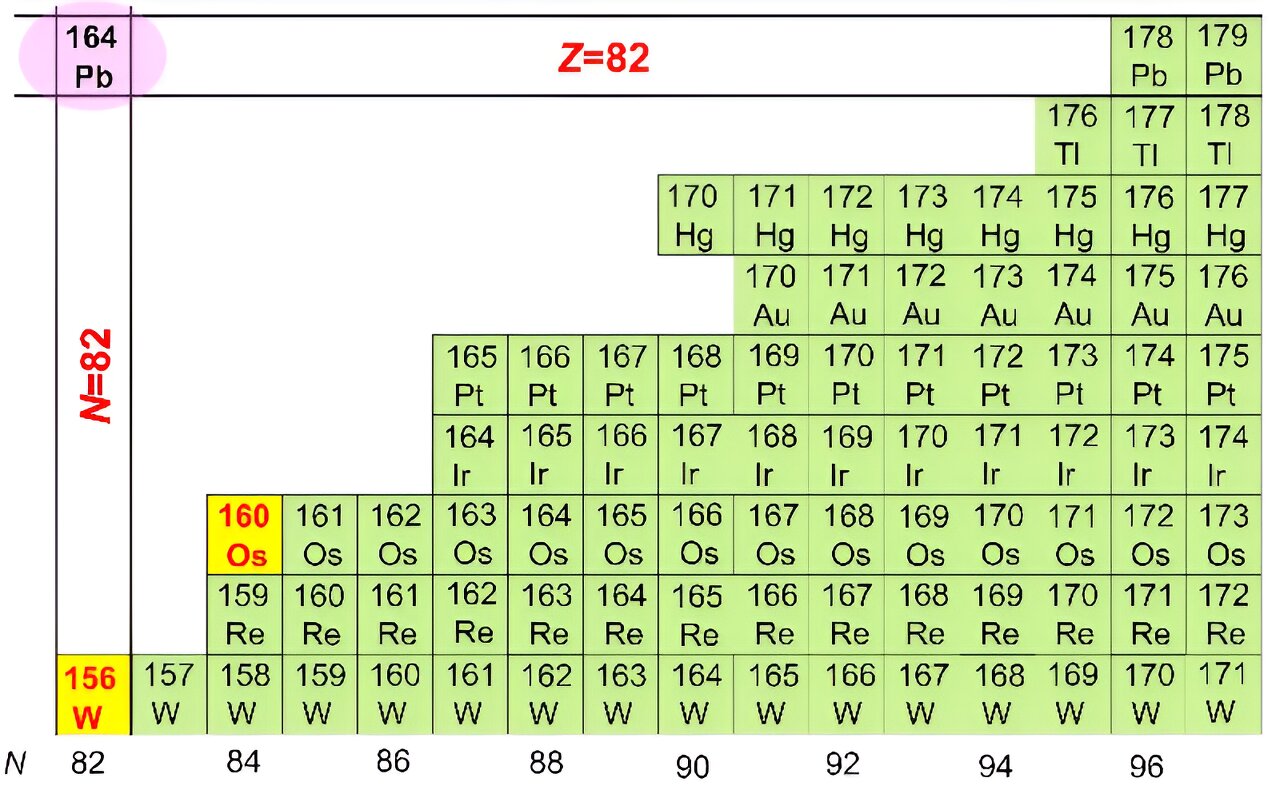
Researchers at the Institute of Modern Physics (IMP) of the Chinese Academy of Sciences have synthesized two new isotopes, osmium-160 and tungsten-156, shedding light on nuclear structures and suggesting the potential doubly magic nature of lead-164. The study, published in Physical Review Letters, reveals the enhanced stability of the N=82 shell closure on the neutron-deficient side, providing valuable insights into nuclear forces and the potential disappearance of traditional magic numbers in extremely neutron-deficient regions. The findings were highlighted as an Editors' Suggestion, emphasizing the significance of further exploration to enrich and develop nuclear theories.
Researchers from the Chinese Academy of Sciences have conducted a study on crab-eating macaques to map the metabolic changes that occur during pregnancy, identifying 91 consistent changes across 23 different tissues. These changes include shifts in metabolic coupling between organs and the development of new metabolic exchanges, shedding light on potential links to pregnancy complications such as pre-eclampsia and gestational diabetes. The study's findings could provide valuable insights into understanding and addressing pregnancy-related health issues.
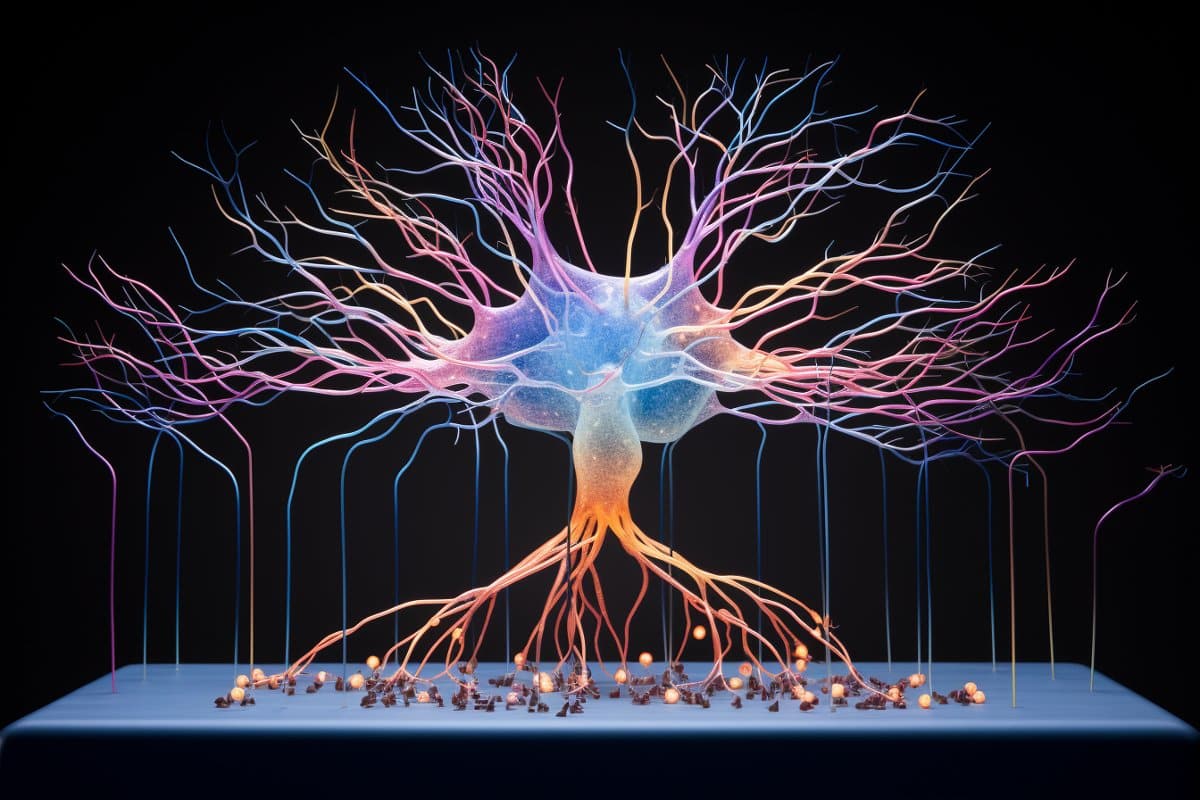
Researchers from the Chinese Academy of Sciences have unveiled the most extensive single-neuron projectome database to date, featuring over 10,000 mouse hippocampal neurons, providing unprecedented insights into the spatial connectivity patterns crucial for understanding learning, memory, and emotional processing in the hippocampus. By employing machine learning algorithms and integrating spatial transcriptome data, the study identified 43 distinct projectome cell types, revealing intricate projection patterns and soma locations’ correspondence to projection targets. This work lays the structural foundation for advancing our knowledge of hippocampal functions and their molecular underpinnings, and the database is accessible through the Digital Brain CEBSIT portal.
Chinese researchers have discovered a new superconducting material, (InSe2)xNbSe2, with a record-breaking transition temperature of 11.6 K and a high critical current density, marking a significant advancement in superconductor development. This material, with a unique lattice structure, was found using the Steady High Magnetic Field Facility and has the highest transition temperature among transition metal sulfide superconductors at ambient pressure. The discovery opens up new possibilities for advancing superconductivity research and developing high-temperature superconductors with improved performance.
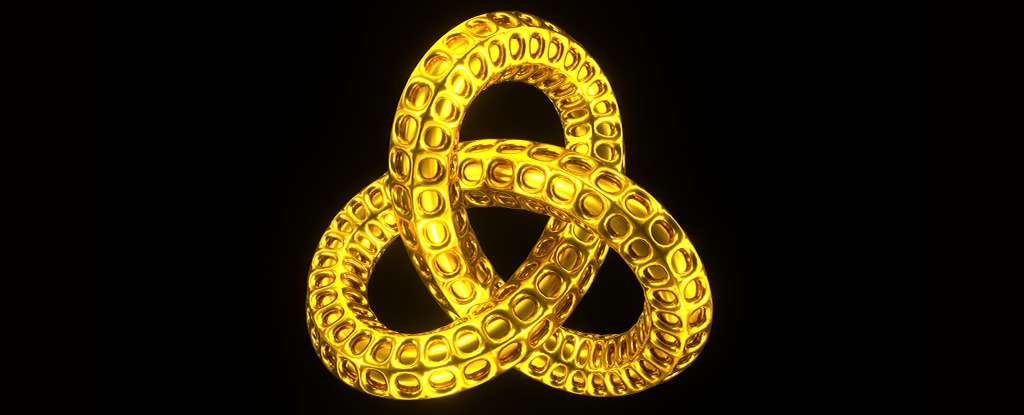
Chemists from the University of Western Ontario and the Chinese Academy of Sciences have accidentally created the smallest and tightest molecular knot ever, consisting of just 54 atoms forming a 'trefoil' knot with no loose ends, surpassing the previous record of 69 atoms. This breakthrough in molecular knot synthesis could have implications for understanding natural knots in DNA, RNA, and proteins, as well as for developing improved plastics and polymers. The knot, made of gold atoms, assembles itself and has a backbone crossing ratio (BCR) of 18, indicating its strength. This achievement could motivate further research into self-assembling molecular structures.
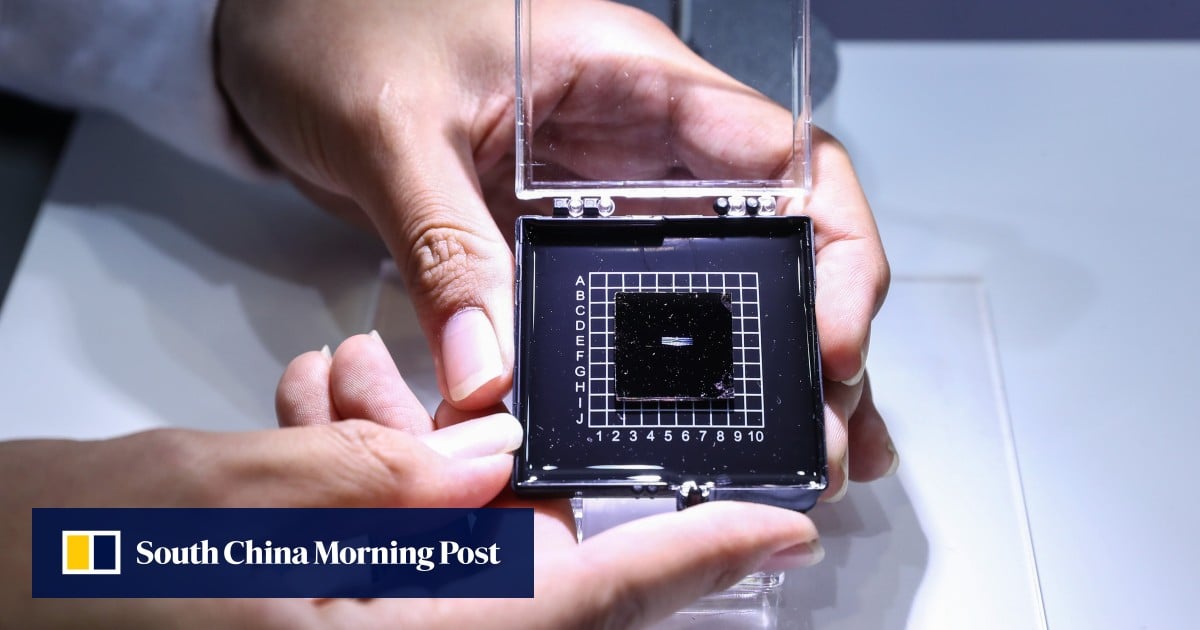
Chinese scientists from the Shenzhen Institute of Advanced Technology have developed a method to slow down light on a microchip by over 10,000 times, improving the performance of photonic chips used in light sensing, communications, and computing. By reducing energy loss and utilizing materials with low absorption, the team was able to manipulate the speed of light, enhancing the interaction distance for light and potentially reducing manufacturing costs for photonic chips.
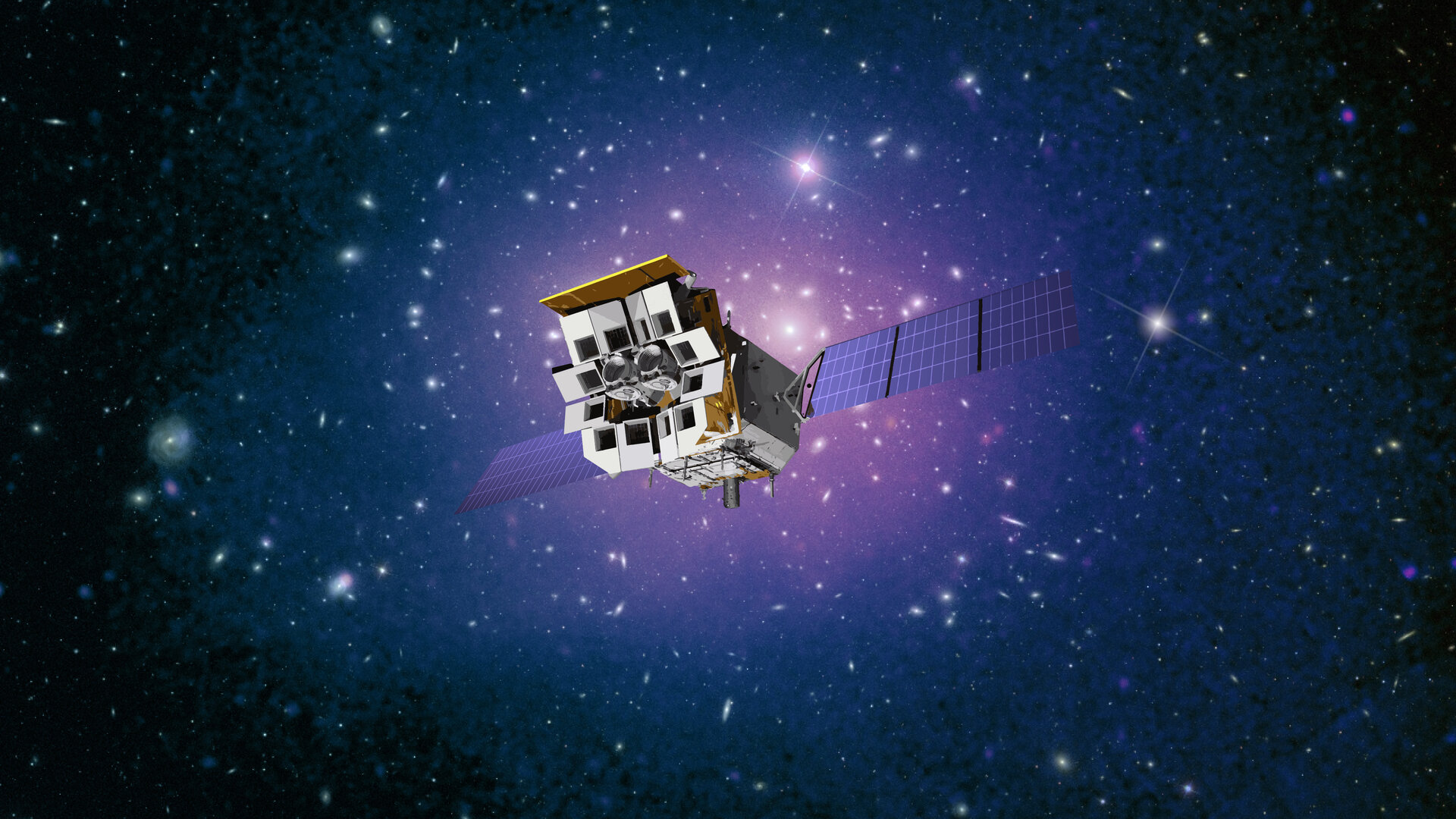
The Chinese Academy of Sciences (CAS) spacecraft Einstein Probe, in collaboration with the European Space Agency (ESA) and the Max Planck Institute for Extraterrestrial Physics (MPE), is set to launch in January 2024. Equipped with innovative X-ray instruments, the mission aims to survey the sky and detect powerful X-ray emissions from celestial objects such as neutron stars and black holes. The mission will contribute to advancing our understanding of high-energy physics and the origin of gravitational waves. The spacecraft's Wide-field X-ray Telescope (WXT) will observe large areas of the sky, while the Follow-up X-ray Telescope (FXT) will study interesting events in more detail. ESA's contribution includes developing the scientific instrumentation and providing ground stations for data download.
Astronomers from the Chinese Academy of Sciences have discovered a forming quadruple-star system in the Orion Giant Molecular Clouds. This finding contributes to the understanding of star formation and the formation of stars and planets in multiple star systems.
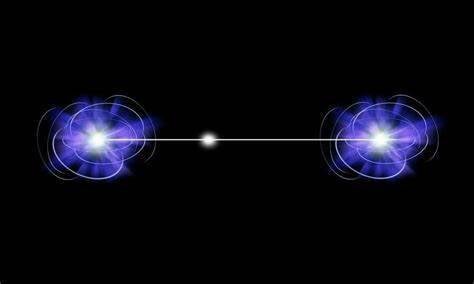
A team led by Prof. Guo Guangcan from the Chinese Academy of Sciences provides a comprehensive overview of the progress achieved in the field of quantum teleportation. Quantum teleportation enables the nonlocal transmission of an unknown quantum state, which has deepened the understanding of quantum entanglement. The team has made significant progress in areas such as high-dimensional quantum dense coding, high-dimensional quantum guidance, and high-dimensional quantum teleportation. The paper discussed potential applications and future development in quantum communication and quantum computing in depth, which will promote the practical development of quantum technology.
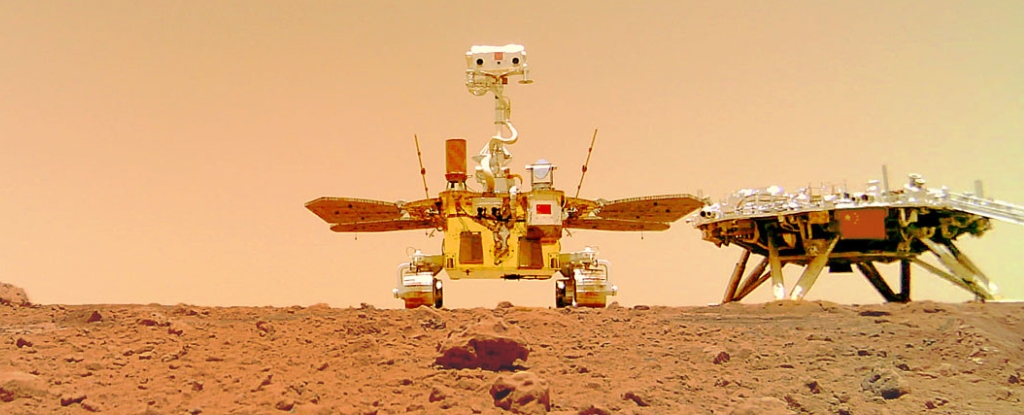
China's Zhurong rover, part of the Tianwen-1 mission, has discovered evidence of possible liquid water on Mars' surface as recently as a few hundred thousand years ago. The rover observed salt-rich dunes in the Utopia Planitia region that showed cracks and crusts, indicating the possible presence of water. The team estimates that these features formed between 1.4 million and 400,000 years ago, far more recent than previously thought. This discovery could provide critical clues to future exploration missions searching for signs of extant life, particularly at low latitudes with comparatively warmer, more amenable surface temperatures.