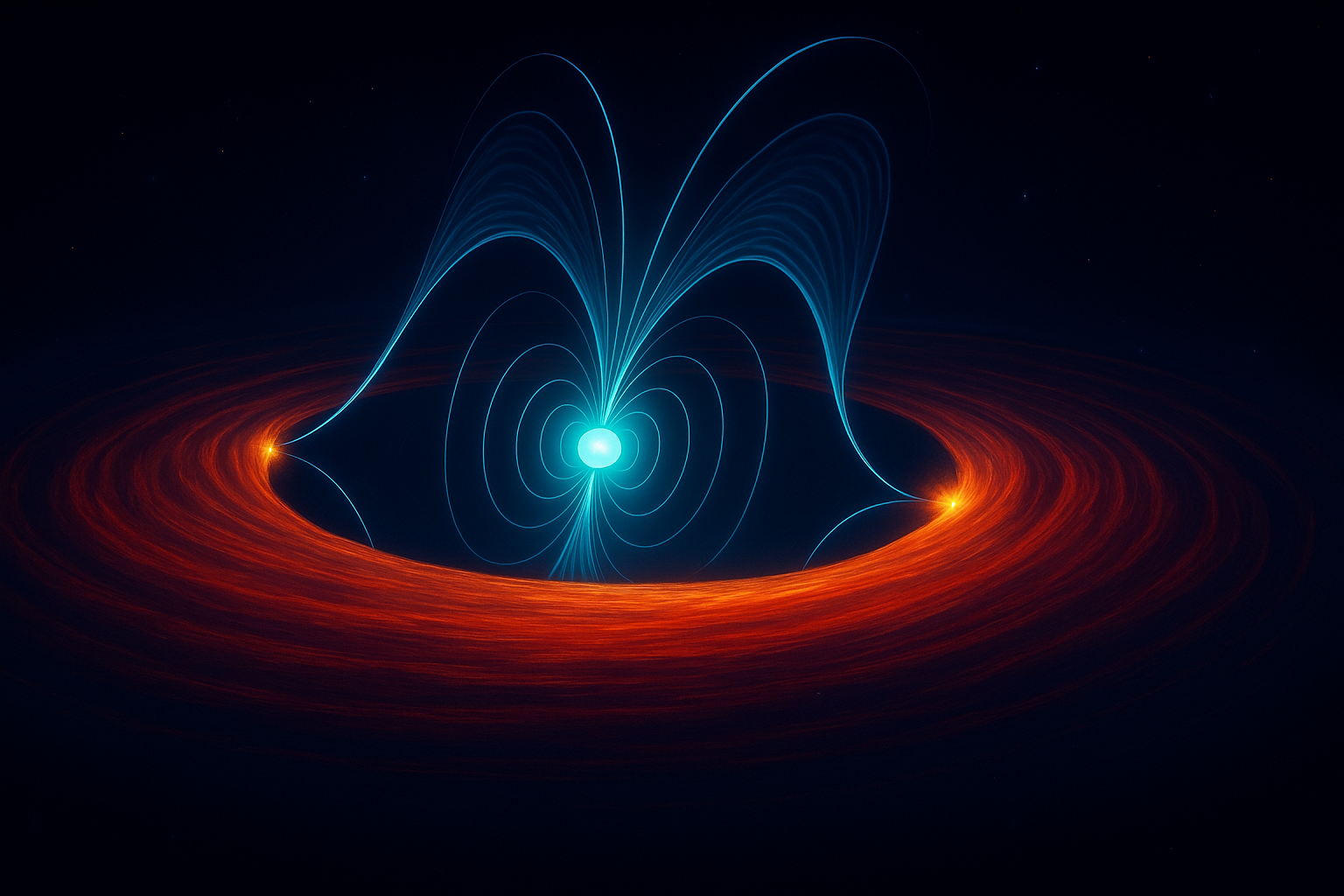
NASA's IXPE has captured detailed observations of the white dwarf star EX Hydrae, revealing new insights into its accretion process and magnetic field interactions, marking a significant advancement in high-energy astronomy.
NASA's IXPE has for the first time used its X-ray polarization capabilities to study a white dwarf star, EX Hydrae, revealing details about the star's accretion process and magnetic field, which enhances understanding of energetic binary systems.
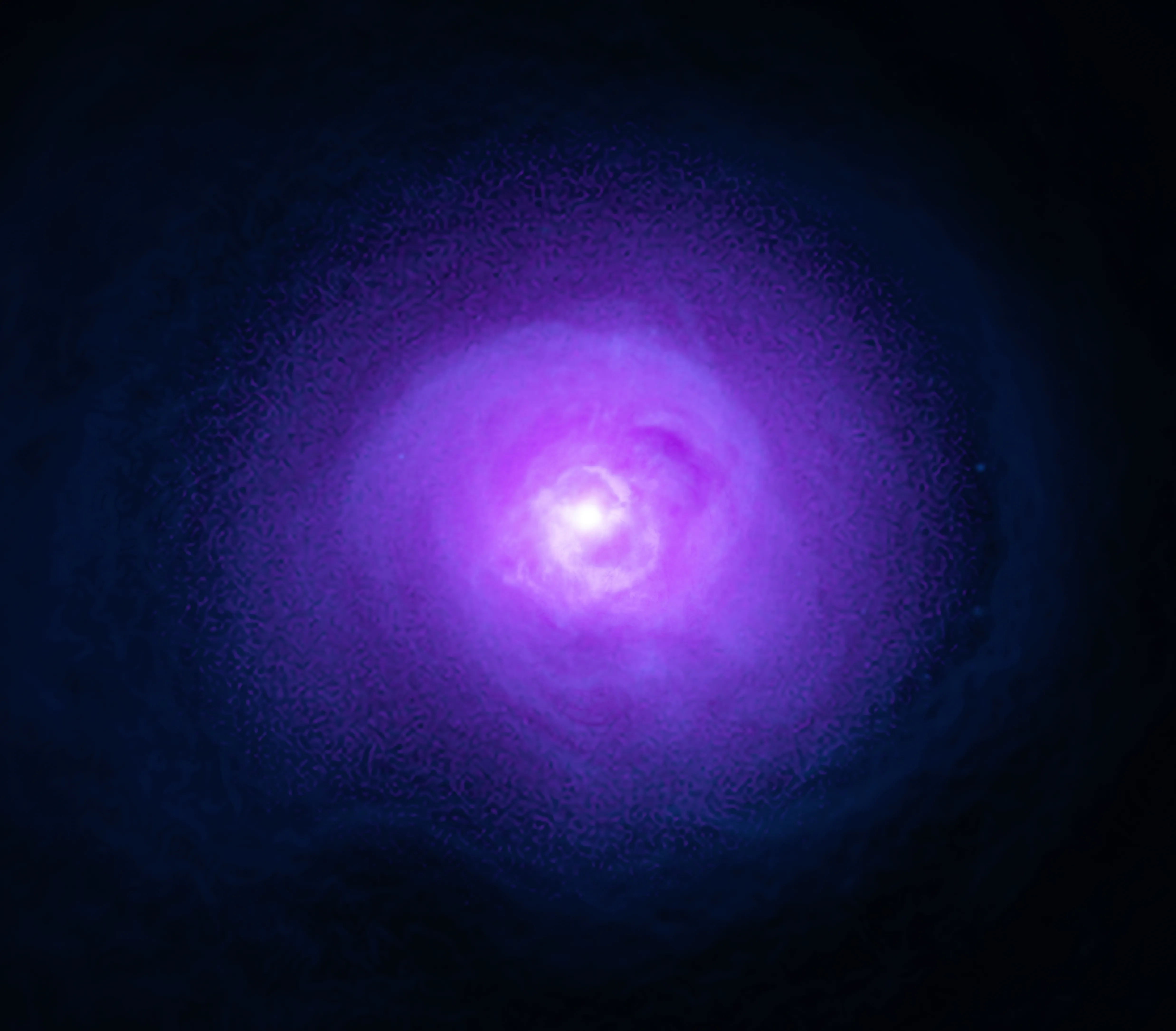
NASA's IXPE mission's longest observation of the Perseus Cluster has identified the origin of X-rays in a supermassive black hole's jet, confirming that the X-rays originate from inverse Compton scattering within the jet, primarily supporting the synchrotron self-Compton model, through polarization measurements combined with data from other observatories.
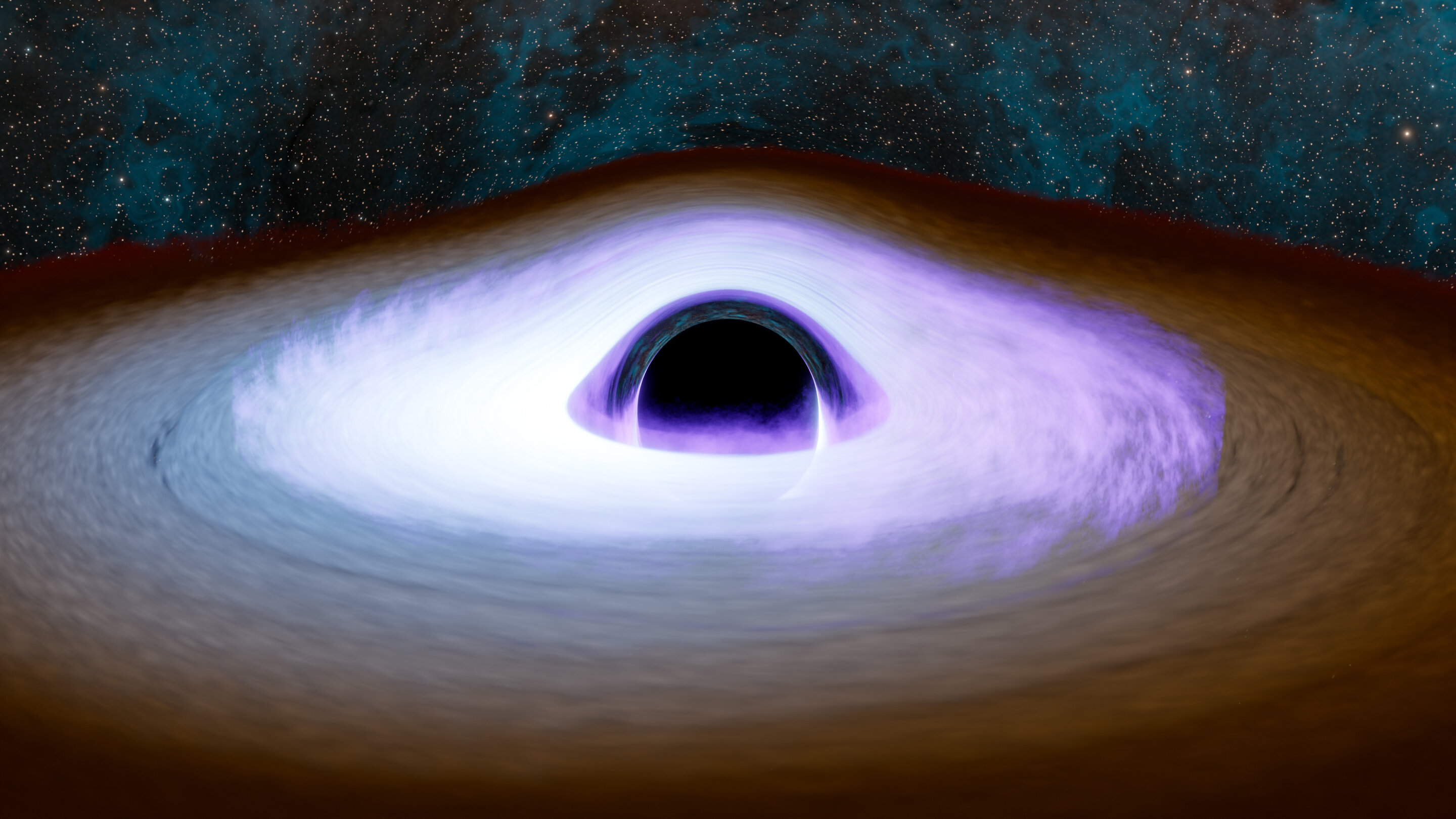
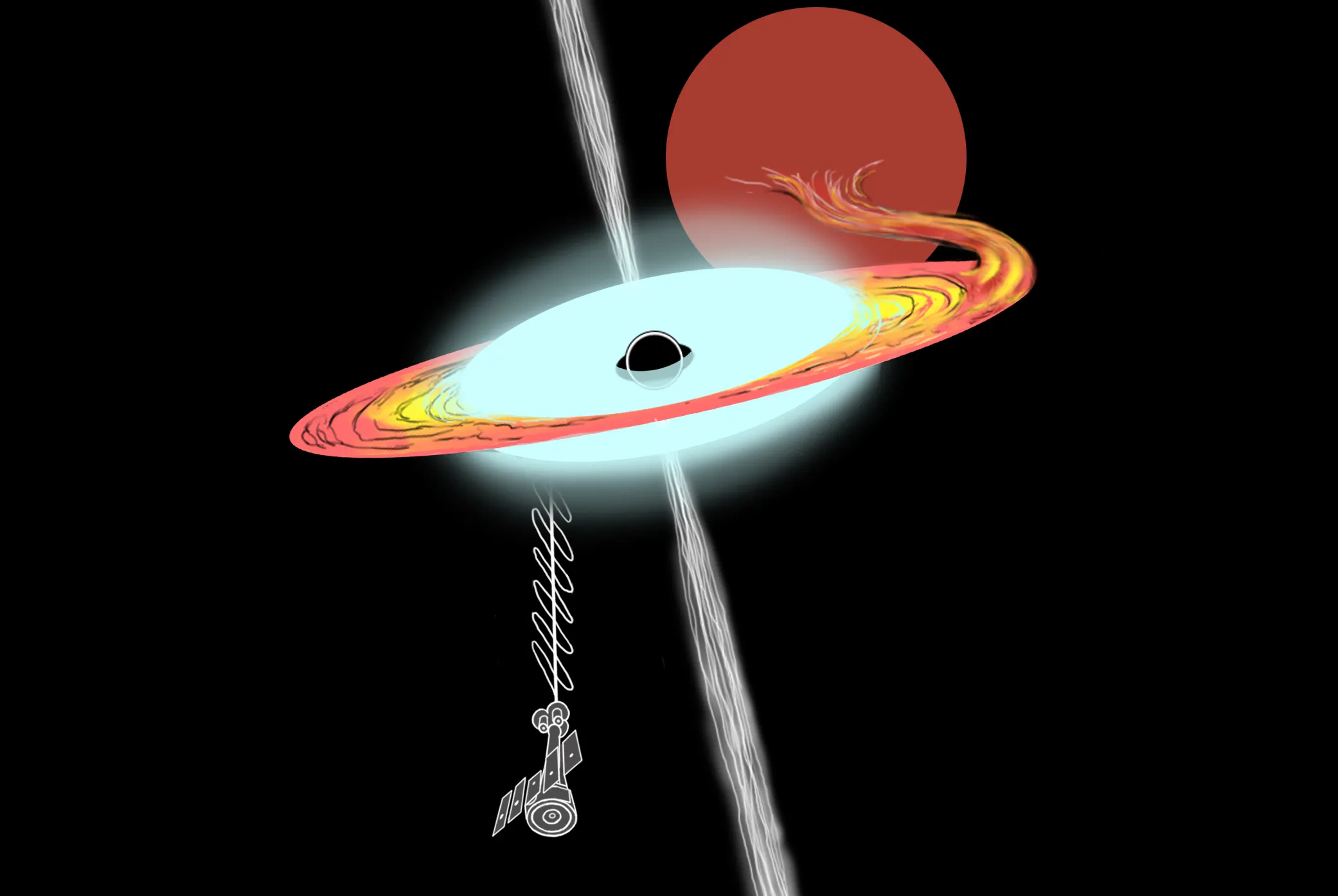
NASA's IXPE has measured a high polarization degree in the black hole IGR J17091-3624, challenging existing theories about the behavior of matter near black holes and suggesting the presence of phenomena like matter winds or fast plasma outflows.
NASA's IXPE has measured a higher-than-expected polarization degree in the black hole IGR J17091-3624, challenging existing theories about the matter near black holes and suggesting new models involving winds or fast outflows in the corona.,
NASA's IXPE telescope helped scientists discover that X-rays from the rare pulsar system PSR J1023+0038 originate from the pulsar wind, challenging previous models and providing new insights into neutron star environments and particle acceleration.
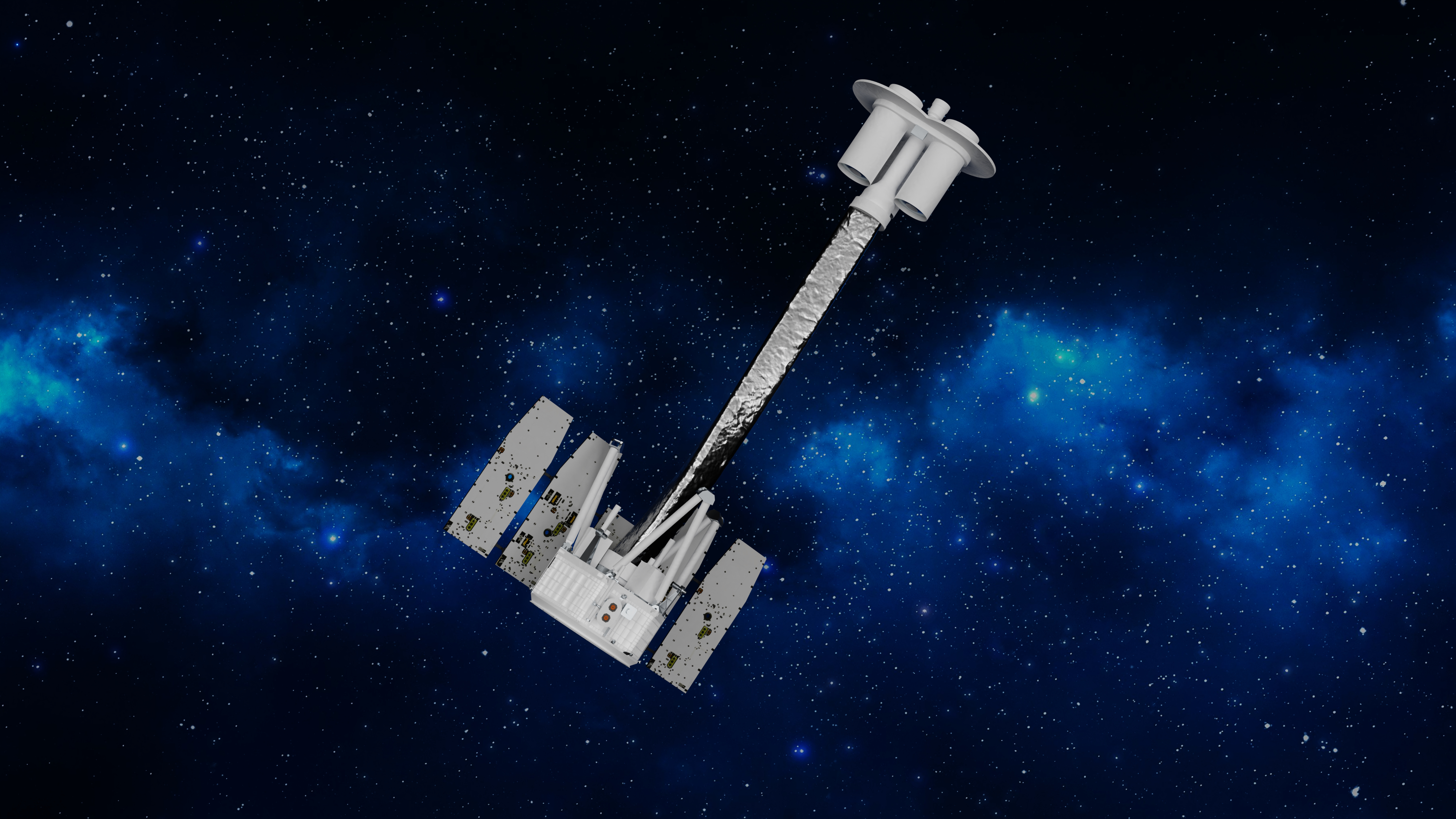
Acting NASA Administrator Janet Petro affirms commitment to the agency's mission, highlights recent achievements including the IXPE's astrophysics milestone, progress on the X-59 supersonic aircraft, successful vibration testing of the Roman Space Telescope, and ongoing scientific work on the ISS, while announcing workforce transition plans and emphasizing focus on international collaboration and technical excellence.
NASA's Imaging X-ray Polarimetry Explorer (IXPE) has provided new insights into the structures surrounding a newly discovered stellar-mass black hole in the binary system Swift J1727.8-1613. Detected during a bright X-ray outburst in 2023, IXPE's observations have helped map the accretion disk and corona, revealing consistent geometry with other black hole systems. This research, published in The Astrophysical Journal and Astronomy & Astrophysics, marks a significant advancement in understanding black hole X-ray binary systems and demonstrates IXPE's crucial role in studying these cosmic phenomena.
NASA's IXPE team, led by retired astrophysicist Martin Weisskopf and Italian Space Agency principal investigator Paolo Soffitta, has been awarded the 2024 Bruno Rossi Prize by the American Astronomical Society for their development of IXPE, a mission that observes X-ray emissions from cosmic phenomena. The mission, launched in 2021, has been extended through at least September 2025 due to its success in studying high-energy radiation and supporting the study of cosmic events. This marks the fourth time NASA researchers have been honored with the Rossi Prize for their contributions to high-energy astrophysics.
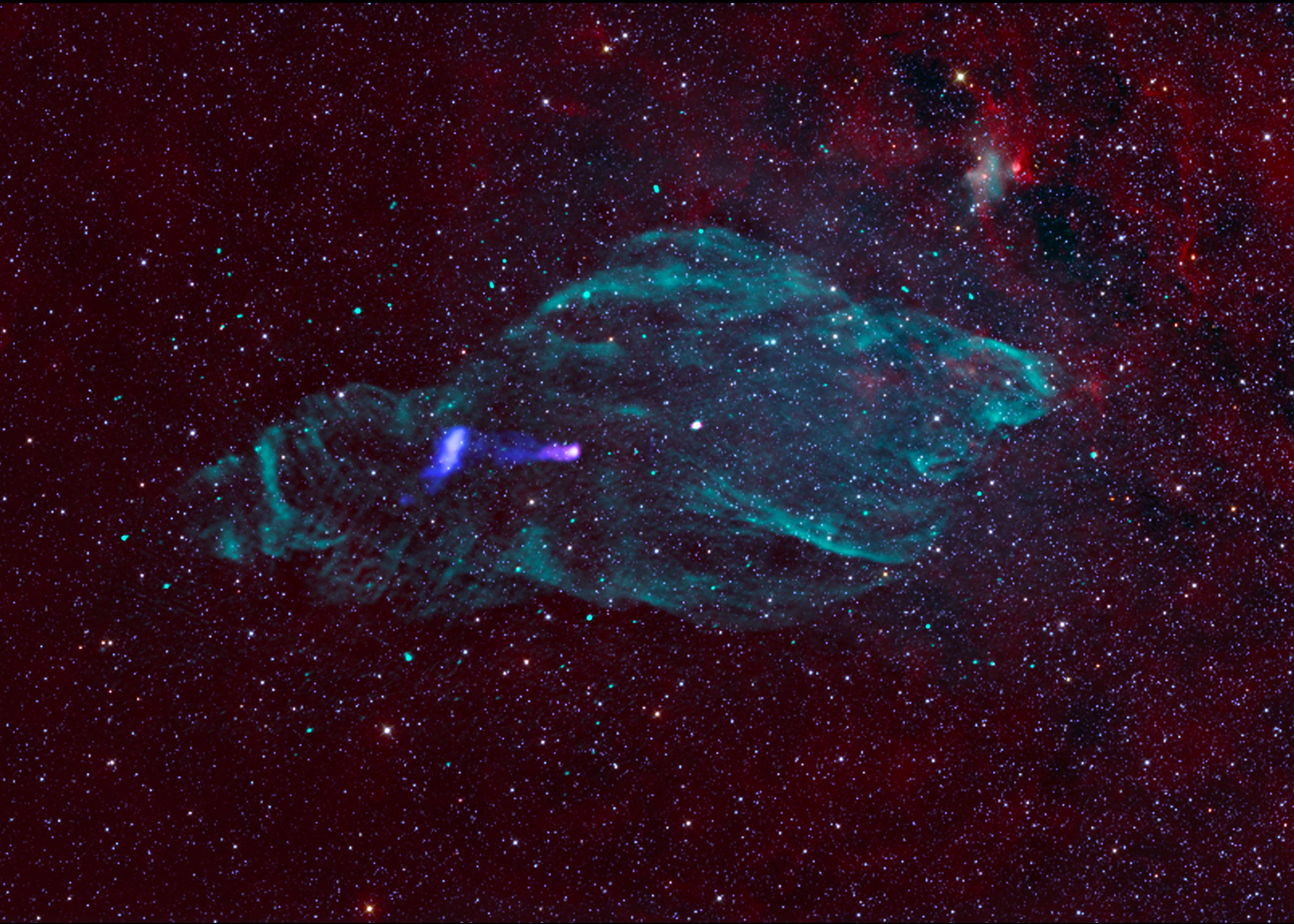
NASA's IXPE spacecraft has provided new insights into the process of particle acceleration in extreme environments by studying a microquasar called SS 433. The spacecraft's observations revealed that the magnetic field near the acceleration region points in the direction the jets are moving, indicating a well-ordered magnetic field alignment. This finding challenges previous theories and suggests that the magnetic fields within powerful jets may be "trapped" and stretched when they collide with interstellar matter. The data could also help determine whether the same mechanism acts to align magnetic fields in outflows expelled by various phenomena in space.
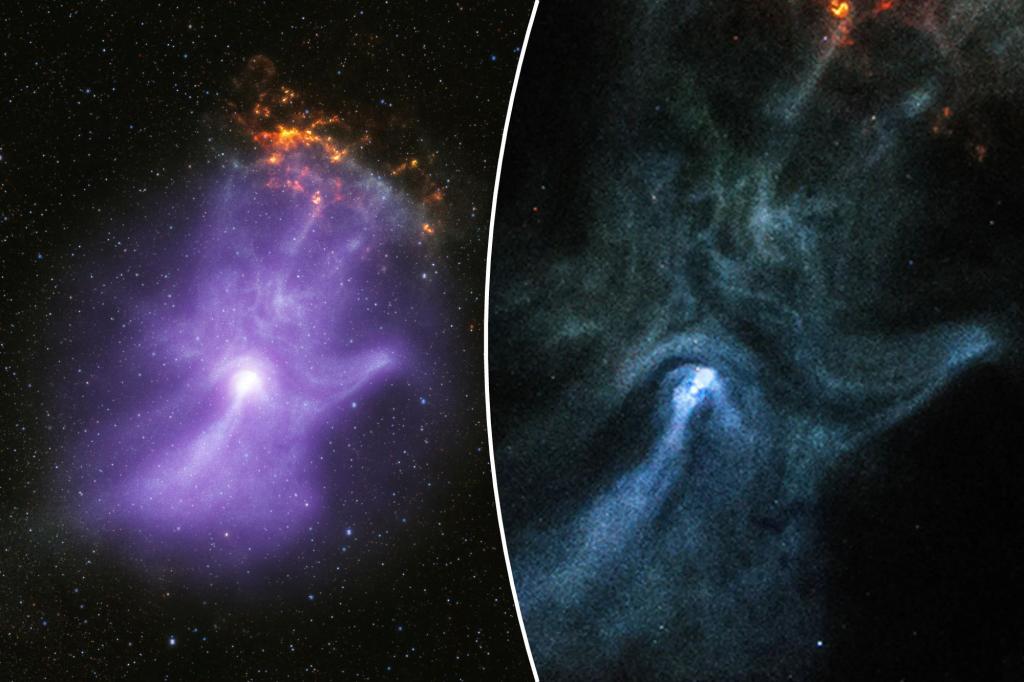
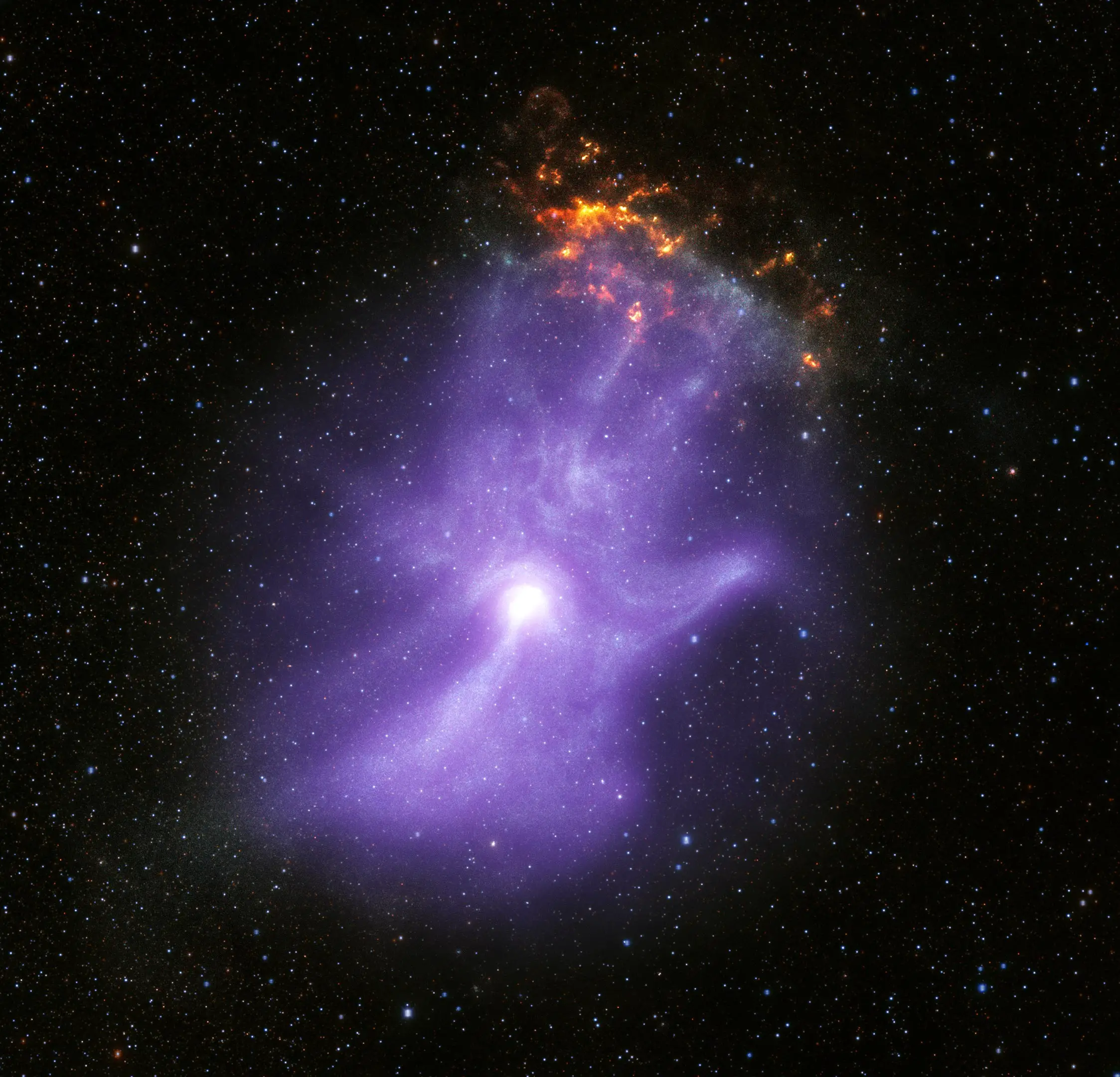
NASA has released stunning images of a pulsar wind nebula known as MSH 15-52, which resembles the "bones of a ghostly cosmic hand." These images, captured by NASA's telescopes, show a massive, four-fingered outstretched hand swirling around the Milky Way. The nebula is the remnants of a collapsed giant star that formed a neutron star 1,500 years ago. The images are helping scientists understand the behavior of pulsars and the magnetic field within the nebula.
NASA's Chandra and IXPE telescopes have provided groundbreaking insights into the magnetic "bones" of the hand-shaped pulsar wind nebula, MSH 15-52. By combining data from both telescopes, astronomers have obtained the first map of the magnetic field in the nebula, revealing high levels of X-ray polarization and a remarkably straight and uniform magnetic field. The IXPE data also show a bright X-ray jet directed from the pulsar to the "wrist" of the hand, with the polarization increasing as the magnetic field lines straighten. This research sheds light on the formation and dynamics of pulsar wind nebulae and offers a unique glimpse into extreme physics conditions.
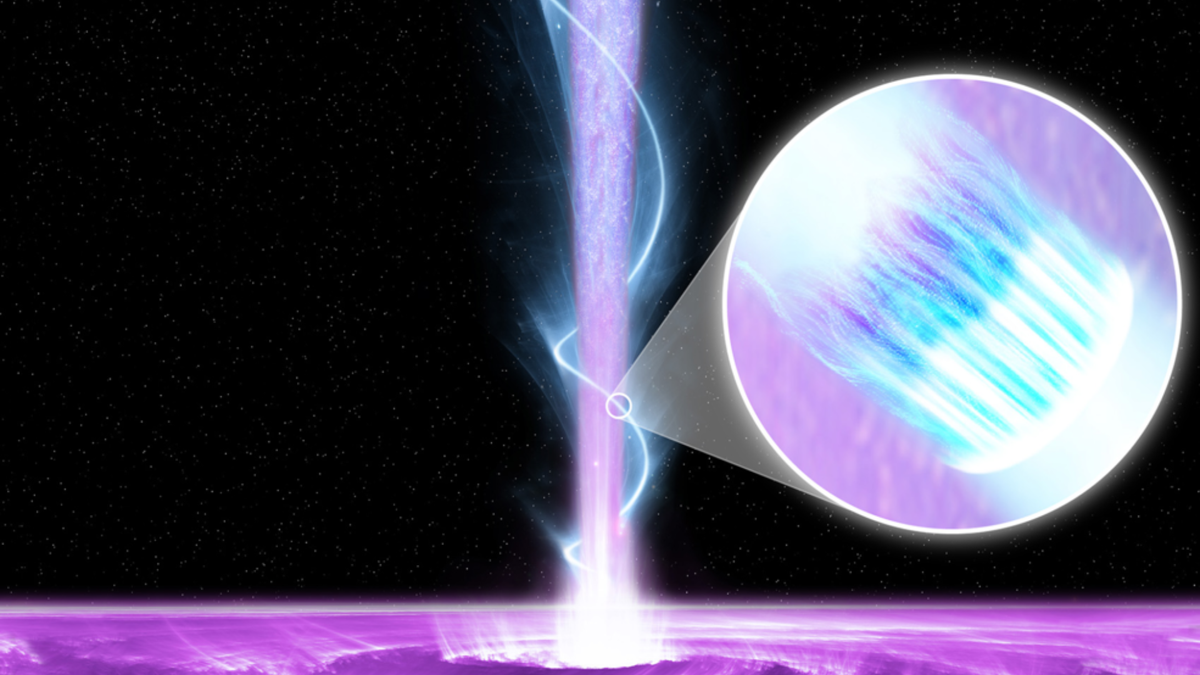
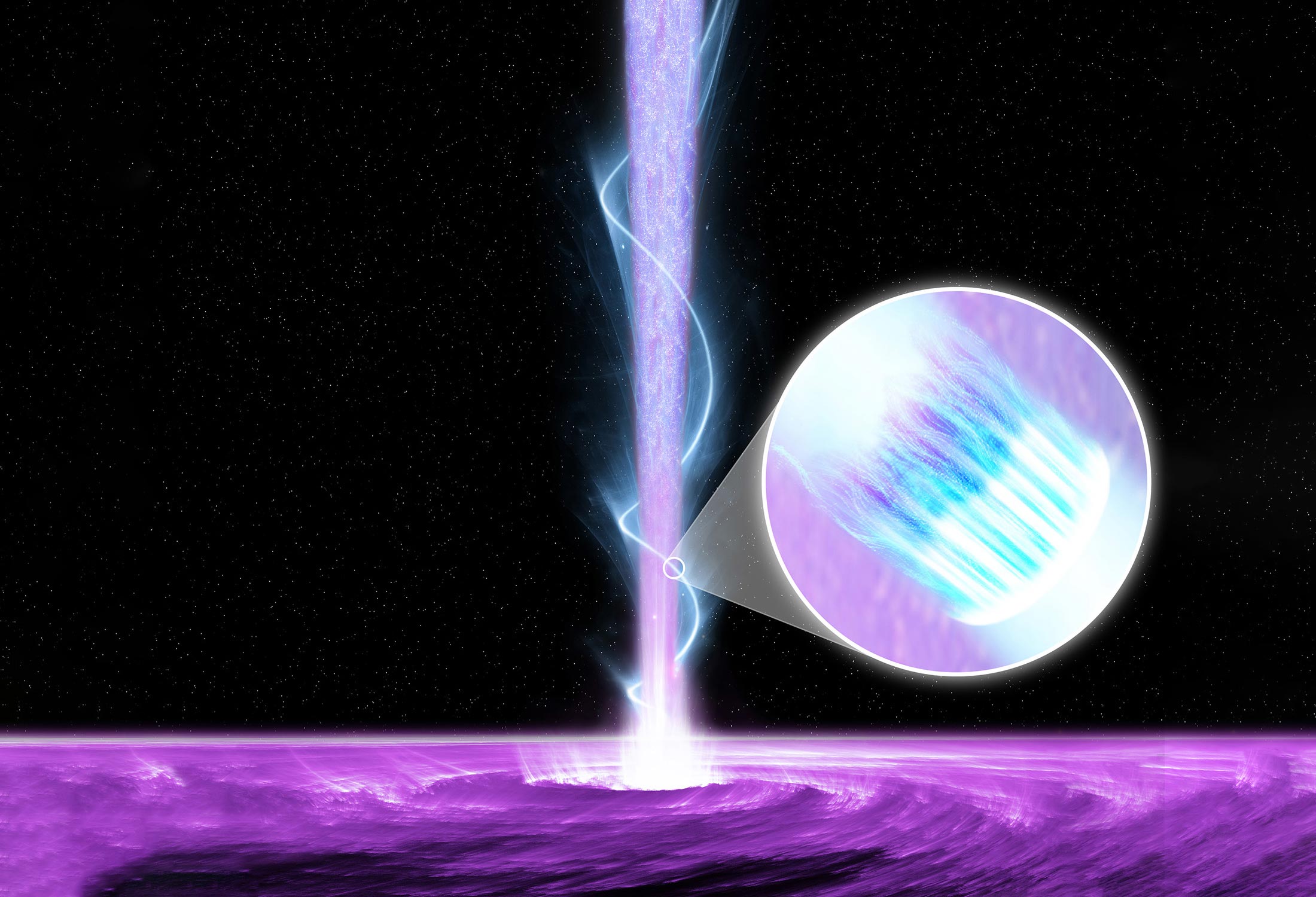
NASA's Imaging X-ray Polarimetry Explorer (IXPE) mission has observed a supermassive black hole, known as Markarian 421, pointing its highly energetic jet directly towards Earth. The jet, created by the black hole's accretion disk, emits bright electromagnetic radiation and is accompanied by a helical magnetic field. The polarization of the jet was found to rotate nearly 180 degrees in just two days, providing new insights into the physics of blazar jets. The discovery could help scientists better understand the mechanisms behind these extreme cosmic phenomena.
NASA's Imaging X-ray Polarimetry Explorer (IXPE) has made surprising discoveries about the blazar Markarian 421, located 400 million light-years away. IXPE's unique X-ray polarimetry measurements have revealed evidence of a helical structure in the magnetic field where particles are accelerated. The polarization angle of the X-ray emissions from Markarian 421 was found to rotate, indicating the presence of a shockwave propagating along the spiraling magnetic fields inside the blazar's jet. These findings provide valuable insights into the dynamics and emissions of blazar jets and highlight the importance of X-ray polarimetry in studying these cosmic phenomena.
Astronomers have detected an echo of X-ray emissions from the Milky Way's central supermassive black hole, Sagittarius A*, that occurred 200 years ago. The black hole had a brief period of activity and consumed nearby material, resulting in X-ray emissions that were more than a million times greater than usual. The emissions were detected by NASA's Imaging X-ray Polarimetry Explorer (IXPE) and were found to be the source of the brightening of nearby molecular clouds. The discovery could help astronomers better understand the behavior of Sagittarius A* and the causes of its flares.