Longest Gamma-Ray Burst Rewrites Rules on Cosmic Explosions
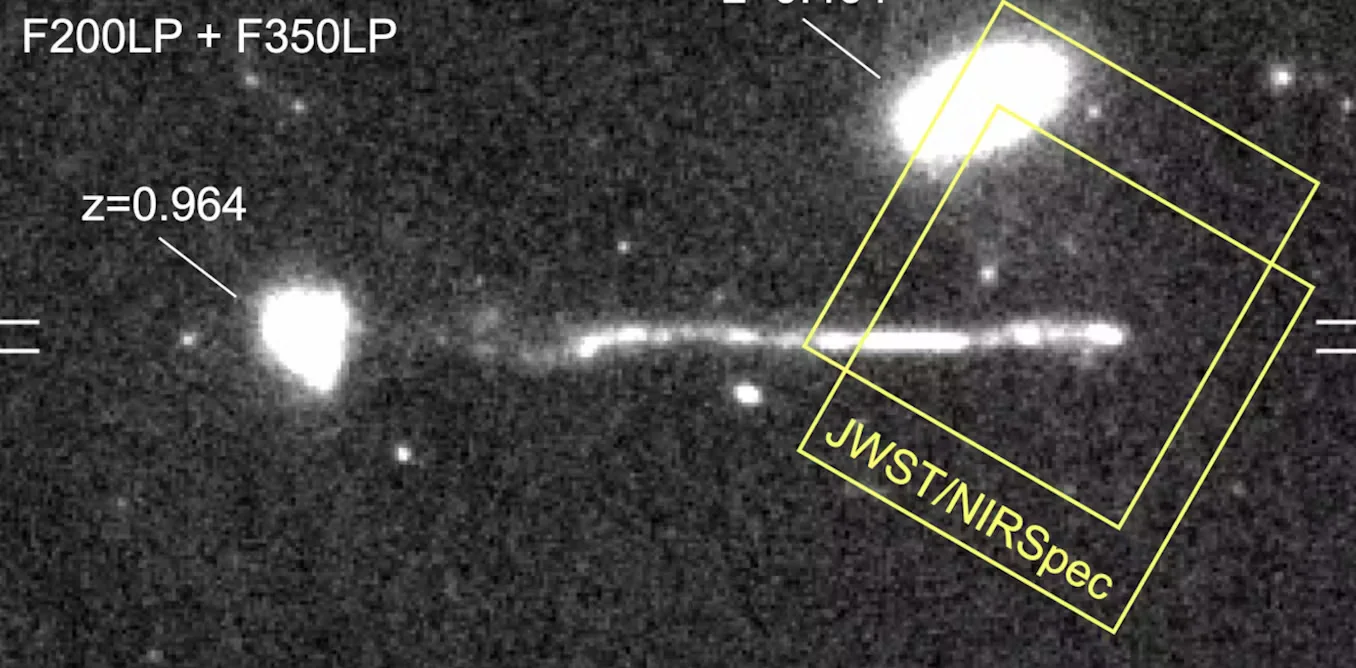
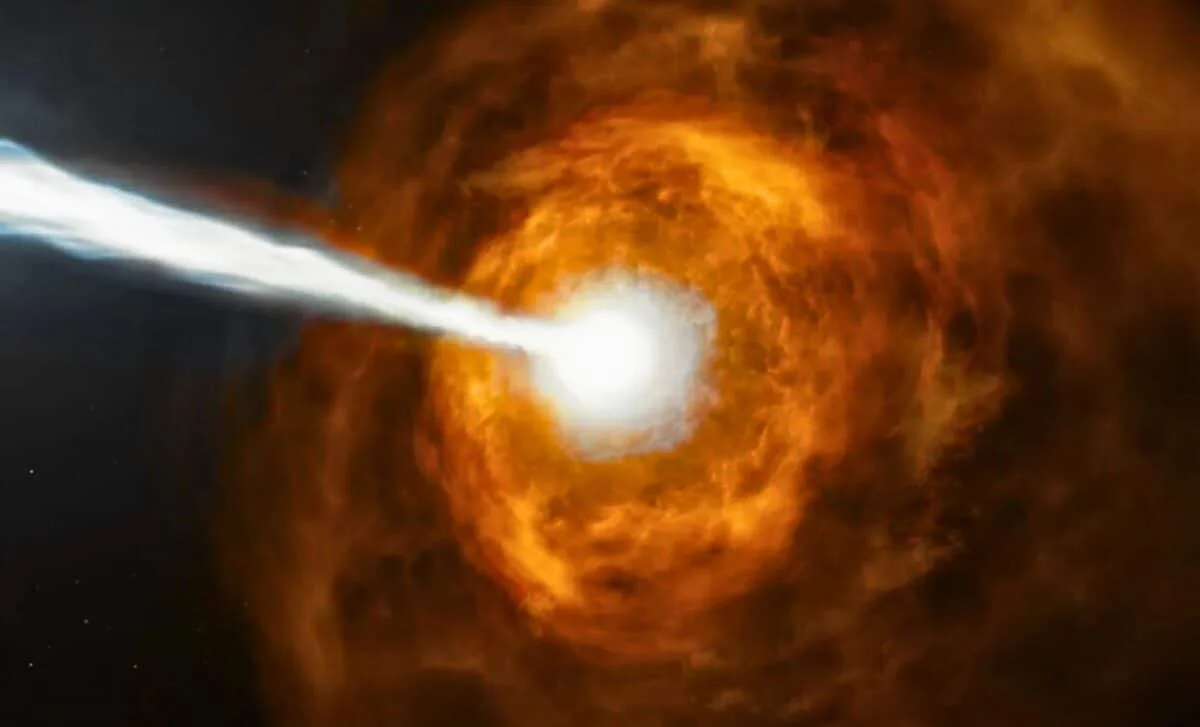
Astronomers detected GRB 250702B, a gamma-ray burst lasting about 25,000 seconds (roughly seven hours)—the longest on record—observed by multiple space-based telescopes since mid-2025; its sustained, evolving profile challenges standard GRB classifications and may point to a helium-star merger with a stellar-mass black hole, while no redshift or host galaxy has been identified yet. The finding highlights potential detection biases against long, lower-brightness bursts and has spurred plans to revise criteria for future missions like NASA/ESA’s COSI and to re-examine archival data for overlooked events.