
space-and-astronomy8.005 min read
Webb maps the Universe's invisible scaffolding in unprecedented detail
22 days ago•Source: ScienceDaily

The latest space and astronomy stories, summarized by AI
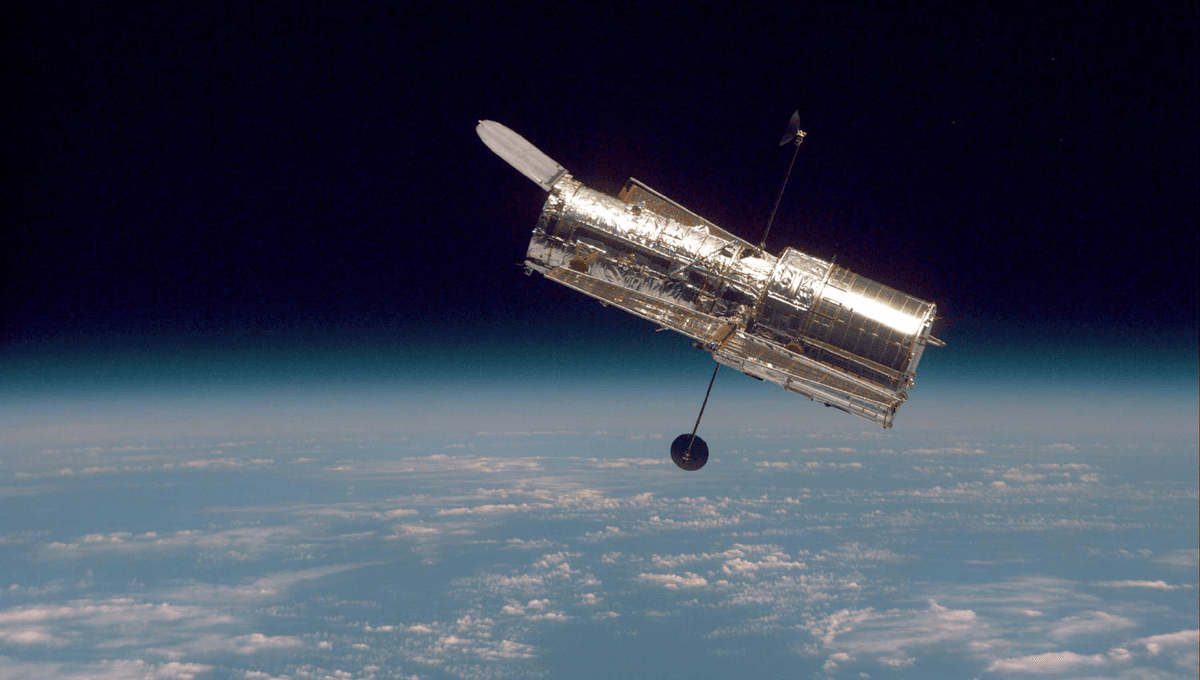
NASA will hold a rare press conference to address the Hubble Space Telescope entering safe mode due to a malfunctioning gyroscope. The telescope, which requires at least three gyroscopes to operate fully, has faced multiple gyro failures since its last refurbishment in 2009. While a private mission led by Jared Isaacman has been proposed to service Hubble, it carries significant risks. The press conference will provide updates on Hubble's operational status and future plans.
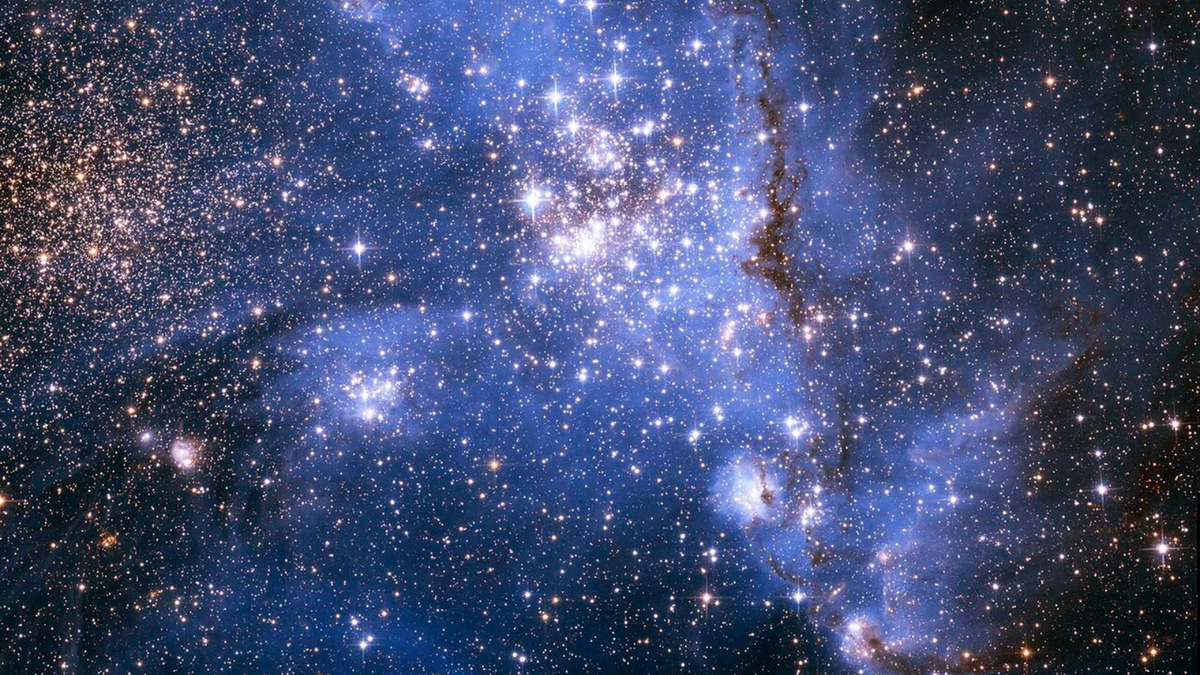
IFLScience•1 year ago
Ynetnews•1 year ago
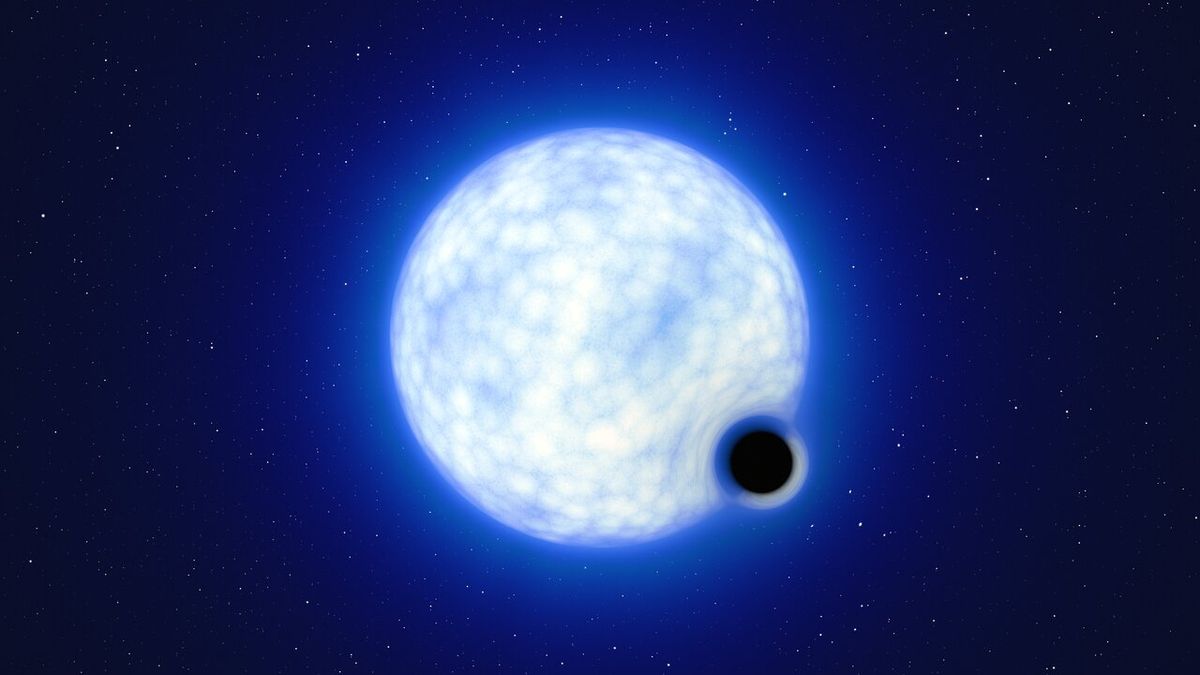
Scientists have found evidence that some massive stars may collapse into black holes without a supernova explosion, as observed in the binary system VFTS 243. This challenges the traditional understanding of stellar evolution and has implications for the creation and distribution of elements in the universe.
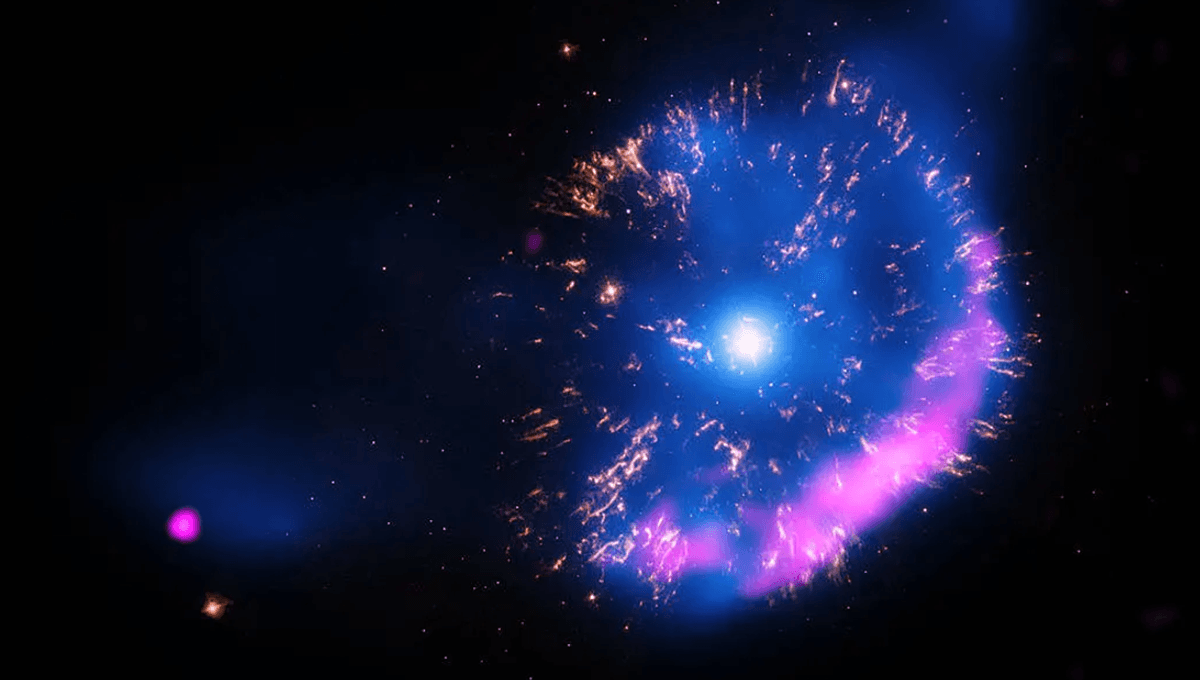
A nova explosion of the binary star system T Coronae Borealis, first potentially recorded in 1217, is expected to occur soon. This rare event, caused by a thermonuclear reaction on a white dwarf star, happens approximately every 80 years. Historical observations in 1866 and 1946, along with a recent pre-eruption dip, suggest the next eruption could happen between now and September 2024.
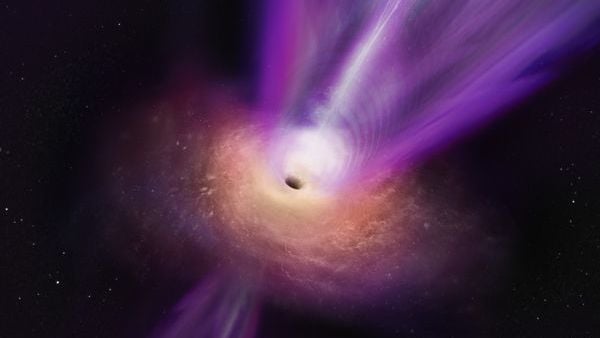
Astronomers have observed supermassive black holes changing the direction of their powerful particle jets, akin to the Death Star in Star Wars. Using NASA's Chandra X-ray Observatory and the Very Long Baseline Array, scientists found that these jets can reorient by up to 90 degrees over millions of years, potentially impacting star formation in galaxies. The research, published in The Astrophysical Journal, suggests that material falling into black holes at different angles may cause these shifts.
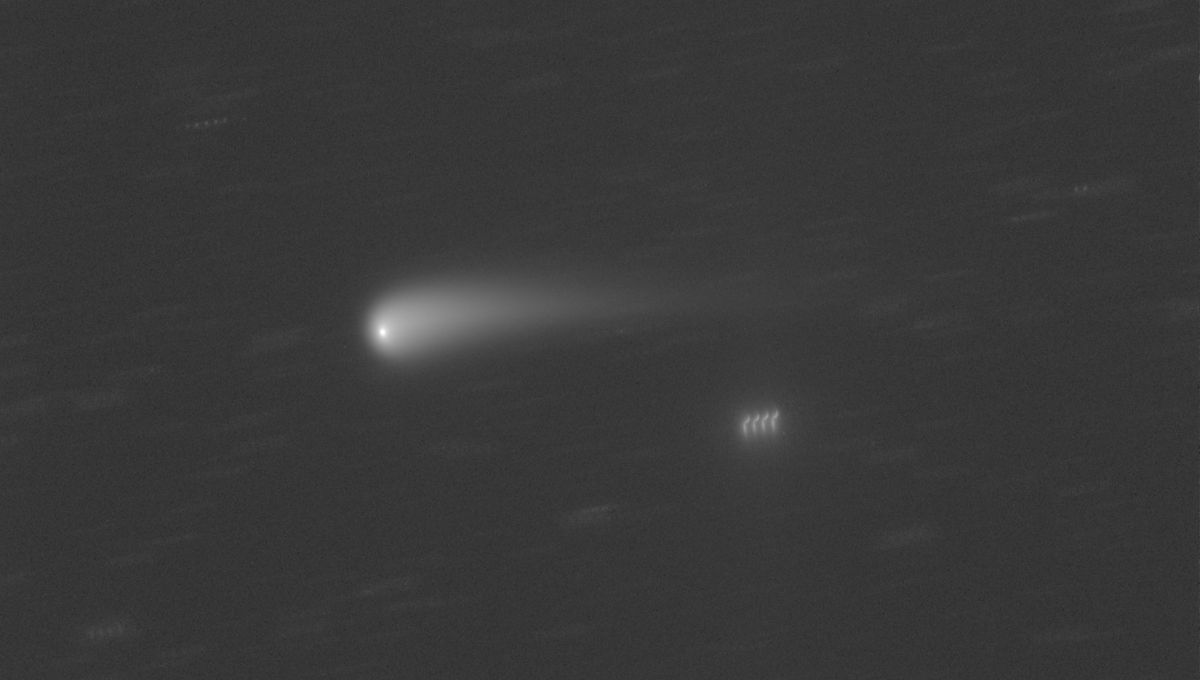
Comet C/2023 A3 (Tsuchinshan–ATLAS) is expected to become visible to the naked eye by late summer or early autumn, potentially reaching a brightness comparable to Venus. It will make its closest approach to the Sun on September 27 and to Earth on October 12, offering a spectacular view if it brightens as predicted.
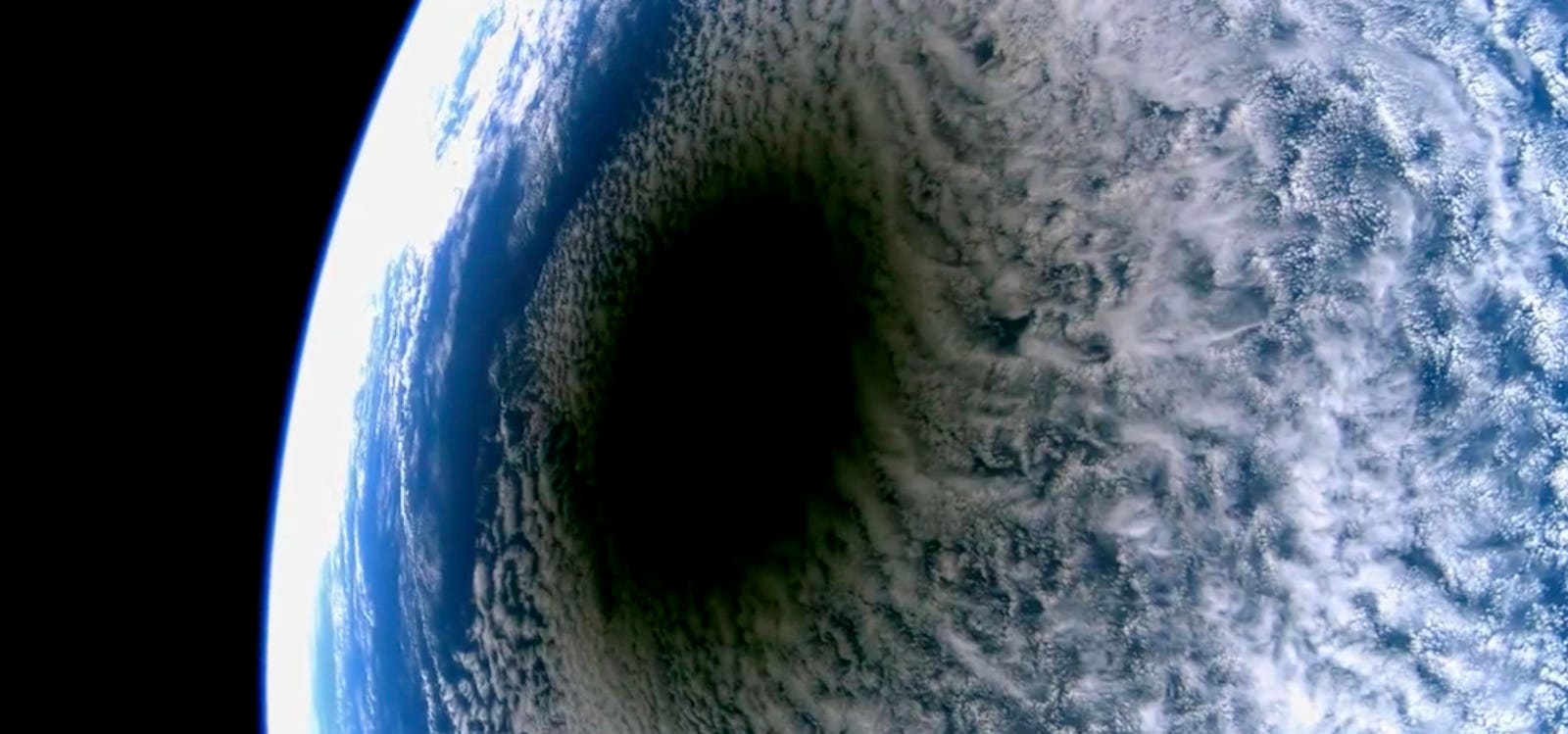
A British satellite orbiting Earth has captured stunning 4K images and videos of the total solar eclipse on April 8, showcasing the moon's shadow and the sun's corona. Sen's ETV-A1 satellite, in low-Earth orbit, plans to provide live-streaming views of Earth from the International Space Station with its 4K camera, and is expected to launch more satellites in the future. The next total solar eclipse is set for August 12, 2026, in Europe.
The Delta family of rockets is concluding its 60-year legacy, while a new spacecraft from a legacy space company prepares for its astronaut debut. Millions are still enjoying the recent total solar eclipse, and a new military weather satellite is set to enter service. The hour-long live show "News from the Press Site" will feature discussions on these topics, including the eclipse and the final Delta 4 Heavy launch.
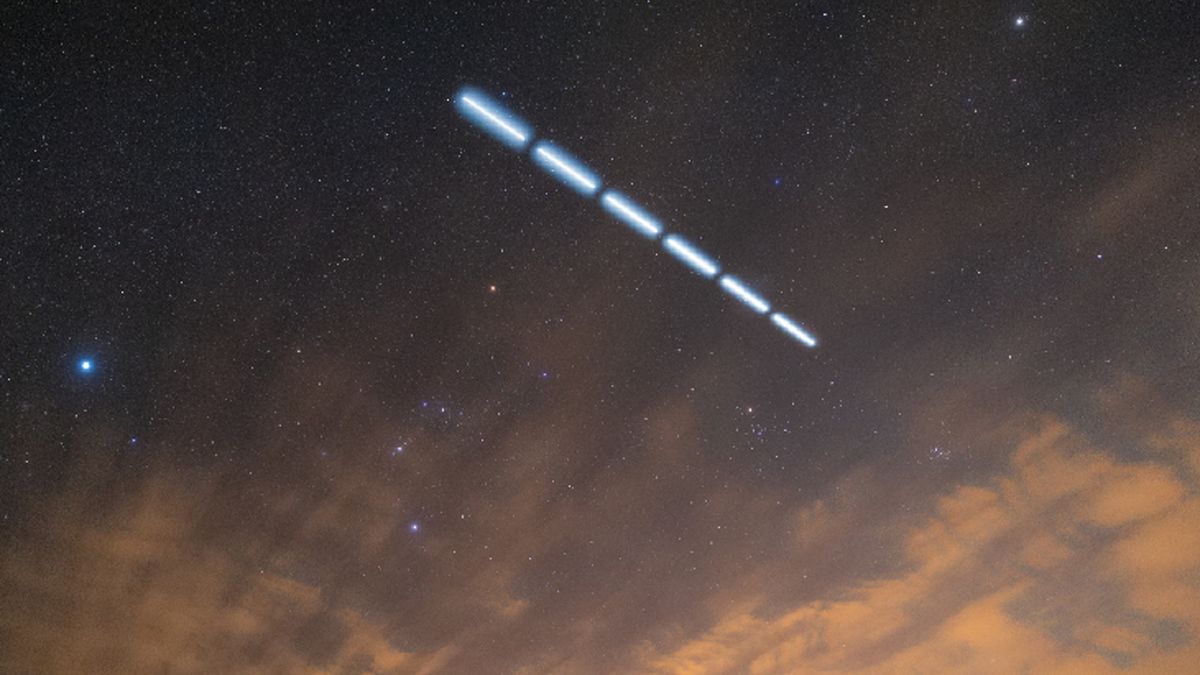
Striking photos captured by photographer Jeremy Perez show a perfectly-spaced dashed line of light in the night sky above Arizona, created by a dying SpaceX rocket's deorbit burn. The rocket was part of the company's rapidly increasing launch schedule, with multiple recent launches and plans for more in the near future. The photos, a result of clever photo trickery, also reveal a second fainter line representing light from the satellites deployed by the rocket. However, concerns are raised about the environmental impact of the increasing number of SpaceX launches, including metal pollution from failed satellites burning up in the upper atmosphere.
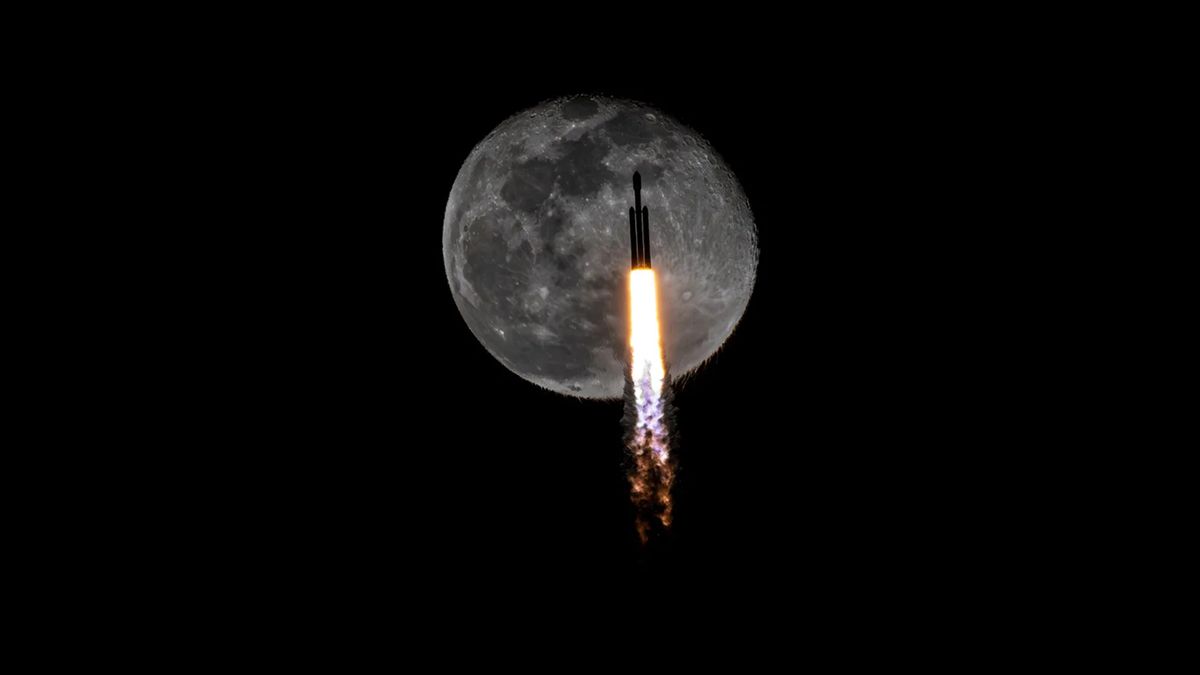
Photographer Pascal Fouquet captured an award-winning shot of a SpaceX Falcon Heavy rocket transiting the full moon during the launch of USSF-52, winning the United States' National Award for the Sony World Photography Awards 2024. Fouquet's skillful capture, taken with a Nikon D850, required precise timing and exposure to highlight the moon while the rocket passed in front of it. The photo was taken during the launch of the United States Space Force X-37B spaceplane, marking the spacecraft's seventh mission.
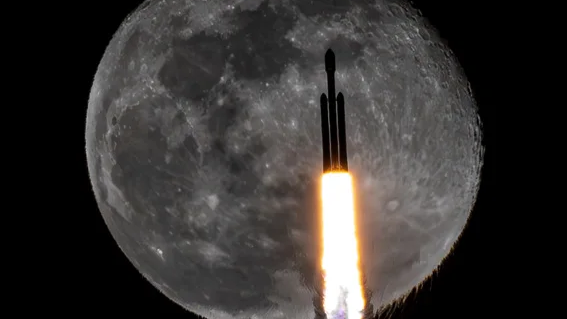
Photographer Pascal Fouquet captured an award-winning photo of a SpaceX Falcon Heavy rocket transiting the full moon during the launch of the USSF-52 mission, earning first place in the United States' National Award for the Sony World Photography Awards 2024. Fouquet's skillful shot, taken with a Nikon D850, required precise timing and exposure settings to capture the rocket passing in front of the moon. The photo was taken just before the new year when SpaceX launched the United States Space Force X-37B spaceplane from NASA's Kennedy Space Center. The winning image can be viewed on the World Photography Organization's website.
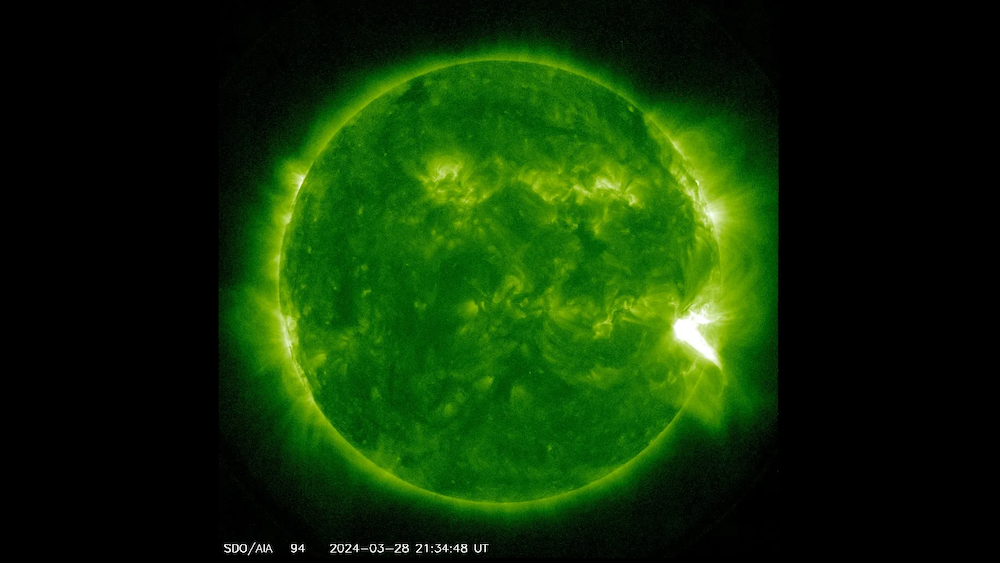
A powerful X1.1 solar flare erupted from the sun, causing a deep shortwave radio blackout over the Pacific Ocean and triggering concerns about a potential geomagnetic storm. The flare, accompanied by a coronal mass ejection, was detected by NOAA satellites and comes after a recent "double" X-class flare. Scientists speculate that the sun may have entered its peak activity phase earlier than expected, as seven X-class flares have already occurred in 2024.