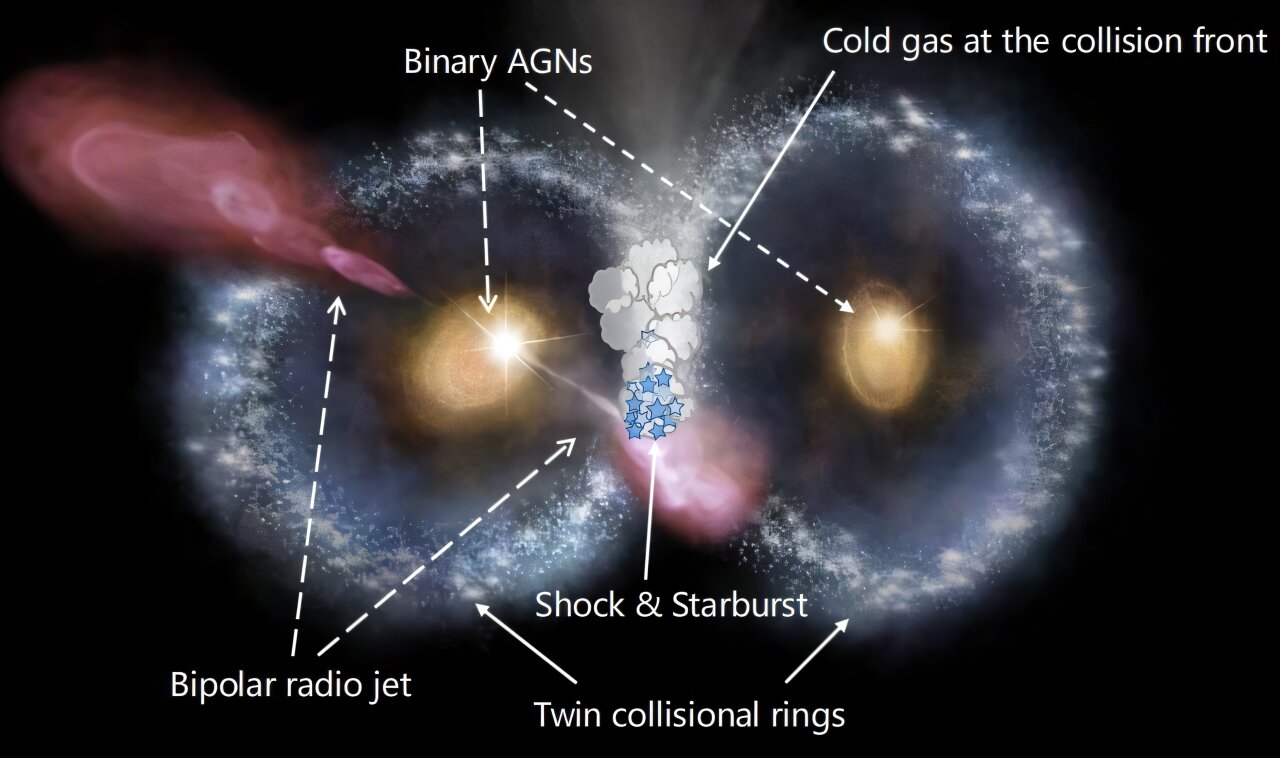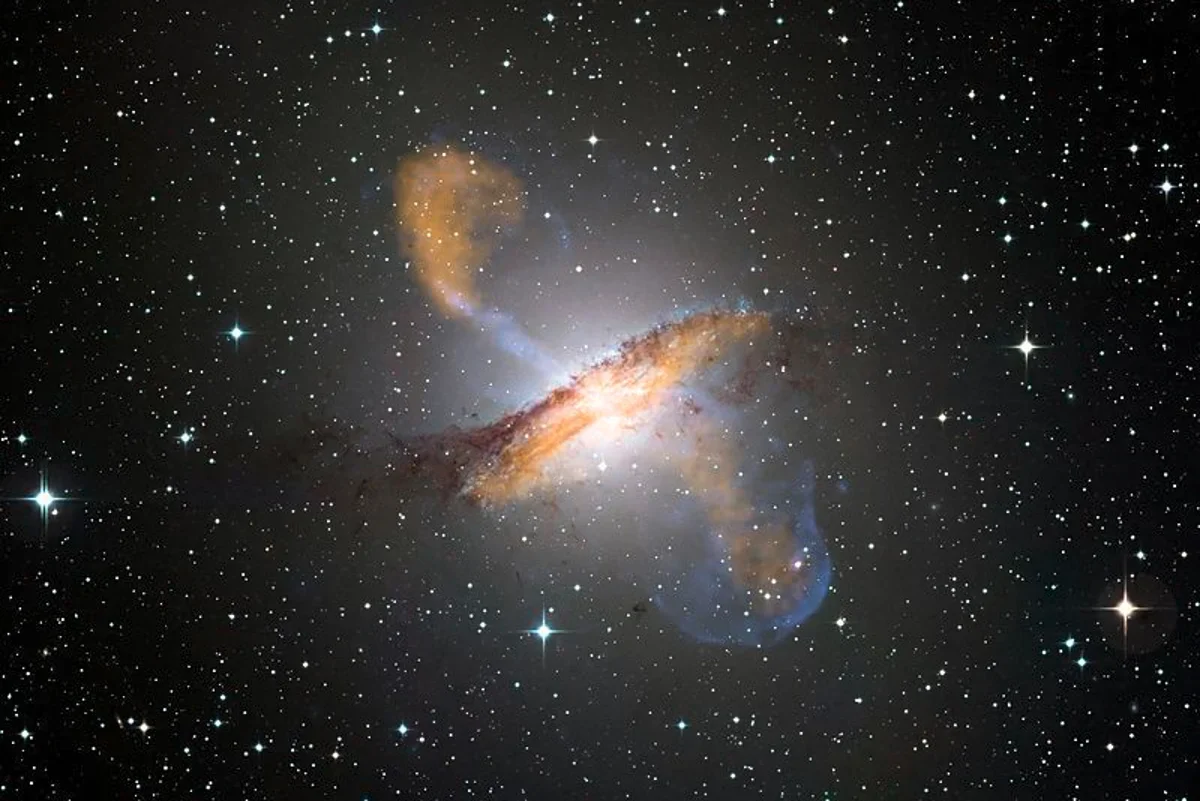
Astronomers have discovered a unique galaxy merger called the Cosmic Owl, consisting of two nearly identical collisional ring galaxies with active nuclei and starburst activity, providing insights into galaxy evolution and black hole growth in the early universe.
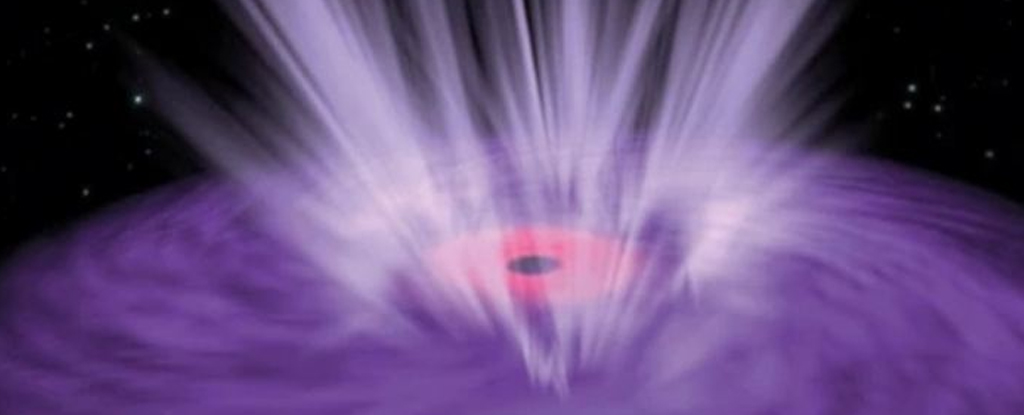
A study using the Event Horizon Telescope reveals that black hole jets are more complex than previously thought, showing signs of acceleration and brightness increases that challenge traditional models, with future research aiming to uncover the underlying mechanisms.
Astronomers from the University of Wisconsin-Madison have discovered 63 new giant radio galaxies (GRGs) using the Faint Images of the Radio Sky at Twenty cm survey (FIRST). GRGs are rare objects with a projected linear length exceeding 2.3 million light years and are important for studying the formation and evolution of radio sources. The researchers utilized the DRAGNhunter algorithm to identify double-lobed radio galaxies in the FIRST data and found the newfound GRGs at redshifts between 0.51 and 1.32. Further studies are needed to understand the properties of these GRGs.
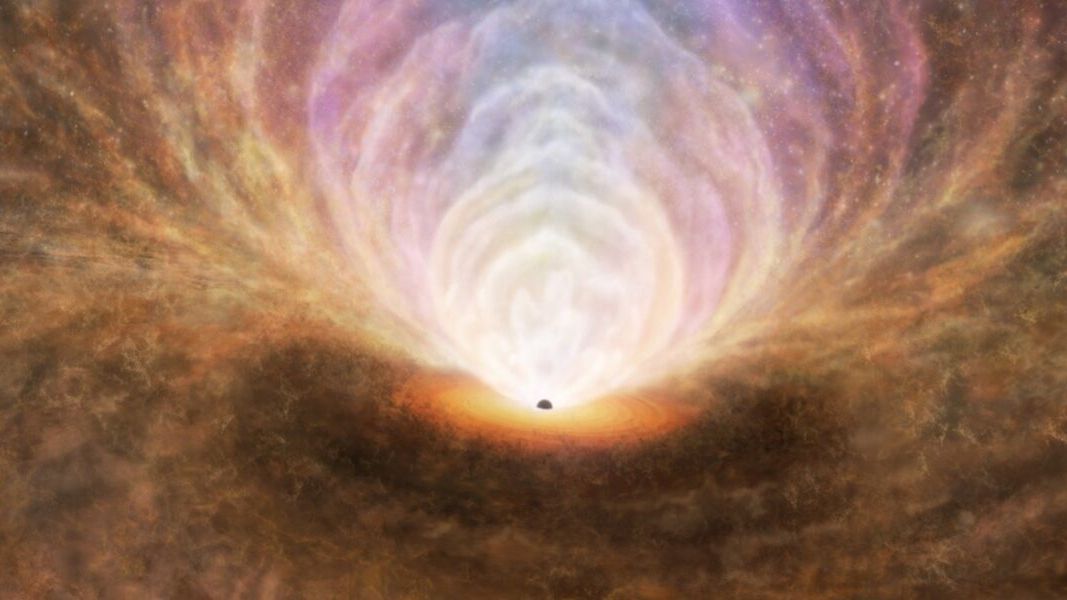
Astronomers have observed the feeding habits of a supermassive black hole in the active heart of a distant galaxy and discovered that it recycles material. The black hole consumes only around 3% of the matter flowing towards it, while the rest is pushed away by the energy of the active galactic nucleus (AGN) but eventually falls back to the black hole. This recycling process has been observed in the Circinus Galaxy, located 13 million light-years away from Earth, and could help scientists better understand how supermassive black holes grow.
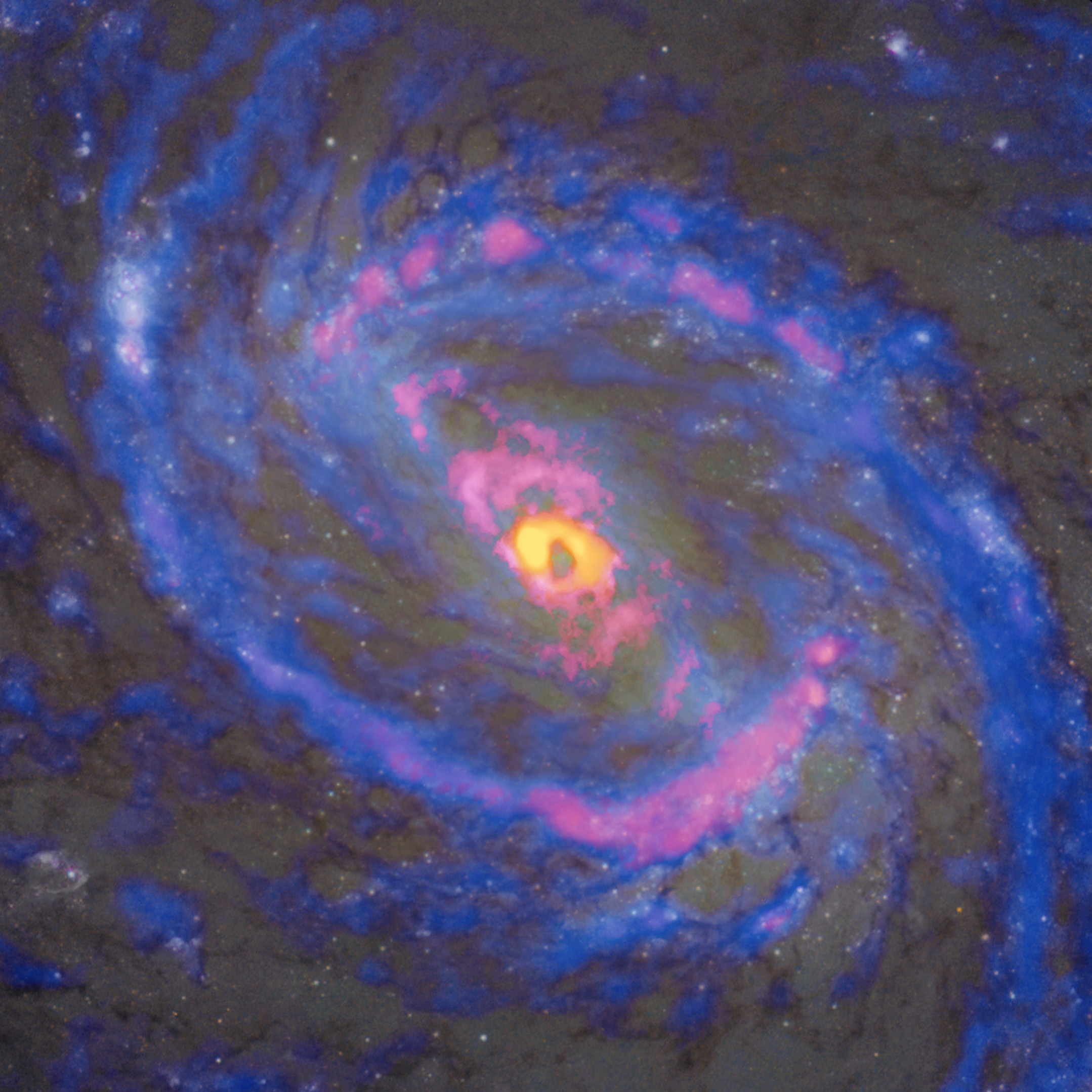
New research using the Atacama Large Millimeter/submillimeter Array (ALMA) provides strong evidence that supermassive black holes (SMBHs) alter the chemistry of their host galaxies. The study focused on the barred spiral galaxy NGC 1068 and mapped the distribution of 23 different molecules using ALMA. The researchers found different chemical distributions in the circumnuclear disk (CND) and the starburst ring (SBR) of NGC 1068, indicating the influence of SMBHs on the presence and abundance of chemicals. The study also detected unexpected concentrations of hydrogen cyanide (HCN) in the CND, possibly due to strong shocks, and observed the first detection of silicon monoxide (SiO) in NGC 1068. These findings shed light on the complex interactions between SMBHs and their host galaxies.
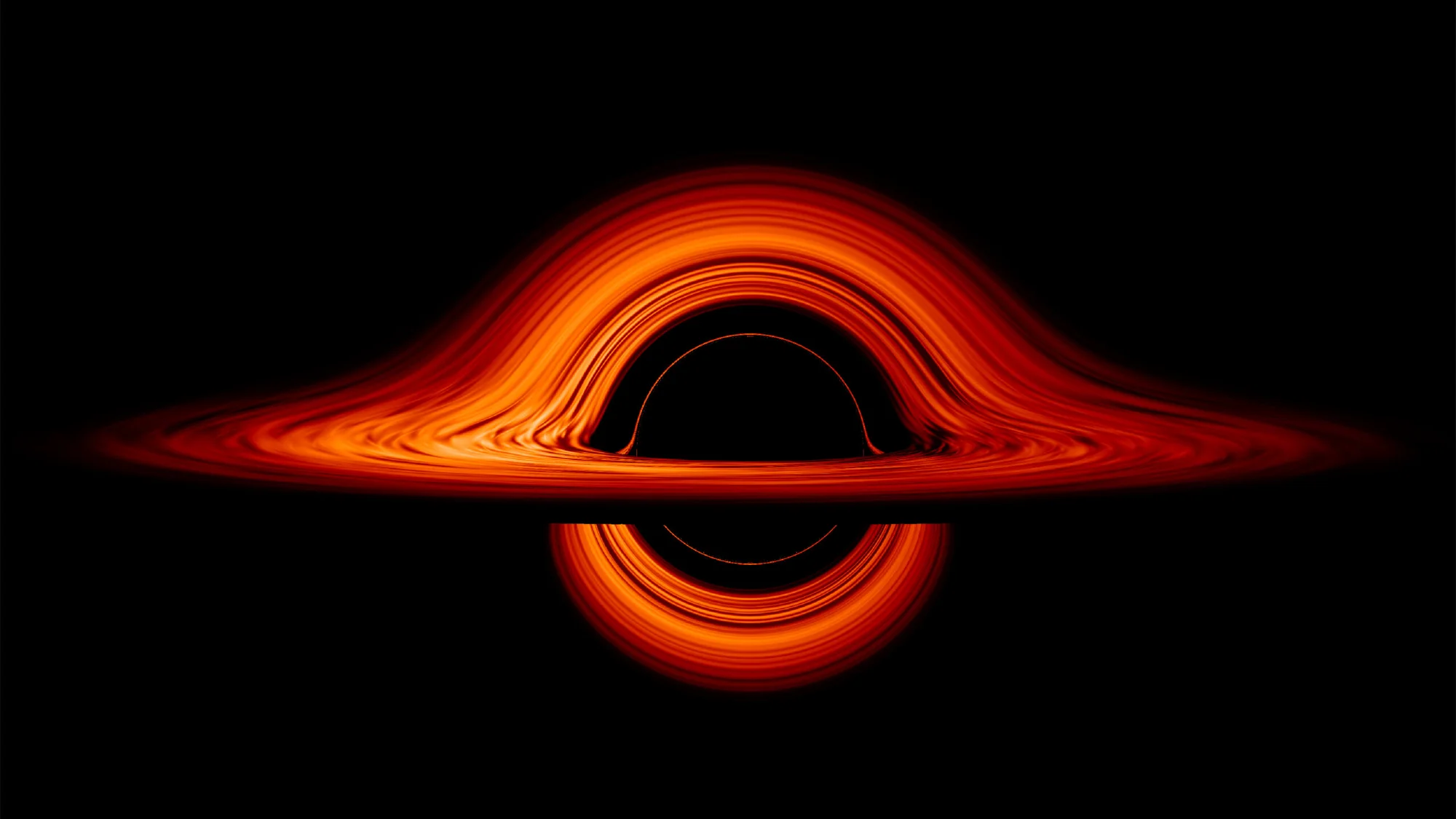
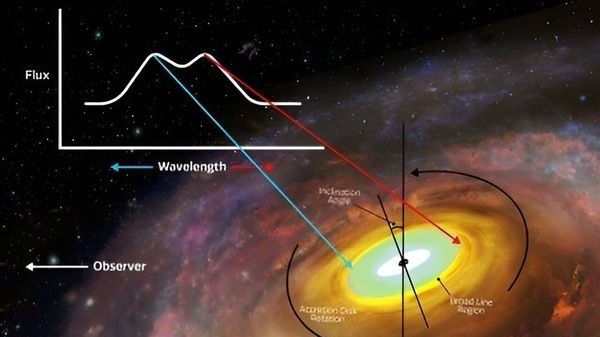
Astronomers have observed the outer edge of a feeding supermassive black hole's accretion disk for the first time, providing valuable insights into the structure and behavior of these cosmic phenomena. By studying the emission lines in the spectrum of light from the accretion disk, researchers were able to determine its size and estimate the mass of the black hole. The observations could help scientists better understand how black holes feed and how this process influences the evolution of galaxies. The research was published in the Astrophysical Journal Letters.
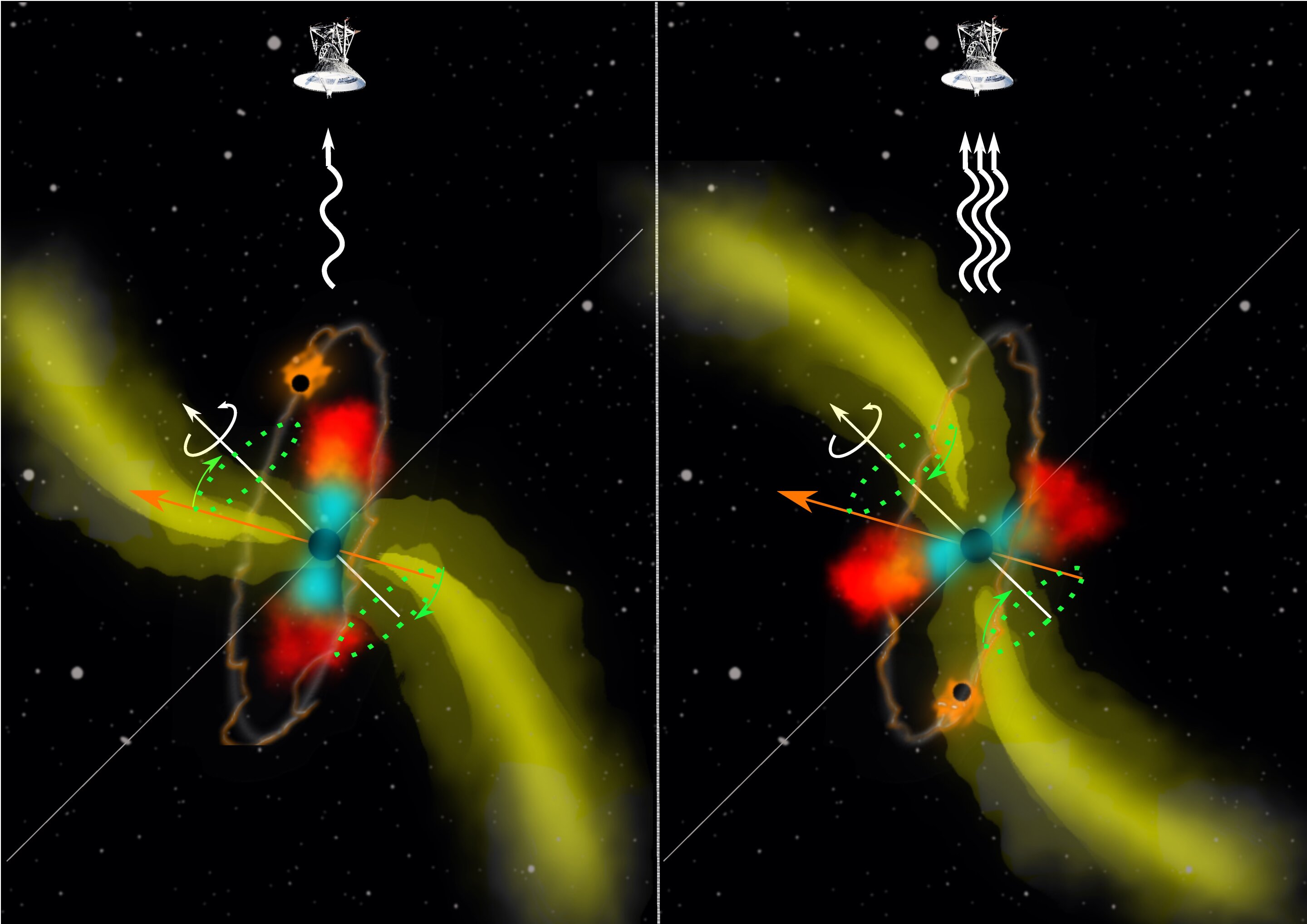
An international research team has presented evidence that the variability in brightness and jet curvature observed in blazars, accreting supermassive black holes in the centers of galaxies, is likely caused by the precession of the jet source. This precession can be attributed to the presence of a second massive black hole or a warped accretion disk. The study suggests that blazar variability may be of deterministic nature rather than stochastic, and the jet curvature could be a signature of binary black holes. Radio observations using Very Long Baseline Radio Interferometry (VLBI) provide the highest resolution for studying these phenomena.
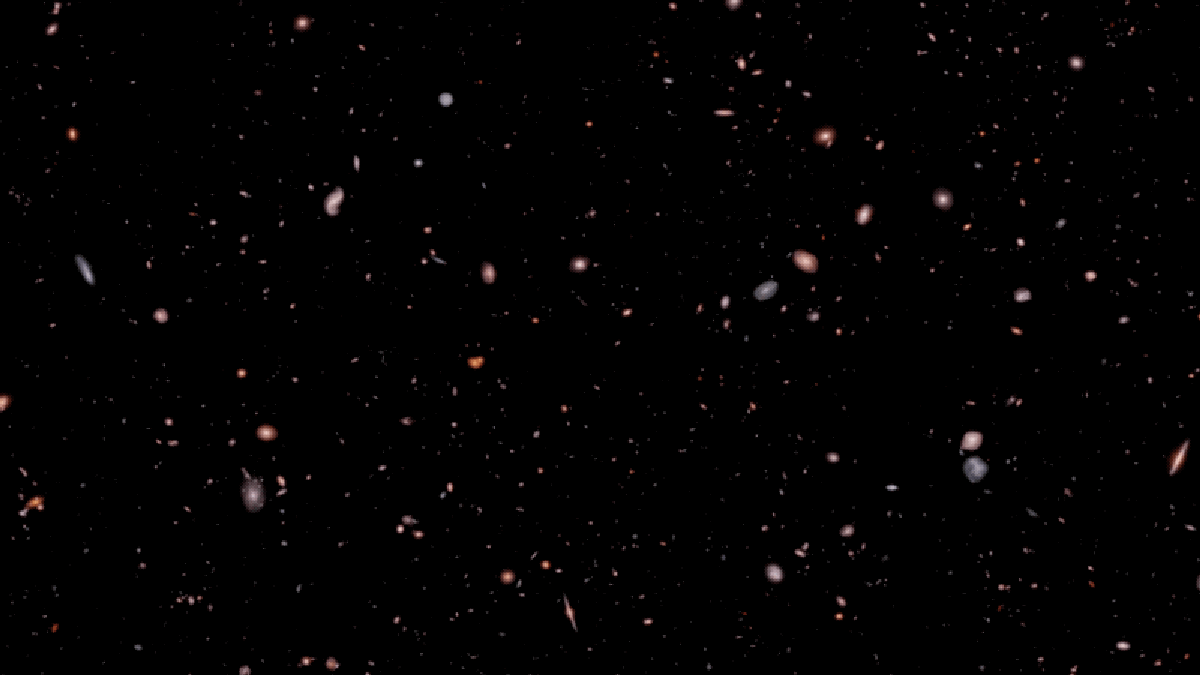
Data from the Webb Space Telescope's Mid-Infrared Instrument suggests that supermassive black holes may be growing at a slower pace than previously believed. Researchers studying the Extended Groth Strip observed fewer growing supermassive black holes and less dust than expected, indicating that these black holes may not be significantly impacting their host galaxies. The findings provide a new perspective on black hole growth and challenge current understanding, which is largely based on the most massive black holes in the biggest galaxies.
Data from the Webb Space Telescope's Mid-Infrared Instrument suggests that there may be fewer growing supermassive black holes and less dust than expected in the Extended Groth Strip, a region of space between Ursa Major and Boötes. The observations were made as part of the Cosmic Evolution Early Release Science program, which investigates the early galaxies and conditions for star and black hole growth. The findings suggest that these black holes may not be growing rapidly or significantly impacting their host galaxies, challenging current understanding. The Webb telescope, launched in 2021, is expected to provide more insights into galactic evolution and supermassive black holes.
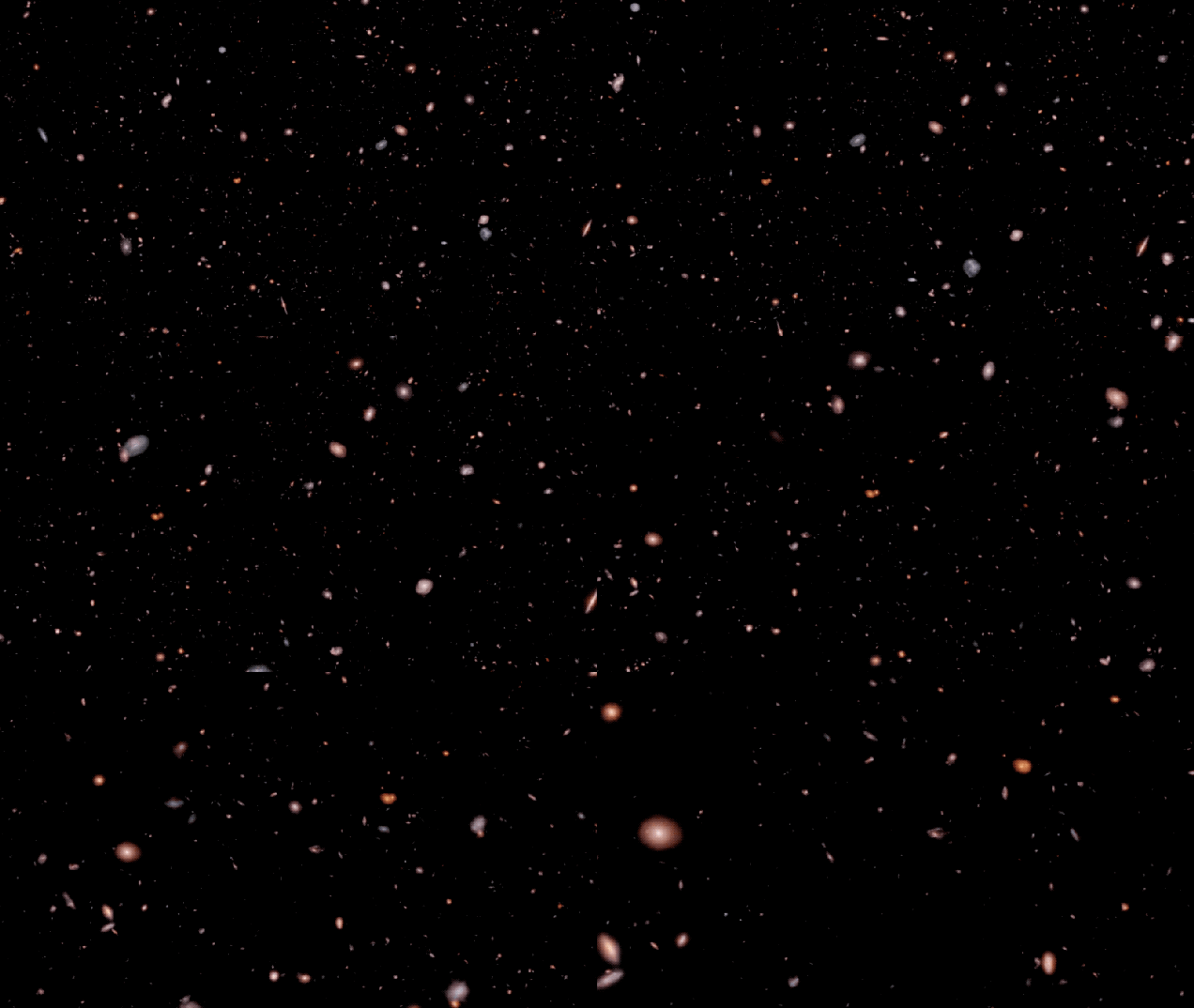
A survey conducted with the James Webb Space Telescope (JWST) has revealed that active galactic nuclei (AGN), which are rapidly growing supermassive black holes, are rarer than previously assumed. The survey focused on a region of the cosmos known as the Extended Groth Strip and found fewer AGN than expected, suggesting that the universe may be more stable than thought. The study also provided insights into faint galaxies and their properties, as well as the challenges in identifying AGN. The findings prompt questions about the growth and impact of supermassive black holes on their host galaxies, including the Milky Way.
An international research team has discovered ultra-fast outflows (UFOs) known as space winds that emerge from the surroundings of supermassive black holes and travel at speeds close to that of light. The SUBWAYS project analyzed 22 active galactic nuclei (AGN) and found that approximately 30% of them exhibited space winds traveling at speeds between 10% and 30% of the speed of light. These findings provide new insights into the role of UFOs in shaping the evolution of galaxies and their ecosystems.
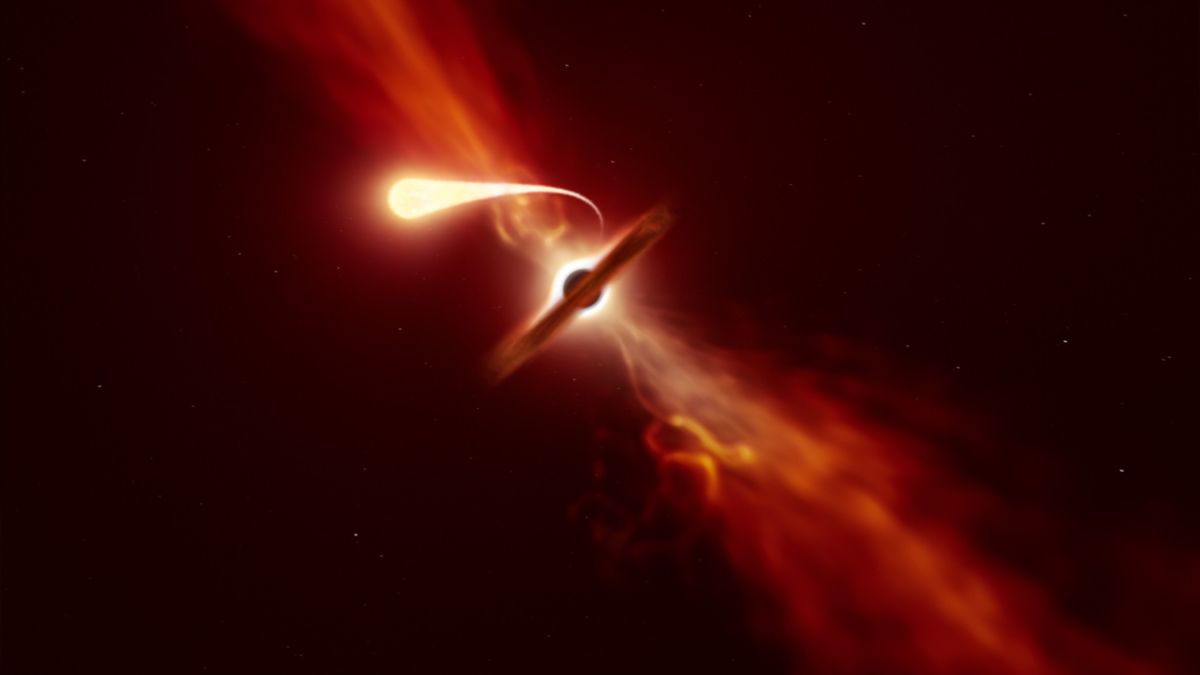
Astronomers have observed a supermassive black hole, known as J221951, undergoing a dramatic "switching on" event, resulting in one of the brightest transient events ever recorded. The cause of this event is still unknown, but it could be due to the black hole consuming a star that ventured too close and being torn apart in a process called spaghettification. Another possibility is that the black hole is transitioning from a dormant to an active state, known as an active galactic nucleus. Further monitoring is needed to determine the exact cause of this event.
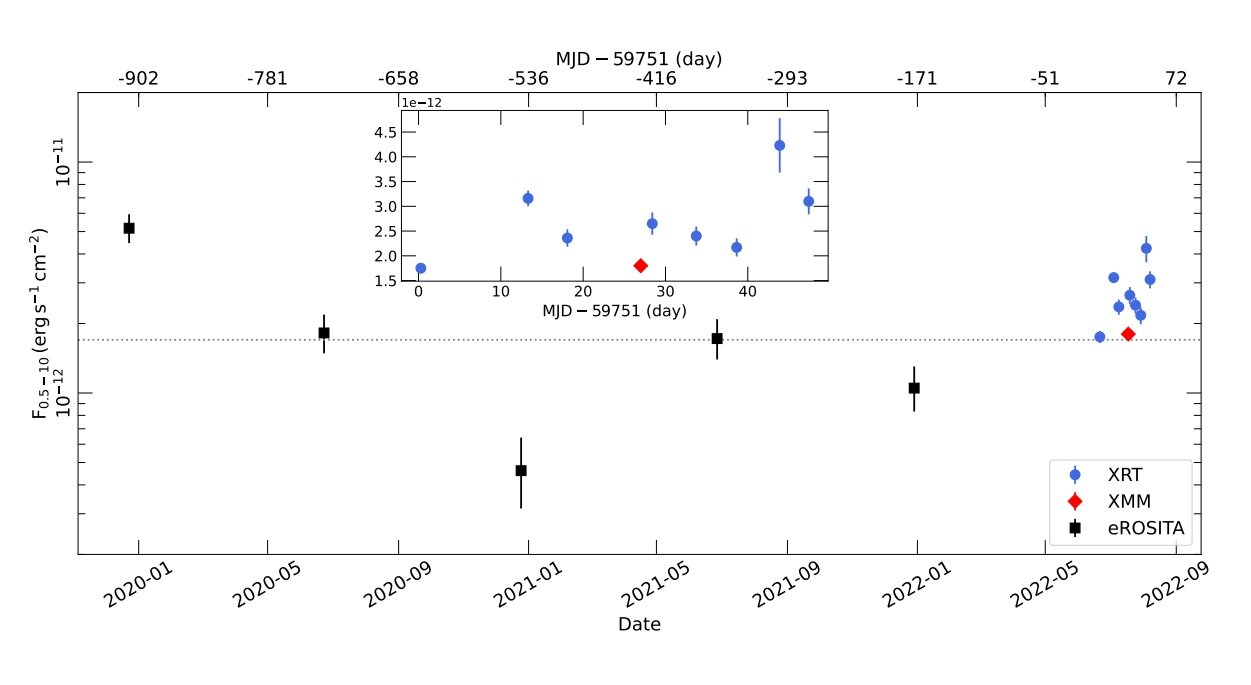
An international team of astronomers has used various space telescopes to observe a recently detected luminous quasar known as SMSS J114447.77-430859.3, or J1144 for short. J1144 has a bolometric luminosity of about 470 quattuordecillion erg/s, making it the most luminous quasar over the last 9 billion years of cosmic history. The researchers found that J1144 exhibits an X-ray variability by a factor of about 10 within a year, and the observations indicate that J1144 seems to accrete at a rate larger than 40% of the Eddington limit. The authors of the paper added that deeper X-ray and ultraviolet/optical observations of J1144 are needed to draw final conclusions about the nature of this source and its variability.
The SUper massive Black hole Winds in the x-rAYS (SUBWAYS) project has presented the first results of its research into ultra-fast outflows (UFOs) emitted by supermassive black holes (SMBHs) at the center of active galactic nuclei (AGNs). The SUBWAYS team used the X-ray Multi-Mirror Mission (XMM) to analyze AGNs for more than 1.6 million seconds and found that in about 30% of the AGNs analyzed, there are space winds traveling at speeds of 10% to 30% of the speed of light. These winds are believed to play a vital role in shaping the evolution process of galaxies.
The SUBWAYS project, an international research effort, has used the ESA’s XMM-Newton space telescope to study ultra-fast outflows (UFOs) emitted by supermassive black holes (SMBHs) at the center of active galactic nuclei (AGNs). The team analyzed X-ray spectroscopic data to characterize the properties of UFOs in 22 luminous galaxies and found that in about 30% of the AGNs analyzed, there are space winds traveling at speeds of 10% to 30% of the speed of light. These winds are believed to play a vital role in regulating the process of star formation and shaping the evolution process of galaxies.