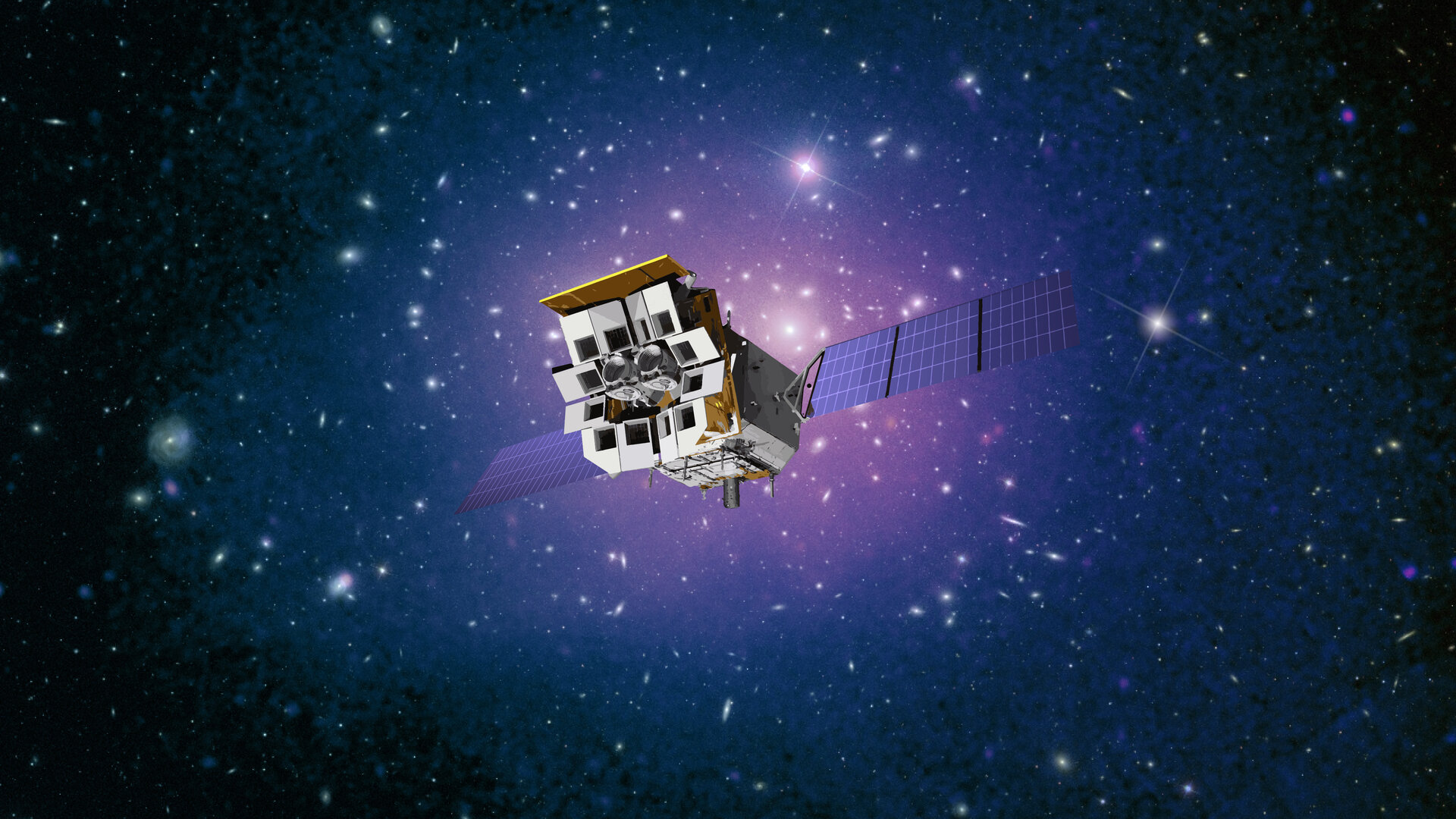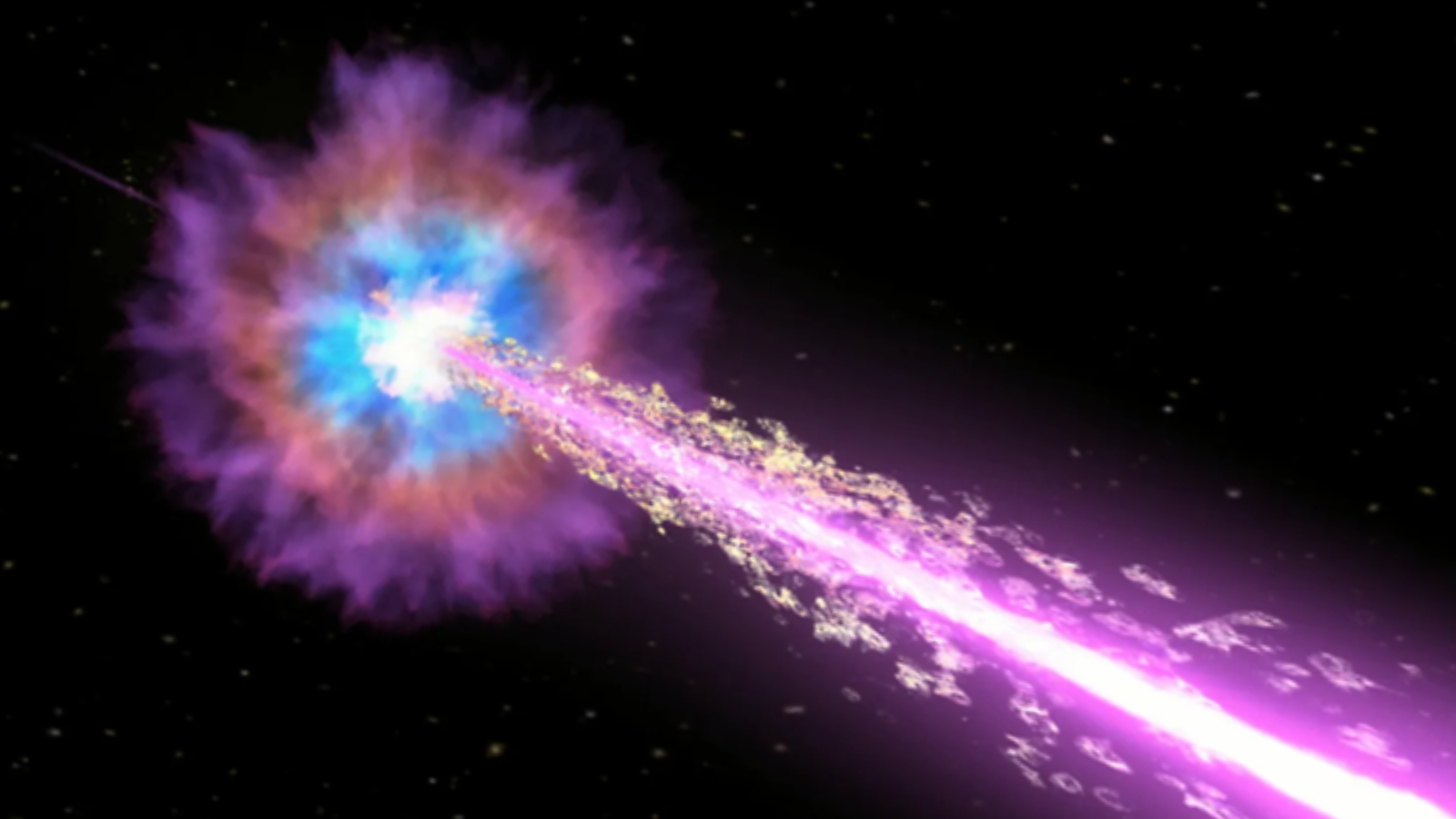
Astronomers have traced a mysterious class of cosmic explosions called Fast X-ray Transients (FXTs) back to their source, revealing an event that occurred 12 billion years ago, providing new insights into stellar death and the early universe, and demonstrating the capabilities of the Einstein Probe telescope.
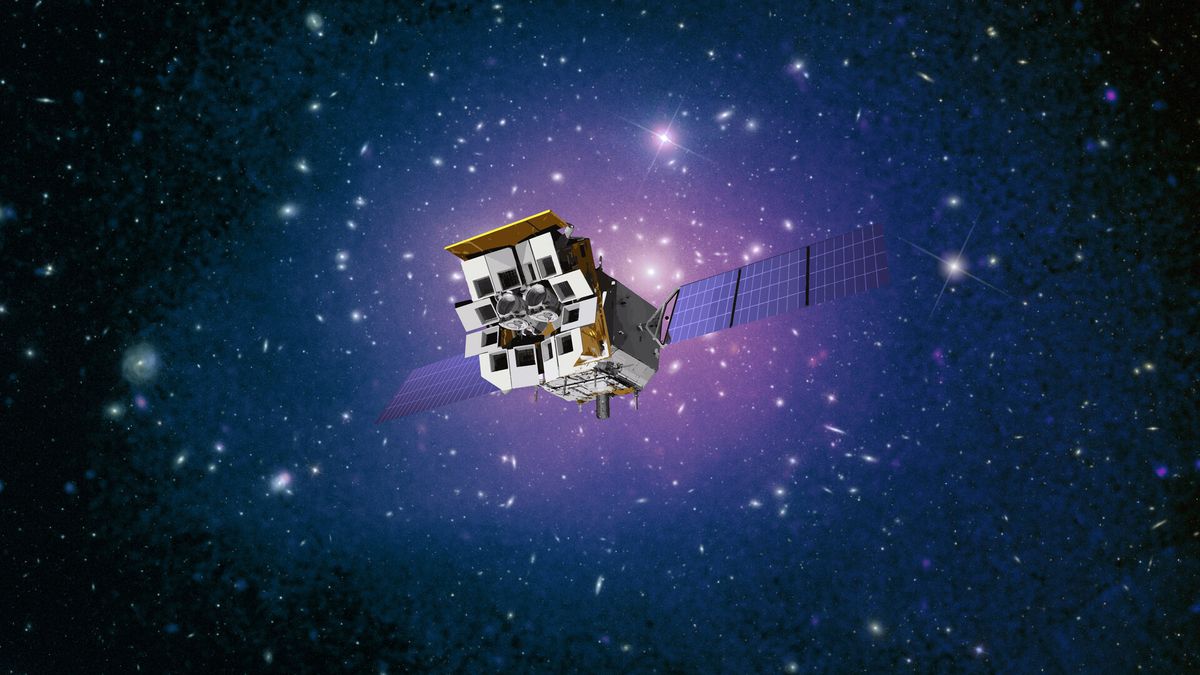
The Einstein Probe, a Chinese X-ray space telescope with lobster-eye optics, has made significant discoveries during its commissioning phase, including detecting around 60 strong transient celestial objects and nearly 500 stellar flares. It also observed a gamma-ray burst from the early universe, showcasing its sensitivity. The probe, now named "Tianguan," may have identified a new class of transients, potentially caused by a white dwarf disrupted by a black hole. The observatory is set to operate for three years, with a possible two-year extension.
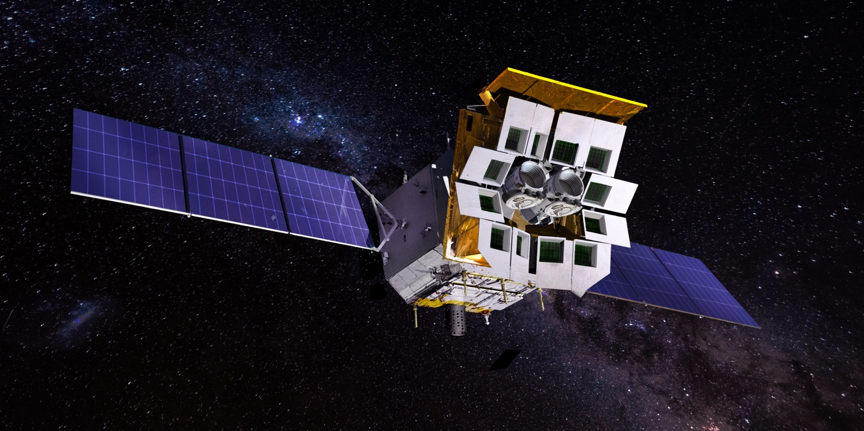
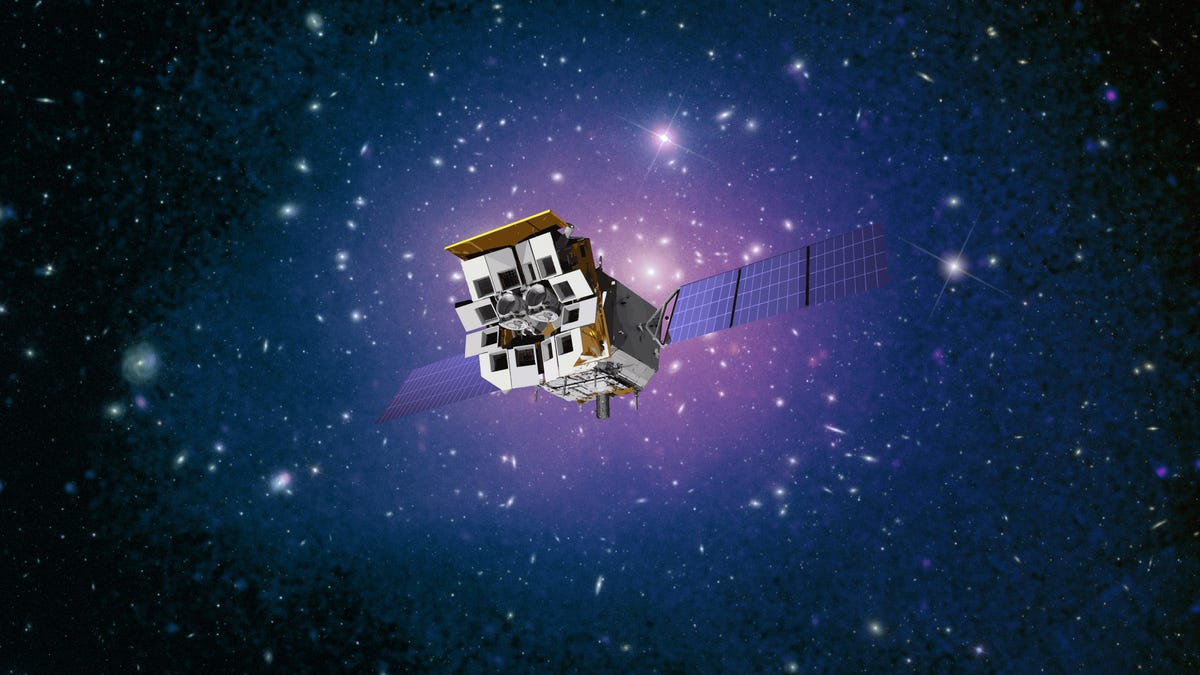
China has launched the Einstein Probe, a telescope with a "lobster eye" camera designed to study high-energy X-rays from black holes, neutron stars, and supernovas. The mission, in collaboration with the European Space Agency and the Max Planck Institute, aims to identify and study new sources of X-ray light to understand the universe's most powerful events. The probe's wide-field X-ray telescope, inspired by the lobster eye, allows it to observe a large portion of the sky at once, enabling the study of short-lived, violent cosmic events. It will also provide data to explain gravitational waves and pinpoint their origins.
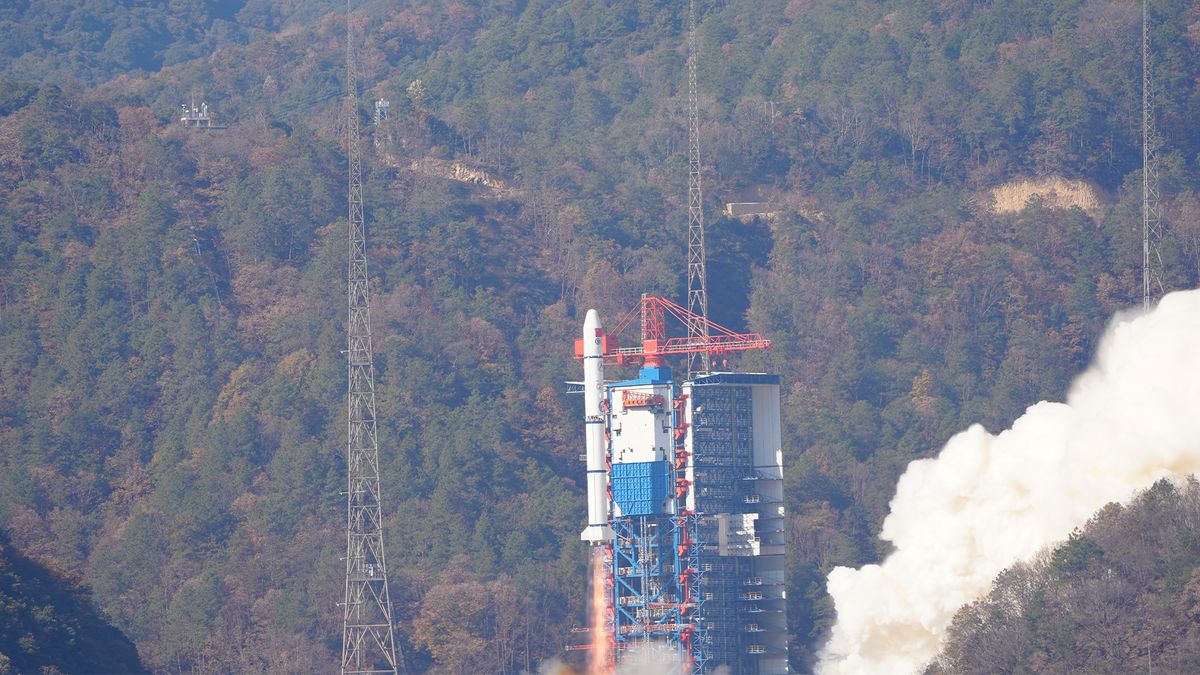
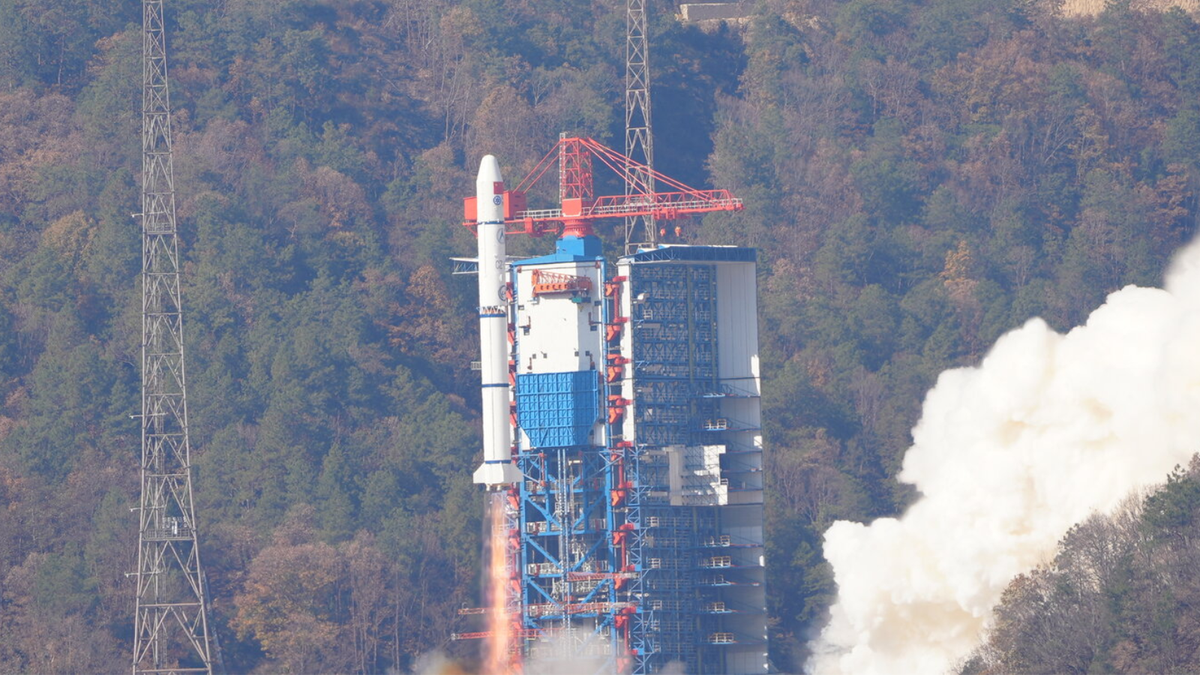
China successfully launched the Einstein Probe, a spacecraft designed to observe the X-ray sky and study high-energy light from powerful cosmic objects such as black holes, neutron star collisions, and supernovas. The spacecraft, equipped with a Wide-field X-ray Telescope and a Follow-up X-ray Telescope, will monitor the night sky over Earth for three years to gather data on X-ray sources and provide insights into the physics of violent cosmic events. The mission is a collaboration between China, the European Space Agency, and the Max Planck Institute for Extraterrestrial Physics.
China has launched the Einstein probe, equipped with instruments to detect X-ray bursts from phenomena like black holes and neutron star collisions, in a collaborative effort with the European Space Agency and the Max Planck Institute for Extraterrestrial Physics. The probe's Wide-field X-ray Telescope (WXT) and Follow-up X-ray Telescope (FXT) will scan the sky for X-ray emissions, potentially shedding light on gravitational wave events and high-energy processes in space.
China successfully launched the Einstein Probe (EP) to observe X-ray emissions from violent cosmic events using lobster eye-inspired optics, aiming to unveil mysteries of the X-ray universe. The spacecraft will spend at least three years observing phenomena such as tidal disruption events, supernovae, and high-energy electromagnetic counterparts to gravitational wave events. Equipped with a Wide-field X-ray Telescope (WXT) using innovative lobster eye optics, the EP will provide new insights into black hole interactions and rare phenomena. The mission also involves collaboration with the European Space Agency and aims to contribute to the emerging field of gravitational wave astronomy.
The Chinese Academy of Sciences is set to launch the Einstein Probe, an X-ray telescope named after Albert Einstein, next month. Built in collaboration with the European Space Agency (ESA) and the Max Planck Institute for Extraterrestrial Physics, the probe will use lobster-eye optics to observe 3,600 square degrees of the sky in a single shot. Over its three-year mission, the Einstein Probe aims to study black holes, gravitational waves, supernovas, and other cosmic phenomena, emitting alert signals to other telescopes to collect data on fleeting events.
The Chinese Academy of Sciences (CAS) spacecraft Einstein Probe, in collaboration with the European Space Agency (ESA) and the Max Planck Institute for Extraterrestrial Physics (MPE), is set to launch in January 2024. Equipped with innovative X-ray instruments, the mission aims to survey the sky and detect powerful X-ray emissions from celestial objects such as neutron stars and black holes. The mission will contribute to advancing our understanding of high-energy physics and the origin of gravitational waves. The spacecraft's Wide-field X-ray Telescope (WXT) will observe large areas of the sky, while the Follow-up X-ray Telescope (FXT) will study interesting events in more detail. ESA's contribution includes developing the scientific instrumentation and providing ground stations for data download.