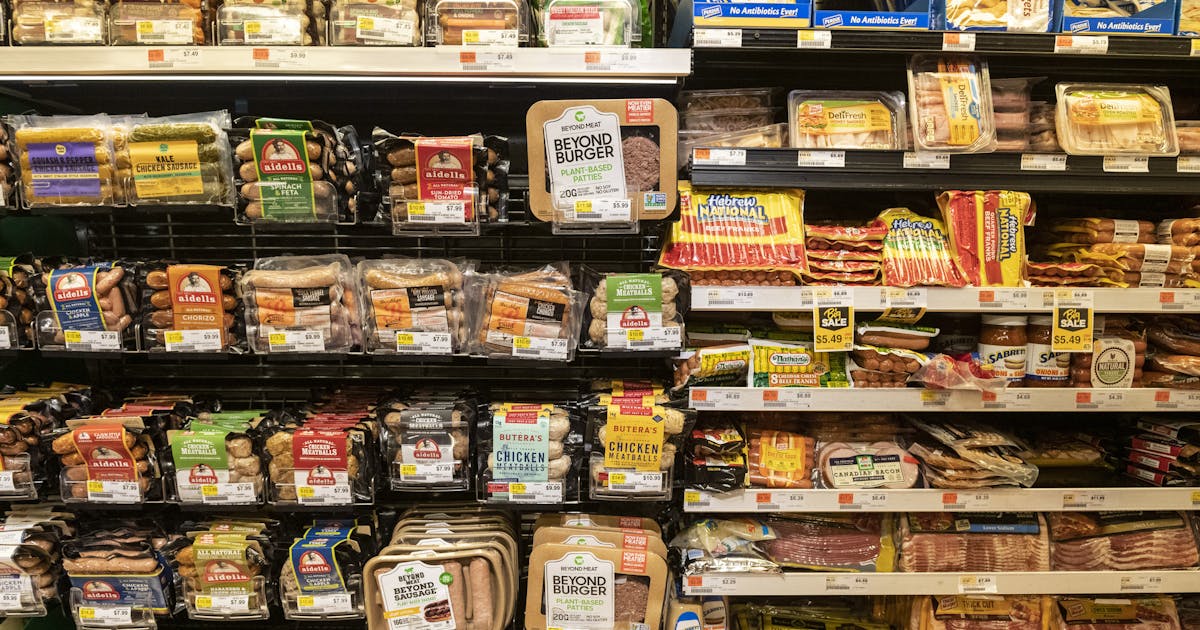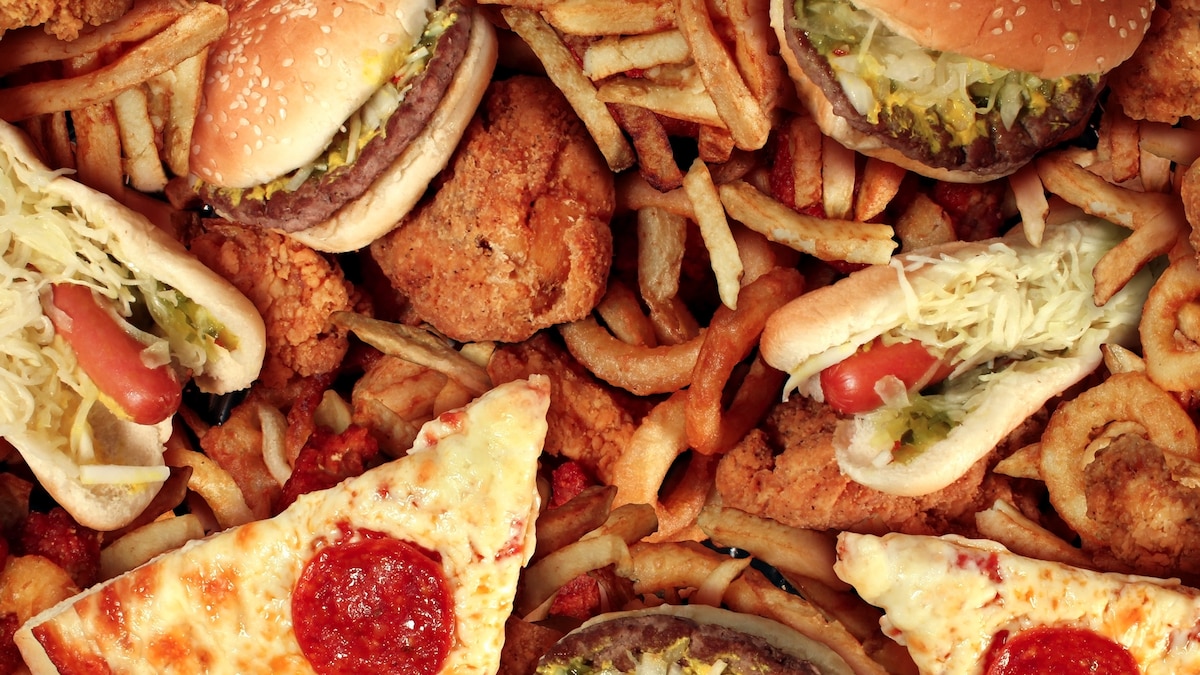
The US food industry is concerned about potential federal regulations and definitions of ultra-processed foods, which could impact products like yogurt and other nutrient-dense foods, as part of a broader effort led by Robert F. Kennedy Jr. to address health issues related to processed foods. Companies are lobbying to prevent their products from being classified as ultra-processed, fearing it could hurt sales, while the government considers labels and definitions to inform consumers and improve public health.

For the first time, more children worldwide are obese than underweight, driven by increased consumption of ultra-processed junk food, with significant health and economic implications, prompting calls for stronger government regulation and healthier food environments.
A recent study finds that consuming ultra-processed foods can hinder weight loss efforts even when following a healthy diet, highlighting the impact of food processing on weight management.
The article discusses how some children are more vulnerable to the effects of ultra-processed foods due to a strong food reward drive, which makes them prone to overeating these foods that are linked to health issues like obesity and diabetes. It emphasizes the importance of controlling the availability of ultra-processed foods at home and adopting strategies like limiting their presence and offering minimally processed foods to help children develop healthier eating habits. The article highlights that not all children respond the same way to these foods and tailored approaches are necessary for those with a strong food reward drive.
After 18 months of avoiding ultra-processed foods, the author experienced significant life improvements including weight loss, better exercise performance, expanded food enjoyment, and increased food knowledge, all achieved without calorie counting or strict dieting.
General Mills CEO Jeff Harmening downplays concerns over the health impacts of ultra-processed foods, emphasizing that taste remains a key factor for consumers, while also noting the company's commitment to making nutritious and tasty products.
A new analysis of multiple studies suggests that consuming ultra-processed food could lead to 32 health problems, including obesity, heart disease, cancer, diabetes, and early death. These foods, characterized by their industrial formulations and chemical additives, have been linked to various health issues, prompting calls for further research and government intervention to promote healthier, less processed diets. Studies have also associated ultra-processed foods with mental health and sleep disorders, leading to discussions about potential new mental-health conditions.
A systematic umbrella review of existing meta-analyses evaluated the associations between exposure to ultra-processed foods and adverse health outcomes. The review identified 45 unique pooled analyses, finding direct associations between ultra-processed food exposure and various health parameters, including mortality, cancer, and mental, respiratory, cardiovascular, gastrointestinal, and metabolic health outcomes. The evidence suggests that greater exposure to ultra-processed food is associated with a higher risk of adverse health outcomes, particularly cardiometabolic, common mental disorder, and mortality outcomes, providing support for public health measures to target and reduce dietary exposure to ultra-processed foods for improved human health.
A comprehensive review involving almost 10 million people has found that ultra-processed foods (UPF) are directly linked to 32 harmful health effects, including an increased risk of heart disease, cancer, type 2 diabetes, adverse mental health, and early death. The study underscores the need for public health measures to target and reduce exposure to UPF, which now makes up more than half of the average diet in the UK and US. Experts are calling for action to address the harmful effects of UPF and are suggesting the development of a framework convention on ultra-processed foods similar to the framework on tobacco.
Ultra-processed food ingredients, such as high-fructose corn syrup, soy protein isolate, and emulsifiers like soy lecithin, can be identified by checking the ingredient list. A comparison of different brands revealed that some products, like Ritz Original crackers and Breyers ice cream, contain these engineered ingredients, making them ultra-processed options.
A top food expert, Professor Tim Spector, from King's College London, has called for a tax on "poisonous" ultra-processed foods and for warning stickers to be placed on these products, indicating that they can cause people to overeat by 25%. He argues that health claims on such foods are hypocritical and that the sugar tax should be extended to include ultra-processed foods. Ultra-processed foods are made using ingredients not typically found in a kitchen and are high in added fat, sugar, and salt, while being low in protein and fiber. Professor Spector aims to reduce consumption of ultra-processed foods and increase the consumption of fruits and vegetables.
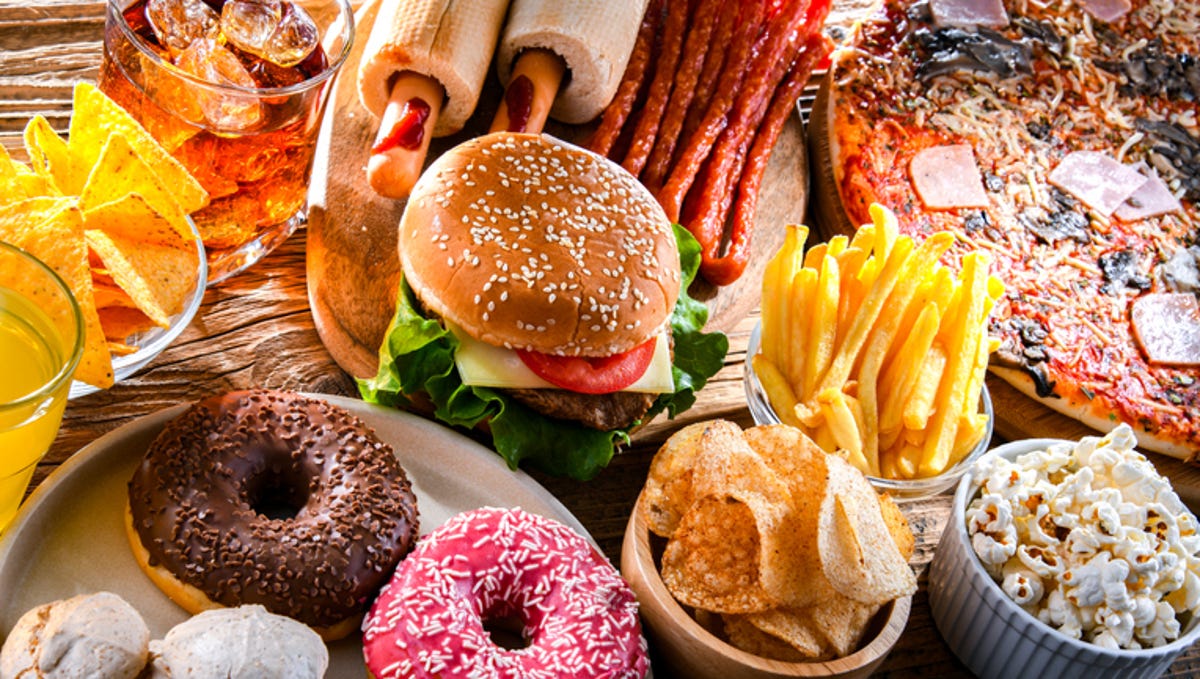
Emerging research suggests that ultra-processed foods, such as soda, candy, frozen meals, and fruit-flavored yogurt, not only have negative effects on physical health but also on mental health and cognition. Diets high in ultra-processed foods were found to be linked to a higher risk of depression, anxiety, and cognitive decline. Additionally, these foods may interfere with the production and release of brain chemicals, potentially affecting mental and emotional well-being. Ultra-processed foods are often hyper-palatable and addictive, leading to overconsumption and neglect of nutrient-rich foods. The high consumption of ultra-processed foods in the US, particularly among lower-income communities, is a concern. Experts recommend reducing the intake of ultra-processed foods by choosing less processed alternatives, reading labels, and educating children about the marketing tactics used by food companies.
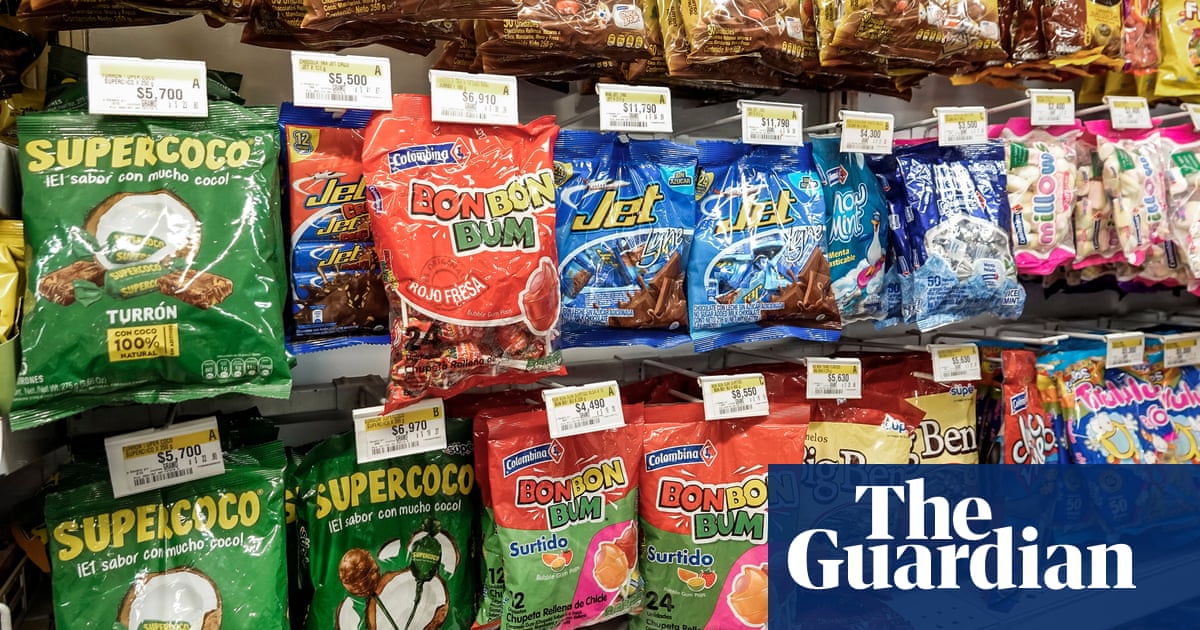
Colombia has implemented a new law, known as the "junk food law," which imposes taxes on ultra-processed foods in an effort to combat lifestyle diseases. The tax will be gradually introduced, starting at 10% and increasing to 20% by 2025. The law targets foods high in salt and saturated fat, such as chocolates and crisps. Colombia's model of taxing processed foods could serve as an example to other countries, according to health experts. The country is also introducing mandatory health warnings on foods with high levels of unhealthy ingredients. Critics argue that the tax will worsen inflation, but proponents believe it is necessary to address the growing health crisis.
Consuming high amounts of ultra-processed food and drinks, particularly those containing artificial sweeteners, may increase the risk of developing depression in women, according to a study published in the journal JAMA Network Open. The study, which examined the diets of nearly 32,000 middle-aged female nurses, found that those who consumed over nine portions of ultra-processed food per day had a 50% higher risk of depression compared to those consuming four portions or less. The link between ultra-processed foods and depression is still not fully understood, but it is believed that chronic inflammation and changes in the gut microbiome caused by these foods may play a role. The study did not include men, but the researchers believe the findings may be applicable to both genders. Ultra-processed foods have also been associated with an increased risk of diabetes, cardiovascular disease, cancer, and dementia. To avoid ultra-processed foods, it is recommended to read nutrition panels and ingredient lists when purchasing food.