Major food companies are lobbying against state regulations on ultraprocessed foods, claiming they will increase grocery prices, while supporting a federal standard to preempt state laws, amid ongoing debates over food safety, health concerns, and affordability.

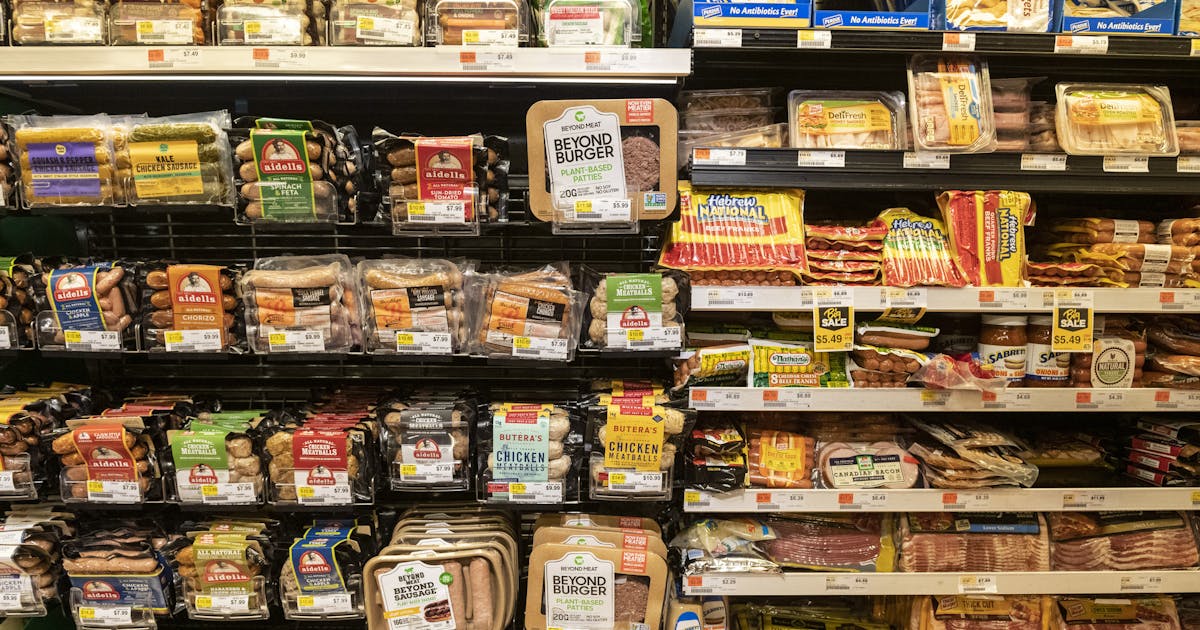
The article discusses the prevalence and health risks of ultraprocessed foods, which make up a significant portion of the American diet, highlighting the challenges in defining and regulating them, and offering tips for consumers to make healthier choices amidst industry and regulatory complexities.
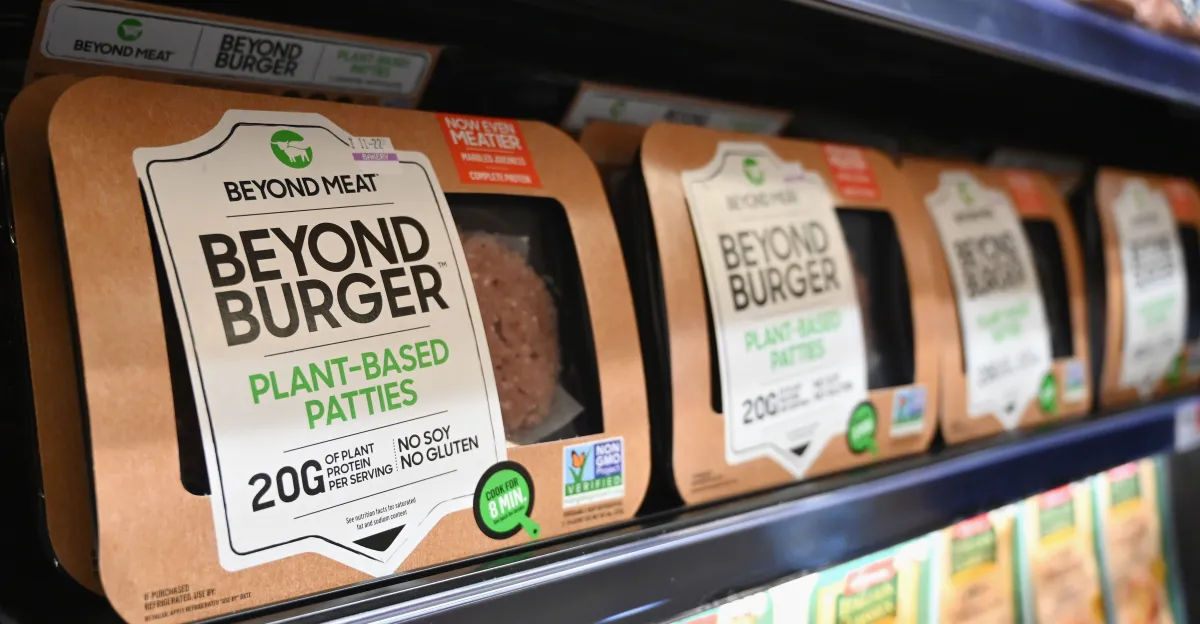
The EU Parliament has approved a measure to ban the use of traditional meat terms like 'burger' and 'sausage' for vegetarian, vegan, and lab-grown products, aiming to protect livestock farmers but raising concerns for the cultured meat industry, which seeks to use these terms for its products in the future.
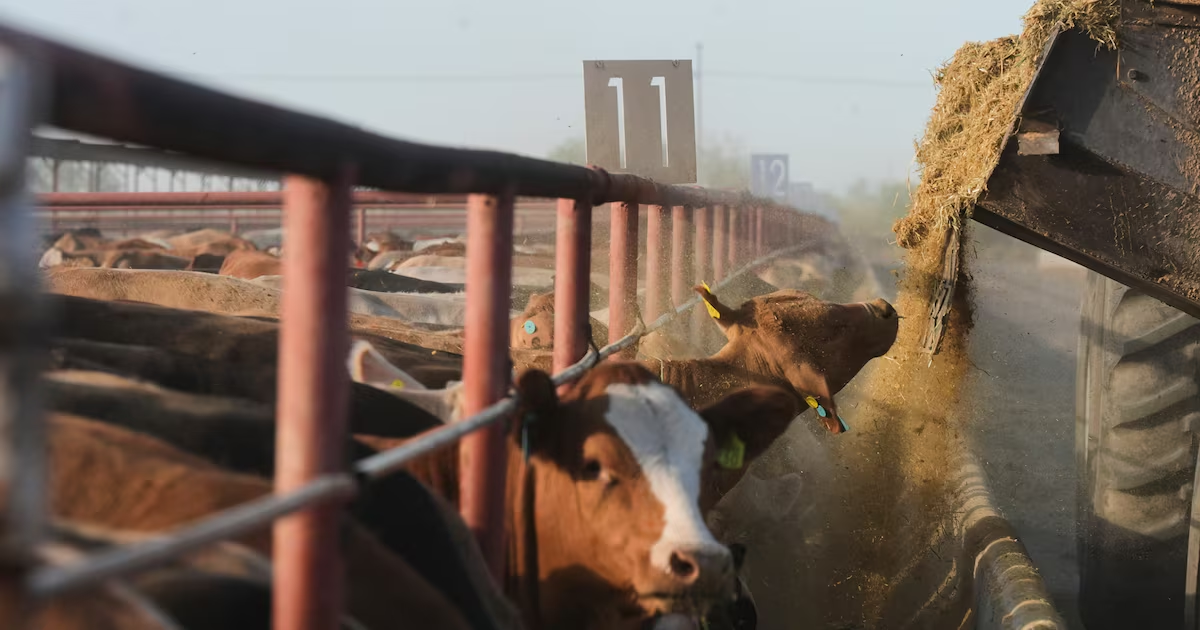
Texas has banned the sale and production of lab-grown meat for two years under Senate Bill 261, primarily to protect the cattle industry, despite concerns that the law may violate consumer rights and is influenced by agricultural lobbying. The ban has faced criticism and legal challenges, with some arguing it restricts consumer choice and stifles innovation.
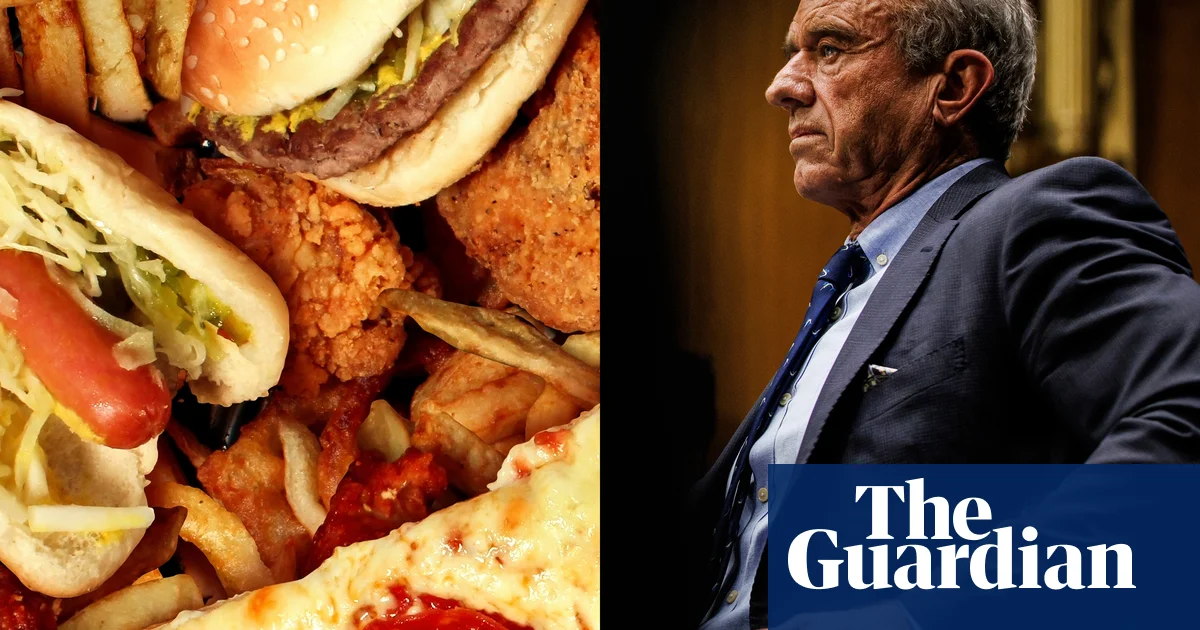
Robert F. Kennedy Jr. has highlighted the dangers of ultra-processed foods and led efforts to regulate them, including banning certain food dyes and closing safety loopholes, but political and industry opposition, along with funding cuts, hinder meaningful reform in the US food system.
General Mills CEO Jeff Harmening downplays concerns over the health impacts of ultra-processed foods, emphasizing that taste remains a key factor for consumers, while also noting the company's commitment to making nutritious and tasty products.