Tag

Depression Risk

All articles tagged with #depression risk

mental-health2 years ago

The Link Between Sedentary Activities and Increased Depression Risk

Mentally-passive sedentary activities, such as watching TV, have been linked to a 43% higher risk of developing depression, while mentally-active sedentary behavior, like sitting at work, does not have the same effect, according to a study published in the Journal of Affective Disorders. The research also suggests that waist size and inflammation may partly explain the association between mentally-passive sedentary behavior and depression. The study highlights the importance of reducing mentally-passive sedentary time and increasing physical activity to improve mental health. However, self-reporting and potential changes in sedentary behavior patterns over time are limitations of the study.


health2 years ago

The Link Between Ultra-Processed Foods and Depression

A recent study published in JAMA Network suggests that consuming ultra-processed foods, particularly those containing artificial sweeteners, may increase the risk of depression. The study found that participants with the highest consumption of ultra-processed foods had the highest risk for depression compared to those with the lowest consumption. The research highlights the importance of improving one's diet and reducing the intake of ultra-processed foods to decrease the risk of depression. However, the study's limitations include its focus on women and the possibility of inaccurate data collection. Future research is needed to explore the underlying mechanisms and include a more diverse range of participants.

health2 years ago

Processed Food and Depression: A Strong Link Revealed by Research

Consuming high amounts of ultra-processed food and drinks, particularly those containing artificial sweeteners, may increase the risk of developing depression in women, according to a study published in the journal JAMA Network Open. The study, which examined the diets of nearly 32,000 middle-aged female nurses, found that those who consumed over nine portions of ultra-processed food per day had a 50% higher risk of depression compared to those consuming four portions or less. The link between ultra-processed foods and depression is still not fully understood, but it is believed that chronic inflammation and changes in the gut microbiome caused by these foods may play a role. The study did not include men, but the researchers believe the findings may be applicable to both genders. Ultra-processed foods have also been associated with an increased risk of diabetes, cardiovascular disease, cancer, and dementia. To avoid ultra-processed foods, it is recommended to read nutrition panels and ingredient lists when purchasing food.

mental-health2 years ago

Brain Reactivity in Adolescents Linked to Future Depression Risk: Neuroimaging Study

A neuroimaging study has found that heightened brain activity in response to emotionally charged tasks in the right inferior occipital gyrus, a brain region responsible for processing visual stimuli, in adolescents is associated with lower distress tolerance and increased levels of depressive symptoms two years later. Distress tolerance, the ability to manage emotional distress without harmful behaviors, plays a crucial role in resilience against psychopathologies. The study suggests that distress tolerance may mediate the relationship between emotional reactivity and depressive symptoms. The findings highlight the importance of understanding risk factors for depression in adolescents.

health2 years ago

The Link Between Oral Contraceptives and Depression Risk

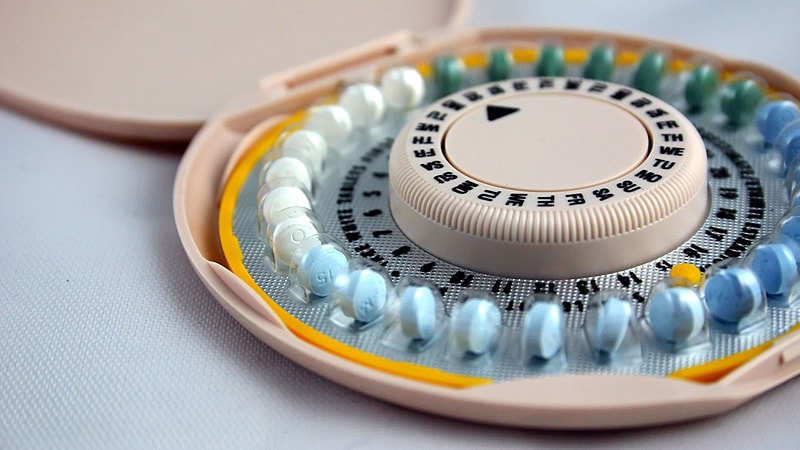
New research suggests that the use of oral contraceptives (OCs), particularly during the first two years and in adolescence, may increase the risk of depression. A study tracking over 250,000 women found that those who started using OCs before or at the age of 20 had a 130% higher incidence of depressive symptoms, while adult users saw a 92% increase. The risk of depression tended to decline after the first two years of use, except in teenagers who maintained an increased incidence of depression even after discontinuation. However, some experts question the study's methodology and suggest that the findings may be flawed.

health2 years ago

Birth Control Linked to Higher Depression Risk in Women and Teens

A large-scale study from Uppsala University has found that the use of combined contraceptive pills significantly increases the risk of depression in women, especially during the first two years of use and particularly in teenage users. Women who used combined contraceptive pills were at greater risk of developing depression than women who did not, with contraceptive pills increasing women’s risk by 73 percent during the first two years of use. The researchers call for increased awareness among healthcare providers and clear patient communication about potential risks.